
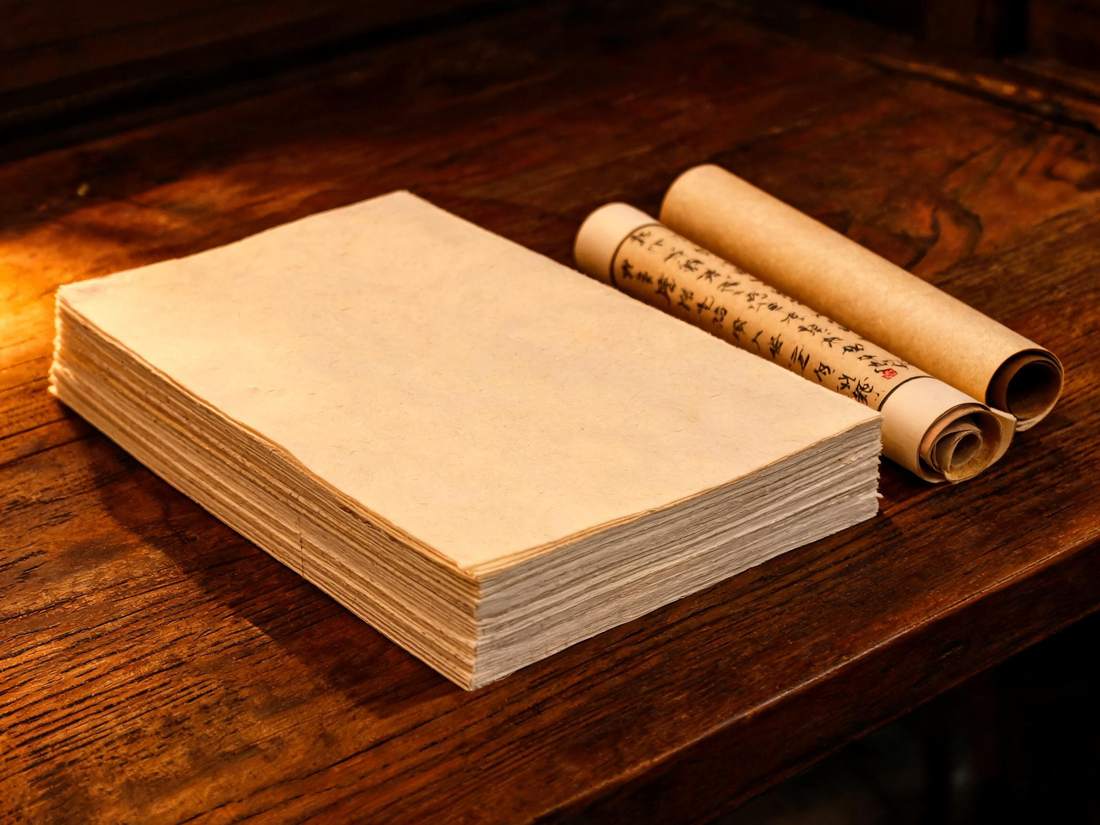
A B2B guide to thick rice paper: what rice paper thickness controls, how to match weight and raw or treated processing to the end use, and the batch acceptance checks importers should write into every order.
Demand for thick rice paper has climbed steadily through 2026, and the driver is practical. A heavier sheet takes a fully loaded brush without cockling, survives wet washes and layered strokes, and gives large-format calligraphy a firm surface. Distributors serving sumi-e painters, studios and school programs keep the heavier grades on sourcing lists. Yet the word thick means different things at different mills, and an order placed on feel alone invites a dispute on arrival.
For overseas B2B buyers, the reliable route is to turn the feeling into three checkable items: a thickness expectation confirmed on a sample, a processing choice — raw or treated — matched to the end use, and batch acceptance checks written into the order. The sections below work through each item using the actual Xuan paper lines Gumo Craftworks Co., Ltd. produces.
What Rice Paper Thickness Actually Controls
Rice paper thickness decides how much ink and water a sheet carries before the surface struggles. A thin sheet blots fast and suits fine detail; a thick rice paper sheet keeps working through wet washes, layering and repeated loading, which is why landscape painters and large-format calligraphers ask for heavier grades first. Thickness also shapes feel in the hand, flatness after mounting, and how a finished piece ages inside a bound album.
One caution belongs here: handcrafted Xuan paper rarely ships with a single published weight number, and a quotation built on an invented figure helps nobody. Gumo Craftworks manages thickness as a consistency property instead. Raw Xuan Paper Professional is checked for thickness consistency batch by batch, and the Xuan Paper Roll program samples thickness along the full roll so the end of a 50-metre length behaves like the start.
Matching Weight to the End Use
Weight and use still need matching, and the matching logic stays stable across mills. Heavy, absorbent stock rewards expressive brushwork: large characters, wet washes, layered ink tones. Mid-weight sheets carry everyday teaching loads at classroom budgets. Fine gongbi detail asks for paper holding ink near the surface — a processing question as much as a thickness question, taken up in the next section.
Format matters alongside weight. Standard 69 cm × 138 cm sheets cover full-size calligraphy; the 33 cm × 69 cm Student Practice Xuan Paper keeps school programs on budget; continuous or oversized work moves to roll format in 50, 70 and 97 cm widths; and collection programs bind heavier sheets into the thread-bound Bound Xuan Paper Album, sized 25 cm × 35 cm for display shelves.
Raw or Treated: The Processing Decision Behind the Weight
Thickness alone does not decide where ink goes; processing does. Raw Xuan Paper Professional leaves the bark fiber unprocessed, so ink sinks in and diffuses — the behavior behind expressive, layered strokes, and the reason calligraphers keep specifying raw grades. Treated Xuan Paper for Gongbi adds a controlled sizing layer, known as fanji, holding ink near the surface so fine lines stay crisp.
The treated line is produced in light, medium and heavy sizing, and sizing uniformity is tested per sheet before shipment. A frequent ordering mistake is pairing a thick rice paper sheet with no sizing for detail work: the weight feels right, then ink blooms past every outline. Decide processing and thickness together, and confirm both on the same sample sheet.
Sumi rice paper buyers face the same fork. Sumi ink washes behave differently on raw and sized surfaces, so studios stocking raw and treated grades side by side let painters choose per technique instead of forcing one stroke style onto one sheet.
Batch Acceptance Checks Worth Writing Into a Thick Rice Paper Order
Weight claims are easy to make and hard to enforce unless acceptance checks exist before production starts. Gumo Craftworks already performs the checks below, so buyers can adopt the list directly in an RFQ for thick rice paper orders and hold every delivery against the same standard:
- Thickness consistency — sheet grades are checked per batch; roll orders are sampled along the full length, not only at the outer layer.
- Ink behavior — Raw Xuan Paper Professional ships with a documented bleed-radius test; the treated line ships with per-sheet sizing uniformity records.
- Surface and workmanship — surface checks, roll edge inspection and AQL sampling give a contractual receiving basis.
- Documentation — grade certificates and test records travel with the shipment and trace back to the tested batch.
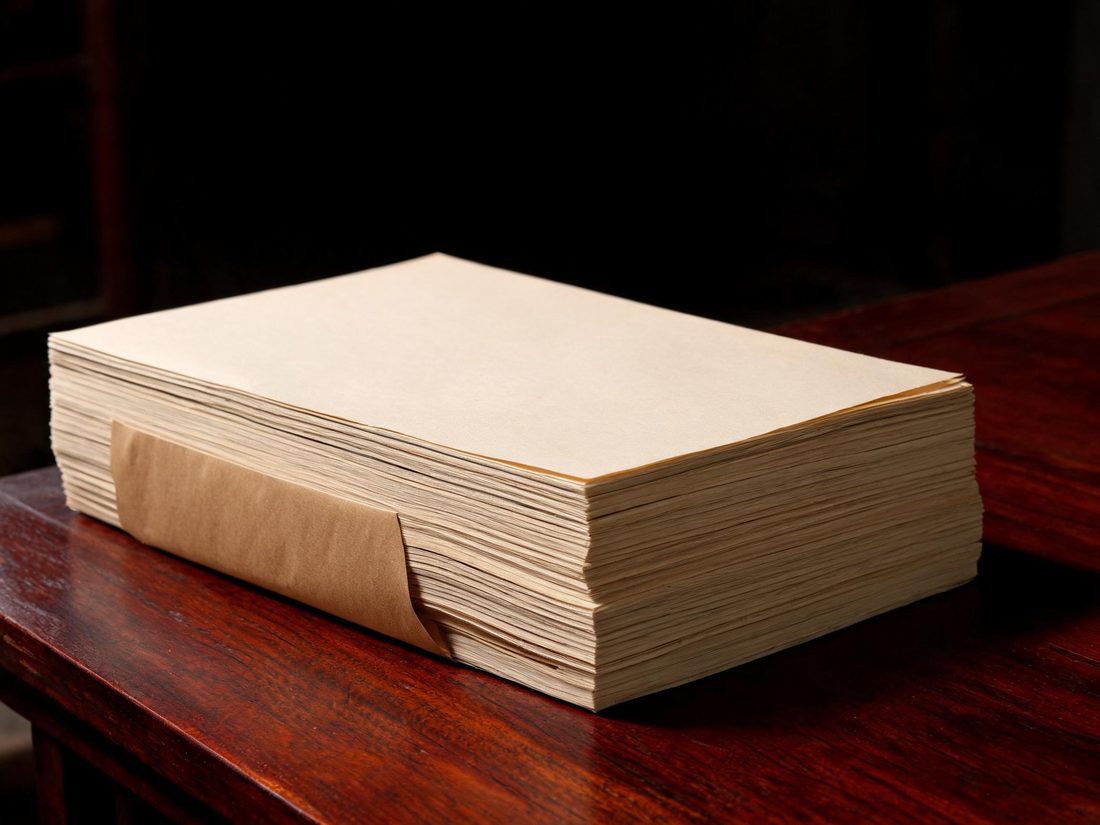
Where a specific working weight is essential, the Xuan Paper Roll program makes the control explicit: weight, thickness and composition for the production batch are confirmed on the pre-production sample, and manufacturing starts only after the sample is approved. Apply the same sample-first habit to sheet orders — approve the sample, then check arrival against the approved standard.
Where to Start: Samples Before Volume
The full range of five grades sits in the Gumo Craftworks Xuan paper category. Buyers comparing heavy grades can request Raw Xuan Paper Professional and Treated Xuan Paper for Gongbi samples together, test both with the actual ink and brush combination in daily use, and lock the specification at sample approval.
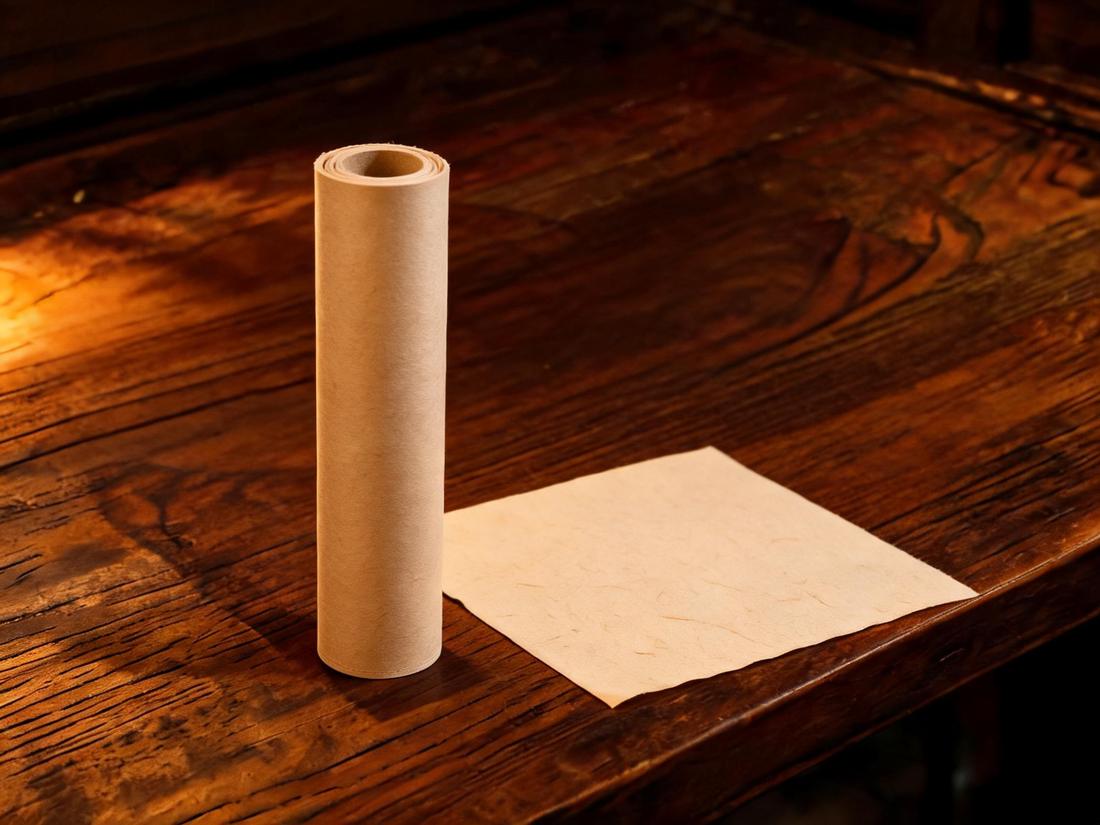
For continuous or custom-width supply, the Xuan Paper Roll program accepts widths from 30 cm to 150 cm in roll lengths of 10, 20 or 50 metres, with the 50-roll minimum met by mixing standard widths in one order. The logistics side of roll supply — ordering, cutting and storage — is covered separately in Xuan Paper Roll Format for Distributors.
Send sheet size, thickness expectations, quantity and destination port to the Gumo Craftworks team, and the reply will include a sample plan built to fix the thick rice paper specification on paper before any production run begins.