
A format-level buying guide for art retailers adding drawing ink to the shelf: when bottled liquid ink fits pen-and-ink workflows, when ink sticks suit tone-based sketching, how each pairs with raw or treated Xuan paper, and how to compose and display a starter set.
Buying guide for art retailers
Ink drawing supplies rarely belong in the calligraphy aisle alone. Pen-and-ink sketchers, urban draughtsmen and tone-based sketchbook artists buy ink in formats that behave differently on paper — and the format you stock decides which of those customers you can serve. This guide compares bottled liquid ink and ink sticks for drawing use, pairs each with the right paper, and shows how to compose a starter set that reads clearly on the shelf.
Key takeaways
- Bottled ink wins on workflow speed: open, load, draw. Ink sticks win on tone control, because the artist builds density on the stone.
- Raw Xuan paper suits expressive pen-and-wash work; treated Xuan paper suits fine-line and detailed drawing.
- A starter set needs one liquid ink, one stick with a small stone, and paper the buyer can actually try.
- Ask your supplier for waterproof and rewet behaviour data per SKU before printing any performance claim on the shelf.
Why the calligraphy shelf is not enough
Calligraphy buyers arrive knowing what they want: a brush, a stick or a bottle, and paper with familiar behaviour. Drawing buyers arrive with a different question — can this ink hold a line, build a grey, and survive the way I work? A retailer who stocks only brush-grade formats loses the pen-and-ink customer to the fine-art supplier across town.
Drawing-oriented ink is not a separate chemistry. It is the same soot-and-binder craft applied to a different workflow, and most of the selection decision comes down to three things: how the artist loads the tool, how they control value, and what paper sits underneath. For format depth, sizes and wholesale ordering checks, see our bottled ink formats and ordering guide and the ink stick buyer's guide; this article stays on the drawing use case.
Bottled ink and ink sticks: a format comparison for drawing
The comparison below is about workflow and use case, not about quality tiers. Both formats can produce a drawing-grade line; they ask different things of the artist and of your shelf.
| Criterion | Bottled liquid ink | Ink stick (ground on a stone) |
|---|---|---|
| Workflow | Open the bottle, load a pen, nib or brush, draw. No preparation step. | Grind the stick on an inkstone with water to the required concentration, then load the tool. |
| Tone control | Density is set by the bottle; artists vary tone mainly by dilution and layering. | Density is built during grinding, so the artist can move from pale wash to deep black in the same session. |
| Equipment needed | Bottle and drawing tool. Minimum kit footprint. | Stick, inkstone and water. More components, and the stone is a repeat purchase category of its own. |
| Best-fit end use | Line work, illustration, sketchbook sessions, teaching environments where setup time matters. | Tone-based sketching, value studies and slower studio work where the artist wants to modulate black deliberately. |
| Role in an entry set | Anchors the set: immediate usable result on the first purchase. | Adds a second technique and a step-up purchase for returning customers. |
Bottled ink for drawing workflows
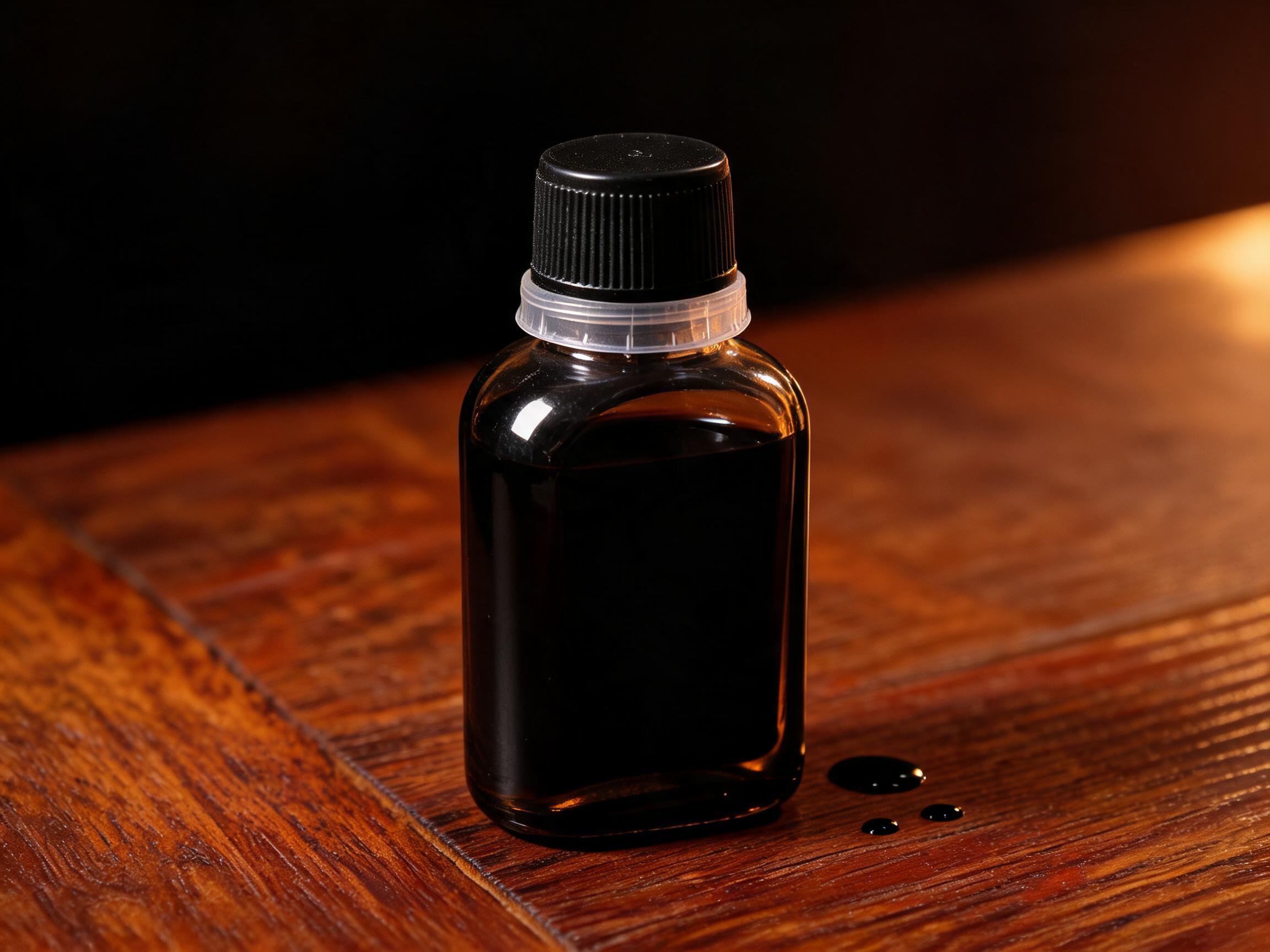
Liquid ink suits the artist who arrives with a pen and wants to start. Our Premium Bottled Calligraphy Liquid Ink is specified with consistent density and smooth flow, which is what a drawing buyer actually needs from a bottle: the same line at the top and bottom of the page, and no clogging mid-stroke. It is supplied for studios, schools and distributors — a fit for retailers whose drawing ink buyer is often a classroom or a workshop leader buying for a group.
For the deep-black end of the range, the Concentrated Matte Black Liquid Ink carries an archival quality claim in its product summary and a deep, consistent matte tone aimed at professional artists. Matte black matters in drawing because gloss changes how a line reads under gallery or studio lighting; a matte surface photographs and scans closer to how the artist sees the page.
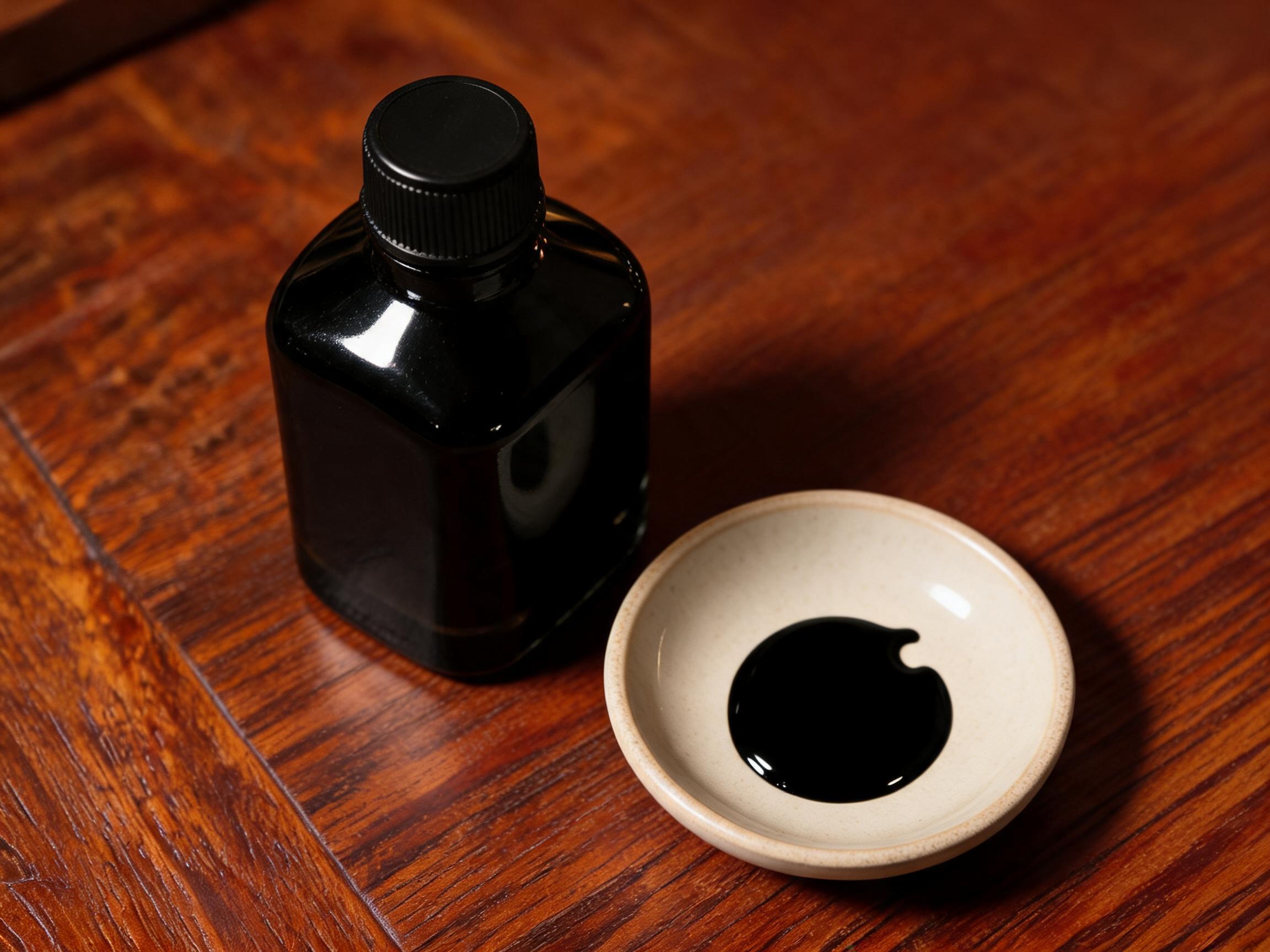
Where the drawing buyer is a school or a stationery chain rather than a fine-art specialist, the Student-Grade Liquid Ink offers smooth flow and sediment-free behaviour — sediment being the usual complaint when a bottle sits on a shelf between terms.
Colour as a drawing range, not a decoration
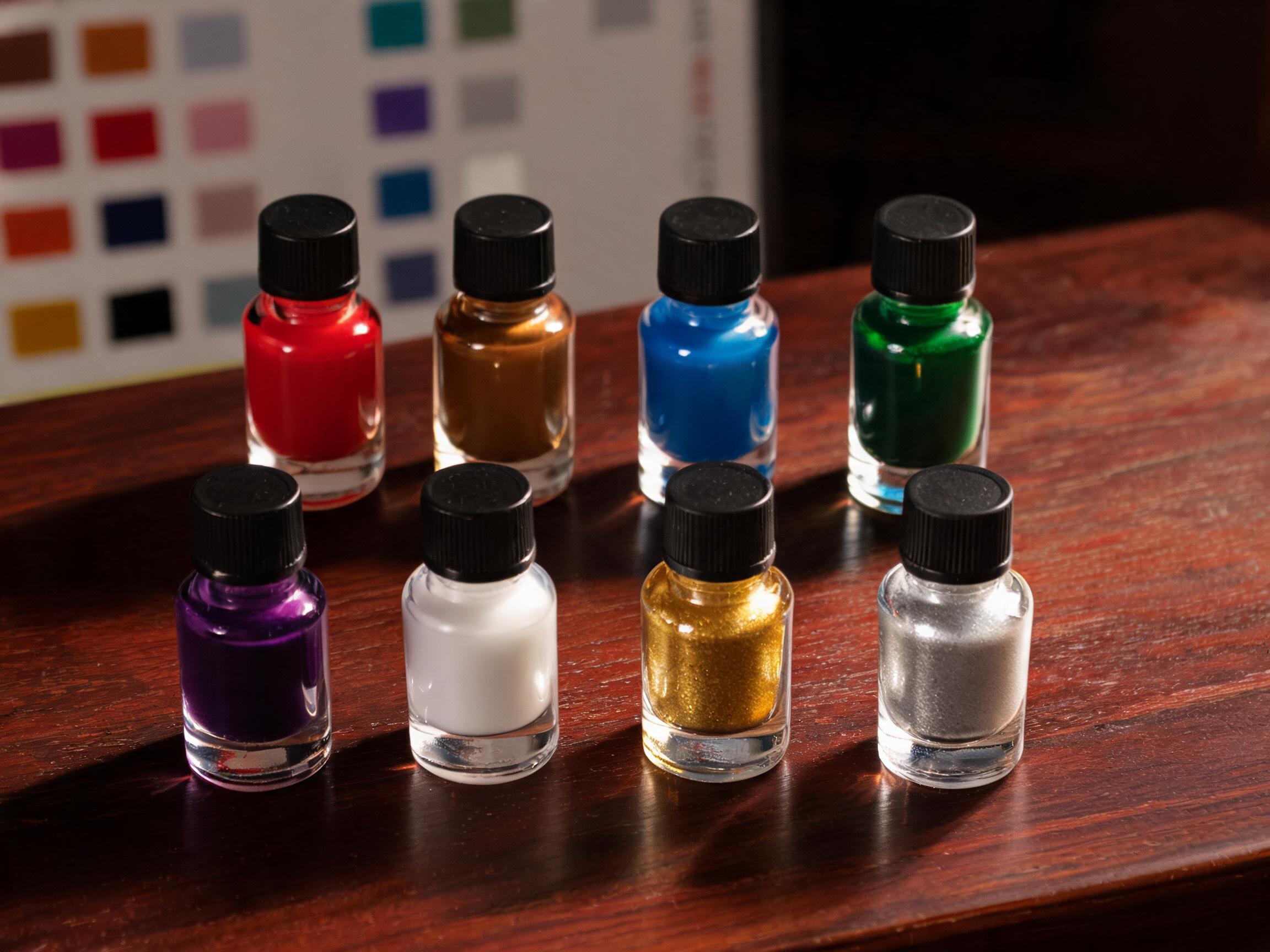
Colour in drawing ink is usually a secondary purchase, but it is the one that turns a line drawing into a finished piece. The Colored Liquid Ink Set is an eight-colour set with mineral-based pigments and tested lightfastness. For a retailer, tested lightfastness is the single most useful thing you can put on the label for a customer who sells framed work.
Ink sticks for tone-based sketching
The ink stick is the format drawing buyers most often overlook, and the one that answers a problem liquid ink cannot. An artist working in tone — building a sky, a shadow, a fold of cloth — needs to move continuously between pale and deep black in one passage. Grinding lets them control that. Our Oil Soot Hui Ink Stick Classic uses oil soot with a natural binder, is supplied in 30 g to 150 g sticks with an MOQ of 50 pcs, and gives a rich, glossy black tone. The range of stick weights is useful on the shelf: the small stick is the trial purchase, the larger one the committed buyer's restock.
The Premium Pine Soot Hui Ink Stick sits at the other end of the assortment. Hand-crafted pine soot with gold-filled calligraphy patterns, it is positioned for collectors and cultural gift distributors rather than the working sketchbook artist. Stock it as a gift and presentation line, and keep it visually separate from the drawing section so the two buyer types do not confuse each other.
The Colored Hui Ink Stick Set covers five colours — vermillion, ochre, azure, white and yellow — with mineral pigments and tested lightfastness grade 4+. For a drawing customer working in traditional colour, this is the format that lets them control pigment load the same way they control black.
Paper pairing: the decision that changes the drawing
Ink behaviour on paper is where most drawing complaints originate. Two papers cover the two main drawing approaches, and retailers who stock both can answer the question instead of losing the sale.
- Raw Xuan Paper is made from traditional bark fibre with controlled ink bleed. The bleed is the point: it supports expressive pen-and-wash work where the artist wants the ink to move slightly into the fibre.
- Treated Xuan Paper for Gongbi has controlled sizing, even ink resistance and a smooth surface. That combination suits fine-line and detailed work, where a spreading edge would destroy the drawing.
Match the paper to the format when you write the shelf card: raw paper with the brush-and-wash bottles, treated paper with the fine-line and pen work. The pairing is more useful to a drawing customer than any general statement about ink quality.
Composing a starter set that sells
A drawing starter set should let the buyer complete a first drawing at home without a second trip. Three components do that: a bottle, a stick with a small stone, and a paper sampler.
- One liquid ink — the immediate, usable entry point. Premium Bottled for the studio buyer, Student-Grade for the education channel.
- One ink stick plus a small inkstone — introduces tone control and creates the step-up purchase. The 30 g Oil Soot stick suits a trial set.
- Two paper samples — a sheet of raw and a sheet of treated Xuan, so the buyer experiences the difference rather than reading about it.
- An eight-colour set as an add-on, not a set inclusion, so the base price stays accessible.
On display, separate the formats physically. Bottles belong at eye level with a loaded pen or a sample line card beside them; sticks belong with the stone and a printed tone strip showing pale to deep black. A colour chart next to the eight-colour set lets a buyer judge hue without opening stock. Keep the gift-grade pine soot stick away from this section entirely.
If you are building a broader ink-wash programme rather than a drawing section, our dealer stocking programme article covers assortment breadth and replenishment; this guide stays on format choice for drawing buyers.
Verification checklist before you list a claim
Drawing customers ask two performance questions more than any other: will the line survive water, and will the colour fade. Our product records support tested lightfastness wording on the coloured ranges. They do not support a waterproof or water-resistant claim on any SKU, so keep that off the shelf card until you have data.
- Request waterproof and rewet behaviour test data per SKU from your supplier before printing any water-resistance claim.
- Use only the exact lightfastness wording on record — “tested lightfastness” and, for the coloured stick set, grade 4+ — and do not extend it to other SKUs.
- Confirm the archival claim wording applies to the specific bottle you stock, not to the range as a whole.
- Check the stick weight and MOQ against your opening order before committing to a set size.
- Ask for the recommended paper pairing per format so the shelf card is accurate.
FAQ
Can a drawing customer use bottled calligraphy ink for pen work?
Yes. The format distinction is about workflow, not about a calligraphy-only chemistry. Consistent density and smooth flow are the properties that matter for a pen or nib, and both are specified on the Premium Bottled Liquid Ink.
Is an ink stick worth stocking if most of my customers draw with pens?
It serves a different buyer — the tone-based sketcher — and adds a step-up purchase for customers who start with a bottle. If your drawing section has no stick at all, that buyer has nowhere to go in your store.
Which paper should I recommend first?
Raw Xuan for expressive pen-and-wash work, treated Xuan for fine-line and detailed drawing. Stocking a sampler of both is the fastest way to let the customer decide.
Do you supply these formats for private-label or bulk programmes?
Guangdong Gumo Crafts Technology Co., Ltd. has manufactured ink since 2011, covering soot refining, glue blending, mold pressing and shade drying, and supplies OEM and bulk export orders.