

A four-line stocking framework for ink wash supplies: ink sticks vs liquid ink, raw vs treated Xuan paper, inkstones, and brushes. Learn how to allocate inventory across beginner, studio, and collector tiers, and how starter kits and bulk procurement fit into a balanced dealer assortment.
Dealer Stocking Guide
Ink wash painting, also known as sumi-e or Chinese brush painting, attracts a dedicated customer base across Central and Eastern Europe, the Americas' Chinese communities, Southeast Asia, and gift and collector channels. For art-supply dealers and distributors, the category presents a specific challenge: the product range is narrow compared with general art materials, yet the variation within each line—ink, paper, inkstones, brushes—is significant. A dealer who stocks too broadly risks slow-moving inventory; a dealer who stocks too narrowly loses the studio and collector customers who buy repeatedly.
This article sets out a four-line stocking framework for ink wash painting supplies. It is built around the decisions that actually move inventory: ink sticks versus liquid ink, raw versus treated Xuan paper, inkstone quality, and brush selection. For each line, we show how to allocate stock across beginner, studio, and collector tiers, and how starter kits and bulk procurement fit into a balanced assortment. The product examples come from an existing catalog and are used to illustrate how the framework applies in practice.
Key Takeaways
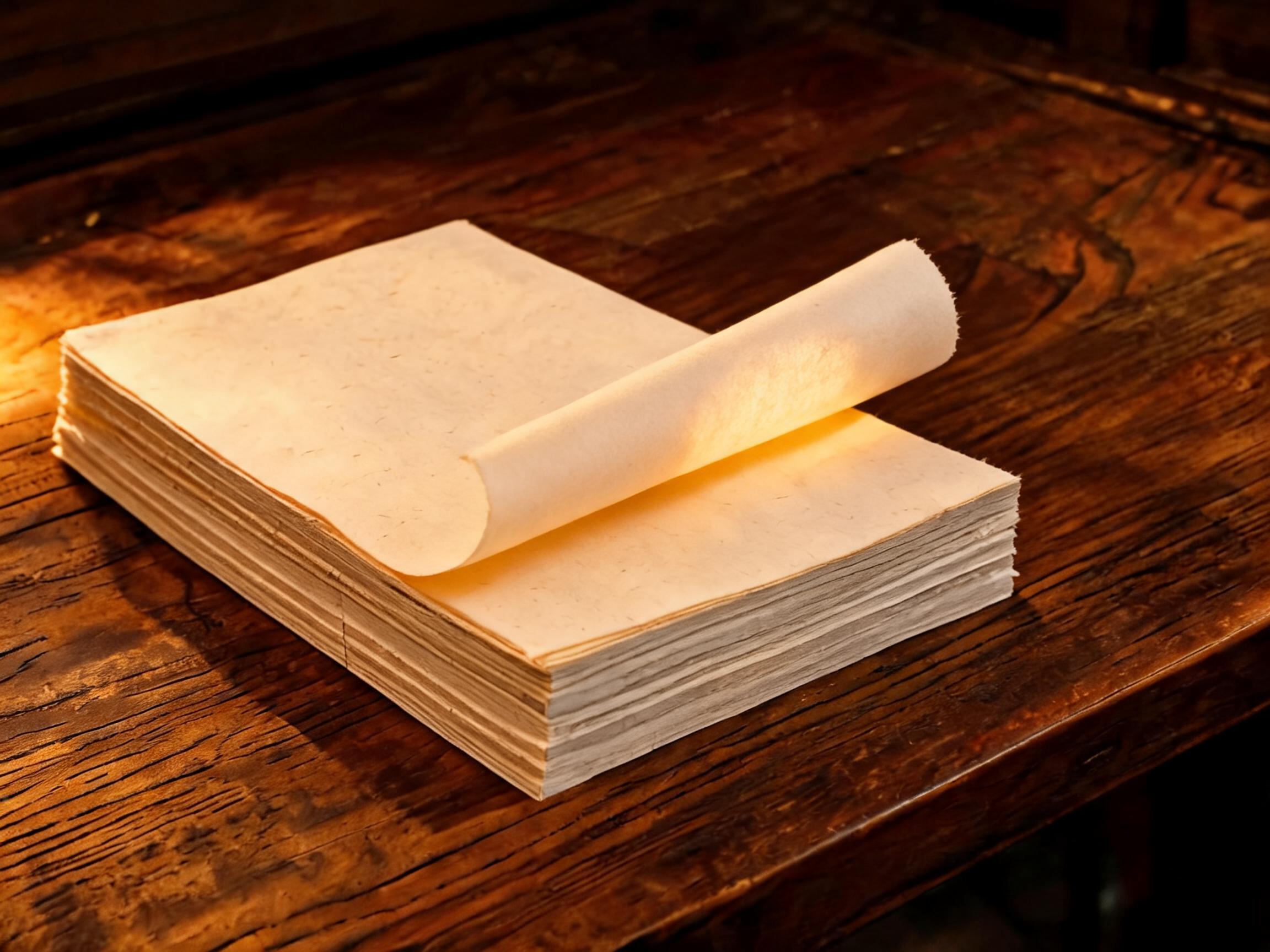
- Four-line framework: ink, paper, inkstones, and brushes—each with beginner, studio, and collector tiers.
- Ink: Stock liquid ink for volume and ink sticks for higher-value sales; the split depends on your mix of school and retail accounts.
- Paper: Raw Xuan serves professional studios; treated Xuan serves beginners and practice work.
- Inkstones: A practice-grade stone is the volume seller; reserve finer stones for collectors.
- Brushes: Offer a graded range from beginner to professional; brush quality is a key driver of repeat purchase.
- Starter kits reduce the barrier for new customers; bulk ink in 1L and 5L containers serves schools and institutions.
Contents
The Four-Line Stocking Framework
The framework is simple: stock four product lines, and within each line, carry product grades that map to three customer tiers—beginner, studio, and collector. The tiers are not about price alone; they reflect how the customer uses the material. Beginners need forgiving materials that produce acceptable results with limited technique. Studios need consistent, controllable materials that support daily practice and commissioned work. Collectors and advanced practitioners look for materials with specific traditional characteristics and are less price-sensitive.
For a dealer, the value of this framework is that it prevents two common errors: overstocking high-end items that sit on the shelf, and understocking the workhorse items that generate repeat orders. The sections below explain what to stock in each line and why.
Line 1: Ink — Sticks vs Liquid
Ink is the most fundamental consumable in ink wash painting. Dealers face a clear choice: stock ink sticks, liquid ink, or both. The answer depends on your customer mix.
Ink sticks
Ink sticks are the traditional format. They are ground on an inkstone with water, giving the artist control over ink density and texture. For schools and educational distributors, an affordable pine-soot Hui ink stick is a practical entry point. The Student Practice Hui Ink Stick is positioned for calligraphy schools and educational distributors—customers who need a reliable, low-cost stick that students can learn with. For a dealer, this is a volume item in the beginner tier, but it also serves studios that prefer the ritual and control of grinding ink.
Collectors and advanced practitioners may seek ink sticks with specific characteristics—older pine soot, particular workshops, or presentation-quality sticks. These are lower-volume, higher-margin items. Stock a small selection and reorder only against confirmed demand.
Liquid ink
Liquid ink is ready to use and suits high-volume environments: art schools, institutions, and workshops where students need to cover paper quickly without the step of grinding. The Bulk Calligraphy Liquid Ink is supplied in 1L and 5L containers, making it a natural fit for art schools and institutions. For dealers, liquid ink is a bulk procurement line—it moves in larger quantities and appeals to institutional buyers who prioritize convenience and cost per session over traditional preparation.
Stocking decision: If your accounts are mainly schools and institutions, weight your ink inventory toward liquid ink in 1L and 5L formats. If you serve retail art-supply customers and studios, carry both: liquid ink for convenience and ink sticks for customers who want traditional control. A small collector selection of finer ink sticks rounds out the line.
Line 2: Paper — Raw vs Treated Xuan
Paper choice affects ink absorption, bleed, and the final look of a painting. The key distinction for dealers is between raw (un-sized) Xuan paper and treated (sized) Xuan paper.
Raw Xuan paper
Raw Xuan is absorbent and allows ink to spread in a controlled way. It is the paper of choice for professional studios and artists who want expressive ink bleed and are skilled enough to manage it. The Raw Xuan Paper Professional is made from traditional bark fiber with controlled ink bleed, designed for professional studios. For dealers, this is a studio-tier product: it sells to practicing artists and advanced students, and it is less suitable for absolute beginners who may struggle with the absorbency.
Treated Xuan paper
Treated Xuan paper has a sizing that reduces absorbency, making it more forgiving for beginners and practice work. It allows the painter to lay down a stroke and correct or layer without the ink spreading uncontrollably. For dealers, treated Xuan is a beginner-tier staple—stock it for schools, workshops, and retail customers who are just starting. It also serves studios for sketching and studies.
Stocking decision: Carry both raw and treated Xuan. Raw Xuan is the professional standard and a required line for any dealer serious about ink wash supplies. Treated Xuan broadens your customer base to beginners and educational buyers. If you must choose one for a limited initial order, match it to your dominant customer: raw for studio-heavy accounts, treated for school-heavy accounts.
Line 3: Inkstones
Inkstones are used to grind ink sticks. They are a durable good, not a consumable, so they turn over more slowly than ink or paper. For dealers, the key is to stock a reliable practice-grade stone and a small selection of finer stones for collectors.
The Practice Inkstone is an affordable option with a consistent grinding surface, designed for schools. This is the volume inkstone for beginner and educational tiers. It pairs naturally with the Student Practice Hui Ink Stick: a dealer can offer a complete beginner grinding setup.
Collector-tier inkstones are a different proposition. These are often valued for stone type, carving, and craftsmanship. They are slow-moving, high-margin items. Stock a small, curated selection and avoid deep inventory unless you have confirmed collector demand.
Stocking decision: Anchor your inkstone inventory with a practice-grade stone for schools and beginners. Add a limited collector selection only if your customer base includes advanced practitioners or gift buyers. Because inkstones are durable, reorder based on sell-through rather than maintaining high stock levels.
Line 4: Brushes
Brushes are the most personal tool in ink wash painting. Artists have strong preferences for hair type, tip shape, and handle length. For dealers, brushes are a core line that drives repeat visits—painters replace worn brushes and add new shapes as their practice evolves.
Stock a graded range across the three tiers:
- Beginner: Economical brushes in common shapes (e.g., a medium brush for line work and a broader brush for washes). These should be reliable enough to hold a point and retain ink, but priced to encourage trial.
- Studio: Mid-range brushes with better hair quality and consistency. These are the daily workhorses for practicing artists and advanced students.
- Collector: Professional-grade brushes, including specialty shapes. These are lower-volume but essential for credibility with serious painters.
Stocking decision: Treat brushes as a breadth line—carry enough variety to cover different painting styles and customer preferences. Do not over-invest in any single brush type until you see sell-through data. Because brushes are lightweight and compact, they are easy to stock in depth without taking up much shelf space.
Mapping the Framework to Customer Tiers
The table below summarizes how each line serves the three customer tiers. Use it as a quick reference when building your initial assortment or reviewing stock levels.
| Product Line | Beginner Tier | Studio Tier | Collector Tier |
|---|---|---|---|
| Ink | Student Practice Hui Ink Stick; small liquid ink bottles | Bulk liquid ink (1L, 5L); mid-range ink sticks | Finer ink sticks (small selection) |
| Paper | Treated Xuan; practice pads | Raw Xuan Paper Professional | Specialty or aged papers (limited stock) |
| Inkstones | Practice Inkstone | Mid-grade inkstone | Carved or collector-grade stone (limited) |
| Brushes | Economical range in common shapes | Mid-range brushes for daily use | Professional-grade and specialty brushes |
Starter Kits and Bulk Procurement
Two procurement angles deserve separate attention because they serve different customer needs and have different inventory implications.
Starter kits
The Calligraphy Starter Kit Set is a beginner kit with quality-graded components and an illustrated usage guide. For dealers, starter kits serve two purposes: they lower the barrier for new customers who are unsure what to buy, and they provide a ready-made gift or introductory product for retail channels. Kits are particularly useful in markets where ink wash painting is a niche interest—they let a retailer offer a complete entry point without assembling individual components.
Stock starter kits in moderate depth for beginner-tier demand. They are also a natural fit for gift and collector channels, where a well-presented kit can attract buyers who are curious but not yet committed.
Bulk procurement
Bulk ink in 1L and 5L containers is a distinct procurement line. Institutional buyers—art schools, community workshops, and cultural centers—need larger volumes and prefer to order in bulk to reduce per-session cost and handling. For dealers, bulk liquid ink is a way to serve institutional accounts without tying up capital in slow-moving retail packaging. If you have school or institutional customers, include bulk liquid ink in your regular procurement cycle.
Reorder Logic and Inventory Balance
Ink wash supplies have different turnover rates, and your reorder logic should reflect that. Consumables—ink and paper—move fastest and should be monitored closely. Durable goods—inkstones and brushes—turn over more slowly and should be ordered in smaller quantities unless you have confirmed demand.
A practical approach is to classify each SKU by tier and type:
- Fast-moving consumables (ink, paper): Reorder when stock falls below a set threshold. Keep safety stock for your best-selling items, especially practice-grade paper and liquid ink for schools.
- Core durables (practice inkstone, mid-range brushes): Reorder based on sell-through trends. Maintain modest stock levels and avoid over-ordering.
- Collector and specialty items: Order only against confirmed demand or for display and credibility. Do not hold deep inventory.
Also consider seasonality. In many markets, demand for beginner supplies rises before the school year and around gift-giving seasons. Plan bulk ink and starter kit orders ahead of these periods.
FAQ
Should I stock both ink sticks and liquid ink?
Yes, if you serve a mix of retail and institutional customers. Liquid ink in 1L and 5L containers serves schools and high-volume users; ink sticks serve retail customers and studios who want traditional control. If your accounts are almost entirely institutional, you can weight toward liquid ink and carry a smaller selection of ink sticks.
How much raw Xuan paper should I stock compared with treated Xuan?
Raw Xuan is the professional standard and should be part of any serious ink wash assortment. Treated Xuan broadens your appeal to beginners. If your customer base is studio-heavy, stock more raw; if it is school-heavy, stock more treated. Many dealers carry both and adjust based on sell-through.
Are inkstones a good inventory item for dealers?
Inkstones are durable goods, so they turn over more slowly than ink or paper. A practice-grade inkstone for schools and beginners is a reliable volume item. Collector-grade stones should be stocked sparingly unless you have confirmed demand.
What is the advantage of starter kits for a dealer?
Starter kits lower the barrier for new customers and provide a complete entry point without requiring the buyer to assemble components. They are useful in markets where ink wash painting is a niche interest and for gift channels.
How should I handle bulk ink procurement?
Bulk liquid ink in 1L and 5L containers is designed for art schools and institutions. If you have institutional accounts, include bulk ink in your regular procurement cycle and plan orders around the school calendar.
How do I turn this framework into a first order?
Start from your customer mix and request quotations against the product pages linked above: starter kits for retail and gift entry points, practice-grade inkstones and student ink sticks for school-heavy accounts, professional raw Xuan for studio-heavy accounts, and bulk liquid ink in 1L and 5L formats for institutional programmes. Confirm packing details and minimum order terms with the factory in writing before committing quantities.