A practical procurement guide for gift distributors and corporate event buyers in the Middle East, Central and Eastern Europe, and overseas Chinese communities. Covers the 4-component set composition, private-label packaging options, gifting scenarios, QC and documentation, MOQ and lead time, spare components policy, and how to evaluate a supplier for seal carving gift set wholesale.
BUYER GUIDE — CULTURAL GIFT CHANNELS
Wholesale Guide to China Seal Carving Gift Sets for Cultural Gift Channels
Seal carving gift sets sit in a narrow product niche: they are not mass-market souvenirs, nor are they fine art. They are functional cultural objects—a working seal, a pot of vermilion ink paste, a carving knife, and a presentation box—that carry meaning for collectors, religious venues, and corporate gift programs alike.
For a gift distributor or event buyer, the question is not whether the product has appeal. It is whether a supplier can deliver a consistent, well-packaged, correctly documented set at a workable MOQ and lead time. This guide covers exactly that: what is in the box, how packaging and branding work, where the product sells, and what to check before you place a wholesale order.
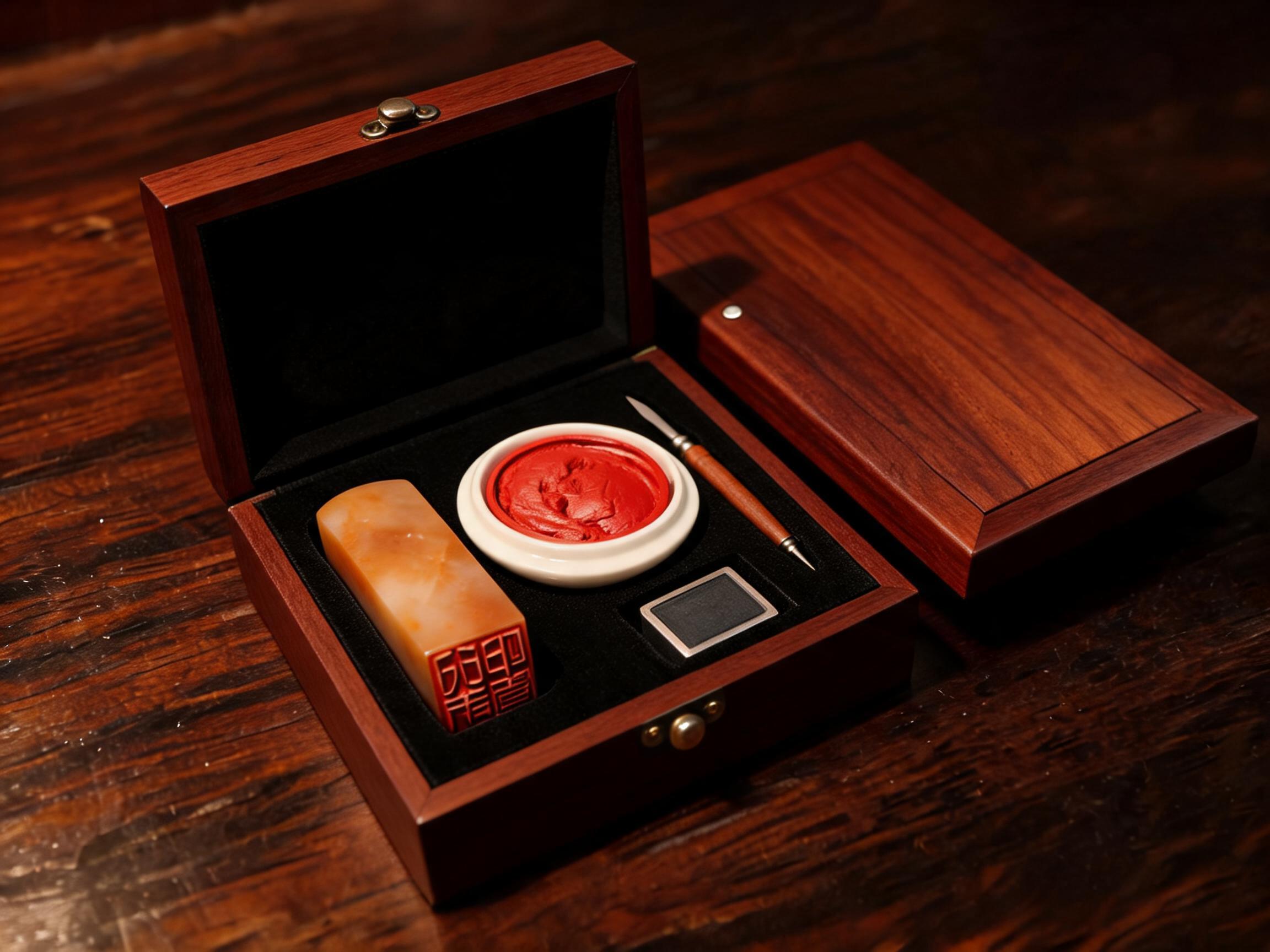
• A standard set has 4 components: seal stone, vermilion ink paste, carving knife, ink pad.
• Private-label branding is available; packaging language can be localized for your market.
• MOQ is 50 sets; lead time is 35–50 days after sample approval.
• Orders of 100+ sets qualify for spare components—ask for the policy in writing.
• Set-level QC includes component matching documentation; request a sample of the QC report before bulk production.
What Exactly Is in a Seal Carving Gift Set?
The 4-component composition is the industry standard for a reason: it makes the set usable immediately, not just displayable. Here is what a typical wholesale set contains and why each piece matters.
| Component | Function | What to Check |
|---|---|---|
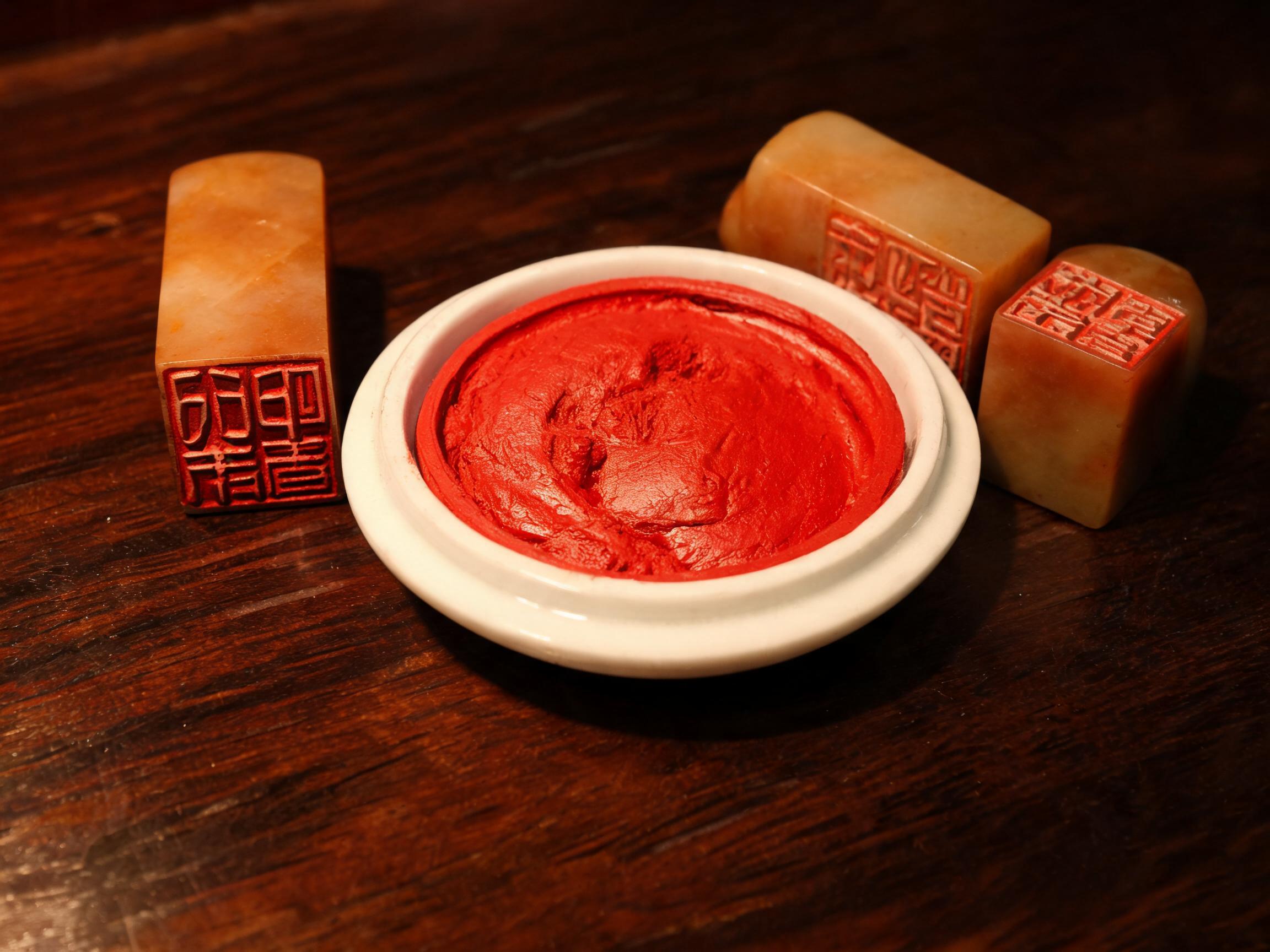
| Seal stone | The blank surface for carving; the centerpiece of the set | Stone type (e.g., Shoushan), size consistency, surface finish, cracks or blemishes |
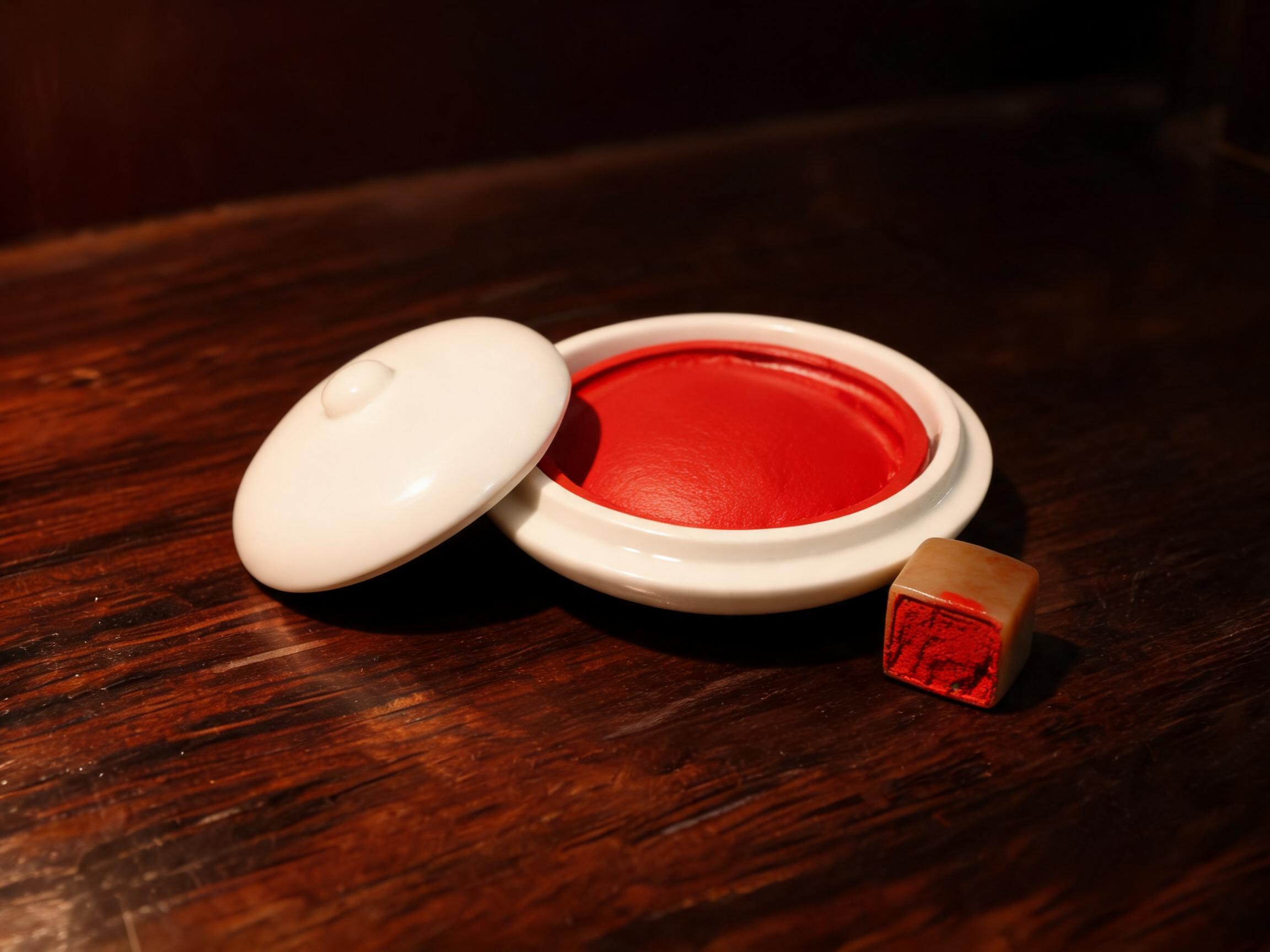
| Vermilion ink paste | Applied to the carved seal face for stamping | Color consistency, oil content, container sealing, shelf life |
| Carving knife | Tool for engraving the stone; also a display piece | Blade material, handle finish, whether it is functional or decorative |
| Ink pad | Surface for spreading the paste evenly before stamping | Pad material, size relative to the seal face, whether it is replaceable |
The composition is not arbitrary. A buyer sourcing for a religious venue or a collector expects the set to be complete—missing any component makes the gift feel unfinished. When evaluating a supplier, confirm that all four components are included in the quoted unit price and that the components are matched by design (e.g., stone color coordinates with the box lining and the knife handle).
For reference, suppliers typically offer the seal stone and ink paste as standalone products as well. Our Premium Shoushan Seal Stone and Vermilion Ink Paste pages show the component-level specs you should expect to see documented.
Packaging: Magnetic-Closure Box and Private-Label Branding
The presentation box is where a seal carving gift set either lands a sale or loses it. The standard for cultural gift channels is a magnetic-closure box—it opens cleanly, closes securely, and reads as premium without excessive cost.
Two packaging decisions matter most for wholesale buyers:
1. Private-label branding. Your logo, your brand name, or a client's logo can be applied to the box lid, the inner lining, and the certificate or insert card. Confirm the printing method (foil stamping, embossing, or digital print) and the minimum order for branded packaging—it may differ from the set MOQ.
2. Custom packaging language. If you are selling into the Middle East, Central and Eastern Europe, or overseas Chinese communities, the box text, instruction card, and any certification text should be localized. This is not just about translation; it is about cultural appropriateness. A religious venue in one market may expect certain phrasing; a corporate gift program may require bilingual text (e.g., English plus the local language). Ask your supplier whether they can handle multi-language inserts and whether the layout adjusts for right-to-left scripts where relevant.
Gifting Scenarios: Where Seal Carving Sets Actually Sell
Understanding the end-use scenarios helps you position the product correctly and choose the right packaging and component mix.
Religious Venues
Temples, monasteries, and cultural heritage sites purchase seal carving sets for ceremonial use or as commemorative gifts for donors and visiting dignitaries. The seal is often used to stamp certificates, blessings, or dedication documents. For this channel, the vermilion ink paste quality matters most—it must be the correct shade of red and have the right oil consistency for clear, even stamping.
Collectors
Collectors are the most demanding segment. They care about the stone type, the carving finish, and the provenance of the set. A collector-grade set should include a certificate or a card noting the stone type and any carving details. The Custom Carved Name Seal option is relevant here—some buyers order sets where the seal is pre-carved with a name or a specific character.
Corporate Gift Programs
Corporations use seal carving sets as high-end gifts for clients, partners, and retiring executives. The emphasis here is on branding and presentation. The box should carry the company logo cleanly, and the set should feel substantial when handed over. For corporate programs, consistency across bulk orders is critical—every set in a batch must look identical.
Set-Level QC and Component Matching Documentation
This is the point where many wholesale buyers get burned. A supplier might show you a beautiful sample, but what arrives in bulk can differ in stone color, paste consistency, or box finish.
Set-level QC means the supplier inspects each complete set as a unit, not just individual components. The key deliverable is component matching documentation—a record that shows, for each set, the stone, paste, knife, pad, and box are matched and verified.
What to ask for:
- A sample QC report from a recent production batch
- The inspection criteria for each component (e.g., stone size tolerance, paste color standard, box closure alignment)
- Whether the QC is done in-house or by a third-party inspector
- What happens to sets that fail QC (are they reworked, discounted, or scrapped?)
For orders of 100+ sets, confirm the spare components policy. This typically means the supplier includes extra stones, paste pots, or knives to cover breakage or loss during transit. The policy should specify how many spares per 100 sets and whether they are included in the unit price or billed separately.
MOQ, Lead Time, and Order Process
Two numbers matter most for planning: MOQ and lead time.
- MOQ: 50 sets. This is a low enough threshold for testing a new market or a pilot corporate program, but high enough that the supplier can maintain consistent quality.
- Lead time: 35–50 days after sample approval. The variance depends on packaging complexity, branding requirements, and current production load. Sample approval is the starting point—do not count the lead time from the date you place the order; count it from the day the supplier confirms the sample.
A typical order flow:
- Inquiry and spec confirmation — you share your target market, packaging needs, and quantity.
- Sample production and approval — the supplier produces a pre-production sample for your sign-off.
- Bulk production — runs 35–50 days from sample approval.
- QC and documentation — the supplier provides set-level QC reports and component matching docs.
- Shipping — confirm Incoterms and port of loading with your logistics partner.
How to Evaluate a Seal Carving Gift Set Supplier
Use this checklist when comparing suppliers. It applies whether you are sourcing for the Middle East, Central and Eastern Europe, or overseas Chinese communities.
| Evaluation Criterion | What to Verify |
|---|---|
| Component quality | Stone type and finish; paste color and consistency; knife material; pad size and durability |
| Packaging capability | Magnetic-closure box quality; private-label printing; multi-language insert production |
| QC process | Set-level inspection; component matching documentation; sample QC report availability |
| Order terms | MOQ (50 sets); lead time (35–50 days post sample approval); spare components for 100+ sets |
| Customization depth | Custom carved seals; stone type selection; packaging language localization |
Frequently Asked Questions
Q: Can I order fewer than 50 sets for a pilot program? A: The standard MOQ is 50 sets. For smaller quantities, discuss with the supplier—some may accommodate a smaller pilot order at a higher unit price, but this is not guaranteed.
Q: How does the spare components policy work for 100+ set orders? A: The policy typically adds extra stones, paste pots, or knives to cover transit damage or breakage. The exact ratio per 100 sets should be confirmed in writing before you place the order.
Q: Can the packaging text be in Arabic or a Central European language? A: Multi-language packaging is possible, but it affects lead time and may have a minimum order requirement. Confirm the language and script with the supplier before sample production.
Q: What documentation do I get with each order? A: At minimum, a packing list and commercial invoice. For set-level QC, request the component matching documentation and any inspection reports. These can be provided in English.
Q: Can the seal be pre-carved with a name or logo? A: Yes, custom carved seals are available. See the Custom Carved Name Seal page for the range of customization options.
Next Steps for Buyers
The seal carving gift set is a proven product for cultural gift channels, but the difference between a successful program and a problematic one comes down to supplier capability: component quality, packaging execution, QC rigor, and clear order terms.
Before you place an order, do three things:
- Request a sample set and evaluate all four components against the criteria in this guide.
- Ask for a sample QC report and the component matching documentation format.
- Get the spare components policy and lead time in writing for your target order quantity.
If you are evaluating a supplier for China seal carving gift set wholesale, start the conversation with your target market, your packaging needs, and your order quantity. That gives the supplier enough information to quote accurately and set realistic expectations.
View Seal Carving Gift Set Product Details