
A practical guide for collectors and premium gift buyers sourcing vintage-style Chinese calligraphy brushes wholesale. Covers aged-finish craft, authentication checkpoints, and a pre-order inspection checklist.
BUYER GUIDE
When you search for a vintage chinese calligraphy brush or an antique chinese calligraphy brush, you are usually not looking for a daily-use tool. You are sourcing an object with character—something that carries the visual weight of age, a piece that can anchor a collector's display or elevate a premium gift box. The challenge for a wholesale buyer is that "vintage-style" and "antique" are descriptive terms, not quality standards. Two brushes can look similar in a photo and be entirely different in what they are made of, how they were finished, and how they will behave on paper.
This guide is written for collectors and premium gift buyers who need to verify what they are ordering before committing to a wholesale quantity. It focuses on three areas: understanding what "vintage-style" actually means in production, the authentication checkpoints that separate a deliberate aged finish from a cheap imitation, and a practical inspection checklist you can use with your supplier before placing an order.
Key takeaways for wholesale buyers:
- Vintage-style is a finish and design choice, not a claim of age. Verify the craft details that create the aged look.
- Authentication starts with materials and construction, not with the patina. Check the hair, the handle, and the ferrule first.
- Use a documented approval process with your supplier. Sample photos, spec sheets, and approval records protect both sides.
- Ask about inline quality control at each production stage, from material selection to final finish grading.
What "Vintage-Style" Means in Production
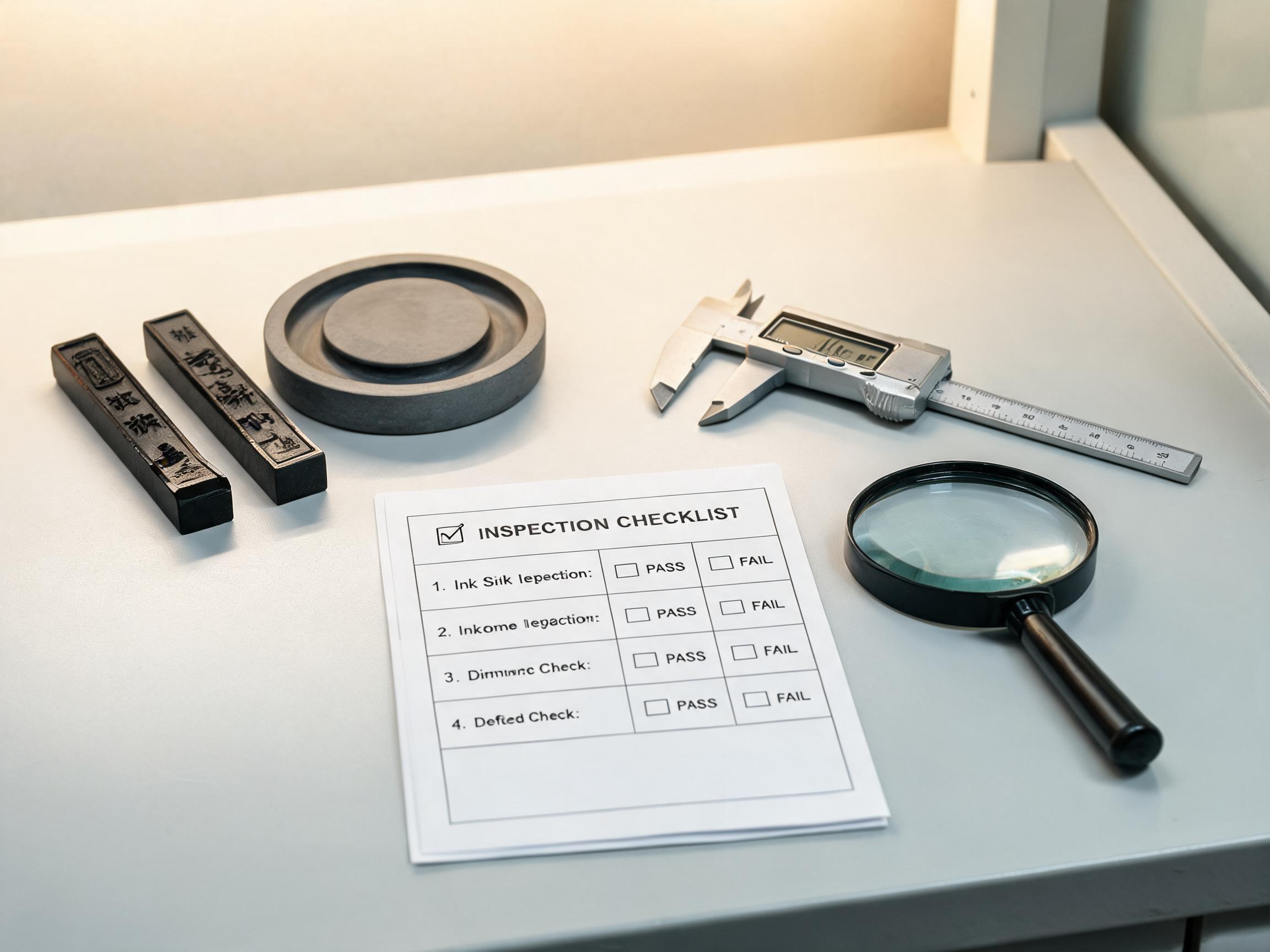
The first thing to clarify with any supplier is what their production line means by "vintage-style" or "antique". In most workshops, this refers to a deliberate set of choices in materials and finishing that mimic the look of brushes from earlier eras. It does not mean the brush is old, and it should not be marketed as an antique with a specific age. A reputable supplier will be transparent about this distinction.
Common elements in a vintage-style brush include:
- Handle material and finish: Aged-looking bamboo, dark woods, or bone-inlay styles with a matte or worn finish rather than a high-gloss lacquer.
- Ferrule construction: Brass or copper ferrules that may be darkened, oxidized, or left unpolished to suggest age.
- Hair blend: A mix of hairs that mimics the resilience and feel of older brush formulas, often with a slightly uneven dye or natural color variation.
- Carving and details: Hand-carved or pressed patterns on the handle that reference traditional motifs, sometimes with a rubbed-in pigment to highlight the engraving.
When you are sourcing a vintage chinese calligraphy brush for a collector, the finish is the first thing they will notice. But the finish is also the easiest thing to fake. A photo can show a beautiful aged handle, but it cannot tell you whether the ferrule is solid brass or painted plastic, or whether the hair is genuine wolf hair or a synthetic blend. That is why your verification process must go deeper than the visual.
Authentication Checkpoints for Vintage-Style Brushes
Authentication for a vintage-style brush is not about proving it is old. It is about verifying that the materials and construction match what the supplier claims. For a collector, the value is in the authenticity of the craft. For a gift buyer, it is in the quality that justifies the premium price. The following checkpoints apply to both.
Hair Material and Blend
The hair is the heart of a calligraphy brush. For vintage-style pieces, the blend often includes wolf hair, sheep hair, or a combination designed to balance firmness and flexibility. A premium wolf hair calligraphy brush uses a specific hair type that is known for its resilience and snap. When you are reviewing a vintage-style brush, ask the supplier to specify the exact hair blend and the percentage of each hair type. A vague answer like "mixed hair" is not sufficient for a collector-grade piece.
Handle and Ferrule Construction
The handle should be made of a material that matches the claimed style—bamboo, wood, or a composite. The ferrule, the metal band that connects the hair to the handle, should be solid and well-fitted. For vintage-style pieces, an oxidized or darkened ferrule is common, but it should still be structurally sound. A loose ferrule or a handle with visible cracks that are not part of the design is a defect, not a feature.
The Aged Finish
The aged finish is where many imitations fail. A genuine vintage-style finish looks like it developed naturally over time—the color is uneven in a way that suggests wear, the carving has depth, and the overall look is cohesive. A cheap imitation often uses a single coat of dark stain that looks flat and uniform. Ask the supplier how the aged finish is achieved. A workshop that does this well will be able to describe the process, whether it involves multiple layers of pigment, a specific drying technique, or a manual rubbing step.
Balance and Weight
A well-crafted brush, regardless of style, has a balanced weight distribution. The handle should not feel too heavy for the hair size, and the brush should sit comfortably in the hand. This is a tactile check that you cannot do from a photo, which is why requesting a physical sample before a large wholesale order is critical.
The Wholesale Inspection Checklist
Before you place a wholesale order for antique chinese calligraphy brushes, use this checklist to structure your conversations with the supplier. The goal is to get specific, documentable answers—not marketing language.
| Checkpoint | What to Verify | Why It Matters |
|---|---|---|
| Hair composition | Exact hair types and blend percentages | Determines brush behavior, price, and authenticity |
| Handle material | Bamboo, wood, or composite; finish type | Affects durability, weight, and the aged look |
| Ferrule quality | Material (brass, copper), fit, and finish | Ferrule failure is a common defect in cheap brushes |
| Aged finish process | How the patina is achieved; number of steps | Separates deliberate craft from a flat stain job |
| Quality control stages | Inline QC at material verification, pattern checks, finish grading | Reduces the risk of inconsistent batches |
| Sample approval | Photo documentation, spec sheet, and signed approval record | Creates a baseline for the entire order |
What to Ask the Supplier
When you contact a supplier, ask for specific information that you can verify. The following questions are a good starting point:
- What is the exact hair blend, and what is the source of the hair?
- What material is the handle made of, and what finish is applied?
- How is the vintage or aged look achieved in your production process?
- Can you provide a spec sheet and sample photos for a pre-production sample?
- What are your inline quality control checkpoints during production?
- What is your process for approving a sample before mass production begins?
How a Structured Production Process Protects Your Order
For a premium product like a vintage-style calligraphy brush, the difference between a good order and a problematic one often comes down to the supplier's production discipline. A workshop that has experienced craftsmen checking each step—from soot selection in ink making to the final gilding on the handle—is more likely to deliver consistency. Inline QC at each production stage, including material verification, pattern checks, and finish grading, is a sign that the supplier treats quality as a process, not an afterthought.
This is especially important for a vintage-style product where the finish is a key selling point. If the aged patina is applied inconsistently across a batch, the entire order may be unsellable to a collector who expects uniformity in style, even if each brush is individually unique. A supplier that documents its QC steps can show you how they control for this.
Documentation: The Buyer's Approval Set
One of the most effective tools for a wholesale buyer is a formal approval process. Before mass production, your supplier should provide a buyer approval document set that includes:
- Sample photos: High-resolution images of the actual pre-production sample, not a catalog photo.
- Spec sheets: Detailed specifications including dimensions, hair blend, handle material, and finish type.
- Approval records: A signed document confirming that you, the buyer, have reviewed and approved the sample.
This document set protects both you and the supplier. It creates a clear baseline for what the final order must look like. If there is a dispute about quality later, you have a reference point. If the supplier knows you are documenting the process, they are more likely to maintain their standards.
Packaging and Export Considerations
For premium gift buyers, packaging is part of the product. A vintage-style brush intended for a collector or as a high-end gift should arrive in packaging that reflects its quality. Ask your supplier about their export packing standards. Brushes are delicate—the hair can be bent or crushed, and the handle can be scratched. Proper export packing should protect each brush individually and secure the shipment for transit.
If you are sourcing for a gift market, consider the premium craft gift box option. A well-made box adds perceived value and protects the brush during shipping and handling. It also gives the end recipient a complete experience, which matters for a premium gift item.
Matching the Brush to the Use Case
Not all vintage-style brushes are the same, and the right choice depends on how the end user will use the brush. A collector may value a specific hair blend for its historical accuracy. A gift buyer may prioritize the visual impact of the handle and the overall presentation.
Consider the following product types when planning your order:
- Premium wolf hair calligraphy brush: A strong choice for serious practitioners and collectors who value the responsiveness of wolf hair.
- Mixed hair combination brush: A versatile option that balances firmness and flexibility, suitable for a range of script styles.
- Large format calligraphy brush: For larger characters or expressive styles, this brush offers a different feel and visual presence.
Each of these can be produced with a vintage-style finish. The key is to confirm with your supplier which of their standard product lines can be adapted to the vintage look, and what the lead time and minimum order quantity are for a customized finish.
Common Mistakes in Wholesale Sourcing
Buyers often make the same mistakes when sourcing vintage-style brushes. Knowing these can help you avoid them:
- Judging quality from photos alone: Photos can hide defects in the ferrule, the hair, and the finish. Always request a physical sample.
- Assuming "vintage" means old: If a supplier claims a brush is an actual antique, ask for provenance. Most production brushes are vintage-style, not antiques.
- Skipping the approval process: Verbal agreements are not enough. Get the sample photos, spec sheet, and approval record in writing.
- Ignoring packaging: A damaged brush in transit is a loss for you, even if the supplier replaces it. Confirm the export packing standard.
FAQ: Vintage-Style Brush Wholesale
Are vintage-style brushes actual antiques?
No. A vintage-style brush is a new brush made to look aged through specific finishing techniques. It should not be described as an antique unless the supplier can provide verifiable provenance. Always clarify this distinction with your supplier.
What is the most important quality check for a collector-grade brush?
The hair blend and construction are the most important. The aged finish is visual, but the hair determines how the brush performs. A collector will often test the brush's response, so the hair quality must be genuine and well-blended.
Can I order a custom finish on an existing brush model?
This depends on the supplier's production capabilities. Many workshops can apply a vintage-style finish to their standard brush lines. You should ask about minimum order quantities and lead times for a custom finish.
How do I ensure consistency across a large order?
Use the approval document set. Approve a physical sample, document its characteristics, and specify that the mass production must match the approved sample. A supplier with inline QC at each stage is better equipped to maintain consistency.
What should I check in the export packing?
Confirm that each brush is individually protected, that the packaging prevents movement during transit, and that the outer carton is sturdy enough for international shipping. If you are buying for a gift market, also confirm the quality of the retail packaging, such as a premium craft gift box.
Next Steps for Your Order
Sourcing a vintage chinese calligraphy brush or an antique chinese calligraphy brush for wholesale is a process of verification. You are not just buying a product; you are buying a specific set of craft details that must be confirmed before production begins. Start by clarifying the finish and materials with your supplier, request a physical sample, and document your approval. A supplier that is willing to walk you through their production process and provide a clear approval document set is a supplier you can work with for the long term.
When you are ready to discuss your requirements, ask for the specific product details you need—hair blend, handle material, finish process, and packaging options. The more specific your questions, the more useful the answers will be.