
A step-by-step pre-order checklist for importers sourcing Japanese-style Hui ink sticks from China: how to verify pine soot versus oil soot claims, what to demand in a pre-shipment sample approval, how MOQ of 50 pcs and 30g-150g stick ranges fit gift-season programs, and how packaging documentation should be prepared for year-end and Lunar New Year demand.
If you are buying Japanese-style ink sticks (Hui ink sticks) for a gift program, a stationery line or a cultural retail channel, the specification that matters most is also the hardest one to confirm from a catalogue photo: the soot grade. This checklist walks through what to verify before you place a first order, and what to line up early if your selling window is the year-end gift season or Lunar New Year.
Key takeaways before you read the full checklist
- Pine soot and oil soot produce different tone and surface character; ask the supplier to state which soot a SKU uses, in writing, on the spec sheet.
- MOQ for the oil soot classic line is 50 pcs, with individual sticks from 30g to 150g. Confirm the stick weight per SKU rather than assuming a single size covers the range.
- Ask for batch-level QC photo reports and a pre-shipment sample approval set before production release.
- For gift seasons, packaging decisions (gift box, custom label, export carton marks) need to be frozen at the same time as the ink specification.
Why soot grade is the first thing buyers get wrong
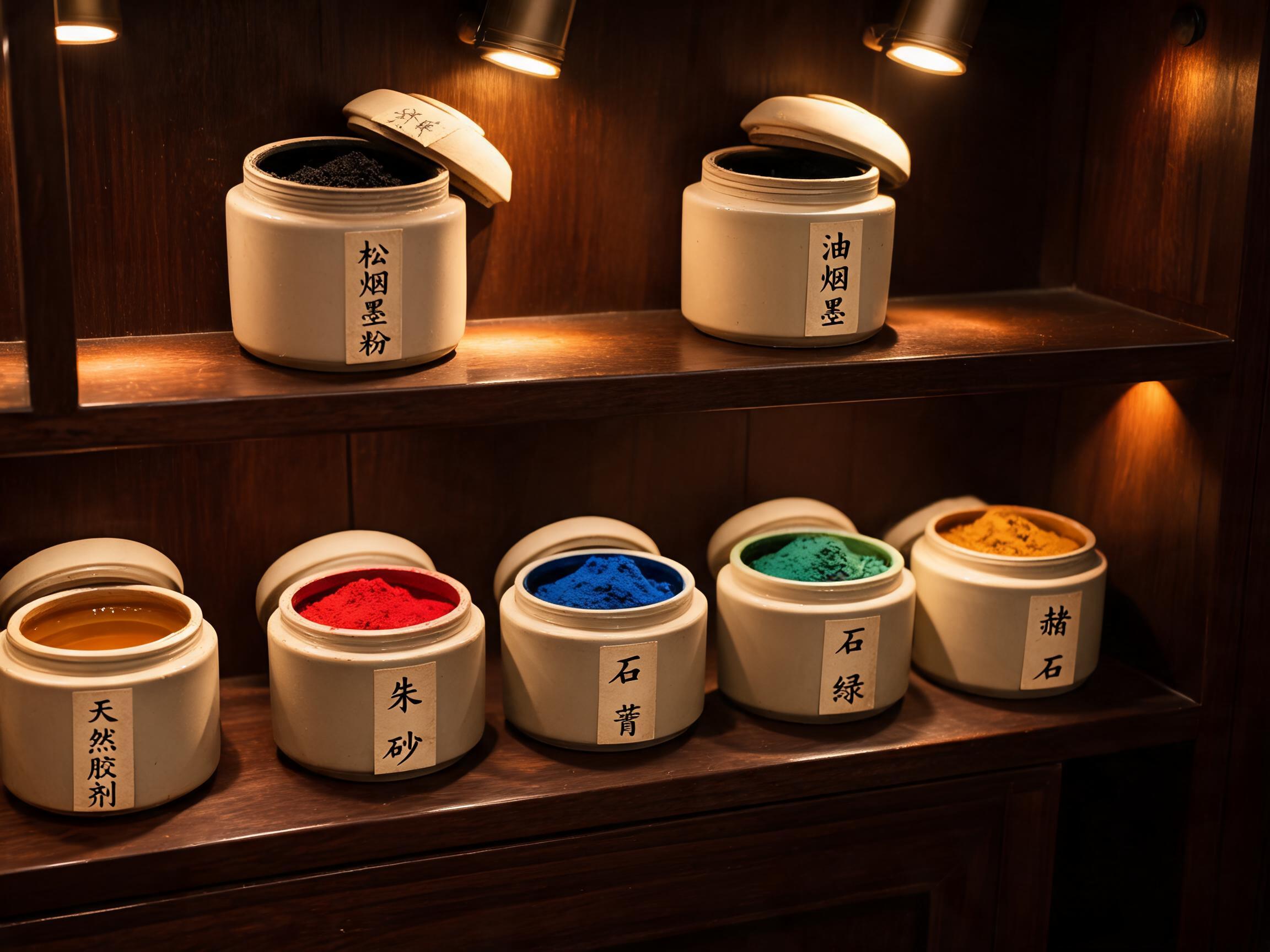
Most inbound questions about Japanese ink sticks come down to composition: what the stick is made of, and whether the answer justifies the price band. Hui ink sticks are made from soot, a natural binder, and the forming and drying process that turns the mixture into a solid stick. The variable buyers can actually specify and verify is the soot source.
Pine soot and oil soot are not simply two quality tiers of the same material. They behave differently in the hand and on paper, and they serve different buyer segments.
| Comparison point | Pine soot | Oil soot |
|---|---|---|
| Typical position in a range | Practice and volume programs; entry price bracket within a range | Gift, collector and cultural retail lines |
| Surface and finish expectation | Ask the supplier for the finish grade of the specific SKU | Our oil soot classic line is described with a smooth polished finish |
| What buyers should request | Sample stick plus spec sheet stating soot type | Sample stick, spec sheet, and batch QC photos |
| Typical use case | Schools, practice sets, high-volume stationery | Custom labels, gift boxes, corporate and commemorative gifting |
Two practical points follow from this table. First, do not let a supplier describe a stick only as "premium" without naming the soot; ask for the soot type to appear on the specification sheet you approve. Second, do not assume the same soot grade can be swapped between a practice SKU and a gift SKU to save cost. If your product page tells a customer the stick is oil soot, the receiving goods must match.
The pre-order checklist, step by step
Use the following sequence when you evaluate a China-based Hui ink stick manufacturer. The order matters: specification decisions made late tend to force packaging and carton changes that are expensive after artwork is approved.
- Define the end use for each SKU. Separate practice/education volume from gift and collector volume before you ask for prices. Practice buyers need a low unit cost and a stable supply; gift buyers need a finish that survives close inspection and packaging that presents well.
- Request the soot grade in writing. Ask for a specification sheet that names pine soot or oil soot, the binder type (natural binder), and the nominal stick weight. For a reference point on the oil soot classic line, weight runs from 30g to 150g per stick, and the finish is a smooth polished surface.
- Confirm the weight per SKU, not just the range. A 30g to 150g range is a family of sizes, not one product. Ask which weights are available for the SKU you are quoting, and whether the weight is stated on the retail packaging.
- Check the MOQ against your launch plan. The oil soot classic line carries an MOQ of 50 pcs. Compare that with your expected first shipment; if you are opening several SKUs at once, a single mixed order may be more workable than separate small orders.
- Ask for a physical sample, not only photos. Photos tell you about pattern and packaging. A physical stick lets your own team see the surface finish, check for edge chips or mold marks, and compare the tone against any reference stick you already sell.
- Request batch-level QC photo reports. An integrated ink-craft manufacturer running inline inspection at each production stage should be able to provide material verification, pattern checks and finish grading records, plus batch QC photos for the production run that will ship to you.
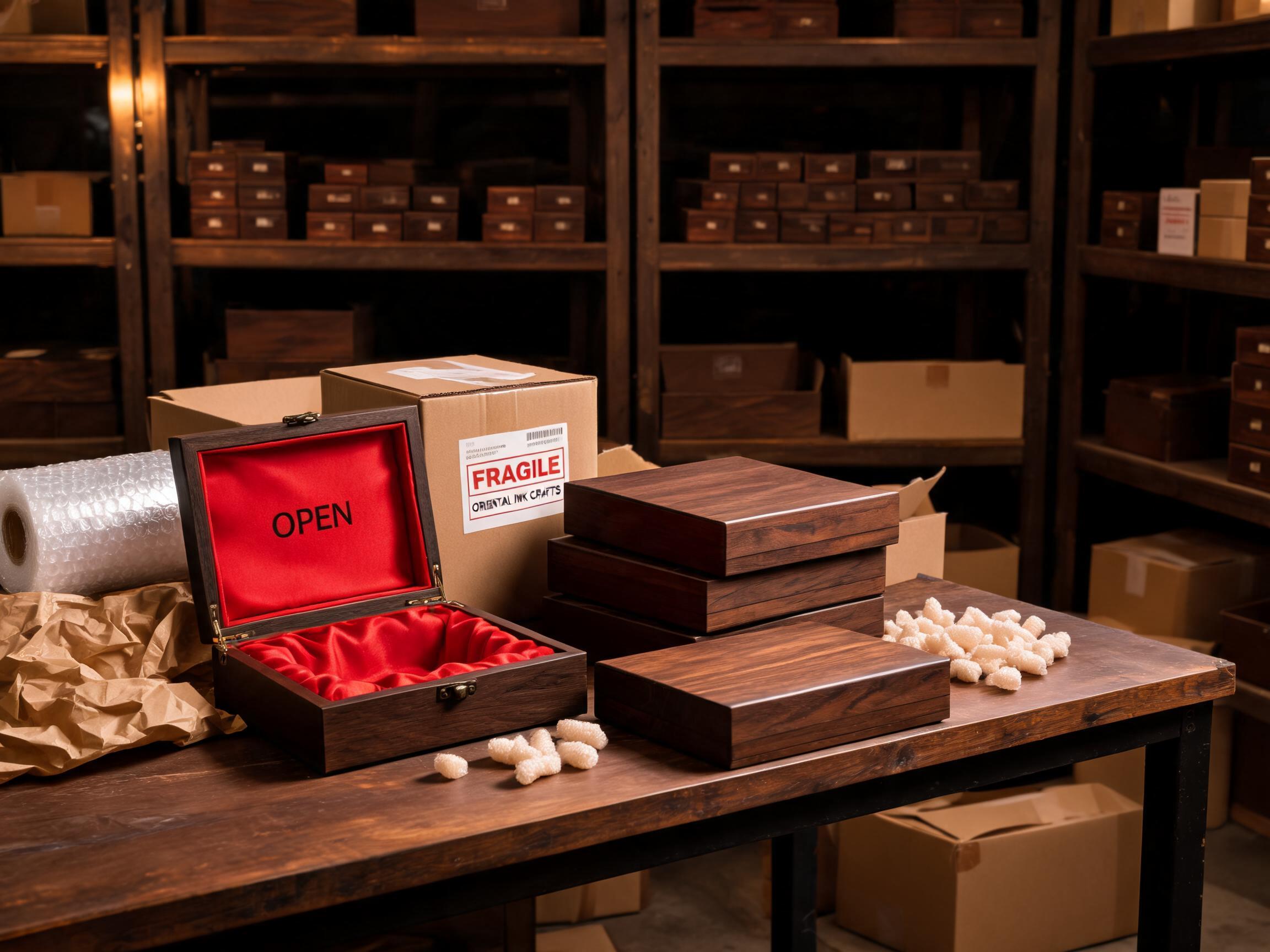
- Freeze the packaging specification. Decide between plain packing, a gift box, or a custom label early. Gift box and custom label options usually change carton dimensions and therefore export carton marks and packing documentation.
- Confirm the export packing and documentation set. Export packing with carton marks and shipment documentation should be agreed before the order is released. Ask what the carton mark will contain and which documents accompany the shipment.
- Complete a pre-shipment sample approval. Before mass production or before shipment, approve a reference sample set: sample photos, spec sheet, and a written approval record. Keep this record with your purchase order so any later dispute has a baseline.
- Retain material certificates and inspection records per project. Ask that these be maintained for your order, so a repeat order can be matched to the same specification.
How to verify soot grade claims without a lab
Importers rarely have a way to test soot composition independently, and that is exactly why the paper trail matters more than the marketing description. Three questions separate a specific answer from a vague one.
- Ask for the soot type to be printed on the spec sheet and, where applicable, on the approved sample record. A supplier who produces multiple soot grades should have no difficulty naming the one used in a given SKU.
- Ask how the finish is graded during production. Inline QC at the production stage should include pattern checks and finish grading, which gives you a consistent language for reject criteria.
- Ask for the batch QC photo report for your run. This is a factual record of what was produced, not a stock photo library.
What you should not rely on is inference from the stick's appearance alone. Surface sheen, weight and packaging style can be reproduced across soot types. The written specification plus the approved sample is the part of the process you can actually hold a supplier to.
Matching SKUs to your channel
The four product families below cover the most common buyer profiles. Link each one to the channel you are serving before you build a purchase order.
| SKU | Material note | Typical buyer |
|---|---|---|
| Oil Soot Hui Ink Stick Classic | Oil soot with natural binder, smooth polished finish, 30g-150g per stick, MOQ 50 pcs, custom label and gift box options, batch-level QC photo reports | Gift and cultural retail importers, private-label programs |
| Premium Pine Soot Hui Ink Stick | Pine soot with gold-filled patterns | Collectors, cultural gift distributors |
| Student Practice Hui Ink Stick | Affordable pine soot stick for schools | Education suppliers, stationery wholesalers |
| Commemorative Gold-Edge Hui Ink Stick | Custom engraving | Corporate gifting programs |
If you are importing for Japanese-diaspora or Chinese-diaspora retail in Europe or the Americas, the oil soot classic and the premium pine soot gold-filled line usually sit in the same display fixture but serve different price points. Ordering both under one packaging specification can simplify carton planning, provided the gift box artwork is differentiated.
Seasonal stocking for the gift season and Lunar New Year
Ink sticks are a seasonal category for many importers, and the two peaks do not sit far apart. Year-end gift purchasing and Lunar New Year demand both pull on the same production window, which means packaging decisions and sample approvals need to be completed well before the selling season, not during it.
- Decide the packaging format before the artwork brief is finalised. Gift box and custom label choices change carton dimensions, so the export carton mark must be re-confirmed after any box change.
- Approval documents should be signed off once, then referenced for repeat orders in the same season. Sample photos, spec sheets and approval records maintained per project make the second order faster.
- If you are launching a corporate gifting SKU with engraving, budget extra review time for the engraving proof, since it is a design element rather than a standard finish.
Because lead times depend on your order composition and the current production schedule, confirm the schedule for your specific order with the supplier rather than assuming a standard calendar. The point of starting early is not that production is slow; it is that the approval chain has more steps than a plain commodity order.
What a pre-shipment sample approval should contain
A sample approval is only useful if it locks a baseline you can compare against the shipped goods. Ask for the following set, and keep it attached to the purchase order.
- Sample photos of the actual production item, including the pattern face and the side profile.
- The specification sheet stating soot type, binder type and nominal weight.
- The finished packaging, including gift box or custom label where these apply.
- A written approval record signed by both parties.
- Material certificates and quality inspection records maintained for the project.
For the oil soot classic line, batch-level QC photo reports are part of the standard documentation. If you are ordering multiple SKUs, ask whether each batch gets its own report so you can trace a specific carton back to its production run.
Common sourcing mistakes to avoid
- Approving packaging artwork before the ink specification is fixed. A later soot change can force a reprint.
- Treating a weight range as a single SKU. The 30g-150g range covers a family of sizes; confirm the exact weights you are buying.
- Assuming MOQ applies to a mixed order. The oil soot classic MOQ is 50 pcs; confirm how mixed-SKU orders are counted before you plan a launch set.
- Skipping the physical sample. Photos cannot show edge condition or surface irregularities.
- Not asking for the carton mark. Export carton marks matter at customs and in the warehouse; confirm them in writing.
FAQ
What is a Japanese ink stick made of?
An ink stick is made from soot and a natural binder, formed into a solid stick through mixing, pressing and air-drying. In Hui ink production, the soot source (pine soot or oil soot) is the main variable buyers specify, because it relates to the tone and finish of the stick.
Is a Japanese-style ink stick the same as a Hui ink stick?
The terms overlap in trade use. Hui ink sticks are produced using traditional Huizhou methods and are widely sold into markets that also stock Japanese-style ink sticks. When sourcing, specify the soot type, weight and finish you need rather than relying on the label wording.
What is the minimum order quantity?
The Oil Soot Hui Ink Stick Classic carries an MOQ of 50 pcs, with stick weights from 30g to 150g. For other SKUs in the range, confirm the MOQ with the supplier before planning a launch order.
Can I get a custom label or gift box?
Yes. Custom label and gift box options are available on the oil soot classic line, and custom engraving is available on the commemorative gold-edge line. Packaging decisions affect carton dimensions, so agree them before the order is released.
What documentation should accompany a shipment?
Export packing with carton marks and shipment documentation, plus material certificates and quality inspection records maintained per project. Ask for the exact document list for your order during the approval stage.
Next step
Before you open a purchase order, ask for a specification sheet naming the soot type, a physical sample, and the pre-shipment approval set. If you are planning a 2026 gift-season program, start the packaging and approval conversation at the same time as the ink specification, so the sample photos, spec sheets and approval records you sign off actually match the cartons that ship.