A practical guide for B2B buyers sourcing custom carved seals for gift and collector channels. Covers the traditional chinese seal carving process, common seal types, customization workflow, and key quality checks for wholesale orders.
BUYER GUIDE
For B2B buyers sourcing carved seals for gift, stationery, or collector channels, the challenge is not finding a supplier—it is finding one that can deliver consistent carving quality, handle custom script and materials, and meet wholesale timelines. This guide walks through the chinese seal carving process, the main seal types you will encounter, the customization workflow, and the quality checks that matter when ordering custom carved seal wholesale.
- Seal stone hardness directly affects carving detail and production speed—softer stones (e.g., balin stone) allow finer lines and faster turnaround.
- Custom script (simplified, traditional, or seal script) must be confirmed before carving; reversing characters for stamping is the supplier's responsibility, but you should specify the viewing direction.
- Minimum order quantities and lead times vary by material and carving complexity—always request a per-item breakdown before committing.
- For collector-grade seals, ask for hand-carved vs. machine-carved confirmation and request photos of the actual carving before mass production.
Why Chinese Seal Carving Matters for Gift and Collector Markets
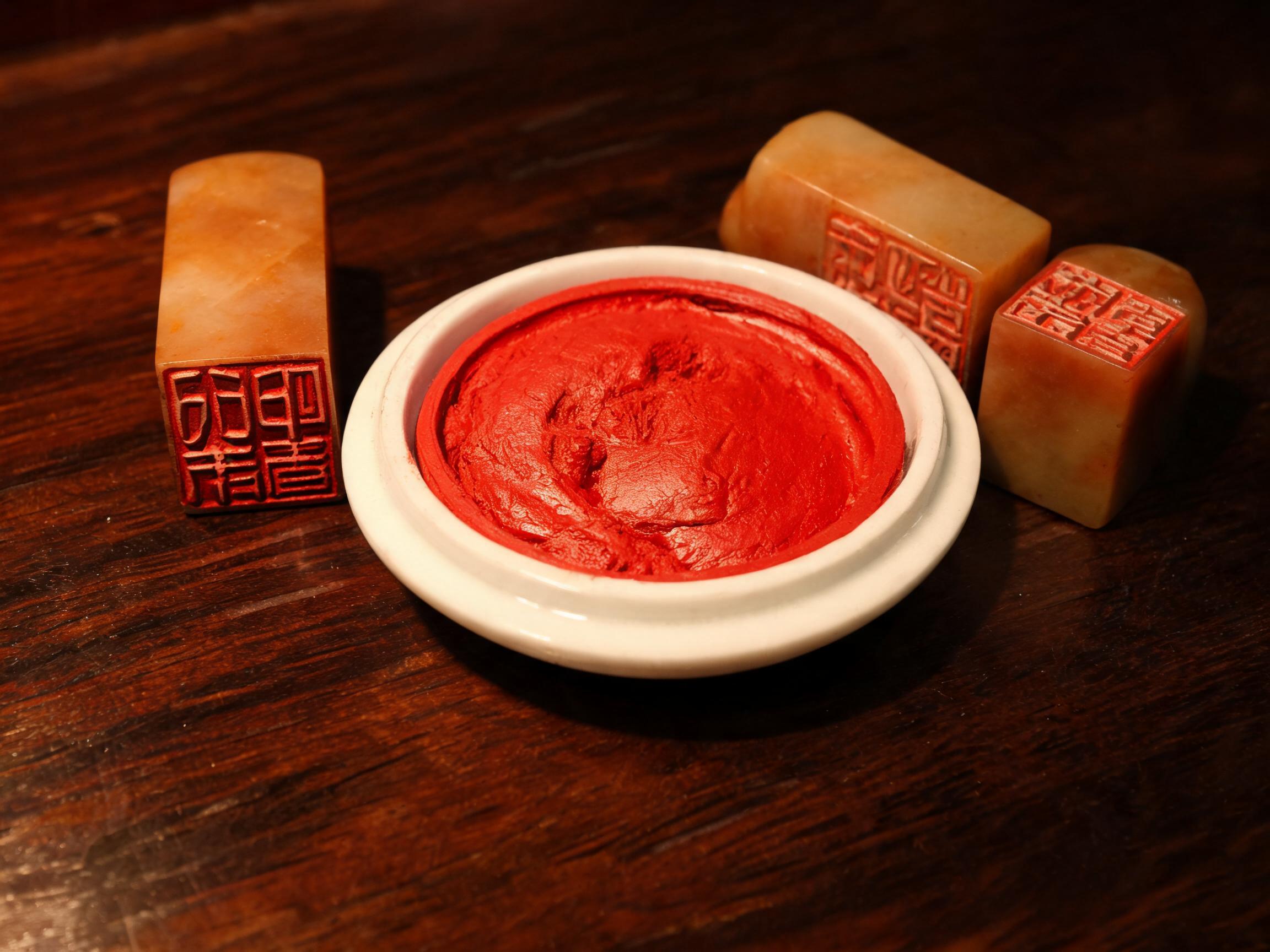
Chinese seals (印章, yìnzhāng) have been used for over 3,000 years as personal signatures, official marks, and art collectibles. Today, they are purchased internationally as wedding gifts, business souvenirs, and collector's items. The value of a seal depends on three factors: the stone material, the carving quality, and the script or design. For B2B buyers, understanding these factors helps you specify the right product and avoid costly mistakes.
The Chinese Seal Carving Process: Step by Step
Whether carved by hand or with machine assistance, the chinese seal carving process follows a similar sequence. Knowing the steps helps you communicate with suppliers and set realistic expectations.
1. Material Selection
Common seal stones include Shoushan stone, Balin stone, Qingtian stone, and Changhua stone. Each has different hardness, grain, and color stability. For example, Balin stone is softer and easier to carve, making it popular for detailed work. Harder stones like jade or crystal require more time and are usually more expensive.
2. Surface Preparation
The stone is cut to shape, then sanded to create a flat, smooth top surface. The finish (matte or polished) affects the final look and the ease of stamping.
3. Script Design and Transfer
The customer's chosen characters are arranged in the correct layout, typically in a square or rectangular grid. The design is then transferred onto the stone surface—either by hand-drawing or by printing a template. For custom seals, this step is critical: the characters must be reversed (mirrored) so that the stamped impression reads correctly.
4. Carving
Carving is done with chisels and knives. Hand carving allows expressive, flowing lines and is preferred for high-end collectibles. Machine carving uses CNC or laser engraving, which is faster and more consistent for simple fonts and larger orders. Some suppliers combine both: machine for rough shaping, hand for fine detail.
5. Finishing and Inspection
The carved surface is cleaned, and the edges are smoothed. The seal is then test-stamped on paper to check the impression quality. Any defects are corrected before packaging.
Types of Carved Seals You Can Source
When sourcing custom carved seal wholesale, you will encounter several standard types. Each serves a different market segment:
| Seal Type | Typical Use | Common Materials | Price Range (Indicative) |
|---|---|---|---|
| Name seals (姓名印) | Personal signature, documents | Balin stone, Qingtian stone | $5–$30 per piece |
| Studio seals (斋馆印) | Artists, calligraphers | Shoushan stone, jade | $20–$100 per piece |
| Idle seals (闲章) | Decorative, auspicious phrases | Various stones | $10–$50 per piece |
| Collector seals (收藏印) | Marking art collections | Premium stones, rare materials | $50–$500+ per piece |
| Gift sets (礼品套装) | Corporate gifts, souvenirs | Stone + box + ink pad | $15–$80 per set |
Note: Prices are indicative and vary by material, size, and carving complexity. Always ask for a quote based on your exact specifications.
Customization Workflow for Wholesale Orders
To get a smooth custom carved seal wholesale order, follow this workflow with your supplier:
- Provide the exact characters (in Chinese or specify the required translation). Include simplified, traditional, or seal script preference.
- Specify the stone material and color. If you are unsure, request samples or ask for recommendations based on your target market.
- Confirm the carving method: hand-carved for premium, machine-carved for cost efficiency.
- Review the digital proof (if offered). Some suppliers send a printed layout before carving. For hand-carved seals, request a photo of the finished piece before mass production.
- Define the packaging: individual boxes, silk pouches, or custom presentation cases.
- Set quality standards: e.g., no chips, consistent depth of carving, and clear stamp impressions.
Quality Control: What to Check Before You Order
Not all carved seals are equal. Before placing a bulk order, consider the following checks:
- Stone quality: Look for cracks, pits, or soft spots that can affect carving and durability.
- Carving depth: Too shallow and the stamp will be faint; too deep and it may break. Ask for a sample stamp.
- Character accuracy: Verify that the characters are correct and properly reversed.
- Finish: Check the seal's top and sides for smooth edges and consistent polish.
- Ink pad compatibility: Ensure the seal works with standard red ink pads (or specify a different ink if needed).
Sourcing Tips for Gift and Collector Channels
If you are sourcing for retail or corporate gifts, you likely need consistency and moderate pricing. For collector channels, you need uniqueness and craftsmanship. Here are practical tips:
- Ask for carving samples before committing to a large order. A good supplier will provide a single piece or a small batch.
- Clarify MOQ and lead times. Hand-carved seals take longer; machine-carved can be faster. Plan your inventory accordingly.
- Consider mixed orders: combine standard designs with custom ones to balance cost.
- Request packaging options that match your market—collectors prefer elegant wooden boxes, while gift buyers may prefer compact pouches.
- Discuss intellectual property if you are commissioning unique designs—ensure the supplier does not reuse your custom script for other buyers.
Common Mistakes to Avoid
- Assuming all stones are the same—hardness affects carving detail and price.
- Not specifying the script style—seal script looks very different from regular script.
- Ignoring the reversal issue—always confirm that the carved characters will stamp correctly.
- Ordering too many hand-carved pieces without checking production capacity—lead times can be long.
- Skipping the test stamp—always request a sample impression to verify quality.
Frequently Asked Questions
What is the difference between hand-carved and machine-carved seals?
Hand-carved seals have more expressive, varied lines and are preferred for high-value collectibles. Machine-carved seals are more uniform, faster to produce, and cost-effective for large orders. For gift channels, machine-carved is often sufficient; for collector channels, hand-carved is recommended.
Can I order seals with non-Chinese characters?
Yes, many suppliers can carve English letters, logos, or symbols. However, the design may need adaptation to fit the stone surface. Confirm with the supplier before ordering.
What is the typical lead time for a wholesale order?
Lead times vary by material, carving method, and order size. Machine-carved orders can be ready in 5–10 days; hand-carved may take 2–4 weeks. Always confirm exact timelines with your supplier.
What are the minimum order quantities?
MOQ depends on the supplier and product. Some accept orders as low as 50 pieces; others require 500+. For custom designs, MOQ may be higher. Request a quote to know the specifics.
Ready to Source Custom Carved Seals?
When you are ready to source chinese seal carving products, contact us with your specifications: characters, material preference, quantity, and target market. We will provide a detailed quote and samples for your evaluation. For a smooth process, prepare the exact text you want carved and let us know whether you need hand-carved or machine-carved quality.
All information in this guide is based on general industry knowledge. Specific capabilities, MOQs, and lead times should be confirmed with your chosen supplier.