
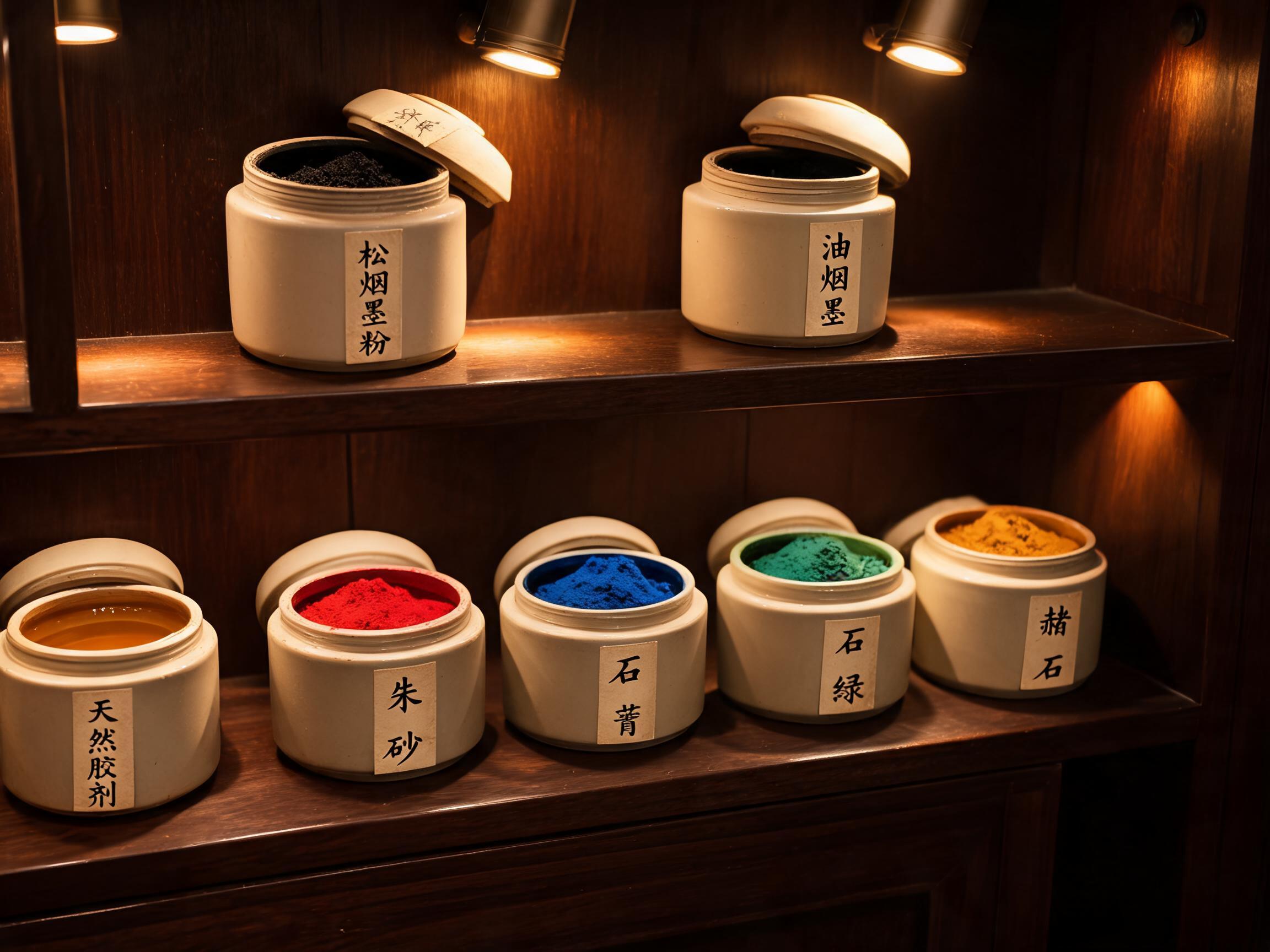
A category-level sourcing guide for art-material and gift-channel wholesalers building a complete Chinese ink painting supply range. Covers brushes, ink sticks, liquid ink, xuan paper and desk sets, what to verify per component, and how to match stock to Southeast Asia, Japan/Korea, the Middle East, Central/Eastern Europe, Africa and the Americas diaspora channels.
Wholesale Sourcing Guide
Building a Chinese ink painting supply range is not the same as adding a few calligraphy brushes to a general art-materials catalogue. The category has its own logic: a buyer assembling a complete assortment needs brushes, ink sticks, liquid ink, xuan paper and desk sets that work together, and each component carries different quality signals, packing considerations and channel fit. This guide walks through what to stock, what to verify per component, and how to match the range to the gift and art-supply channels you actually sell into.
Key takeaways:
- A complete Chinese ink painting range has five core components: brushes, ink sticks, liquid ink, xuan paper and desk sets.
- Verify each component on its own terms — hair type and ferrule for brushes, soot type and binder for ink, fiber and sizing for paper, component completeness for sets.
- Channel fit matters: diaspora gift channels and art-supply channels want different pack sizes, price points and presentation.
- Supplier integration — from raw material selection to export delivery — reduces the number of parties you need to qualify.
Why a category-level approach beats piecemeal buying
Most wholesalers start with one product: a brush, or a boxed set. The problem is that these components are used together. A buyer who orders brushes but cannot source matching xuan paper or ink will go elsewhere for the rest of the list. A category-level range lets you quote a complete kit, which is what gift channels and school-supply buyers usually ask for.
The practical starting point is to decide which of the five components you will stock as core lines and which you will offer as add-ons. Brushes and liquid ink are high-turn, low-commitment items. Ink sticks and desk sets are lower-turn but carry higher perceived value. Xuan paper sits in between: it is consumable, so repeat orders are common, but it is bulky and needs careful packing.
The five components: what to verify
Brushes
Brush quality is determined by hair type, hair density, tip shape and ferrule construction. For Chinese ink painting, the common hair types are wolf hair (weasel), goat hair and blended hair. Wolf hair holds a sharper point and returns to shape; goat hair is softer and holds more water. Blended brushes try to balance the two.
When qualifying a brush supplier, ask for the hair type by name, not just "premium." Check the tip: a well-made brush comes to a single point without split hairs. Check the ferrule — the sleeve joining hair to handle — for secure seating. Handle material and length affect how the brush sits in a hand, and for gift channels the handle finish is part of the presentation. A product page such as the premium wolf hair calligraphy brush is a useful reference for the level of detail a buyer should expect in a specification.
Ink sticks
Ink sticks are the traditional form, and they are where craft differences show most clearly. The key variables are soot type (pine soot and oil soot are the two main categories), binder, and the refining and drying process. Pine soot ink tends to be cooler and is often used for landscape and fine line work; oil soot ink is warmer and denser, and is common in figure and flower painting. Neither is inherently better — they suit different work.
For wholesalers, the verification questions are: which soot type is this stick, what is the binder, and how was the stick formed and dried? A supplier that can describe the refining, binder mixing, hammering, mold pressing and shade drying steps is a supplier that controls the process. Gu Mo Craft Technology, founded in 2011, works as an integrated chain from raw material selection to export delivery, with core craft covering ancient pine and oil soot refining, binder mixing and hammering, and mold pressing and shade drying. That kind of vertical control matters when you need consistent batches. See the premium pine soot Hui ink stick for a representative product in this category.
Ink sticks also support OEM customization — patterns, specifications and packaging can be adapted. For gift channels, custom patterns and packaging are often the difference between a commodity and a sellable gift item.
Liquid ink
Liquid ink is the practical volume line. It is ready to use, travels well and suits school, hobby and beginner channels. The verification points are concentration, flow and consistency across batches. Ask how the ink behaves when diluted, whether it is intended for brush painting or also for calligraphy practice, and how it is bottled and sealed for export.
Liquid ink is also the component most likely to be ordered in large quantities by art-supply distributors, so packing format — bottle size, cap type, carton configuration — becomes a real sourcing decision, not an afterthought.
Xuan paper
Xuan paper is the substrate that makes Chinese ink painting behave the way it does. Two variables dominate: fiber composition and sizing. Raw (unsized) xuan paper is absorbent and suits free ink work; sized paper gives more control and is preferred for detailed painting and calligraphy. Fiber composition affects strength, aging and how the paper responds to wet ink.
For wholesale buyers, the practical checks are gram weight, sheet dimensions, sheet count per pack, and how the paper is packed for shipping. Xuan paper is vulnerable to moisture and creasing, so packing quality directly affects your return rate. The raw xuan paper professional line is an example of the category; confirm fiber and sizing details with the supplier for your specific channel.
Desk sets
Desk sets bundle the four treasures — brush, ink, paper and inkstone — into a single presentable unit. They are the highest-value item in the range and the one most exposed to channel expectations. A set sold into a diaspora gift channel needs presentation: box quality, internal fit, and whether the components are consistent in style. A set sold into an art-supply channel needs usable components, not decorative ones.
Verification for sets is about completeness and consistency: which components are included, whether they are the same grade as your standalone lines, and how the set is packed for export. The complete scholar desk set is a reference point for what a full set covers.
Component verification at a glance
| Component | Primary quality variables | What to confirm with supplier | Channel note |
|---|---|---|---|
| Brushes | Hair type, tip shape, ferrule seating, handle | Named hair type, tip integrity, handle material | Gift channels value handle finish |
| Ink sticks | Soot type, binder, refining and drying | Soot category, binder, process description, OEM options | Gift and collector channels |
| Liquid ink | Concentration, flow, batch consistency | Dilution behavior, intended use, bottle and carton format | School and hobby volume |
| Xuan paper | Fiber, sizing, gram weight, sheet count | Raw vs sized, dimensions, packing for moisture | Consumable, repeat orders |
| Desk sets | Component completeness and consistency | Included items, grade match, export packing | Highest-value gift item |
Matching stock to your channel
The same product range sells differently depending on where you are. Gu Mo Craft Technology exports to Southeast Asia, Japan/Korea, the Middle East, Central/Eastern Europe, Africa and the Americas diaspora. Those are not identical markets, and a wholesale range that works in one may sit on the shelf in another.
Southeast Asia and Japan/Korea
These markets have established ink painting traditions and knowledgeable buyers. Expect questions about soot type, paper sizing and brush hair. Stock the traditional lines — ink sticks, sized and raw xuan paper, wolf and goat hair brushes — and be ready to discuss grade differences. Gift sets also move here, particularly around cultural festivals.
Middle East
Demand here is often driven by gift and cultural-interest channels rather than a deep existing painting tradition. Presentation-heavy desk sets and boxed combinations tend to perform better than loose consumables. Liquid ink and beginner-friendly brushes are the practical entry lines.
Central and Eastern Europe
Art-supply distributors and hobby channels are the main buyers. Liquid ink, mid-range brushes and xuan paper in practical pack sizes fit well. Buyers here often want clear specification sheets and consistent repeat supply more than premium presentation.
Africa
School, hobby and cultural channels dominate. Liquid ink and durable brushes are the volume lines; desk sets work as gift items in urban gift retail. Packing durability matters more than premium finish.
North and South America (diaspora channels)
Chinese-diaspora gift and art-supply channels in the Americas are strong buyers of desk sets, ink sticks and quality brushes. These buyers often know the category and will compare against what they can source domestically. Custom patterns and packaging for seasonal gifting are a common request.
Why supplier integration matters for wholesalers
Every component you add is another supplier to qualify, another set of batches to track, and another packing standard to check. A supplier that controls the chain from raw material selection to export delivery reduces that load. Gu Mo Craft Technology's eight product lines — Hui ink sticks, liquid ink, four-treasures sets, inkstones, brushes, seal carving, xuan paper and craft ornaments — cover the full range a wholesaler needs to build a complete Chinese ink painting assortment, which means one relationship instead of five.
OEM capability on ink stick patterns, specifications and packaging is also worth confirming early if you sell into gift channels, because custom work has its own lead-time implications.
FAQ
What is the minimum range a wholesaler should stock to be credible?
At minimum, brushes, liquid ink and xuan paper. Adding ink sticks and one desk set turns the range from a partial list into a complete offer that gift and school channels can buy in one order.
How do I compare ink sticks from different suppliers?
Ask for the soot type, the binder, and a description of the refining and drying process. If a supplier cannot describe the process, that is a signal about how much control they have.
Is raw or sized xuan paper better for wholesale?
Neither is universally better. Raw paper suits free ink work; sized paper suits detailed painting and calligraphy. Stock both if your channel serves mixed users, and confirm fiber and sizing with the supplier.
Can I get custom packaging for gift channels?
Ink stick patterns, specifications and packaging can be customized. Confirm the scope and timeline with the supplier before committing to a gift program.
Next step
If you are building or expanding a Chinese ink painting range, start by mapping which of the five components your channels actually ask for, then qualify one integrated supplier against the verification points above. For specific product details, review the wolf hair brush, pine soot Hui ink stick, raw xuan paper and complete scholar desk set lines, and confirm specifications, packing and OEM options directly with the supplier.