
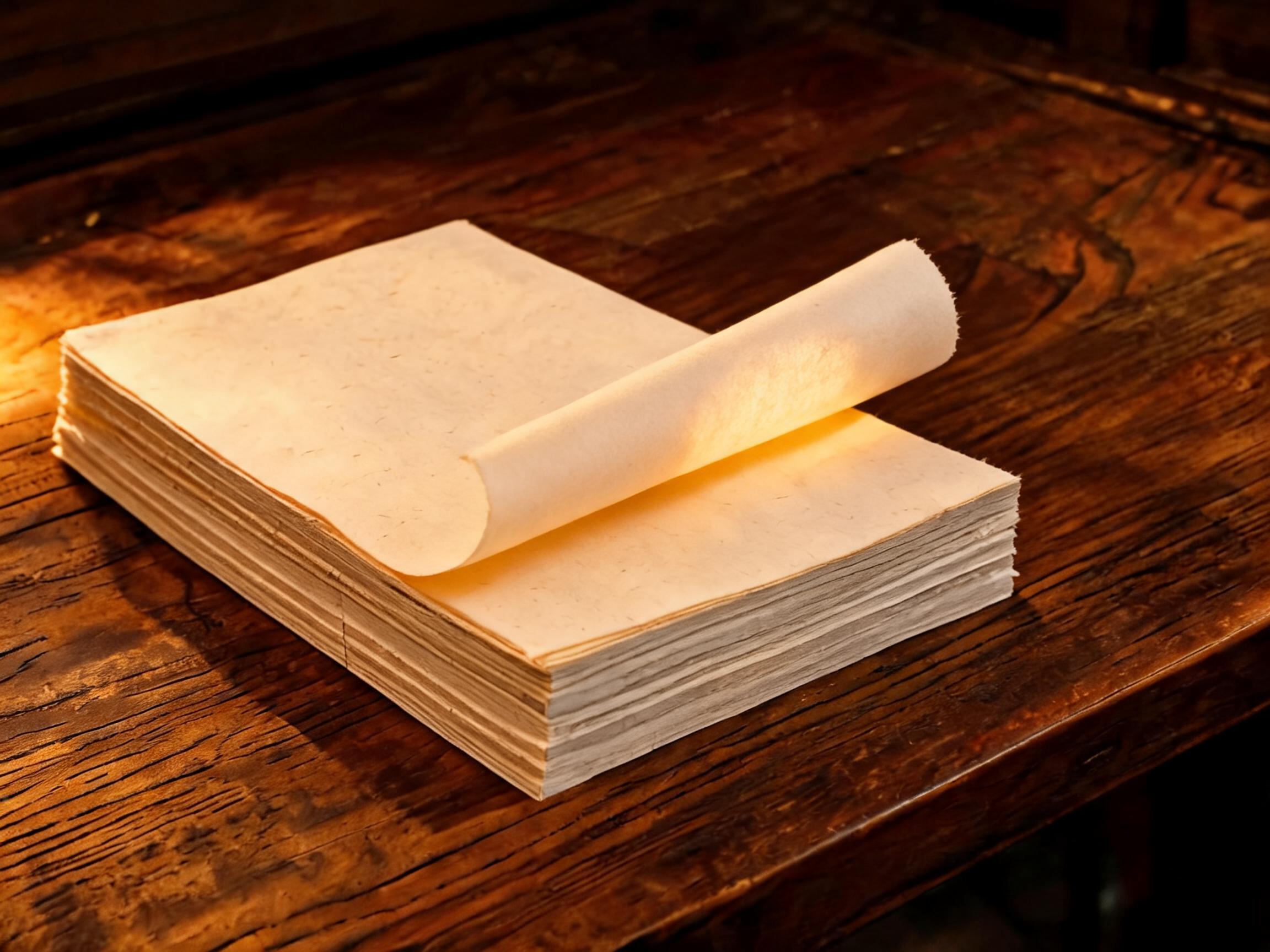
A sourcing guide for overseas B2B buyers on purchasing Xuan paper in bulk: how to distinguish paper types, compare supply channels, evaluate a supplier from a distance, choose the right format for your sales channel, and plan repeat orders with fewer surprises.
Wholesale Sourcing Guide
Overseas importers, art-supply retailers, temple suppliers and gift-channel buyers all ask the same question in slightly different words. Here is how to answer it as a purchasing decision rather than a store lookup.
Key Takeaways
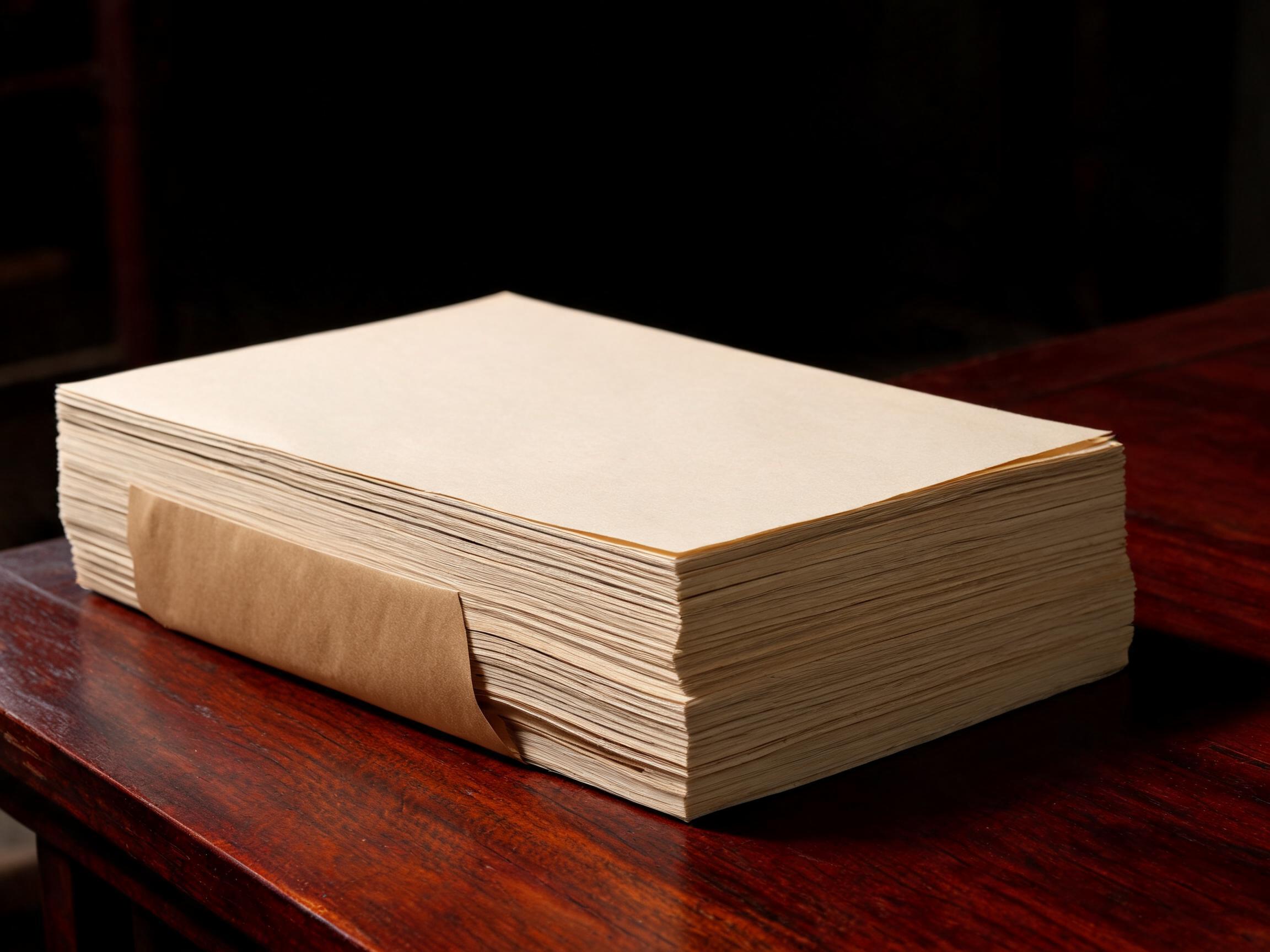
- Confirm the paper type first. "Rice paper" is a loose export term; the material most buyers actually want is Xuan paper.
- Specialist manufacturers and exporters usually give you the most control over grade consistency and repeat orders; marketplaces and local distributors trade that control for convenience.
- Judge a supplier remotely by samples, batch-to-batch stability and transit packaging, not by photographs alone.
- Match the format to your channel: rolls for large work, sheets for retail and studio use, albums for gift and collection, student grade for education-driven volume.
- Structure the first order so that the second one is easier: fixed grade, defined packing, and an agreed reference sample.
What Buyers Actually Mean by "Rice Paper"
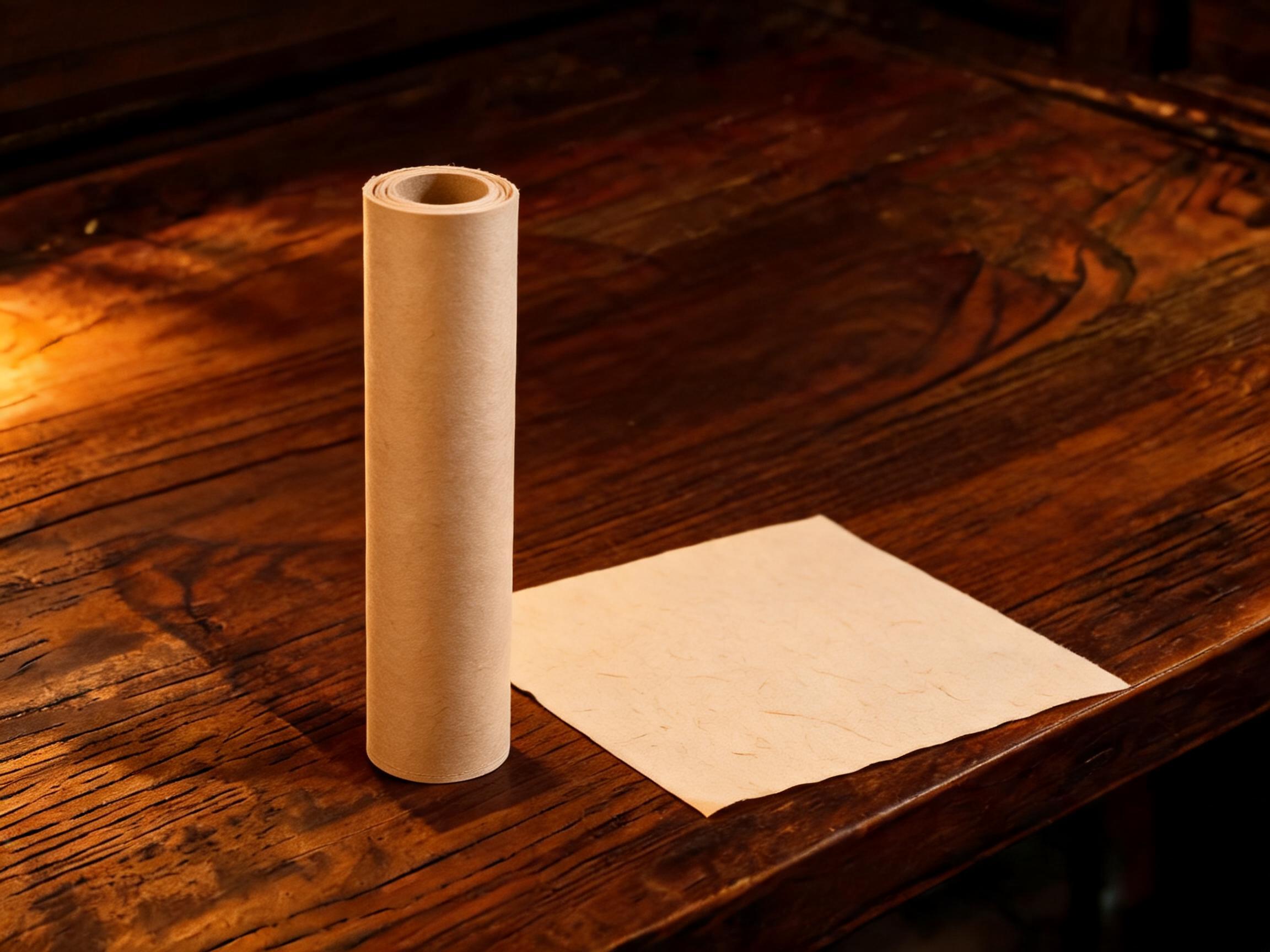
Search demand for "where to buy rice paper" runs around 3,600 queries a month, with smaller clusters such as "where to get rice paper" (about 1,000) and "where to buy rice paper sheets" (about 260). That volume hides a definition problem: the English term covers several different Asian papers with different fibers, surface treatments and behavior under ink and brush.
The material behind most calligraphy, scroll painting and seal work is Xuan paper, made from bark fiber and produced in grades that range from absorbent raw paper to sized, treated surfaces. Other papers sold under the same umbrella term may be machine-made, bamboo-based or designed for decorative use. The difference matters commercially because your customers will notice it: a paper that bleeds too freely ruins fine-line painting, and a heavily sized sheet changes how a brush mark reads.
Before you request quotations, decide which behavior your market needs — free ink bleed, controlled bleed, or a smooth, ink-resistant surface — and ask suppliers to quote against that requirement, not against the word "rice paper" alone.
Where Overseas Buyers Source Xuan Paper
There are three practical channels, and they differ less in price than in how much control you keep over quality and repeatability.
Specialist manufacturers and exporters
Working directly with a paper producer or a crafts exporter in the origin region is the usual route for buyers who need consistency across orders. You can specify a grade, discuss how the paper is pressed and packed, and — critically — set a reference sample that future batches are compared against. The trade-off is that you carry more responsibility: you must state your requirements clearly, because no intermediary will absorb that work for you.
Guangdong Gumo Crafts Technology Co., Ltd. (Gumo Craftworks) is an example of a Chinese handmade crafts exporter that supplies Xuan paper for professional, educational, large-format and fine-line painting applications. Buyers who need very specific ink behavior can specify it against products such as Raw Xuan Paper Professional, which uses traditional bark fiber and controlled ink bleed for calligraphers and painting studios.
Online marketplaces
Marketplaces are quick to browse and easy for small trial orders, but listings often reuse the same photographs and grade descriptions across unrelated sellers. If you buy there, treat the listing as a sample request rather than a supply agreement, and test what arrives before you commit to volume.
Local distributors and cultural-goods wholesalers
A distributor in your own region shortens lead times and handles import formalities, which matters for gift and temple channels that restock unpredictably. The cost is transparency: the paper may be re-packed and re-labelled, so the grade you receive next season may not be the grade you received this season.
| Channel | Strengths | Watch-outs |
|---|---|---|
| Specialist manufacturer / exporter | Grade control, custom formats, repeat-order stability | You must specify requirements in detail |
| Online marketplace | Fast discovery, small trial quantities | Inconsistent grade labelling, generic photography |
| Local distributor | Short lead time, local import handling | Re-packed goods, unclear provenance |
How to Evaluate a Supplier Remotely
You cannot feel the paper through a screen, so the evaluation has to be built around evidence and process rather than impressions.
Start with physical samples
Ask for a sample of the exact grade you intend to sell, not a generic swatch set. Test it the way your customers will: with the brushes, inks and techniques common in your market. For fine-line painting, a surface with even ink resistance and controlled sizing is the relevant property, which is why buyers in that segment compare against Treated Xuan Paper for Gongbi. Record your own notes on each sample and keep one piece as a reference for future shipments.
Ask how batches are kept consistent
Handmade paper varies. The question is not whether variation exists but whether the supplier controls it. Ask what is checked between production runs, whether the ink absorption of a new batch is compared against a retained sample, and how the supplier would handle a batch that drifts from the reference. Concrete answers here are worth more than any certificate photograph.
Test the packaging, not just the paper
Xuan paper arrives damaged more often through humidity and edge compression than through handling. Ask how the paper is wrapped against moisture and how it is protected at the edges inside the carton, then treat the first shipment as a packaging trial as much as a product trial. For large-format supply, edge condition is a delivery risk you should raise before ordering, not after. If your channel depends on wide, unbroken sheets, confirm how the mill controls width and edge cutting — the same question applies to Xuan Paper Roll, which is supplied for large-scale calligraphy and scroll painting.
Choosing the Right Format for Your Channel
Format follows your customer, not your convenience. A retailer selling to hobbyists and a studio supplying mural-scale calligraphy need different specifications from the same supplier.
| Format | Typical channel | Why it fits |
|---|---|---|
| Sheets, professional grade | Art-supply retail, painting studios | Controlled ink behavior, sold and stored flat |
| Rolls | Large-scale calligraphy, scroll work, institutional supply | Continuous width, clean cut edges, less waste on long pieces |
| Albums and bound sets | Gift, collection, cultural retail | Presentable, easy to shelve, suits seasonal demand |
| Student / practice grade | Calligraphy schools, educational distributors | Consistent absorption and bulk supply for high-turnover use |
Educational distributors usually prioritize price stability and repeatable feel over premium fiber, because the paper is consumed quickly in classroom drills. Student Practice Xuan Paper is built around that pattern: affordable, consistent ink absorption and bulk supply for schools. Gift and temple channels, by contrast, often buy on presentation and pack size, so an album or folded set may move faster than loose sheets even at a higher unit cost.
Planning the Repeat Order
Most wholesale buyers searching for where to buy rice paper are not making a one-off purchase; they are looking for a supply relationship. Three things make that relationship work.
- Fix the grade in writing. Name the grade in your purchase order and attach the reference sample number so both sides know what is being compared.
- Define packing explicitly. State the inner wrapping, the outer carton and any pallet requirement. "Standard export packing" means different things to different suppliers.
- Re-order before you run out. Handmade paper is produced in runs, so lead time is not only shipping time. Confirm the current production lead time with your supplier when you place the first order and again before you re-order.
It also helps to decide early whether you will sell a single signature grade or a small ladder of grades. A two-grade range — one practice grade and one professional grade — is easier to keep in stock and easier to explain to retail buyers than a long catalogue of near-identical options.
Frequently Asked Questions
Where can I get rice paper in bulk?
Most overseas buyers order either from a specialist manufacturer or crafts exporter in the origin region, from an online wholesale marketplace, or from a local cultural-goods distributor. The best fit depends on how much control you need over grade consistency and packing.
Is Xuan paper the same as rice paper?
In export trade the term "rice paper" is used loosely for several Asian papers. Xuan paper — made from bark fiber and produced in raw, treated and student grades — is the material behind most calligraphy and brush painting. Ask your supplier to confirm the actual fiber and grade rather than relying on the English label.
How do I check quality before placing a large order?
Order samples of the exact grade, test them with your market's brushes and inks, and keep a reference piece. Then ask how the supplier compares later batches against that reference and how damaged-edge and moisture risks are handled in transit.