
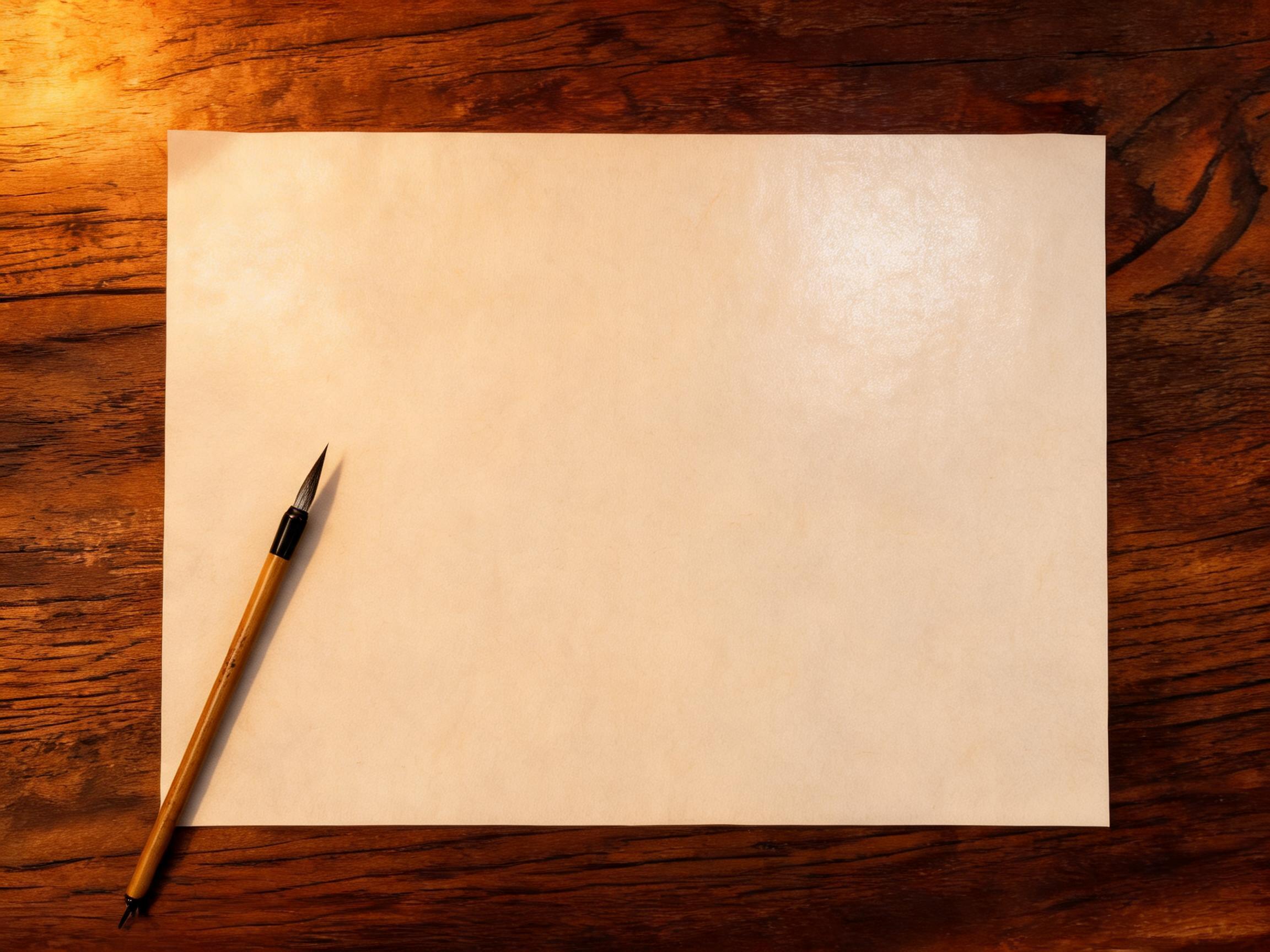
Buyers searching for what rice paper is made of are really asking how it will behave in use. Most paper sold as rice paper is not made from rice at all: it is bark-fiber paper, and the fiber plus the raw or treated surface determines ink bleed, strength, and which grade fits your order. This guide explains the materials in buyer terms and shows how composition should shape sampling and bulk purchasing decisions.
Materials guide for buyers
Most paper sold worldwide as "rice paper" contains no rice. The name travels with the function, not the fiber. Understanding what the sheet is actually made of — and whether its surface is raw or treated — tells you more about ink behavior and suitable applications than any catalog photo will.
Key takeaways
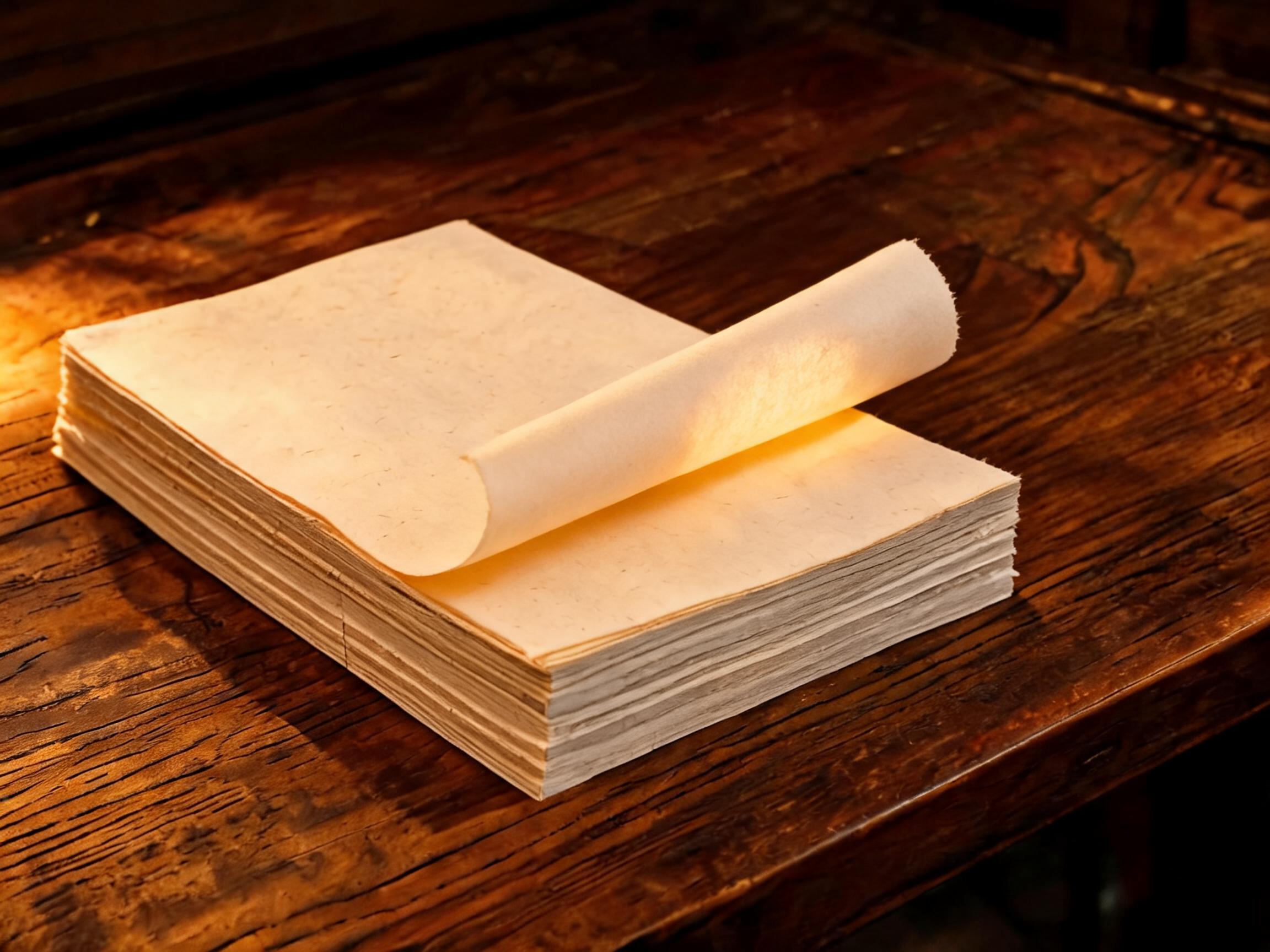
- "Rice paper" is a Western trade name, not a fiber description; most products sold under it are bark-fiber paper such as xuan (shuan) paper.
- Composition affects absorption, strength, and how much an ink line spreads.
- Raw and treated surfaces behave differently; the choice depends on the intended use, not on a quality ranking.
- For bulk orders, compare samples at the same ink and brush load, then confirm batch consistency with your supplier.
What "rice paper" actually refers to outside Asia
In Europe, the Americas, and much of the export market, "rice paper" has become a catch-all term. It appears on packaging for calligraphy sheets, watercolor pads, lantern paper, and even edible wrappers. The term describes how the paper is used or how it looks, not what it is made from.
In East Asia, the same sheets are usually sold by their real material name. The most common is xuan paper (also written shuan), historically associated with Anhui province and used for brush calligraphy and ink painting. Search data reflects this confusion: "what is rice paper made of" draws about 1,300 searches a month, while "what is xuan paper" adds roughly 70 more. Buyers are often trying to reconcile an imported product name with a material specification.
For a purchasing decision, the practical move is to stop treating "rice paper" as a material and treat it as a category. Ask which fiber family the sheet belongs to and how the surface was finished. Those two answers determine whether the paper suits a calligraphy studio, a gongbi painter, or a school classroom.
The fiber story: bark-based composition and what it means for strength and ink behavior
Traditional xuan paper is made from bark fiber, commonly from the sandalwood family of trees (Pteroceltis tatarinowii, known in Chinese as qingtan) combined with other plant fibers such as rice straw or bamboo in various proportions. The exact recipe varies by maker and grade. What matters for buyers is not a single percentage but the fiber character: long, flexible bark fibers create a sheet that holds together under a wet brush and tolerates the pressure of repeated strokes.
That fiber structure explains several behaviors buyers notice immediately:
- Ink absorption. The fiber network wicks water-based ink away from the brush point, so a wet stroke spreads slightly. Raw sheets show this most clearly; the spread can be controlled but not eliminated.
- Strength when wet. Bark fiber sheets resist tearing during painting better than short-fiber papers, which is why they are used for mounting and for works that receive multiple washes.
- Surface character. The fiber mat gives the sheet a faint texture that affects how brush hairs release ink. Smooth, treated sheets feel different under the brush even when the base fiber is similar.
This is why composition matters at the point of purchase. A buyer ordering for a professional calligraphy studio needs a sheet whose fiber can carry a heavy, slow stroke without breaking down. A buyer ordering for a primary school needs consistent absorption so that every student gets a predictable result. Same category, different material demands.
Guangdong Gumo Crafts Technology Co., Ltd. (Gumo Craftworks) supplies xuan paper across these grades. Its Raw Xuan Paper Professional uses traditional bark fiber and is positioned for professional calligraphers and painting studios, where controlled ink bleed is part of the intended effect rather than a defect. You can see the product details here: Raw Xuan Paper Professional.
Raw vs treated surfaces and which to buy for which use
The second variable is the surface treatment. Raw xuan paper is left unfinished. It is absorbent, so ink spreads and the painter or calligrapher uses that spread as an expressive tool. Treated xuan paper has been sized — given a light coating that reduces absorption — so ink stays closer to where the brush places it. This is sometimes called "sized" or "treated" paper in export catalogs.
The choice is not about which is better. It is about which behavior the end user wants.
| Surface type | Ink behavior | Suits | Buyer note |
|---|---|---|---|
| Raw (untreated) | Absorbs quickly; line spreads and softens at the edges | Freehand calligraphy, expressive ink painting, practice where variation is acceptable | Confirm absorbency with a sample at the buyer's typical ink load |
| Treated (sized) | Resists ink; line stays sharp with limited bleed | Gongbi fine-brush painting, detailed line work, work needing crisp edges | Ask how the sizing is applied and whether it affects the reverse side |
Treated Xuan Paper for Gongbi is an example of the sized type: controlled sizing gives even ink resistance and a smooth surface quality intended for fine-brush gongbi painting. Buyers serving painters who work with detail will recognize this profile immediately. Product page: Treated Xuan Paper for Gongbi.
Student Practice Xuan Paper sits at the accessible end of the range, with consistent ink absorption designed for calligraphy schools and educational distributors. Where a studio might want a sheet that responds differently to every stroke, a classroom needs the opposite: the same absorption across the stack, so a lesson plan works for thirty students. Product page: Student Practice Xuan Paper.
How composition should shape a bulk buying decision
When you order paper by the carton or pallet, you are not only buying fiber. You are buying consistency. Two sheets from the same grade should behave the same way under the same brush. If they do not, your retail customers will notice, and returns will follow.
Use composition knowledge as a checklist during sampling:
- Match fiber type to end use. Ask whether the sheet is bark-fiber based or made from another pulp. The answer tells you what to expect in strength and absorption.
- Test raw and treated samples side by side. Apply the same ink and brush load to both. Note how far the line spreads and how the surface feels. This is more reliable than reading a spec sheet alone.
- Check batch consistency. Order a small run, then request a second sample from a different production batch. Compare absorption and texture. Confirm with your supplier how they control consistency across batches.
- Ask about sizing method. For treated paper, ask whether sizing is surface-applied or added to the pulp. This affects how the sheet behaves on both sides and how it handles repeated wetting.
- Confirm storage and handling expectations. Paper absorbs moisture from the air. Ask how the supplier packs and whether there are storage recommendations for your climate.
None of these steps requires laboratory equipment. They require a buyer who knows what the paper is made of and what the end user will do with it. That is the real value of the material question: it turns a vague product name into a set of checkable behaviors.
Across Southeast Asia, Japan and Korea, the Middle East, Europe, Africa and the Americas, the takeaway is the same: order by material specification, not by the word "rice."
FAQ
Is rice paper made from rice?
Usually not. Most paper sold internationally as rice paper is bark-fiber paper, commonly xuan paper. Some products may contain rice straw as part of a fiber blend, but the defining material is the bark fiber. Ask your supplier for the fiber composition if it is not stated.
Why does my paper absorb ink differently from a sample?
Absorption depends on fiber type, surface treatment, and batch. Raw paper absorbs more; treated paper resists ink. If two sheets from the same order behave differently, the issue is likely batch consistency. Raise it with your supplier before reordering.
Which is better for beginners, raw or treated?
Neither is universally better. Raw paper is more forgiving of expressive strokes but spread can be unpredictable for new users. Treated paper gives sharper lines, which some teachers prefer for structured practice. Match the surface to the teaching method, and confirm with your supplier if you are unsure.
Can I order custom sizes or fiber blends in bulk?
Customization depends on the supplier's production capabilities; ask what is possible for your volume and timeline, and evaluate samples against your end user's needs.
Gumo Craftworks supplies xuan paper grades for professional studios, fine-brush painters, and educational distributors. If you are comparing materials for a bulk order, start with samples that match your end use, then discuss batch consistency and packing with the supplier. The material name is only the beginning of the conversation.