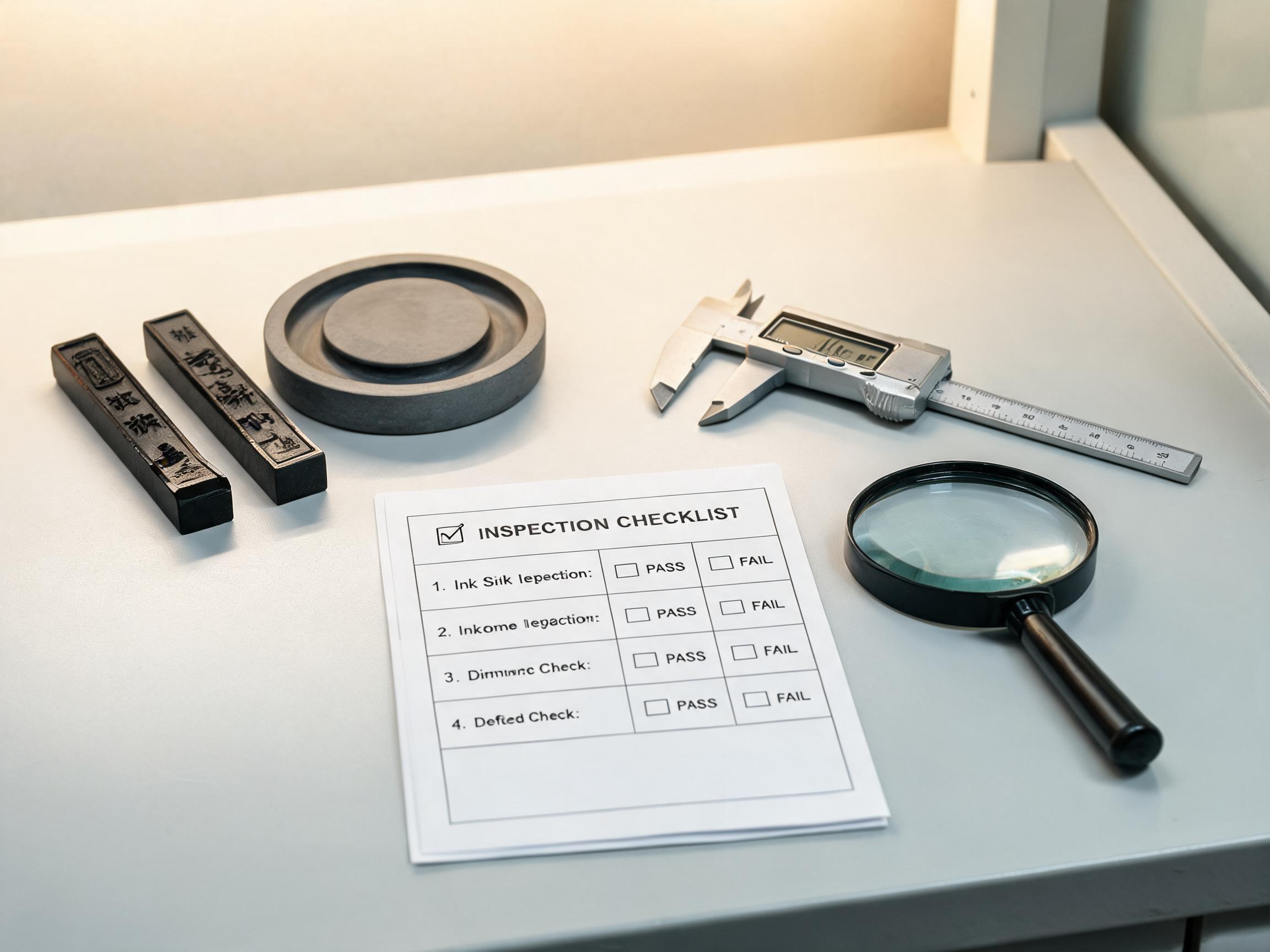

A B2B value-assessment guide for collectors, cultural institutions, corporate gifting programs, and places of worship seeking authentic handmade Hui ink sticks. Learn why the ancient method creates structural value, how to judge collector-grade sticks on four checkpoints, which premium and custom lines real buyers use, and what authenticity evidence to request before placing an order.
BUYER GUIDE · VALUE ASSESSMENT
Traditional Ancient Ink Making for Collectors and Cultural Gift Buyers: What Makes Handmade Hui Ink Valuable
When you source handmade Hui ink sticks for a museum collection, a corporate gift program, or a ceremonial purchase, you are not buying a writing tool. You are buying a product whose value sits in process, material, and structural integrity — not in brand stories. This guide gives you the four checkpoints to judge collector-grade sticks, the production steps that create lasting value, and the exact product lines available for institutional orders.
1. Why the Ancient Method Creates Structural Value
Handmade Hui ink made by the ancient method follows a fixed sequence: soot collection, binder kneading, repeated pounding, mold pressing, shade drying, and — for premium lines — gold-filled decoration. Each step adds either collectible worth or physical stability. Here is what each step actually does.
Soot collection. The soot is the pigment body. Pine soot produces a deep matte black; oil soot (typically from vegetable or mineral oils) produces a rich glossy black. The choice determines the ink's visual character and its behavior on paper. This is the first value fork in the production line.
Binder kneading and repeated pounding. The binder (traditionally animal glue) is mixed with soot, then kneaded and pounded repeatedly. This is not cosmetic. The pounding forces the binder to coat every soot particle evenly. A properly pounded binder resists cracking as the ink dries and ages. Poorly pounded ink sticks develop hairline fractures within months — a structural failure that destroys both use value and collectible value.
Mold pressing and shade drying. The pressed stick is dried slowly in shade, not in direct sun. Slow drying prevents surface cracking and internal stress. The result is a stick that stays intact through decades of storage and occasional use.
Gold-filled decoration. On premium sticks, hand-carved patterns are filled with gold. This is a decorative step, but it is also a marker of grade: hand-carving and gold-filling are labor-intensive, and their presence signals that the stick was made to a higher specification.
2. How to Judge Collector-Grade Sticks: Four Checkpoints
Before you commit to a bulk order, evaluate the sticks against these four criteria. They cover both visual quality and long-term stability.
Checkpoint 1: Soot Type
- Pine soot — deep matte black, preferred for calligraphy and ink painting where a soft, absorbent black is desired.
- Oil soot — rich glossy black, preferred for fine line work and where a reflective sheen is valued.
Ask the supplier which soot type each product line uses. Do not accept a vague "premium soot" label. The soot type determines the ink's character and its appropriate use case.
Checkpoint 2: Binder Quality
The binder is the structural skeleton of the stick. A properly aged and pounded binder resists cracking. When you receive a sample, inspect the edges and corners for hairline fractures. Tap the stick gently — a well-bound stick sounds solid, not hollow. If the supplier can describe the binder aging process and the number of pounding cycles, that is a stronger signal than any marketing claim.
Checkpoint 3: Gold-Filled Decoration
Hand-carved patterns filled with gold are a hallmark of collector-grade sticks. Verify that the gold fill is actually applied to carved recesses, not printed or painted on the surface. Carved-and-filled decoration survives handling and storage; surface printing wears off. This distinction matters for a stick that will be handled, displayed, or stored for years.
Checkpoint 4: Edition and Completion Details
Three details separate a finished collector piece from a practice stick:
- Smooth polished finish — the surface should be even, without rough patches or visible tool marks.
- Commemorative edition numbering — numbered sticks (e.g., #12/300) have documented scarcity and traceability.
- Gold-edge decoration — gold applied to the edges indicates a higher finishing grade.
| Checkpoint | What to Verify | Red Flag |
|---|---|---|
| Soot type | Pine (matte) vs. oil (glossy) confirmed by supplier | Vague "premium soot" label |
| Binder quality | Aged binder, high pounding count, no hairline cracks | Cracks at edges or corners |
| Gold-filled decoration | Gold applied into carved recesses | Surface-printed or painted gold |
| Edition details | Polished finish, edition numbering, gold edge | Rough surface, no numbering |
3. Product Lines Real Buyers Use
These are the standard lines available for institutional and bulk orders. Each has a defined specification and MOQ, so you can match the product to your use case without guesswork.
Commemorative Gold-Edge Hui Ink Stick
- Soot: Pine soot
- Decoration: 24K gold edge, custom engraving
- Weight: 100–300 g
- Edition: Commemorative edition numbering
- Packaging: Magnetic-closure gift box
- MOQ: 30 pieces
This is the line for corporate gifting, institutional commemorations, and ceremonial presentations. The custom engraving and edition numbering make each piece traceable to a specific event or program.
Premium Pine Soot Hui Ink Stick
- Soot: Pine soot
- Decoration: Hand-carved gold-filled patterns
- Weight: 50–200 g
- MOQ: 50 pieces
A collector-grade line for museums, galleries, and serious collectors. The hand-carved, gold-filled patterns are the primary value marker here.
Oil Soot Hui Ink Stick Classic
- Soot: Oil soot
- Weight: 30–150 g
- MOQ: 50 pieces
For buyers who need the glossy black character of oil soot. Suitable for fine art use and collections that specifically require oil-soot ink.
Student Practice Hui Ink Stick
- Weight: Entry-level
- MOQ: Flexible, higher volume
For study and practice programs — schools, cultural associations, and institutions running calligraphy or ink-painting courses. This line prioritizes function and cost over decoration.
| Line | Soot Type | Weight Range | MOQ | Best For |
|---|---|---|---|---|
| Commemorative Gold-Edge | Pine | 100–300 g | 30 pcs | Corporate gifts, ceremonies |
| Premium Pine Soot | Pine | 50–200 g | 50 pcs | Museums, collectors |
| Oil Soot Classic | Oil | 30–150 g | 50 pcs | Fine art, glossy-black needs |
| Student Practice | Standard | Entry-level | Flexible | Study and practice programs |
4. Custom Editions for Commemorations and Ceremonial Use
For religious institutions, cultural bodies, and corporate programs, custom editions are often the right fit. The customization options are concrete and verifiable:
- Custom engraving — text or symbols applied to the stick surface
- Edition numbering — sequential numbers for traceability and scarcity
- Gift-box packaging — magnetic-closure boxes for presentation-grade delivery
- Buyer approval before production — sample photos and spec sheets are provided for your sign-off before mass production begins
The approval workflow matters. A responsible supplier will not start a custom run without your written confirmation on the engraving text, the edition number range, and the packaging design. This protects both sides from costly rework.
5. Authenticity Evidence to Request
When you are buying handmade Hui ink for a collection or a formal ceremony, "trust us" is not a compliance document. Request these three items from your supplier:
- Batch-level QC photo reports — photographs documenting the inspection of the actual batch being shipped, not a generic gallery of past work.
- Material certificates — documentation confirming the soot type (pine or oil) and the gold content used in decoration.
- Export compliance documents — paperwork confirming the shipment meets the destination country's import regulations.
If a supplier cannot provide these, treat it as a risk signal. The absence of batch-level QC documentation makes it impossible to verify that what you approved in the sample is what ships in the container.
FAQ: Quick Answers for Buyers
Q: What is the difference between pine soot and oil soot for a collection? A: Pine soot gives a deep matte black; oil soot gives a rich glossy black. The choice depends on the aesthetic you want for the collection or the intended use of the ink.
Q: How can I verify gold-filled decoration is real? A: Ask for close-up photos of the carved recesses. Real gold fill sits inside carved lines; printed or painted gold sits on the surface and wears off with handling.
Q: What is the minimum order for a commemorative custom edition? A: The Commemorative Gold-Edge line has an MOQ of 30 pieces. Custom engraving and edition numbering are included in this line.
Q: Can I get a sample before committing to a bulk order? A: Yes. The standard workflow is sample photos and spec sheets for approval before mass production. For physical samples, confirm with the supplier — sample shipping terms are typically arranged per project.
Q: What documents should I request to verify authenticity? A: Batch-level QC photo reports, material certificates (soot type and gold content), and export compliance documents.
Next Steps for Buyers
If you are sourcing handmade Hui ink for a collection, a corporate gift program, or a ceremonial need, start with these three actions:
- Define the use case — collection, ceremony, or practice. This determines the appropriate product line.
- Request samples and documentation — ask for the four checkpoints (soot type, binder quality, gold-filled decoration, edition details) and the three authenticity documents (QC photos, material certificates, export compliance).
- Confirm the approval workflow — ensure you see sample photos and spec sheets before mass production begins.
Handmade Hui ink is a product where process transparency is the only reliable quality signal. A supplier who can document the ancient method, name the soot type, and provide batch-level evidence is a supplier you can build a long-term program with.
For detailed specifications, MOQs, and sample arrangements, contact the supplier directly. All custom editions are produced after buyer approval of sample photos and spec sheets.