
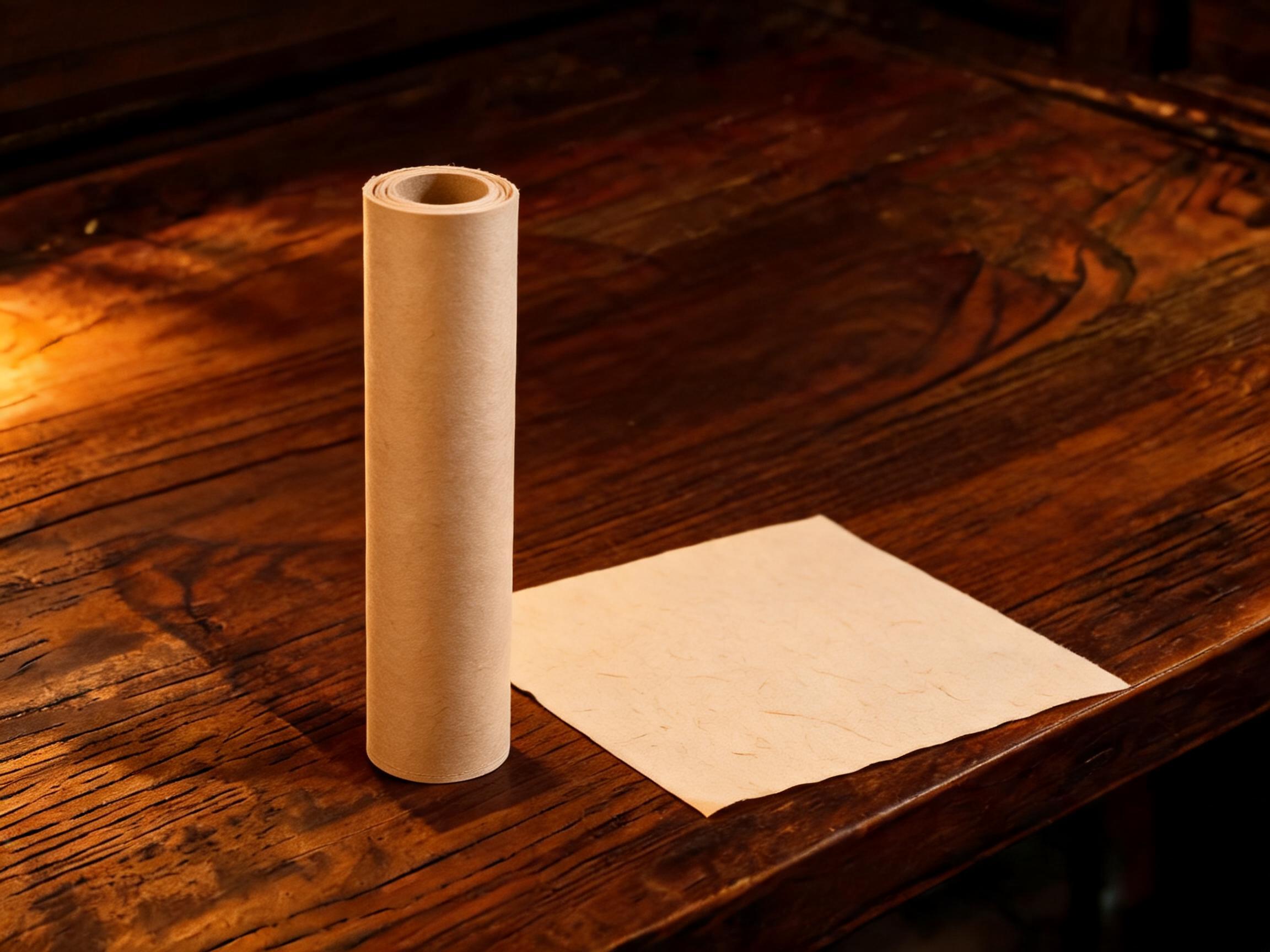
A procurement-focused guide for Japanese, Korean, and international buyers of sumi paper. Clarifies how sumi paper corresponds to xuan paper, explains raw versus sized (fanji) surfaces and glue sizing, and details standard sheet sizes, roll formats, and MOQs for shodo and sumi-e channels.
Sourcing Guide for Shodo & Sumi-e Buyers
Sumi Paper and Xuan Paper: What the Term Means in Procurement
When a Japanese stationery wholesaler, a Korean calligraphy supplier, or an overseas art-materials distributor searches for sumi paper, the term is used in the trade to refer to xuan paper. The paper is built on a bark-fibre base, typically a blend of bamboo and bark pulp, and it is the substrate most often specified for shodo (Japanese calligraphy) and sumi-e (ink painting). Buyers who already stock xuan paper under Chinese naming will find the same material family here; the difference is in how the surface is finished, how it is cut, and what order quantities the mill can support.
This guide is written for channel buyers—distributors, retail chains, and specialist art-supply importers—who need to confirm three things before placing a first order: which surface type fits the end user, which sheet or roll format matches the channel, and what minimum order quantities apply. It does not cover pricing or lead times, which are quoted per project.
Key takeaways for buyers:
- Sumi paper in sourcing correspondence corresponds to xuan paper, with a bark-fibre base (bamboo and bark pulp).
- Raw xuan absorbs ink quickly—suited to expressive shodo and sumi-e. Sized xuan (fanji) is treated with alum and suits small-format kaisho and precise brushwork.
- Standard sheet sizes: 69 × 138 cm and 33 × 69 cm (student). Custom sheets from 50 × 100 cm to 97 × 180 cm.
- Roll formats: widths 50 / 70 / 97 cm (custom 30–150 cm), lengths 10 / 20 / 50 m. MOQ 50 rolls, mixed widths accepted per order. Monthly capacity exceeds 5,000 rolls.
- Album formats: 20 / 30 / 50 pages. MOQ 100 albums.
- Grammage is not published as a fixed figure; verify thickness consistency per batch and request a batch specification sheet from the supplier.
Raw vs. Sized (Fanji): Choosing the Surface for the End User
The single most consequential specification for a shodo or sumi-e buyer is whether the paper is raw (sheng) or sized (shu). The two behave differently under the brush, and the end user's practice determines the right choice.
Raw xuan is unsealed. It absorbs ink quickly and lets the ink spread into the fibres, which is why it is the default for xieyi (freehand) sumi-e, large-character shodo, and expressive work where the artist uses ink bleed as part of the composition. For a retailer, raw xuan is the volume line for practicing students and for artists who work large.
Sized xuan (fanji) is treated with alum, which slows absorption and keeps brushstrokes crisp. It is the better match for small-format kaisho (regular script), detailed sumi-e, and any work where the artist needs controlled edges rather than spreading ink. A distributor serving calligraphy schools will usually carry both, because the same student may move from raw to sized as their practice develops.
Sizing is not a binary. The degree of glue applied affects how much the ink feathers: light sizing leaves some absorbency for softer transitions, while heavier sizing produces a harder, more resistant surface. Buyers specifying a surface for a private-label line should ask the mill which sizing level the batch is finished to, because the same nominal product name can be supplied at different glue weights depending on the order.
Sheet Formats: Standard, Student, and Custom
Sheet (flat) paper is the format most retail channels stock, because it bundles cleanly and displays well in a shop. The standard sizes in the trade are well established, which simplifies comparison across suppliers.
| Format | Dimensions | Typical channel use |
|---|---|---|
| Standard full sheet | 69 × 138 cm | Professional shodo and sumi-e; retail rolls and folded packs for advanced students |
| Student sheet | 33 × 69 cm | Classroom and practice packs; entry-level retail |
| Custom sheet | 50 × 100 cm to 97 × 180 cm | Private-label lines, oversized works, specialty art channels |
The 69 × 138 cm sheet is the reference size for most shodo supply, and the 33 × 69 cm student size is its half-cut. Custom sizes between 50 × 100 cm and 97 × 180 cm allow a distributor to build a differentiated pack—larger formats for mural or exhibition work, or trimmed sizes for a particular retail chain's display fixture.
Roll Formats: Widths, Lengths, and MOQs
Rolls are the efficient format for high-volume channels: art-supply chains, schools, and distributors who cut to order. They reduce handling and allow the buyer to trim sheets to local demand.
| Specification | Options |
|---|---|
| Standard widths | 50 cm, 70 cm, 97 cm |
| Custom widths | 30–150 cm |
| Roll lengths | 10 m, 20 m, 50 m |
| MOQ | 50 rolls; mixed widths accepted in one order |
| Monthly capacity | 5,000+ rolls |
The 50-roll minimum with mixed-width acceptance is a practical point for buyers: a distributor can place a single order combining 50 cm, 70 cm, and 97 cm widths, rather than committing to a full run of one width. For a channel testing a new market, that flexibility keeps the first order manageable while still meeting the mill minimum.
The 50 m roll is the most economical per metre for high-turnover lines, while 10 m and 20 m rolls suit retail-packaged products and smaller shops that cannot store long rolls. Wider custom widths up to 150 cm support large-format sumi-e and specialty applications.
Album Formats
Albums (bound or folded booklets) are a distinct SKU for retail and for teaching. Standard page counts are 20, 30, and 50 pages, with a minimum order of 100 albums. This format suits gift channels, calligraphy course materials, and retailers who want a ready-to-sell product rather than loose sheets.
Weight and Thickness: What to Confirm Per Batch
Sumi paper is not typically sold on a single published grammage in the way that office paper is. Thickness and hand-feel vary with the fibre blend and the sheet-forming process, and the specification that matters to a buyer is consistency within the batch rather than a single number on a data sheet.
Before confirming an order, request the batch specification sheet from the supplier. Check that thickness is consistent across the run, that the sizing level matches the agreed surface, and that the sheet dimensions are measured, not nominal. If a distributor is building a private-label line, the batch sheet is the document that lets you compare one delivery against the next.
Matching Format to Market
- Japanese shodo channel: Stock 69 × 138 cm standard sheets and 33 × 69 cm student sheets in both raw and sized (fanji) surfaces. Sized paper for kaisho practice; raw for expressive work.
- Korean and overseas calligraphy distributors: Roll formats in 50 / 70 / 97 cm widths let you cut to local retail sizes; the 50-roll mixed-width order keeps the first commitment low.
- Art-materials retail: Albums (20 / 30 / 50 pages) and student sheets are the entry points; custom sheets up to 97 × 180 cm serve the higher-end artist segment.
Questions to Put to the Supplier Before Ordering
The specifications above give a framework for comparison. The remaining variables are commercial and batch-specific, and they are best confirmed directly rather than assumed:
- Which sizing level (glue weight) is standard for each product line, and can it be adjusted for a private-label order?
- Can the supplier provide a batch specification sheet showing measured thickness and dimensions?
- For roll orders, what is the maximum number of widths that can be combined in one 50-roll shipment?
- For custom sheet sizes, what is the confirmed tolerance on the cut dimensions?
Next step: If you are sourcing sumi paper for a shodo or sumi-e channel, share your target formats (sheet sizes, roll widths and lengths, or album page counts) and surface preference (raw or sized). The mill can confirm batch availability, sizing level, and order terms against your specification.