
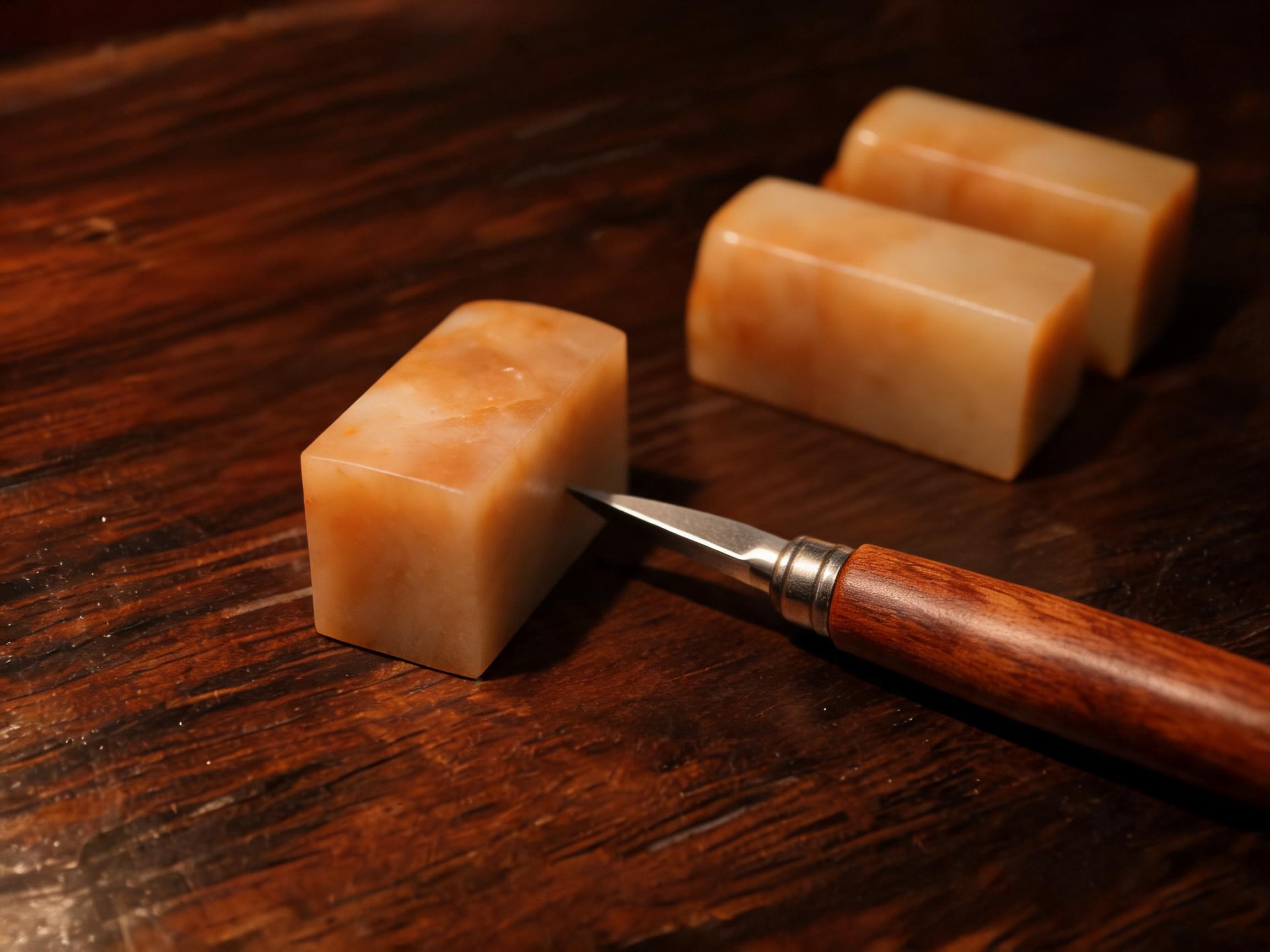
Seal pricing varies with stone grade, size, carving complexity, and order scale. This guide explains the factors that move Chinese seal stone price so B2B buyers can scope a meaningful quote without vague numbers.
Buyer's Cost Guide
If you are sourcing Chinese seals for a gift line, a stationery programme, or a collector channel, the first question is usually the same: what actually makes one seal cost more than another? "How much does a seal cost" is one of the most searched questions in this category, but the honest answer is that price is a function of four variables — stone material and grade, size and proportion, carving method and craft level, and order size and customization. This guide explains each cost driver qualitatively so you can compare suppliers and scope a quote that reflects your channel.
Key takeaways
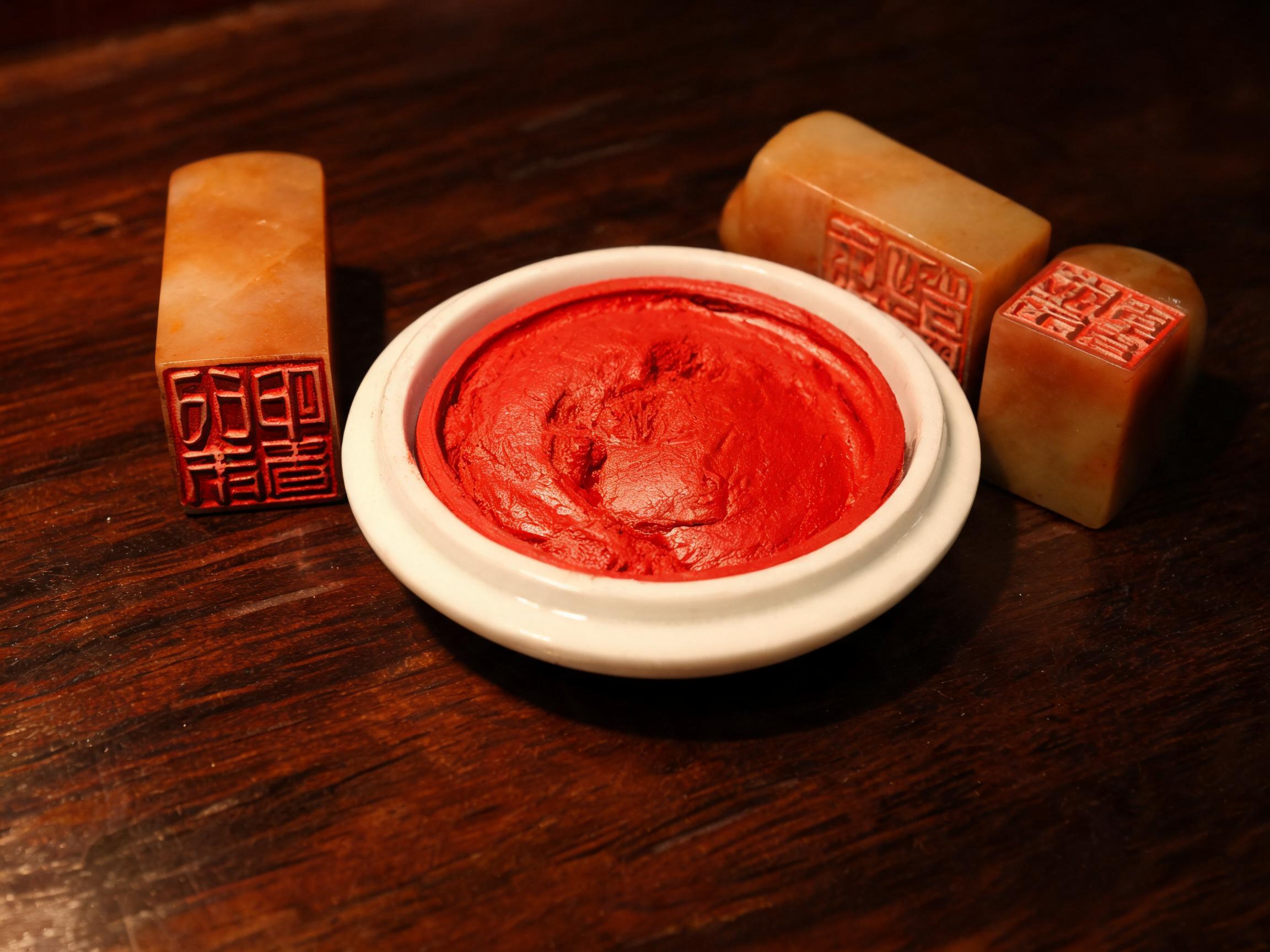
- Stone grade is the single largest cost driver — premium Shoushan stone costs more than practice-grade stone.
- Larger, thicker seals use more raw stone and are harder to source without flaws.
- Blank stones cost less than hand-carved pieces; custom designs add craft labour and lead time.
- Order scale and customization affect unit cost and production scheduling.
- A meaningful quote requires a clear brief: stone type, size, carving level, quantity, and use case.
What You Are Actually Paying For in a Chinese Seal
A seal is not a single material — it is a small sculpture with a functional surface. The price reflects the raw stone, the skill required to shape and carve it, and the yield loss from selecting a clean, carveable block. Two seals of the same height can differ in cost because one uses a stone with fine grain and structural integrity, while the other uses a practice-grade block with consistent hardness but a simpler surface. Buyers who understand this distinction can match the right stone to the right channel instead of over-specifying or under-delivering.
Factor 1: Stone Material and Grade
Stone is the foundation of seal cost. The market distinguishes between premium seal stone — such as Shoushan — and practice-grade stone. Premium Shoushan seal stone is sourced from verified quarries and selected for fine grain and structural integrity, which makes it suitable for professional carvers and collectors. Practice seal stone is produced for affordability and consistency: it offers stable hardness and a tested carving surface, which is what calligraphy schools and beginner carving programmes need.
Which one fits your channel?
- Premium collectible and gift channels: premium carved stones sit at the higher end of the range. The stone itself is part of the value proposition, so buyers in this segment should expect material grade to dominate the quote.
- Practice and entry programmes: practice-grade stones keep unit costs lower and are designed for repetition and learning. If your buyers are schools, workshops, or first-time carvers, this is the appropriate specification.
- Mixed programmes: some retailers carry both — a premium tier for collectors and a practice tier for volume. Specifying both in one inquiry helps the supplier quote each line correctly.
See the Practice Seal Stone for the entry-level specification.
Factor 2: Size and Proportion
Seal size affects cost in two ways. First, larger stones consume more raw material. Second, larger stones are harder to source without natural flaws, so the yield loss from cutting and selecting a clean block is greater. A tall, square seal with a wide base requires a thicker rough stone than a small, slender seal — and the price reflects that difference.
Proportion matters too. Traditional seals follow established ratios between base, body, and top. A seal that deviates from standard proportions may require more shaping time or a custom-cut stone. When you request a quote, state the intended face size and overall height so the supplier can match the stone to your design rather than cutting down a larger block.
Factor 3: Carving Method and Craft Level
Carving is where labour and skill enter the cost. There are three broad levels:
- Blank stone: the lowest-cost option. You buy the stone only; the buyer or a local engraver adds the design. This suits markets where local engraving is inexpensive or where the seal is sold as a DIY or classroom item.
- Standard carving: a supplier carves a simple name, logo, or motif. Cost includes machine or hand time, but the design is straightforward and repeatable.
- Custom and fine carving: intricate designs, relief carving, or collector-grade work by an experienced carver. This is the highest craft level and carries the highest labour cost and longest lead time.
For B2B buyers, the key question is whether your channel sells the seal as a functional tool or as an object. Functional seals can use standard carving. Gift and collector channels usually justify custom or fine carving because the buyer is paying for the art, not just the stamp.
Factor 4: Order Size and Customization for Wholesale Buyers
Order scale changes unit economics, but not in a simple linear way. Larger orders let a supplier plan stone procurement and carving in batches, which can reduce per-unit cost. However, if the order requires a custom stone size, a custom design, or a specific grade that must be selected stone by stone, the per-unit cost will not fall as quickly. Customization also adds setup time — creating a master carving, approving a sample, and repeating it consistently across the batch.
Wholesale buyers should separate two questions:
- Is the seal design fixed (same carving repeated) or variable (each seal different)?
- Is the stone grade fixed (all premium, all practice) or mixed?
Suppliers quote more accurately when these are clear. A mixed order with two grades and two carving levels is effectively two production lines, even if it ships as one order.
How to Request a Meaningful Quote from a Supplier
A vague inquiry — "send me your best price for seals" — produces a vague answer. To get a quote you can compare, provide the following:
- Stone type: premium Shoushan, practice-grade, or a specific stone you have in mind.
- Size: face dimensions and overall height, in millimetres or centimetres.
- Carving level: blank, standard carved, or custom fine carved. Include a reference image or sketch if custom.
- Quantity: total pieces and how many designs or sizes are involved.
- Channel and use case: gift retail, school programme, collector edition, or corporate order. This helps the supplier recommend the right grade.
- Packaging and presentation: whether the seal ships in a box, a pouch, or bulk. Packaging affects handling cost.
- Target market and compliance needs: if your market requires specific labelling or import documentation, state it upfront.
With these details, a supplier can quote per line and explain which factor drives the cost. If two suppliers give very different numbers, the reason is usually a difference in stone grade or carving level — not simply margin.
FAQ
Why do two seals of the same size cost differently?
Stone grade and carving level are the usual reasons. A premium stone with fine grain and a hand-carved custom design costs more than a practice-grade blank of the same dimensions.
Should I choose premium or practice-grade stone?
Match the stone to the channel. Premium Shoushan suits collectors and gift buyers who value the material. Practice-grade stone suits schools, workshops, and entry-level programmes where consistency and affordability matter more.
Does a larger order always lower the unit price?
Not always. Batch planning can reduce cost, but custom sizes, custom carvings, and stone-by-stone selection limit the savings. Ask the supplier to break down which part of the order is standard and which is custom.
What information speeds up a quote?
Stone type, size, carving level, quantity, design reference, and destination market. The more specific the brief, the more comparable the quote.
Can I mix grades in one order?
Yes, but treat it as separate lines. A mixed order with two grades and two carving levels is two production streams, and the quote should reflect that.
Ready to scope your seal order? Share your stone type, size, carving level, and quantity for a tailored quote.