
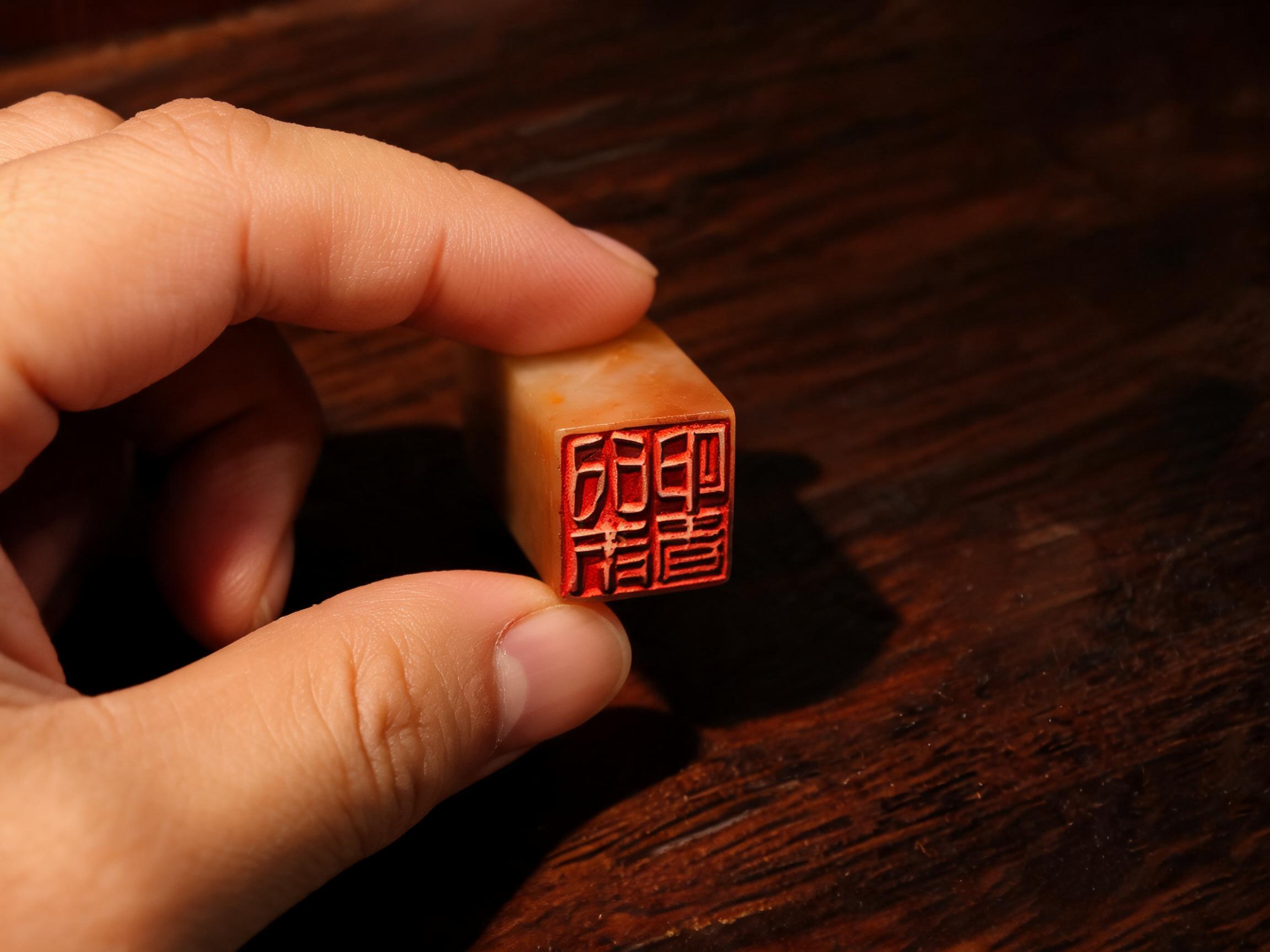
A sourcing guide for gift retailers, corporate-gifting buyers and cultural institutions ordering carved name seals in bulk: how to choose the stone grade, state multi-language engraving requirements, lock in a proof sample before production, and pair the right vermilion ink paste.
A custom hanko order is not a generic gift SKU. Once your name seals leave the hand of the buyer and enter stock, catalog or a corporate gifting program, the order is fixed by decisions made months earlier: which stone you specified, how the engraving requirements were written, whether a proof sample was approved before the carving line started, and which ink paste you bundled. This guide walks a wholesale buyer through those four decisions in the order they become irreversible.
What this guide covers
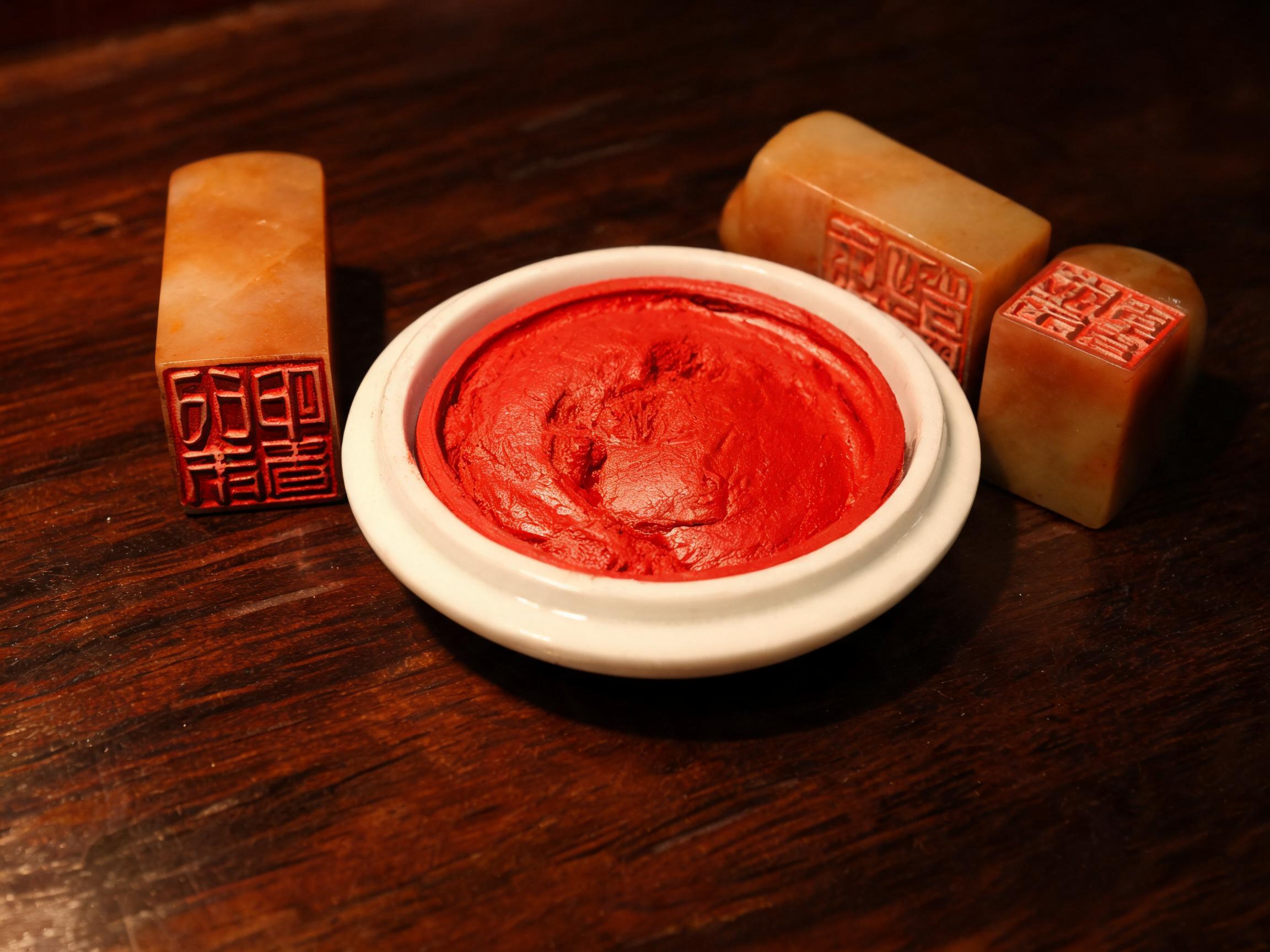
- Stone selection by program type: collector and professional carving, institutional gifting, calligraphy education.
- How to write multi-language engraving requirements so the proof stage has something concrete to check.
- What the proof sample approval step actually controls, and how to sign off without guessing.
- Ink paste pairing, and why the cheapest pigment is not the default for a gift program.
- A gifting-set option when the stone and seal alone are not enough for the occasion.
On this page
Stone selection: specify the grade, not the category
Buyers who write "seal stone" on a purchase order leave the supplier free to interpret, and that interpretation is where a bulk order drifts from the sample. In practice a seal-stone program has two different jobs, and the stone should be chosen against the job rather than against a price point.
For collector and professional-carving programs, the stone itself is part of the value. A premium Shoushan seal stone is graded on fine grain and structural integrity, which matters because a carver cutting characters into a stone with internal flaws can lose the piece mid-cut. Quarry sourcing is a stated point of origin, not a decorative claim; buyers building a collection-facing catalog should say clearly in the order brief that the stone grade is the product, not the engraving.
For calligraphy schools, workshop suppliers and beginner carving programs, the requirement is different: consistency. A practice seal stone is offered with consistent hardness and a tested carving surface, which is what a school needs when it is ordering for a cohort and cannot afford a mix of stones that cut differently from one sheet to the next.
The trade-off is direct. Higher-grade stone costs more per piece and belongs in collector retail, corporate keepsake gifting and museum-store channels. Practice-grade stone keeps a per-student budget workable and keeps the training program running; it does not deliver the same material appeal. Mixing the two grades inside a single order to "fill" a carton is where buyers get caught, because the end customer cannot tell from a catalog image which grade arrived. State the grade and the application on the order, and keep them separate at carton level.
Multi-language engraving requirements
Seal-carving for a gift program is rarely a single script. A Japanese customer wants kanji or kana, a Korean buyer may want Hangul, Chinese buyers want Chinese characters, and a corporate customer in the Middle East or Central and Eastern Europe may want the name rendered in Latin script, sometimes alongside a Chinese name-seal convention. The custom carved name seal is offered with multi-language engraving and proof sample approval exactly because a bulk program cannot proceed on a verbal understanding of what the characters should look like.
Before you send a list of names, decide what you are actually specifying. Three things are frequently left unresolved and each one is expensive to correct later:
- The script and variant. Chinese characters have more than one rendering convention, and a customer's name in Japanese kanji is not the same choice as the same name written in another script. Say which script each line item needs, and where a customer supplies their own characters, attach the characters rather than a transliteration.
- Layout and orientation. A seal face can be arranged vertically or horizontally, with characters at a stated reading order. For a personal name seal this follows the customer's convention; for a corporate seal it is usually fixed by the client. Put the reading order in the brief.
- Character set limits for the batch. Multi-language engraving across several scripts means the proof stage is checking different things per line. Split the order brief by script group so the proof can be reviewed against the correct expectation for each group.
The buyer's job is not to become a calligrapher. It is to remove ambiguity from the input so that the proof stage is a check against a written requirement, not a negotiation.
Proof sample approval before production
The proof sample is the control point that transfers risk from the bulk run back to a single piece. A carved seal cannot be un-carved: if the characters are wrong, the stone is spoiled, and the loss is not a reprint — it is the material cost of every affected piece. That is why proof approval should be a formal, signed stage rather than a courtesy photo.
Make the proof approval cover four things:
| Check | What you are approving | What to do if it differs |
|---|---|---|
| Script accuracy | The exact characters or letters on the seal face | Return the marked-up proof against the original line item, not a paraphrase |
| Layout and orientation | Reading order and placement on the face | Reference the agreed layout convention in the brief |
| Stone grade | That the approved piece uses the specified grade | Confirm the grade statement for that line item on the order |
| Impression quality | How the carved face reads in paste | Judge the impression, not only the carved stone |
Approve per line item or per script group, not once for the whole order. A single sign-off for a batch that mixes scripts and layouts hides the differences that matter most. Keep the approved proof as the reference record for the order; when a reorder comes in, the approved proof is the specification, and the buyer does not have to reconstruct the brief from memory. Ask the supplier to confirm which proof artifacts are returned with the order for the specific model — photographs, an ink impression, or a physical sample — and plan your internal review time around that format.
Pairing the right ink paste
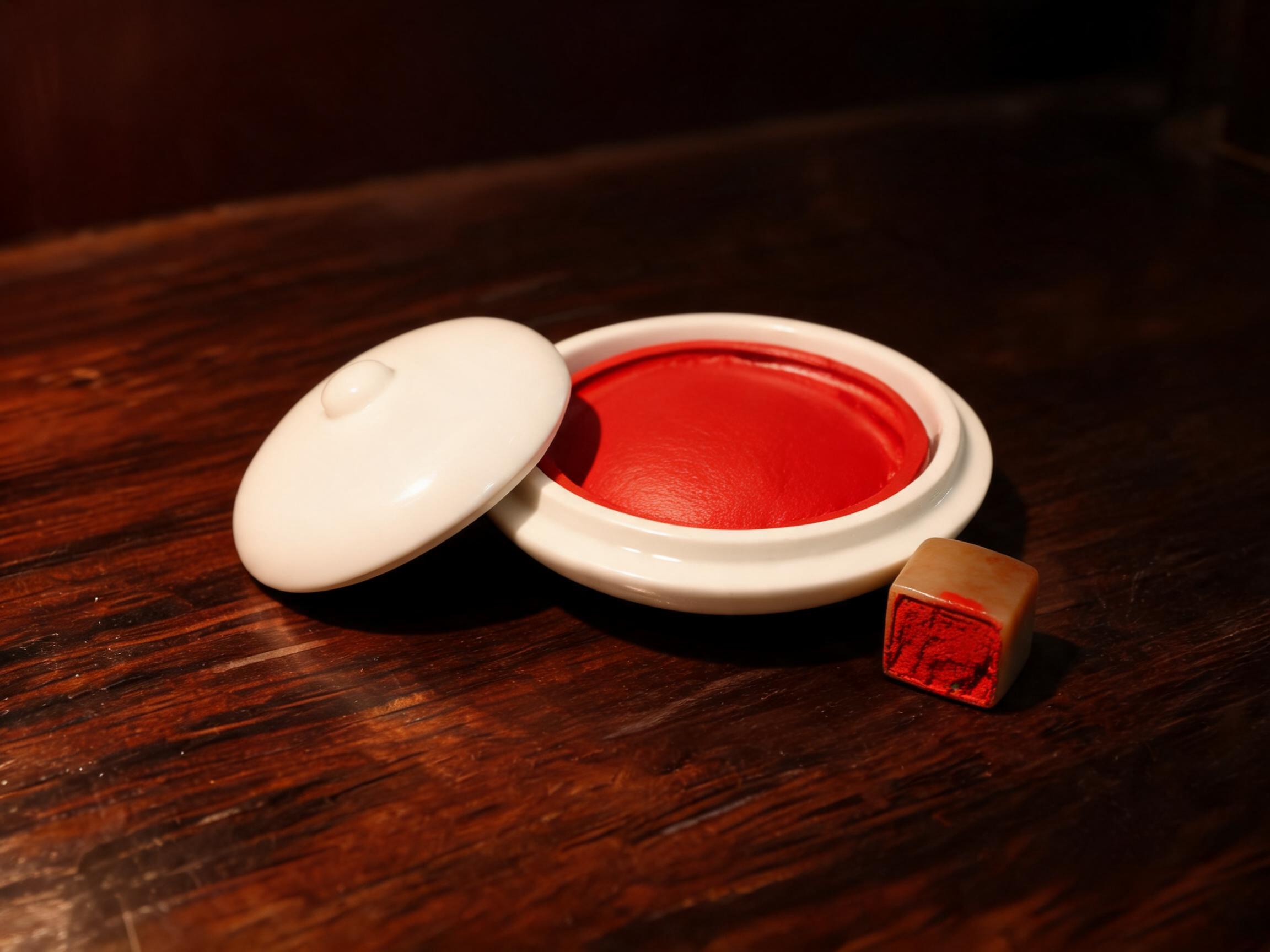
Ink paste is the cheapest line item in the order and the one most likely to undermine it. A seal gifted with weak or fading paste produces a poor impression, and the customer blames the seal. A vermilion ink paste refined from cinnabar pigment with a plant oil binder is the pairing to specify when the program is a gift or a collection piece, because color consistency and long-term stability are the properties the recipient will actually experience.
Match the paste to the program, not to the cheapest available:
- Collector retail and corporate keepsakes: pair the premium stone with a refined vermilion paste; the two are sold together and judged together.
- Educational and workshop supply: practice stone can go with a workable paste, but confirm the paste specification for the specific order rather than assuming the gift program's paste applies.
- Religious and temple use: consistency of color matters when the same impression is used repeatedly; specify the paste as part of the offering, not as an accessory.
Ink paste also has practical packing implications. If paste ships inside a gift set or a carton, confirm how the paste is contained and packed for the specific model with the supplier before the order is placed. This is a question to resolve at order time, not a detail to discover at the destination.
When the program needs a finished gift set
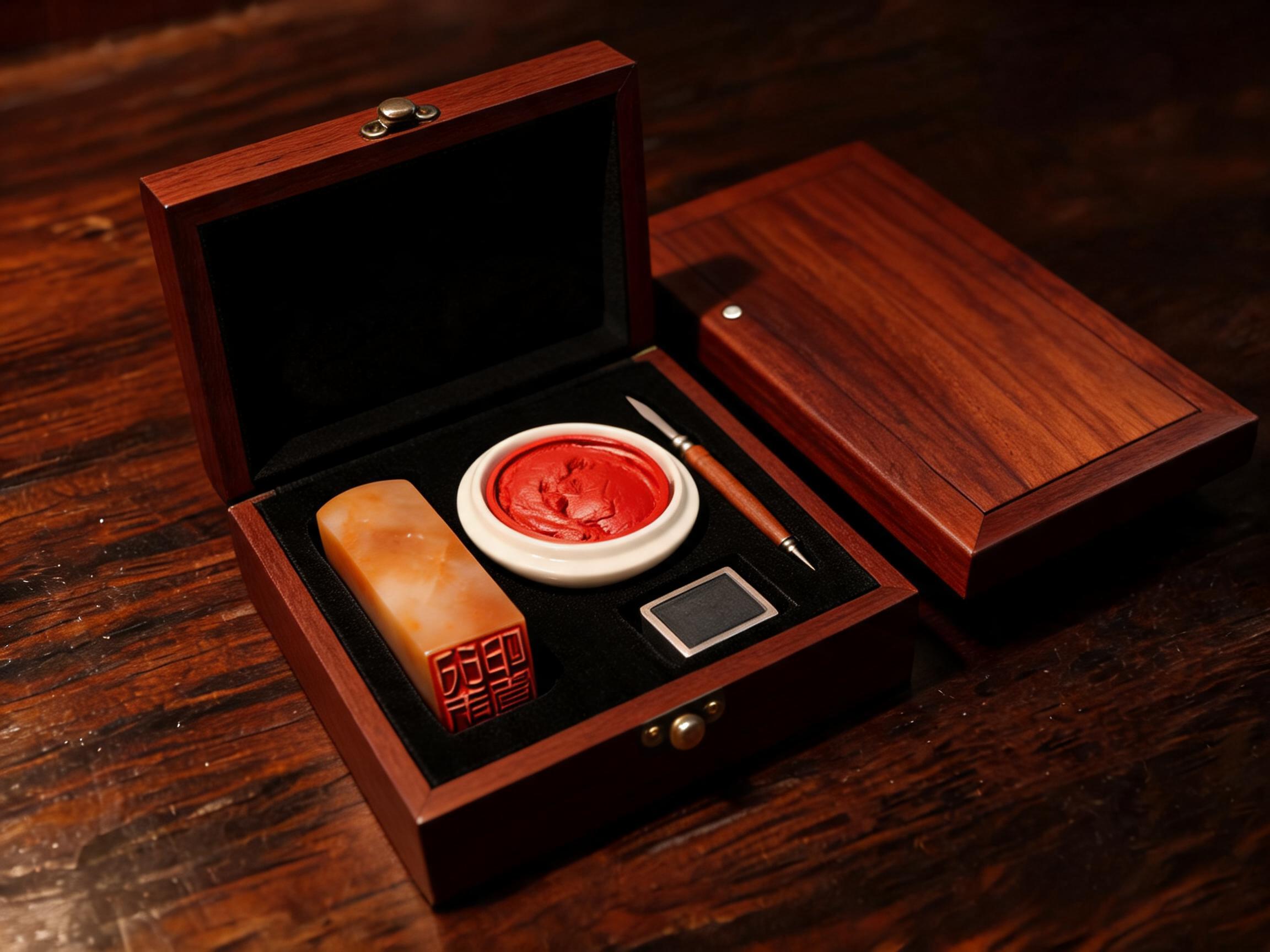
Some programs cannot stop at a stone and a paste. A corporate gifting order for a milestone, a cultural institution's shop item, or a workshop starter package needs the customer to receive everything required to use the seal. The seal carving gift set is offered as a complete package — stone, ink paste, knife and ink pad in a custom presentation box — for cultural gifting and corporate programs.
A complete set changes the approval workload. The proof sample stage still applies to the carved seal, and now the presentation box and the components in it are also part of what the buyer is approving. Treat the set as a product with its own specification: state what the box must contain, confirm that the stone grade inside matches the program, and decide whether the box artwork or presentation details require their own sign-off. If the set is for corporate gifting, the box is usually the item that carries the brand, so its approval cannot be deferred to the packing stage.
There is also a catalog logic worth stating plainly. A retailer that stocks both collector seals and gift sets is not offering two versions of one product — it is selling to two different purchase occasions. Keep the line items and their approval records separate so a reorder of one does not drag the specification of the other.
Writing the order brief
A workable custom hanko brief for a wholesale program is short but specific. It should state, per line item: the stone grade and its intended application, the script and layout for the engraving, the characters themselves (attached, not paraphrased), the approved proof reference, the ink paste pairing, and whether a gift set or presentation box is included. Where a program spans collector and educational channels, split the brief into those two groups before sending it.
Anything not covered by that brief — packing method, proof artifact format, box contents, how the paste is contained — is a question for the supplier for the specific model, and it is better asked before the carving line starts than after the cartons close.
Ready to specify an order? Start with the custom carved name seal, then confirm the stone grade and ink paste pairing that suit your program.