
A practical comparison of ink sticks and liquid ink for B2B buyers sourcing calligraphy ink for schools, temples, gift sets, and retail. Includes a sample-verification checklist and assortment tiering.
When you source black ink for calligraphy, you are usually not choosing between "good" and "bad." You are choosing between formats: solid ink sticks that must be ground on a stone, and liquid ink that is ready to pour. Each format fits different sales channels, and each carries a different value proposition for the end user.
This article gives wholesale buyers a concrete framework: which format works for which channel, what to check in samples, and how to build a tiered assortment that covers student, studio, collector, and temple demand.
Key Takeaways
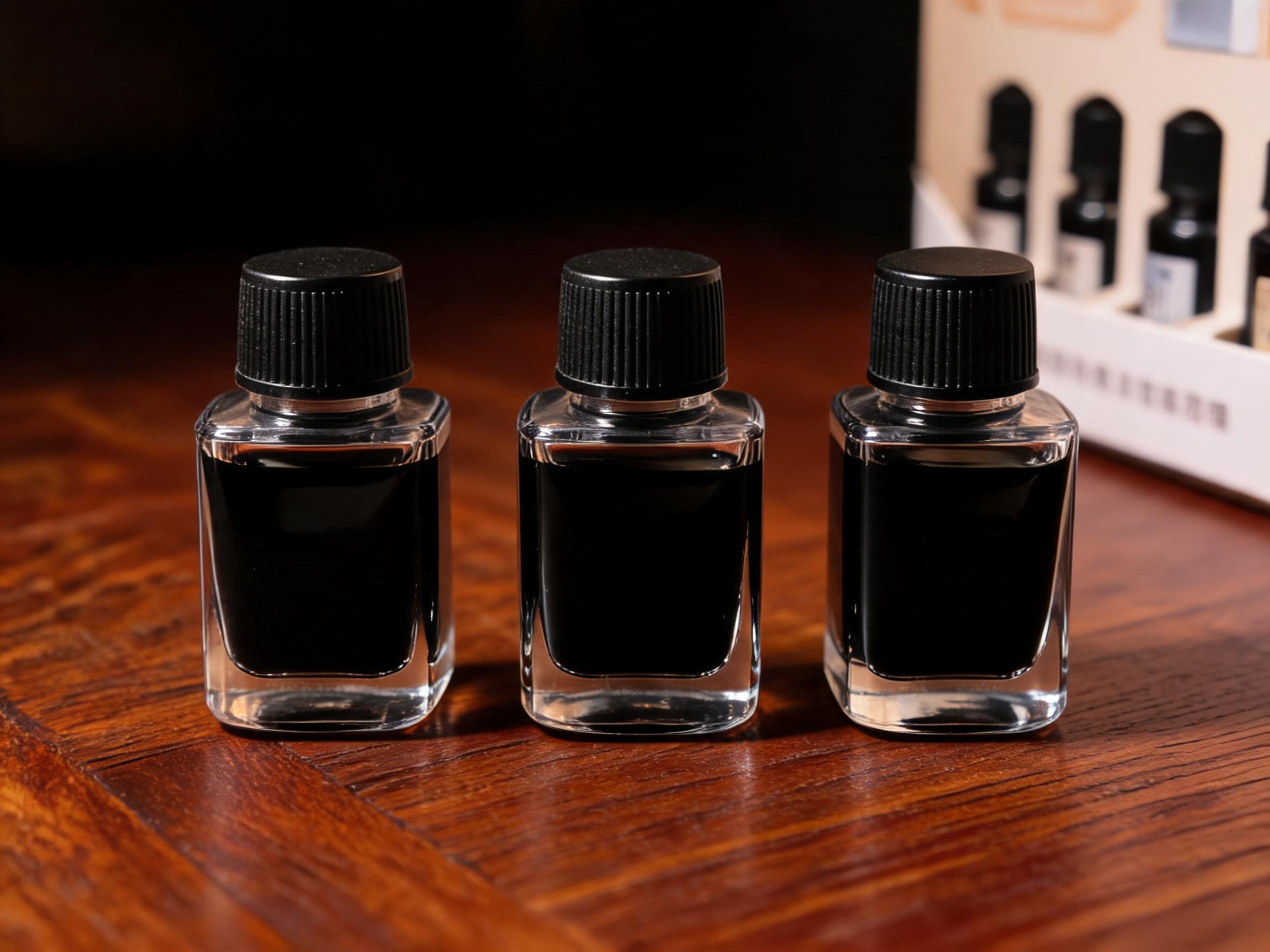
- Liquid ink is the practical default for classrooms, high-volume practice, and any channel where convenience drives repeat purchase.
- Ink sticks hold their ground in gift, collection, and ceremonial/religious settings, where the act of grinding is part of the experience.
- Sample verification should focus on consistency, sediment, flow, and grinding feel — not on invented performance figures.
- A four-tier assortment (student liquid, student stick, premium stick, bulk liquid) covers the majority of wholesale calligraphy ink demand.
Format-to-Channel Fit: Ink Sticks vs. Liquid Ink
Overseas buyers serving different end markets quickly discover that one format does not fit all. A school in Southeast Asia needs ink that students can pour and use within minutes. A gift shop in Central Europe selling a calligraphy starter set needs packaging that feels like a keepsake. A temple supply store needs reliability and a presentation that matches tradition.
| Channel | Best-Fit Format | Why |
|---|---|---|
| Art schools / classroom programs | Liquid ink (student-grade or bulk) | Ready to use, consistent batch after batch, no grinding equipment or clean-up time. |
| Retail stationery chains | Student-grade liquid ink + student practice ink stick | Liquid ink drives repeat purchase; the stick offers a low-cost entry into traditional practice. |
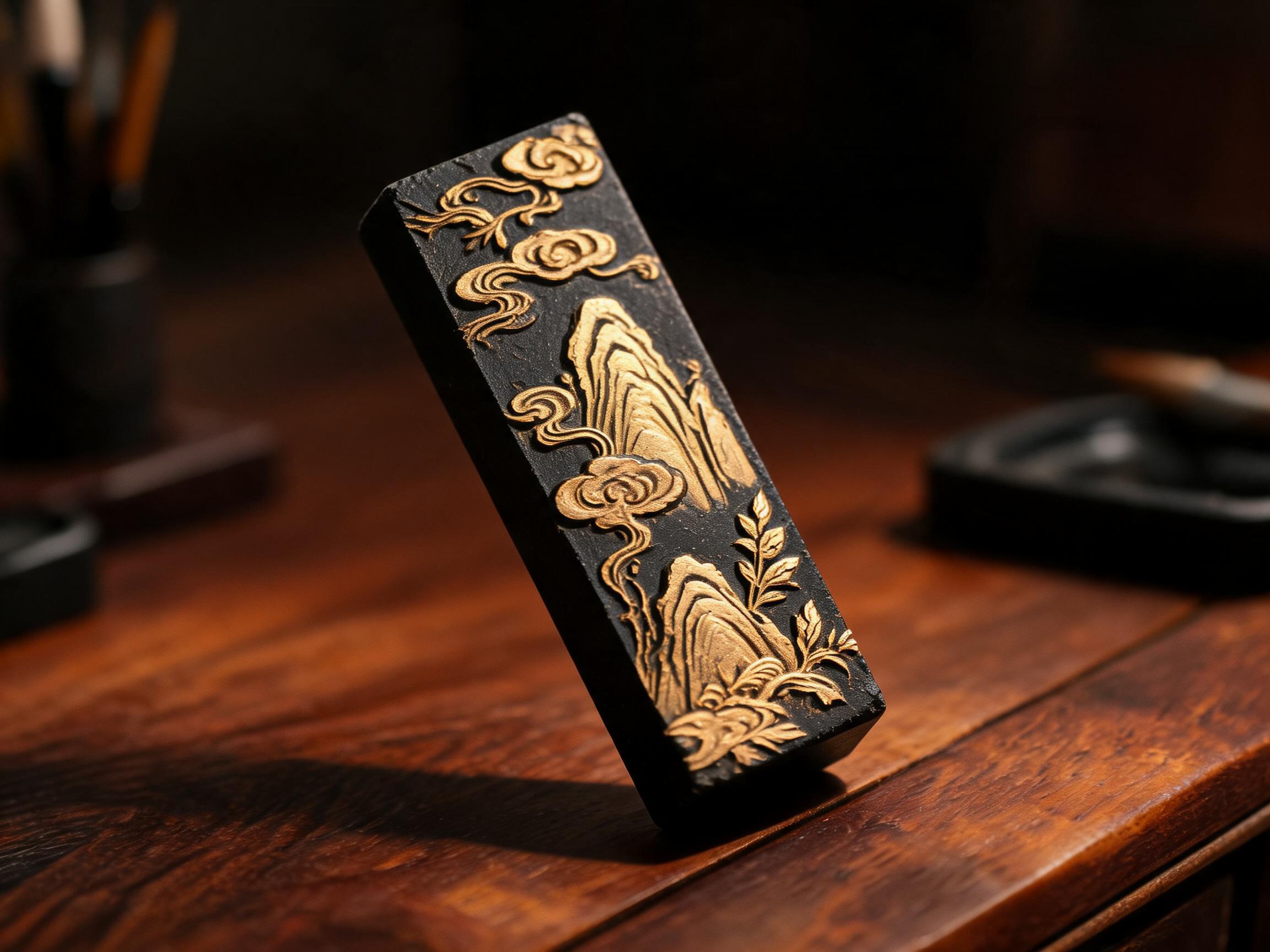
| Gift sets / cultural gift distributors | Premium pine soot Hui ink stick | Hand-crafted pine soot with gold-filled calligraphy patterns — a finished object, not a consumable. |
| Temples and religious venues | Ink sticks (student or premium, depending on budget) | The grinding ritual is part of the practice; sticks store well and are presented as traditional items. |
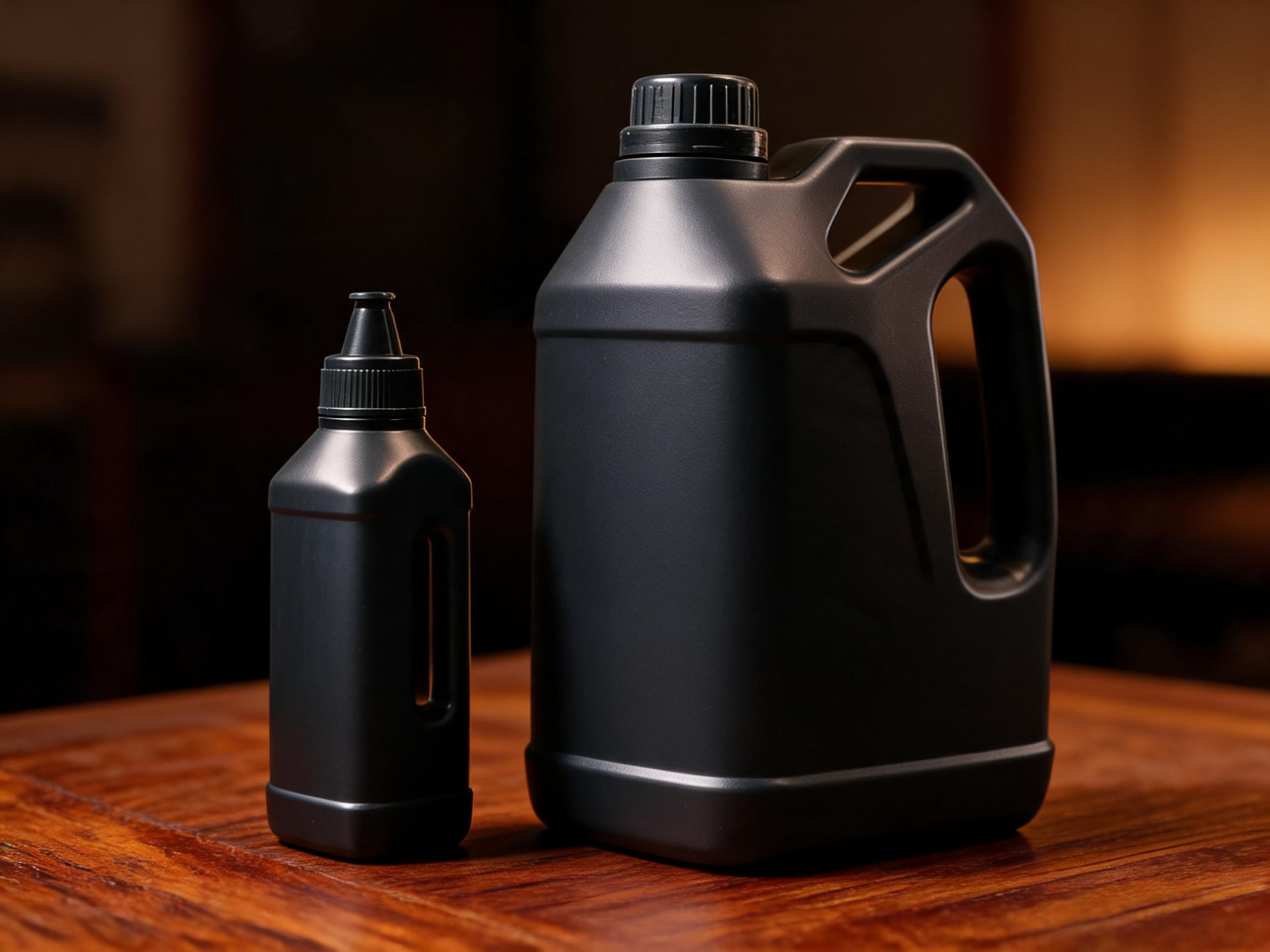
| Institutional / bulk procurement | Bulk calligraphy liquid ink (1L and 5L containers) | Large-format containers reduce handling and packaging waste for high-volume users. |
Liquid ink: convenience wins in volume channels
For educational distributors and retail stationery chains, student-grade liquid ink is formulated for smooth flow and is sediment-free. These two properties matter because they translate directly into fewer complaints at the retail counter: no clogged brushes, no shaking required before each use, no visible residue at the bottom of the bottle.
For art schools and institutional procurement — where ink is consumed by the litre rather than the millilitre — bulk calligraphy liquid ink is supplied in 1L and 5L containers. The larger format is not simply a scaled-up bottle; it changes the handling and storage model for the buyer. Institutions can decant into smaller working containers, which reduces packaging cost per user.
Ink sticks: tradition, ritual, and gift value
Ink sticks are not a slower version of liquid ink. They serve a different purpose. The buyer who selects an ink stick is buying the grinding experience, the visual object, and in many cases the cultural authenticity that a plastic bottle cannot deliver.
For calligraphy schools that teach traditional methods, the student practice Hui ink stick offers an affordable pine soot option. For collectors and cultural gift distributors, the premium pine soot Hui ink stick is hand-crafted with gold-filled calligraphy patterns — a presentation-grade item suited to boxed sets and display.
Sample Verification Checklist for Buyers
When you request samples from a supplier, the goal is not to confirm that the ink is "high quality." The goal is to confirm that the ink behaves consistently and matches the claims made for its grade. Here is what to check, using only qualitative observations that you can verify by hand.
For liquid ink
- Flow: Pour a small amount into a shallow dish. Does it flow smoothly, or does it drip in uneven globs? Smooth flow indicates the formulation is suitable for brush work.
- Sediment: Let the sample sit undisturbed for a day. Check the bottom of the container. Visible sediment suggests the ink may need shaking before use, which is a drawback for classroom settings.
- Consistency across bottles: Open two or three bottles from the same batch. The color and viscosity should look the same. Batch-to-batch variation is a red flag for retail channels.
- Drying behavior on paper: Write a few strokes on the paper type your end users will use. Observe how the ink absorbs and dries. Note whether it bleeds beyond the stroke edge. Do not rely on published drying times — test with your own paper supply.
For ink sticks
- Grinding feel: Grind the stick on a stone with a small amount of water. The feel should be smooth and consistent, not gritty. A gritty stick can scratch the stone and produce uneven ink.
- Ink yield: Observe how much ink a short grinding session produces. A stick that requires excessive grinding for a small amount of ink may frustrate students.
- Surface and decoration: For premium sticks, inspect the gold-filled patterns and surface finish. These are presentation features — check for chips, fading, or uneven application.
- Smell: Pine soot sticks typically carry a faint natural scent. A strong chemical odor is worth raising with the supplier.
Assortment Tiering: Student to Collector
A wholesale ink assortment that covers only one tier leaves money on the table. Most importers serving multiple channels benefit from a four-tier structure:
- Student / volume tier: Student-grade liquid ink and student practice Hui ink sticks. These are your bread-and-butter SKUs for schools, stationery chains, and high-turnover retail.
- Institutional bulk tier: 1L and 5L bulk liquid ink for art schools, universities, and large calligraphy programs. This tier is about logistics and cost-per-user, not shelf appeal.
- Gift and cultural tier: Premium pine soot Hui ink sticks with gold-filled patterns, packaged for gift sets and cultural retail. These carry higher margins and lower unit volume.
- Temple / ceremonial tier: Ink sticks selected for traditional presentation and storage stability. The choice between student and premium grades depends on the venue's budget and the expectations of its patrons.
Not every buyer needs all four tiers. A stationery chain may start with student liquid ink and add student sticks once demand is proven. A gift distributor may focus exclusively on premium sticks. The point is to map your tier to your channel rather than ordering a single SKU for all customers.
Sourcing Notes for Importers
When evaluating a supplier for black ink for calligraphy, ask for samples from the specific grade you intend to order — not a generic "ink sample." The formulation for student-grade liquid ink differs from bulk institutional ink, and the premium stick is a different product category from the student practice stick. A sample that performs well in one grade tells you little about another.
For liquid ink, confirm the container format and closure type. The 1L and 5L bulk containers are designed for institutional decanting; retail liquid ink typically comes in smaller consumer bottles. If your channel requires retail-ready packaging, clarify this early.
For ink sticks, ask about the production method. The premium pine soot Hui ink stick is hand-crafted with gold-filled calligraphy patterns — a detail that matters for gift packaging and display. The student practice stick is positioned for affordability, so the finish and decoration will differ. Match the grade to the end use, not to the marketing photo.
FAQ
A: Yes, and many buyers do. Liquid ink serves customers who want convenience, while ink sticks serve customers who want the traditional experience or are buying a gift. They complement each other rather than compete.
A: Let a sample sit undisturbed and inspect the bottom of the container. Student-grade liquid ink is formulated to be sediment-free, but always verify with a sample from your actual order batch.
A: The student practice Hui ink stick is designed for affordability and everyday practice. The premium pine soot Hui ink stick is hand-crafted with gold-filled calligraphy patterns, making it suitable for collectors and gift presentation.
A: Bulk calligraphy liquid ink is available in 1L and 5L containers, intended for art schools and institutional procurement.
A: Keep them dry and away from direct sunlight. Excess moisture can affect the stick surface. For specific storage conditions, confirm with your supplier based on your climate and warehouse setup.
Choosing between ink sticks and liquid ink is ultimately a channel decision. Map the format to the buyer, verify samples against the qualitative checklist above, and tier your assortment so that each customer segment finds the right product. For buyers ready to explore specific grades, the product pages linked above provide a starting point for sample requests.