A technical explainer for overseas B2B buyers on sumi ink: what it is, how liquid ink and ink sticks differ, oil soot vs. pine soot, selection by application, ordering checklist, and storage guidance.
Sumi ink is a black ink traditionally made from soot, a natural binder, and water. It is used for East Asian calligraphy, ink painting, and a range of ceremonial and religious applications. For B2B buyers, the practical question is not only what sumi ink is, but which format — liquid ink or ink stick — fits the end use, the price point, and the storage conditions of your market.
Key Takeaways
- Sumi ink comes in two main commercial forms: ready-to-use liquid ink and solid ink sticks that are ground with water.
- Ink sticks are differentiated mainly by soot source — oil soot or pine soot — which affects tone and working character.
- Liquid ink suits high-volume calligraphy practice and classroom use; ink sticks suit gift, collector, and ceremonial segments.
- Ordering decisions should be based on format, soot type, stick weight, MOQ, and storage conditions.
What Is Sumi Ink?
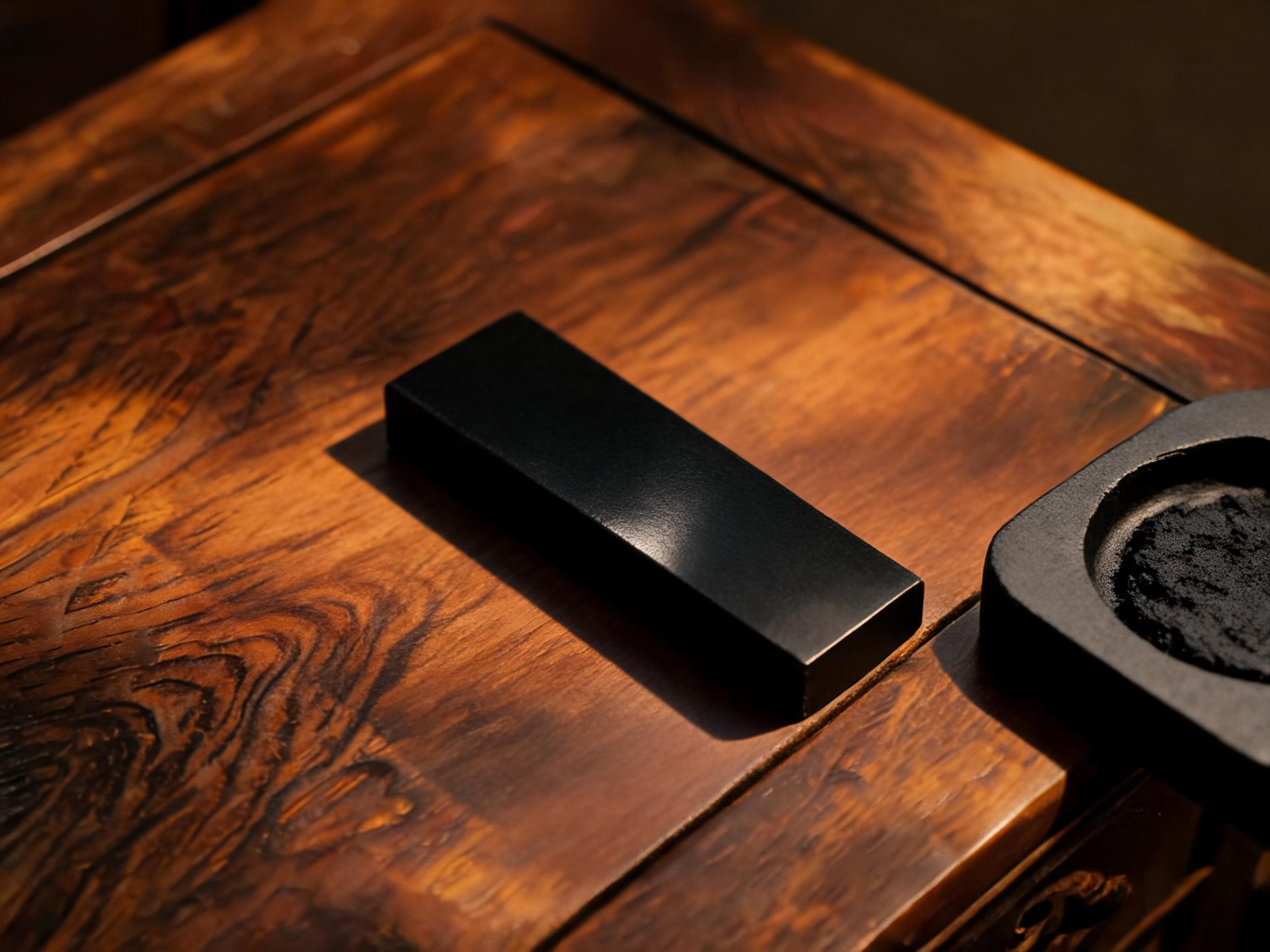
Sumi ink is a black ink historically produced by burning plant or mineral oils to create soot, then combining that soot with a natural binder and forming it into a solid stick. The stick is ground against a stone with water to produce ink of the desired concentration. In modern supply chains, the same ink chemistry is also sold as a pre-mixed liquid for convenience.
The term “sumi” is Japanese; the same material is known as mo in Chinese and meok in Korean. For importers and wholesalers, the category covers both the traditional solid format and the bottled liquid format, and the two are not interchangeable in every application.
Liquid Ink vs. Ink Sticks
The choice between liquid ink and ink sticks is the first decision a buyer makes, because it determines packaging, shelf life, and the customer segment you can serve.
| Factor | Liquid Ink | Ink Stick |
|---|---|---|
| Format | Ready-to-use bottled ink | Solid stick, ground with water |
| Preparation | None; pour and use | Requires inkstone and grinding |
| Typical buyer | Schools, studios, high-volume calligraphy | Gift, collector, ceremonial, serious practice |
| Packaging | Bulk bottles or containers | Individual sticks, often boxed |
| Storage | Sealed container; avoid freezing | Dry, stable humidity; long shelf life |
Liquid ink removes the grinding step and delivers consistent concentration from the bottle. That consistency is an advantage in classrooms and production studios where time and uniformity matter. Our Bulk Calligraphy Liquid Ink is supplied in bulk format for buyers who need volume rather than individual retail units.
Ink sticks, by contrast, are a crafted product. The buyer grinds the stick with water on an inkstone, controlling ink density and tonality in the process. This makes the stick the preferred format for gift sets, collector items, and ceremonial use where the object itself carries cultural value. It also means the stick is a slower-consumption product, which affects reorder cycles.
Oil Soot vs. Pine Soot
Ink sticks are classified by the soot used in production. The two main commercial types are oil soot and pine soot. The difference is not a quality ranking — it is a difference in tone and working behavior that suits different end uses.
Oil Soot Ink Sticks
Oil soot ink sticks are made from oil soot and a natural binder. They are known for a rich, glossy black tone and a smooth polished surface. Our Oil Soot Hui Ink Stick Classic is available in 30g to 150g per stick with an MOQ of 50 pcs, and is produced with consistent ink density per batch — a relevant point for buyers who need repeatable results across orders.
Pine Soot Ink Sticks
Pine soot ink sticks are made from pine soot. They are a traditional option and are often selected for calligraphy and painting where a different working character is desired. Our Premium Pine Soot Hui Ink Stick is a pine-soot hui ink stick in the same product family.
For buyers, the practical distinction is this: oil soot is often associated with a glossy, dense black, while pine soot is a separate soot source with its own traditional profile. The right choice depends on what your end customers expect from the ink, not on a universal “better” grade.
Choosing by Use
Calligraphy
For high-volume calligraphy practice, liquid ink is the efficient choice: no grinding, consistent density, and bulk packaging that suits classroom or studio supply. For serious calligraphers and gift-oriented calligraphy sets, ink sticks — particularly oil soot for a glossy black — are the more appropriate format.
Painting
Ink painting uses both formats. Liquid ink is convenient for large works and underpainting; ink sticks allow the artist to control dilution and tone directly on the stone. Buyers serving painting supply stores should stock both formats rather than treating them as substitutes.
Gift and Collector
Ink sticks are the stronger gift and collector product because they are physical, boxed, and culturally legible. Stick weight (30g–150g) and surface finish (a smooth polished surface) are visible quality cues that matter in this segment. Liquid ink is less common as a standalone gift item.
Religious and Ceremonial Use
Sumi ink for religious use is a distinct segment. In temples, shrines, and cultural venues, ink may be used for writing, sealing, or ceremonial marking. Buyers in this segment should confirm the format the venue expects — liquid for convenience or stick for traditional practice — and should check storage conditions, since ceremonial supplies are often held for long periods. Oil soot sticks with a consistent batch density help maintain uniformity across repeated ceremonial use.
What to Confirm When Ordering
Before placing a purchase order, confirm these points with the supplier:
- Format: liquid ink, ink stick, or both.
- Soot type: oil soot or pine soot for stick products.
- Stick weight: available range, e.g., 30g–150g per stick.
- MOQ: for example, 50 pcs for the Oil Soot Hui Ink Stick Classic.
- Batch consistency: whether ink density is controlled per batch.
- Packaging: bulk containers for liquid, individual or boxed sticks.
- Labeling and language: required for your destination market.
Where a specification is not published, ask the supplier directly rather than assuming a value.
Storage and Shelf Life
Liquid ink should be kept in a sealed container and protected from freezing and prolonged heat. Ink sticks should be stored dry and away from excessive humidity; a stable, dry environment supports long storage. Because sticks are solid, they are generally the more forgiving format for long transit and warehouse dwell time, which is relevant for importers holding inventory across seasons.
FAQ
They are related but not identical. Sumi ink is the East Asian soot-and-binder tradition; “Indian ink” is a Western term often applied to similar black inks. For procurement, confirm the actual composition and format rather than relying on the name.
For many practice applications, yes. For gift, collector, and ceremonial use, the stick is usually the expected format. Match the format to the end use.
Neither is universally better. Oil soot is associated with a rich glossy black; pine soot is a separate traditional soot source. Choose based on the tone and working character your customers expect.
For the Oil Soot Hui Ink Stick Classic, the MOQ is 50 pcs. Confirm MOQ for other items directly with the supplier.
Keep liquid ink sealed and protected from freezing; keep ink sticks dry and away from high humidity. Both formats should be stored away from direct sunlight.
Next Steps for Buyers
If you are sourcing sumi ink for calligraphy, painting, gift, or religious use, start by defining the format and soot type your market needs, then confirm stick weight, MOQ, and batch consistency with the supplier. For bulk liquid requirements, review the Bulk Calligraphy Liquid Ink specification. For stick products, compare the Oil Soot Hui Ink Stick Classic and the Premium Pine Soot Hui Ink Stick against your end-use requirements.