A practical procurement guide to the four treasures of Chinese calligraphy—brush, ink, paper, inkstone—plus seals and presentation sets. Learn what to check in each category, how items pair into complete sets, and what to confirm with suppliers before ordering.
For overseas buyers assembling a calligraphy product line—whether for gift retail, cultural institutions, or stationery distribution—the challenge is not finding individual items. It is knowing which items belong together, which quality markers matter in each category, and how to build a coherent assortment that your customers can trust. This guide walks through the complete equipment list, from the four treasures to seals and presentation sets, with practical sourcing checkpoints for each category.
Key takeaway: Chinese calligraphy equipment is sold as a system, not as isolated SKUs. Buyers who understand how brushes, ink, paper, and inkstone work together can assemble sets that perform well and satisfy end users—while avoiding common mismatches that lead to returns or complaints.
The Four Treasures: What Each Category Is For
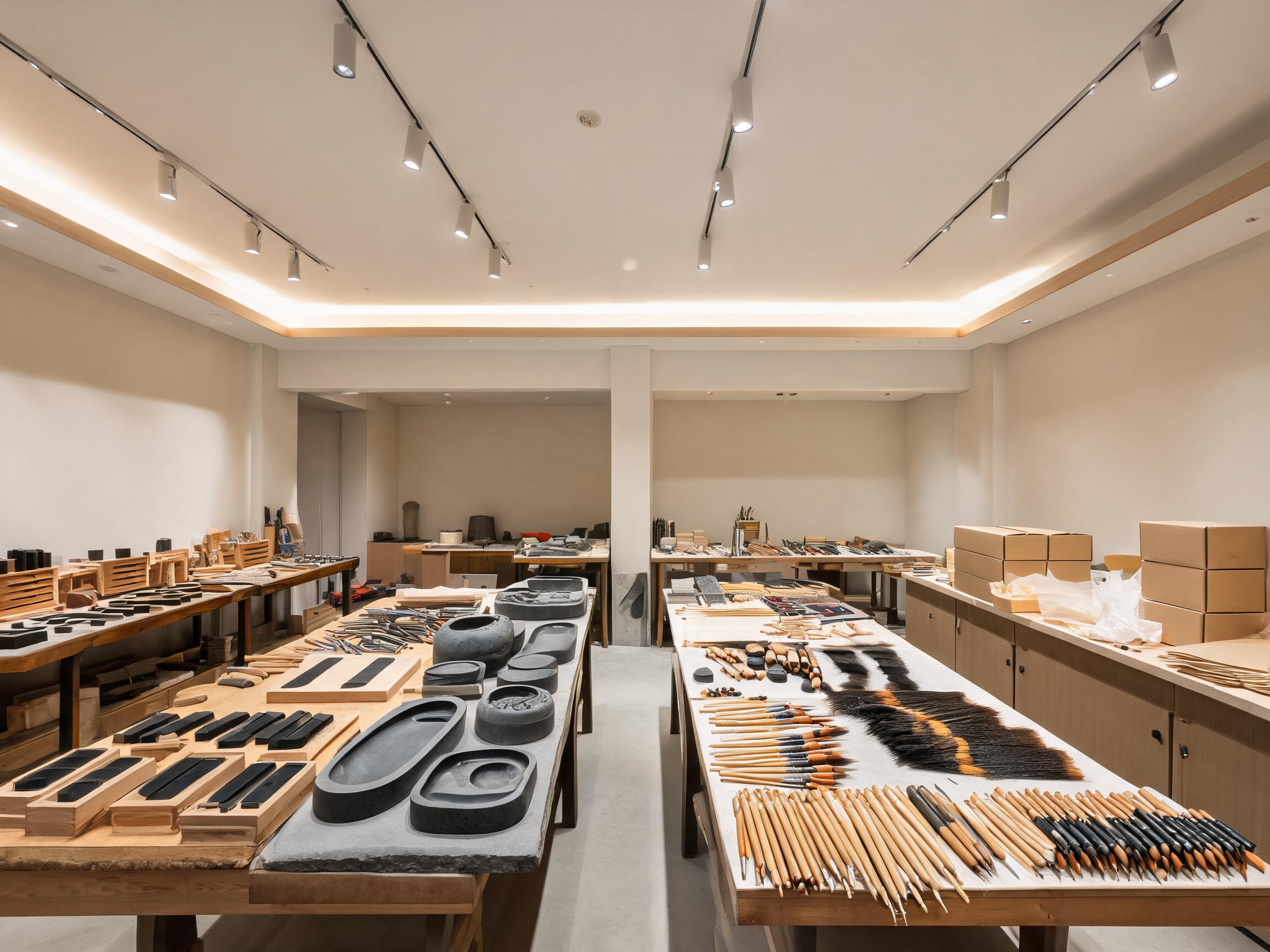
The four treasures of Chinese calligraphy are the brush (笔), ink (墨), paper (纸), and inkstone (砚). Each has a distinct role, and their interaction determines the quality of the writing experience.
- Brush – Controls line width, pressure, and stroke character.
- Ink – Provides the color, consistency, and permanence of the writing.
- Paper – Absorbs ink differently; affects diffusion and drying.
- Inkstone – Used to grind ink sticks and mix with water to the right consistency.
When sourcing, check each category for quality markers that affect performance—not just appearance. For example, a brush with good resilience holds its tip shape, and Xuan paper that is too thin may tear under heavy ink.
Brushes: Hair type, handle, and pairing
The brush is the most personal tool in calligraphy. Buyers should consider the hair blend, the handle length, and the intended skill level of the end user.
- Hair type: Wolf (weasel) hair is firm and springy; goat hair is soft and absorbent; a mix balances both. For beginners, a mixed-hair brush is forgiving.
- Handle: Bamboo is common and lightweight; wood or lacquered handles add a premium feel. Check for smooth joints and no splinters.
- Tip shape: A sharp, well-formed tip is essential for precise strokes. Test by wetting the brush and seeing if it comes to a fine point.
For gift sets, a brush with a decorated handle or a natural-bristle set in a presentation box adds perceived value. For institutional use, durability and easy cleaning matter more.
Ink: Sticks vs. liquid, and what to check
Ink comes in two main forms: solid sticks that are ground on an inkstone with water, and pre-mixed liquid ink. Each serves a different buyer profile.
- Ink sticks: Traditional, portable, and long-lasting. They require an inkstone and practice to grind properly. Higher-quality sticks contain soot (often pine or oil) and animal glue.
- Liquid ink: Convenient for practice and for beginners. It is ready to use but may contain preservatives that affect drying time.
When sourcing ink sticks, check the soot type and the weight per stick. For example, a premium pine soot Hui ink stick typically weighs 50g to 200g per stick. The pattern on the stick is often decorative, but it should be clear and well-carved. For liquid ink, verify the concentration—some are thicker, requiring dilution.
Related product: The Premium Pine Soot Hui Ink Stick is a traditional choice, with hand-carved gold-filled patterns. MOQ is 50 pieces, and it is available in 50g–200g per stick. Good for buyers who want a heritage product with visible craftsmanship.
Paper: Xuan paper and its grades
Xuan paper is the standard paper for Chinese calligraphy and painting, prized for its absorbency and long fibers. It comes in different absorbencies and thicknesses, and understanding the grades helps you match paper to customer skill level.
- Raw Xuan: Highly absorbent; ink spreads quickly. Best for expressive, bold strokes.
- Processed Xuan: Less absorbent; ink sits on the surface. Better for detail work and beginners.
- Half-ripe: A middle ground, offering some control.
Check the paper's thickness and its surface smoothness with your supplier, and confirm the exact fiber composition for the grade you are ordering. For practice, a lower-cost raw Xuan is fine. For presentation or archival use, higher-quality paper is needed.
Related product: The Raw Xuan Paper Professional is designed for serious practitioners. It pairs well with ink sticks and brushes for traditional work.
Inkstone: Stone, grinding surface, and care
The inkstone is the surface on which ink sticks are ground with water. Its quality affects the fineness of the ink and the ease of grinding.
- Stone type: Duan inkstones from Guangdong are highly regarded for their fine texture and water retention. Other stones are also used.
- Grinding surface: Should be smooth but slightly porous, allowing the ink stick to grip. A glossy surface is harder to grind.
- Size and shape: Larger stones are easier to use but heavier. Consider the end user's desk space.
Check for cracks or chips, as these affect durability. A well-made inkstone can last for decades if cared for properly—rinse and dry after use, and avoid harsh detergents.
Related product: The Classic Duan Inkstone is a traditional choice, suitable for both beginners and advanced users. It pairs with any ink stick.
Seals and accessories: The finishing layer
Beyond the four treasures, seals (印章) and other accessories complete the calligraphy experience. Seals are used to sign works, and they are often custom-carved with a name or phrase.
- Seal carving: Stone seals are carved with a design or characters. Custom carving is a popular gift item.
- Seal paste: A red paste used to stamp the seal. It should be oil-based for longevity.
- Accessories: Brush rest, paperweight, water dropper, and a mat for writing. These enhance the desk setup.
For gift sets, adding a custom-carved name seal makes the product personal and memorable. For institutional buyers, offering seals as a standalone item can attract customers who want to start calligraphy.
Related product: The Custom Carved Name Seal is a unique accessory. It can be paired with any calligraphy set.
Building complete sets: Pairing categories
For most buyers, the goal is to sell complete sets, not individual items. A well-paired set reduces customer confusion and increases perceived value.
Here are common pairings:
| Set Type | Includes | Best For |
|---|---|---|
| Starter Kit | Brush, liquid ink, practice paper, basic inkstone | Beginners, students, casual users |
| Scholar Desk Set | Ink stick, inkstone, brush, Xuan paper, presentation box | Gifts, cultural institutions, serious hobbyists |
| Professional Set | Premium ink stick, high-quality brush, raw Xuan paper, Duan inkstone, seal | Advanced practitioners, artists |
When building sets, consider the skill level of the end user. A beginner may find a traditional ink stick and inkstone intimidating; a starter kit with liquid ink is more accessible. For gifts, a presentation box adds elegance and protects the items.
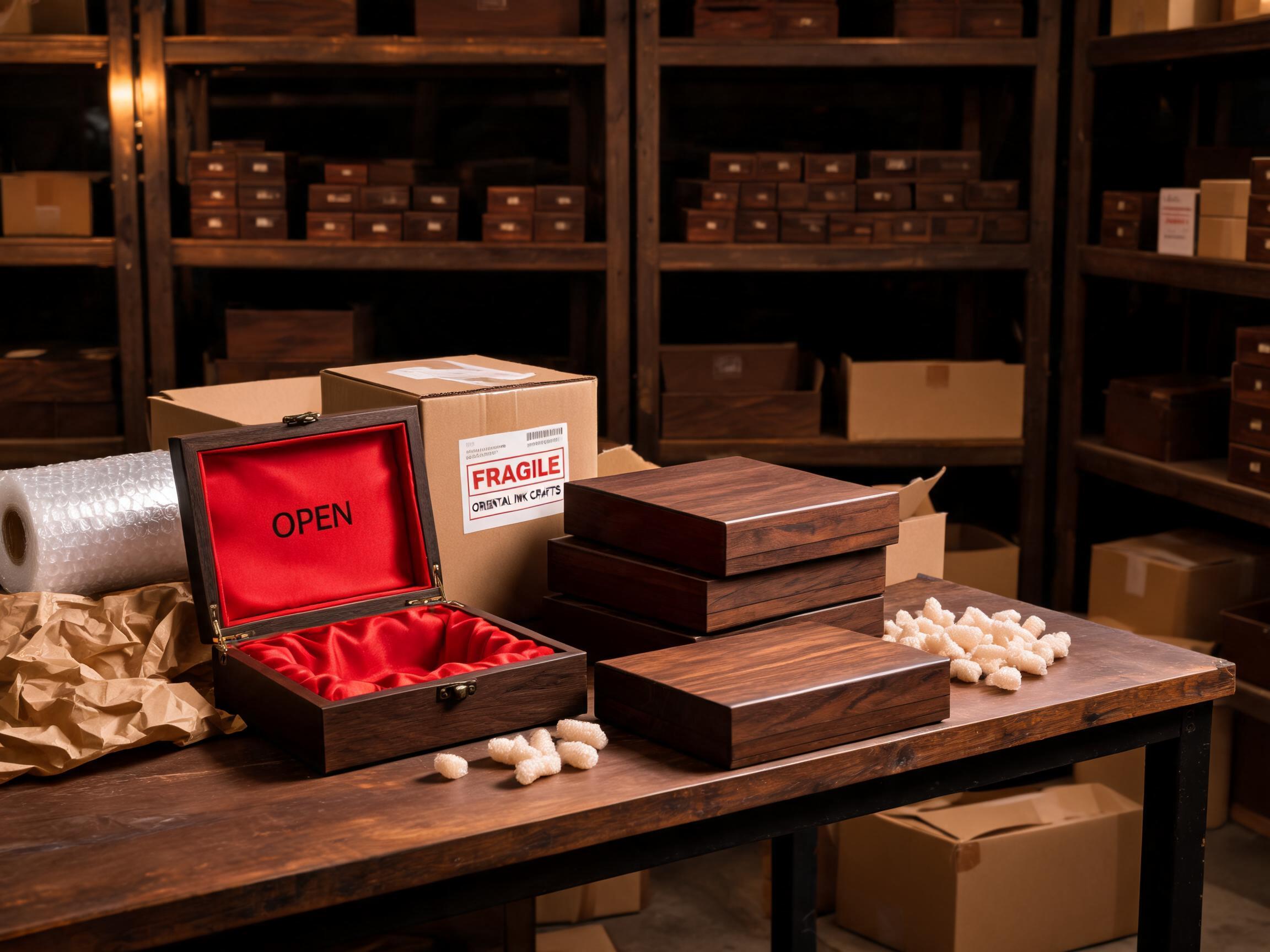
Related product: The Calligraphy Starter Kit Set is designed for beginners, while the Complete Scholar Desk Set offers a traditional experience with an ink stick, inkstone, brush, Xuan paper, and a magnetic-closure presentation box. The Scholar Desk Set has an MOQ of 30 sets and a lead time of 35–50 days after sample approval.
Sourcing checklist for B2B orders
Before placing a bulk order, verify these points with your supplier:
- MOQ and lead time: Confirm minimum order quantities and production timelines. For example, the Complete Scholar Desk Set has an MOQ of 30 sets and a lead time of 35–50 days after sample approval.
- Customization: Can you add your own packaging or logo? Many suppliers offer OEM and gift-set design.
- Export documentation: Ensure the supplier can provide the necessary paperwork for your destination country.
- Quality control: Ask about inspection procedures. For brushes, check for loose hairs; for inkstones, check for cracks.
- Sample approval: Always request a sample before mass production, especially for custom sets.
FAQ
What is the difference between an ink stick and liquid ink?
An ink stick is ground on an inkstone with water, giving the artist control over consistency. Liquid ink is pre-mixed and ready to use, offering convenience. For beginners, liquid ink is easier; for traditional practice, an ink stick is preferred.
Can I mix brands of brushes, ink, and paper?
Yes, but performance may vary. Each brand has its own characteristics. For best results, test combinations before committing to a large order, or choose a complete set from a single supplier to ensure compatibility.
What should I look for in a quality Xuan paper?
Check the absorbency and thickness. Raw Xuan is more absorbent, while processed Xuan is smoother. The paper should be free of tears and have a consistent texture. For professional use, opt for a well-known brand or a professional-grade product.
How do I choose the right brush for my customers?
Consider the skill level and the type of calligraphy. Beginners benefit from a medium-sized brush with mixed hair. Advanced users may prefer a specific hair type for control. Offer a range of sizes to cover different needs.
Next steps: When you are ready to build your calligraphy product line, start by defining your target customer—gift buyers, institutions, or individual practitioners. Then select a few core products that can be combined into sets. Contact your supplier to request samples and confirm MOQ, lead time, and customization options. A well-curated assortment will not only meet your customers' needs but also position you as a reliable source for quality Chinese calligraphy equipment.