
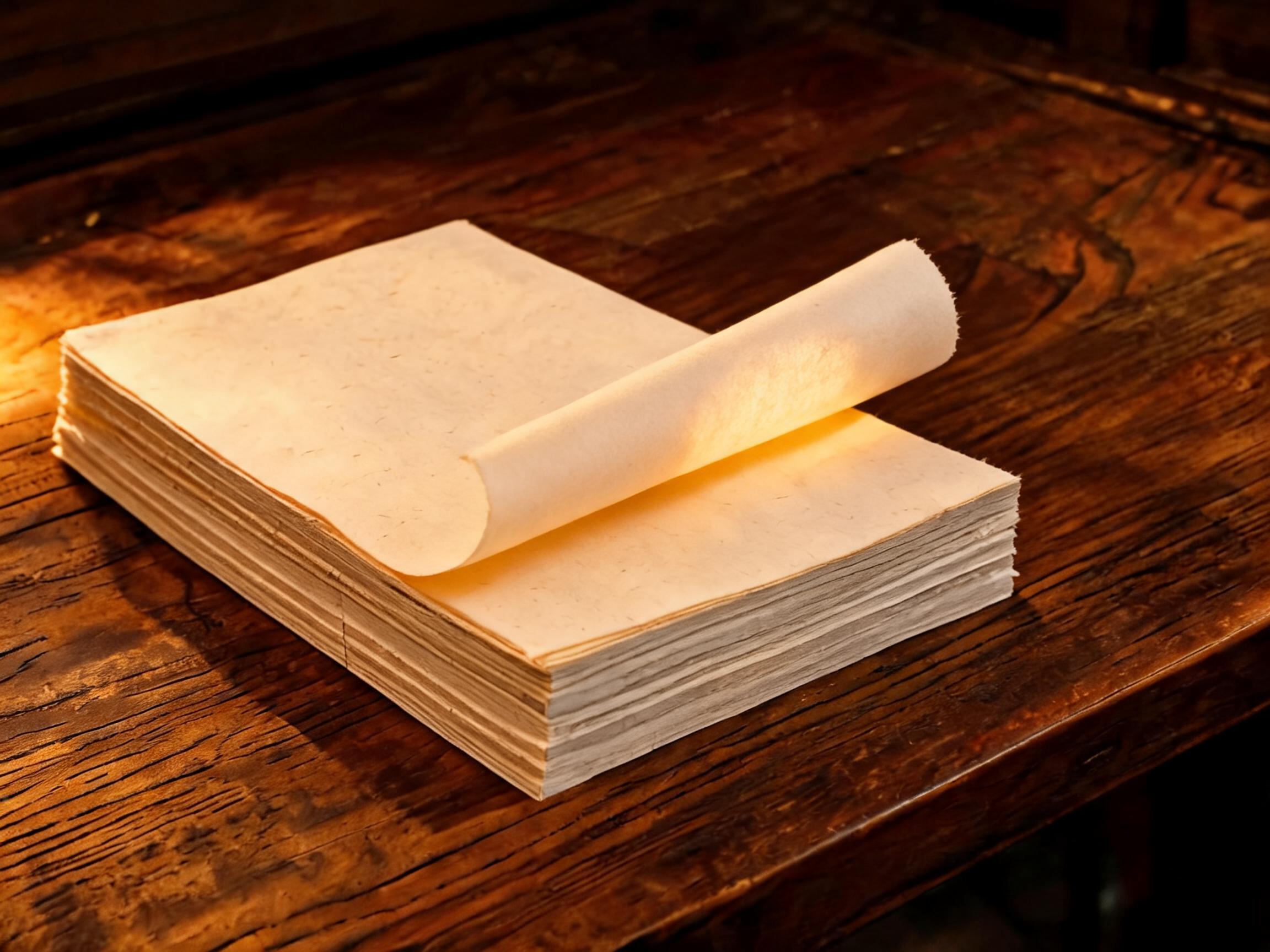
A buyer-side guide to xuan paper for sumi-e programs: how raw, semi-sized and sized sheets behave under sumi brushwork, where Japanese washi expectations meet xuan, and which wholesale formats — cut sheets, rolls and albums — fit studios, schools and retail before you commit to volume.
Bulk Buying Guide · Xuan for Sumi-e
Most guidance on sumi-e rice paper is written for the artist holding one sheet. This one is written for the importer, studio manager or school distributor holding a purchase order — where the decision is not "which sheet feels nicest" but "which grade, in which format, will behave consistently across a whole shipment."
- Raw, semi-sized and sized xuan are three points on one sizing spectrum — not three brands. Which one you stock depends on whether your buyers paint sumi-e, gongbi-style fine work, or both.
- Japanese and Korean sumi-e buyers often arrive with washi expectations; the comparison matters because xuan and washi are different paper traditions with different fiber behavior.
- Sheet format drives reorder rate more than grade does. Wholesale buyers should decide on cut sheets, rolls or albums before negotiating volume.
Why the sizing spectrum decides everything for sumi-e

Xuan paper is not one product. The same bark-fiber base can be left unprocessed, lightly treated, or more heavily sized, and that single variable changes how a brush loaded with sumi ink loads, spreads and stops. For a buyer, the practical question is which point on that spectrum your customers actually paint on.
"Raw" means unprocessed: the paper accepts ink freely and lets it bloom outward, with the fiber structure doing the controlling. "Sized" — sometimes described as cooked — means the sheet has been treated so ink sits closer to where the brush puts it, which suits fine line work and layered color. "Semi-sized" sits between the two and describes a behavior, not a catalog line.
Raw xuan: the default for expressive sumi-e brushwork
Raw xuan is where most sumi-e work starts, because uncontrolled ink bleed is a feature rather than a fault. Wet washes, single-stroke gradients, and the soft edges that define the form all depend on the paper pulling ink outward.
Raw Xuan Paper Professional is a professional raw (unprocessed) grade made from natural bark fiber (qingpi). The relevant facts for a bulk buyer are that ink bleed is controlled rather than runaway — the sheet gives deliberate spread, not blotting — and that thickness consistency is verified per batch, which is the property that most affects whether a second order behaves like the first. The standard sheet size is 69cm x 138cm, and custom sheet sizes are available, which also suits artists' studios cutting to their own working formats.
For a studio order, raw xuan is the low-risk first line: it serves traditional sumi-e, large-character calligraphy and experimental ink work. For a retail program, it is the grade most buyers already understand by name.
Sized and semi-sized behaviour, and who needs it
The sized end of the range exists because not every school teaches loose ink wash. Fine-brush work, outline-first methods, and any program that layers multiple passes need the ink to stay close to the stroke so lines remain crisp on the second and third pass.
Treated Xuan Paper for Gongbi is the sized end of this range: controlled sizing and even ink resistance give a smooth surface for fine-brush work. It is positioned for gongbi painting, and that positioning is worth stating plainly to your own customers — a buyer who paints free ink wash in the sumi-e tradition may find a fully sized sheet too resistant, while a buyer doing detailed contour work will find raw xuan too absorbent for clean lines.
The middle ground matters for a specific kind of customer: the program that teaches both. A school teaching sumi-e foundations and gongbi technique from the same bench will often buy raw xuan in volume and a smaller quantity of the sized grade, rather than trying to find one sheet that does both. That split is a purchasing pattern worth planning your stock around.
Where Japanese washi expectations meet xuan
Japanese sumi-e buyers and Korean studios often come to xuan after working with washi. It is worth being direct with them: washi and xuan are different paper traditions, and the hand feel, surface and ink response do not transfer one-to-one. Washi is a family of papers with its own fiber choices and making methods; xuan is built on bark fiber with its own sizing logic.
What this means in a purchase conversation is that "is it like washi?" is the wrong framing and "how does it take ink at this sizing level?" is the right one. Importers should encourage buyers to test a raw sheet and a sized sheet side by side with their own ink before committing to a volume order. The behavior difference is visible in a single stroke, and it settles more questions than any specification sheet.
Wholesale formats: sheets, rolls and albums
Grade gets the attention; format decides whether the account reorders. Three formats cover most bulk programs, with a fourth for retail and institutional channels.
| Format | Product | Best fit | Buyer consideration |
|---|---|---|---|
| Standard cut sheet, 69cm x 138cm | Raw Xuan Paper Professional | Studios, schools, retail programs | Custom sheet sizes available for buyers cutting to their own formats; confirm batch thickness consistency expectations when ordering |
| Cut sheet, sized | Treated Xuan Paper for Gongbi | Fine-brush and gongbi-focused programs | Order volume should track how much fine work your customers actually do — sized sheets move more slowly in a sumi-e-skewed account |
| Practice-grade sheet | Student Practice Xuan Paper | Calligraphy schools and educational distributors | Positioned for bulk supply; consistent ink absorption is the property that keeps a classroom session predictable |
| Roll | Xuan Paper Roll | Large-scale calligraphy and scroll painting | Controlled width consistency and clean edge cutting matter when the buyer is mounting or joining lengths |
| Bound album | Bound Xuan Paper Album | Cultural institutions, collections, retail gifting | Thread-bound with custom cover design; a retail-format companion rather than a volume painting stock |
The practice grade deserves separate treatment from the professional grade in your catalog. Student Practice Xuan Paper is positioned for calligraphy schools and educational distributors requiring bulk supply, with consistent ink absorption as the working property. Classroom programs buy on predictability and volume, not on the subtleties that a professional studio is chasing — keep those two conversations separate when you quote.
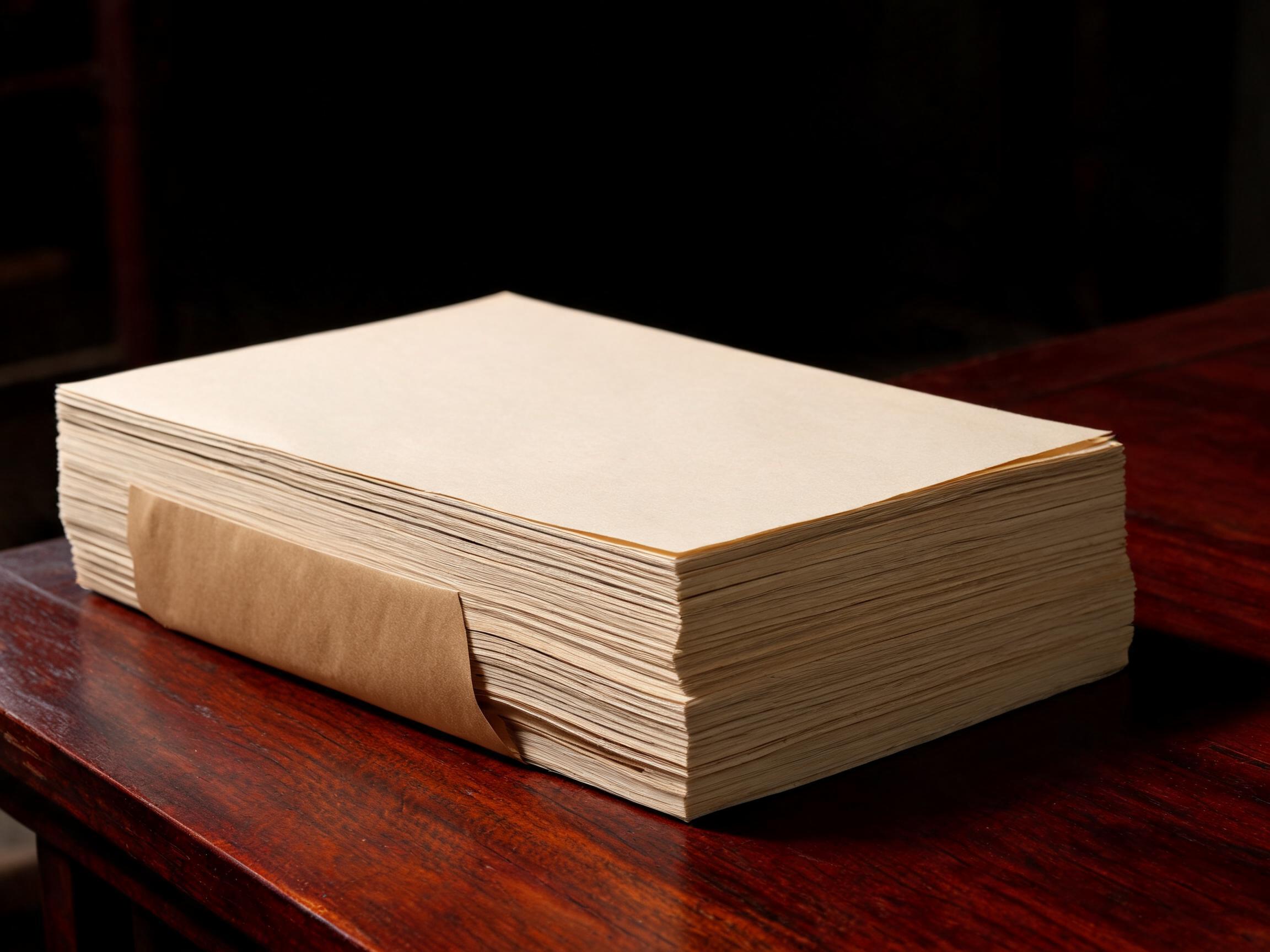
Xuan Paper Roll is its own purchasing decision rather than a larger sheet. Controlled width consistency and clean edge cutting are what a scroll painter or large-format calligrapher actually needs, because inconsistent edges show up in mounting. If your customers work at scale, this format carries accounts that cut sheets cannot.
For retail-facing and institutional buyers, Bound Xuan Paper Album adds a finished format to the range: thread-bound, with custom cover design, positioned for cultural institutions and collections. It is not a substitute for bulk painting stock, but it gives an importer something to sell alongside it.
Before you place a bulk order
- Map your customer base to the sizing spectrum: how much raw, how much sized, how much practice grade. This ratio drives the order more than any total volume figure.
- Request samples across the grades you plan to stock, and test each with the ink and brush types your buyers use.
- Decide format by account type: cut sheets for studios and schools, rolls for large-format work, albums for institutional and retail channels.
- Confirm current specifications with the supplier before finalizing — sheet counts, packing and weight details should come from the supplier's current data, not from an old quotation.
- Ask about custom sheet sizes if your buyers cut to non-standard formats; this is available on the professional raw grade.
- If your market is Japanese or Korean, brief buyers on the washi-to-xuan difference and send paired samples rather than a single sheet.
OEM and private-label considerations
Buyers running their own retail brand often want the paper under their own label. Bulk export and OEM support are part of what the supplier offers, alongside paper as one of eight product categories — which matters if you are consolidating art-material sourcing rather than buying paper alone. Specific labeling, packing and format requirements should be confirmed with the supplier against the current production range before you commit.
FAQ
Is sumi-e rice paper the same as xuan paper?
In trade use, "sumi-e rice paper" and "xuan paper" are often used for the same family of bark-fiber papers sold to ink painters. Xuan is the more precise term, and the sizing spectrum — raw, semi-sized, sized — is what buyers actually need to specify.
Can I get semi-sized xuan as a specific product?
Not every range lists a semi-sized line by that name. Semi-sized describes behavior between raw and fully sized. Tell the supplier what brushwork your customers do and ask which grade in the range matches it.
Which grade should a beginner program buy?
Practice-grade paper positioned for schools and educational distributors is the usual starting point, because consistent absorption across a class matters more than subtle ink response. Advanced students can then move to the professional raw grade.
How do I compare xuan against washi for my buyers?
Treat them as different traditions rather than competing versions of one product. Send paired samples at two sizing levels and let buyers test with their own ink; the difference in one stroke is clearer than any written comparison.
What should I confirm before finalizing a bulk order?
Current sheet counts, packing details, weight and moisture specifications should be confirmed with the supplier, since these change with production runs. The standard sheet size of 69cm x 138cm is the reference point for most cut-sheet orders; custom sizes are available on the professional raw grade.
Next step
If you are building a sumi-e program for studios, schools or retail, the fastest way to settle the grade question is a sample set spanning raw, sized and practice grades, tested with your buyers' own ink. From there, the format decision follows the accounts, and the volume decision follows the format. Contact the supplier to request current samples and confirm specifications for your market.