
A practical comparison of mulberry-fiber papers and bark-fiber Xuan paper for calligraphy, painting, and cultural products. Learn how sizing and ink behavior differ, what formats suit bulk programs, and how to confirm fiber composition with your supplier.
If you're sourcing paper for calligraphy, painting, or cultural products, you've likely come across two distinct material families: mulberry-fiber papers (often called mulberry rice paper or washi-style sheets) and bark-fiber Xuan paper. Both are traditional East Asian papers, but they behave differently under brush and ink, come in different formats, and suit different end users. This article compares the two at a category level so you can match paper choice to your customers' techniques and confirm the right specification with your supplier.
Key Takeaways
- Mulberry-fiber papers are generally known for strength and texture, often used for decorative and craft applications.
- Bark-fiber Xuan paper offers controlled ink behavior, with raw and treated versions for different painting styles.
- Sizing (treated vs raw) matters more than fiber name for ink control in calligraphy and painting.
- Format (sheets, rolls, albums) should follow the intended use and distribution channel.
- Always confirm fiber composition and sizing with your supplier before placing a bulk order.
What Is Mulberry Rice Paper?
"Mulberry rice paper" is a trade term that can refer to papers made from the inner bark of the paper mulberry tree (Broussonetia papyrifera), a fiber used across East Asia for centuries. In Japan, similar fibers are known as kozo and form the base of washi papers. These papers are generally recognized for their long fibers, which give them strength and a slightly textured surface. They are often used for decorative arts, bookbinding, printmaking, and craft applications where a durable, tactile sheet is desired.
However, the term is not standardized. Some products labeled "mulberry rice paper" may contain a blend of mulberry and other fibers, or may be a different paper altogether. Its ink behavior can vary widely depending on how the sheet is formed and whether any sizing is applied. For buyers, this means that the label alone is not enough—you need to confirm the actual fiber content and finish with your supplier.
What Is Xuan Paper?
Xuan paper is a traditional Chinese paper made primarily from the bark of the blue sandalwood tree (Pteroceltis tatarinowii) and rice straw. It is renowned for its ability to absorb ink and allow for expressive brushwork, making it a preferred choice for Chinese calligraphy and ink painting. Xuan paper is typically categorized as raw (un sized) or treated (sized). Raw Xuan is highly absorbent and suits freehand brushwork, while treated Xuan has a degree of sizing that slows ink absorption and is better for fine-line painting (gongbi) and detailed calligraphy.
Our supplier's Xuan paper line includes several options tailored to different professional and educational needs. Below is a comparison to help you understand the range.
Material and Ink Behavior: Mulberry vs Xuan
The table below summarizes general differences at the category level. Keep in mind that actual performance depends on the specific product and manufacturer.
| Aspect | Mulberry-Fiber Paper (General) | Bark-Fiber Xuan Paper (General) |
|---|---|---|
| Fiber source | Paper mulberry (kozo) fibers, sometimes blended | Blue sandalwood bark and rice straw |
| Typical hand feel | Strong, slightly textured, durable | Soft, pliable, with visible fiber |
| Ink absorption | Variable; often moderate to low absorbency unless designed for ink | Raw: high absorbency; Treated: controlled sizing for even ink resistance |
| Common uses | Craft, printmaking, bookbinding, decorative arts | Calligraphy, ink painting, gongbi, scroll mounting |
| Sizing | Often unsized or lightly sized; confirm with supplier | Raw (unsized) and treated (sized) versions available |
In practice, mulberry papers can be excellent for certain techniques, but they are not a direct substitute for Xuan paper in traditional calligraphy and ink painting unless specifically engineered for those uses. Conversely, Xuan paper's ink behavior is its defining characteristic, and the choice between raw and treated Xuan is critical for matching a customer's skill level and style.
Sizing and Ink Behavior: Raw vs Treated Xuan
For buyers, the sizing of Xuan paper is a key specification. Raw Xuan paper is highly absorbent, which allows for bold, expressive strokes but leaves little room for correction. It is favored by experienced calligraphers and freehand painters. Treated Xuan paper has a light sizing that reduces absorbency, giving more control for detailed work. This makes it suitable for fine-brush (gongbi) painting and for calligraphers who want crisper lines.
Our supplier's Xuan paper line includes:
- Raw Xuan Paper Professional: Traditional bark fiber with controlled ink bleed, intended for professional calligraphers and painting studios. View product
- Treated Xuan Paper for Gongbi: Controlled sizing for even ink resistance and a smooth surface, designed for fine-brush painting. View product
- Student Practice Xuan Paper: Affordable and consistent ink absorption, supplied in bulk for calligraphy schools and educational distributors. (Ask for details.)
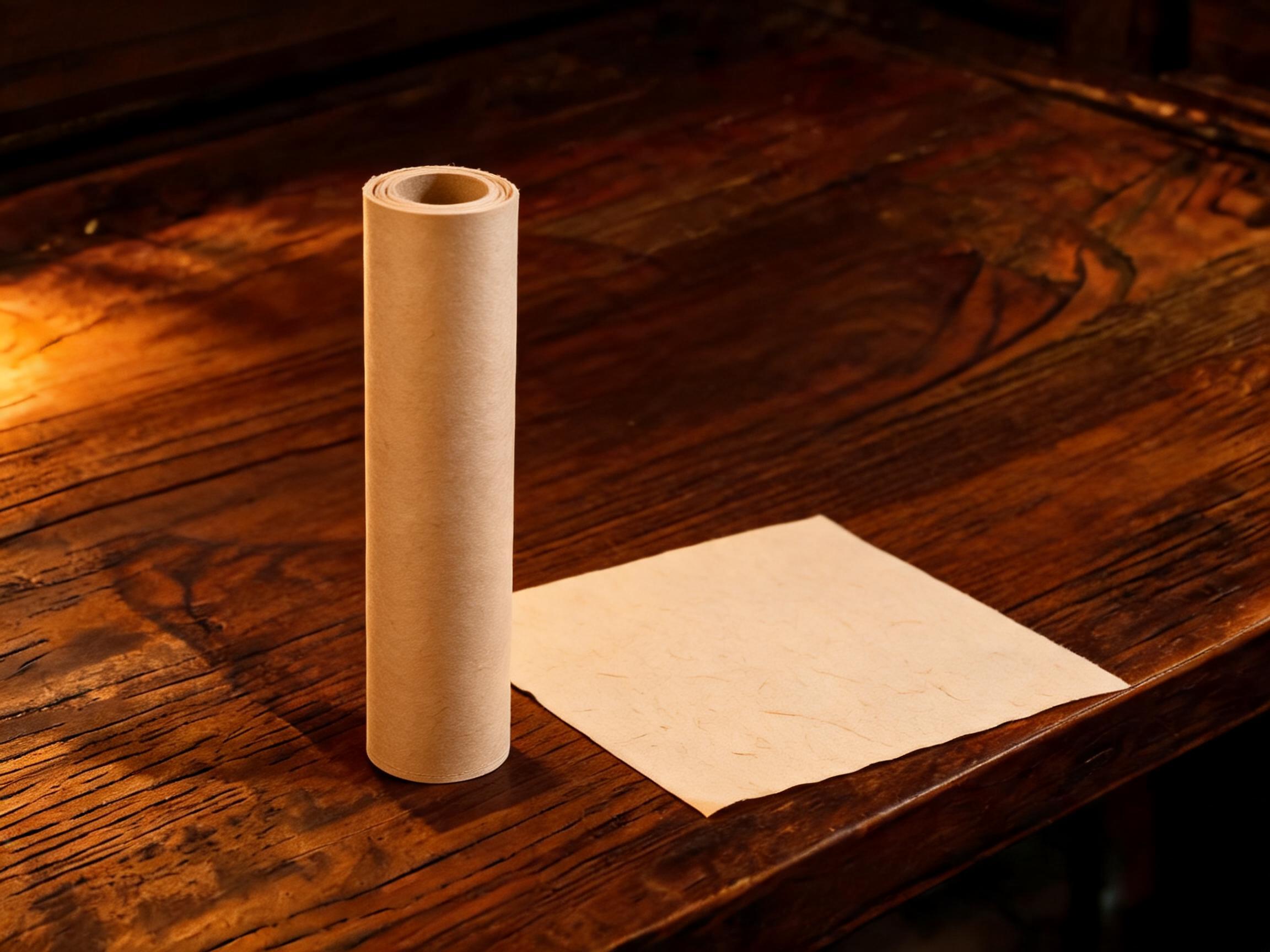
- Xuan Paper Roll: Controlled width consistency and clean edge cutting, for large-scale calligraphy and scroll painting. View product
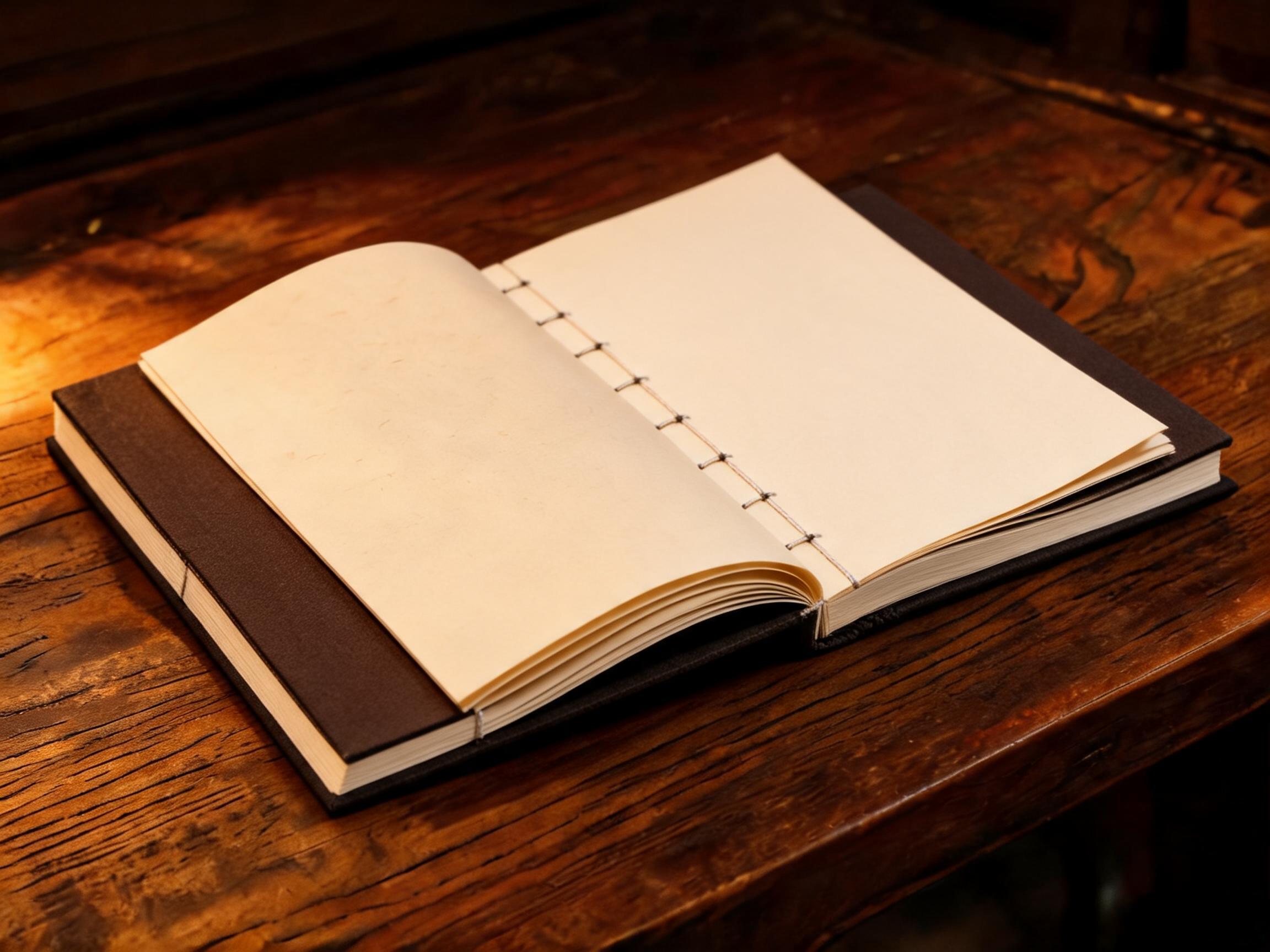
- Bound Xuan Paper Album: Traditional thread binding with custom cover design, for cultural institutions and collections. View product
For mulberry-fiber papers, sizing is less standardized; if you are sourcing them for ink work, ask the supplier about the degree of sizing and expected ink behavior.
Format Considerations for Bulk Programs
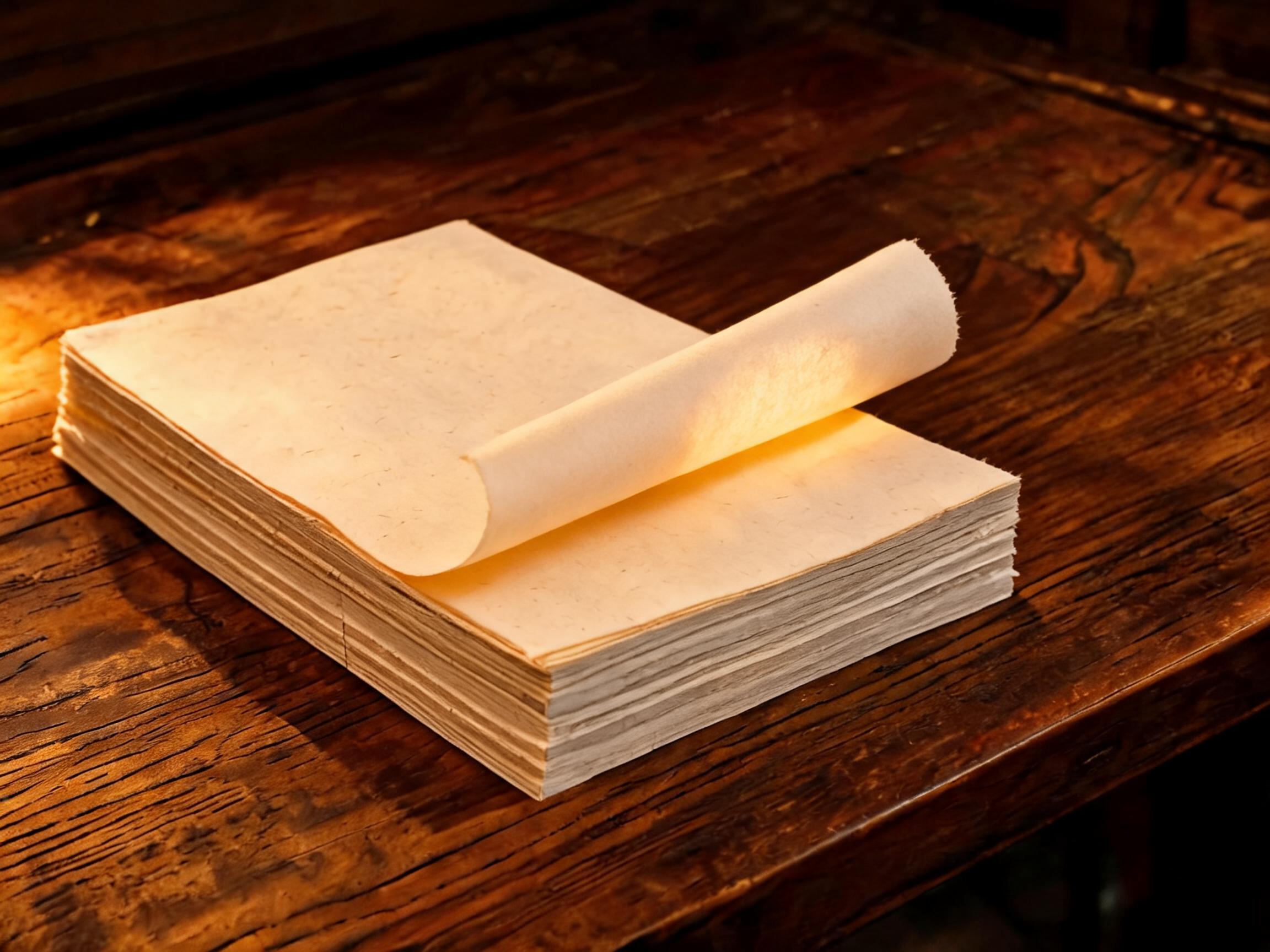
Format affects both usability and logistics. Xuan paper is commonly available in sheets, rolls, and bound albums. Sheets are versatile for framing or mounting; rolls suit large-scale works and can reduce waste; albums are ideal for retail or institutional gifts. Mulberry papers are often sold in sheets or rolls as well, but the range of formats may be narrower. For bulk programs, consider:
- Intended technique: Large freehand works may require rolls; student practice may be best in economical sheets or pads.
- Distribution channel: Retail-ready albums with custom covers can appeal to gift shops and cultural institutions.
- Handling and storage: Rolls and albums protect the paper and simplify inventory.
For example, a calligraphy school might prefer Student Practice Xuan Paper in bulk sheets, while a museum shop might choose Bound Xuan Paper Albums. A studio doing large scrolls would opt for Xuan Paper Rolls.
Buying Checklist
Before finalizing a purchase, use this checklist to align the paper with your customers' needs:
- Intended technique: Calligraphy (freehand vs formal), ink painting (freehand vs gongbi), craft, or decorative use.
- Ink behavior: Raw (high absorbency) or treated (controlled sizing) for Xuan; for mulberry, confirm sizing and absorbency.
- Format: Sheets, rolls, or albums—match to end use and packaging.
- Fiber composition: Confirm the actual fiber content (e.g., 100% mulberry, blend, or bark) with the supplier.
- Sample evaluation: Request samples to test ink behavior with your customers' preferred media.
Frequently Asked Questions
Can mulberry rice paper be used for calligraphy?
It can, but performance varies. Some mulberry papers are sized for ink work, while others are too absorbent or textured. For traditional calligraphy, Xuan paper is typically preferred because of its predictable ink behavior. If you consider mulberry paper, test samples with the intended ink.
Is Xuan paper always unsized?
No. Xuan paper comes in raw (unsized) and treated (sized) forms. Raw is highly absorbent; treated has sizing to control ink spread. The right choice depends on the artist's technique.
What is the difference between raw and treated Xuan paper?
Raw Xuan absorbs ink quickly, allowing for expressive strokes but less control. Treated Xuan has a light sizing that slows absorption, making it suitable for detailed painting (gongbi) and precise calligraphy.
How do I choose between sheets, rolls, and albums?
Sheets are versatile for practice and framing; rolls suit large-scale works and can be more economical for big projects; albums are retail-ready and ideal for gifts or collections. Consider your customers' typical use and your distribution channel.
Can I order custom sizes or packaging?
Custom options vary by product and supplier. For the Xuan paper line, ask about customization for albums (custom cover design) and rolls (width consistency). For mulberry papers, confirm available formats and customization with your supplier.
Next step: If you are sourcing for calligraphy schools, art supply stores, or cultural gift programs, review the Xuan paper options above and request samples to evaluate ink behavior. For mulberry-fiber papers, ask your supplier to confirm fiber composition and sizing before committing to a bulk order. Our team can provide detailed specifications for the Xuan paper line upon request.