A practical sourcing guide for stationery and art-supply importers in Japan & Korea comparing Japanese fude and Chinese calligraphy brushes—covering hair types, tip elasticity, water retention, handle craft, OEM/private-label considerations, MOQ, and a buyer verification checklist.
BUYER GUIDE
If you are importing calligraphy brushes for the Japanese or Korean stationery market, you have likely asked one question: should I source Chinese-made brushes or Japanese fude? The answer is not about which is “better” — it is about which matches your target customer’s expectations, your quality control capacity, and your margin structure. This guide gives you the technical differences, the sourcing criteria, and a verification checklist to make that decision with confidence.
- Hair type determines performance: goat hair for softness and water retention, wolf hair for elasticity; a 70/30 goat-to-wolf blend balances both.
- Tip elasticity and water retention are the two properties your customers will feel immediately — test them before committing.
- Chinese-made brushes can match Japanese fude in quality if the supplier controls raw materials and QC at every stage.
- OEM/private-label is common; confirm MOQ (e.g., 100 pcs per design) and approval documentation before mass production.
- Use a buyer verification checklist to avoid counterfeit or low-grade hair.
Understanding the Core Difference: Japanese Fude vs. Chinese Brush
Japanese fude (筆) and Chinese calligraphy brushes (毛笔) share a common heritage, but they have evolved differently in response to local calligraphy styles and materials. Japanese fude often feature a multi-layered construction — a core of harder hair (e.g., horse or deer) wrapped with softer outer layers — to create a sharp tip that holds its shape under pressure. Chinese brushes, by contrast, tend to emphasize a fuller belly and a more gradual taper, suited to the flowing, broad strokes of Chinese scripts.
For B2B buyers, the key is not to pick a “winner” but to understand which characteristics your end users value. A Japanese calligraphy brush buyer in Tokyo might prioritize tip elasticity for precise kanji strokes, while a Korean buyer may look for water retention for sumuk (수묵) painting. Chinese manufacturers, such as those with integrated production chains, can produce brushes that meet either specification — provided you specify the hair blend and construction.
Hair Types: Goat, Wolf, and the 70/30 Blend
The single most important decision in brush sourcing is the hair type. Three categories dominate the market:
- Goat hair (羊毫): Soft, highly absorbent, and holds water well. Ideal for wash painting and large, wet strokes. However, it lacks the snap needed for precise, controlled lines.
- Wolf hair (狼毫): Despite the name, it comes from the weasel, not the wolf. It is firmer, more elastic, and maintains a sharp tip — perfect for small script and detailed work.
- Mixed hair (兼毫): The most versatile. A common ratio is 70% goat / 30% wolf, which gives you the water retention of goat hair with the elasticity of wolf hair. This blend is a safe default for general-purpose calligraphy and painting.
When sourcing from China, you can specify the exact blend ratio. A 70/30 goat-to-wolf blend is popular because it balances cost and performance. But beware: cheap brushes often substitute lower-grade hairs or use synthetic fibers. You need a supplier that selects raw materials carefully and can show you the hair before blending.
Tip Elasticity and Water Retention: What to Test
Two properties will determine whether your customers come back for more:
Tip Elasticity (弹力)
This is the brush’s ability to return to its original shape after pressure. A brush with good elasticity produces crisp, controlled lines and lasts longer. To test, press the tip against a flat surface and release — it should spring back to a sharp point. Wolf hair and harder blends offer higher elasticity, while pure goat hair is softer and less springy.
Water Retention (蓄墨/蓄水)
This is how much ink or water the brush holds and how evenly it releases. Goat hair excels here, making it ideal for large washes. For mixed brushes, the goat component provides the reservoir, while the wolf hair channels the flow. A well-constructed brush will hold a full charge of ink without dripping and release it smoothly.
Ask your supplier for sample brushes and test these properties yourself. If you are buying for a gift channel, the feel of the brush in hand — its balance and grip — is also critical, but the tip performance is non-negotiable.
Handle Craft: Beyond Aesthetics
Handles are often overlooked, but they affect both function and perceived value. A common specification is a 24cm lacquered bamboo handle, which is lightweight, durable, and traditional. Lacquering protects the bamboo from moisture and gives a smooth, glossy finish that appeals to gift buyers.
For premium lines, consider handles with carved details or materials like rosewood. However, for volume orders, bamboo with a consistent lacquer finish is cost-effective and widely accepted. Ensure the handle is securely glued to the ferrule — a loose handle is a common defect in low-quality brushes.
OEM/Private-Label and MOQ Considerations
Many importers in Japan and Korea prefer to sell under their own brand. Chinese suppliers like Gu Mo Craft Technology (founded 2011) offer OEM and ODM services, meaning you can customize the brush design, packaging, and even the hair blend. Their integrated chain — from raw material selection to export delivery — means they control quality at every step.
When negotiating, clarify the MOQ. For example, a verified product detail shows an MOQ of 100 pcs per design. This is relatively low, allowing you to test the market without overcommitting. However, confirm whether the MOQ applies to a single SKU or across a mixed order.
Also, ask about the approval process. A reliable supplier will send you sample photos, spec sheets, and approval records before mass production. This documentation is your guarantee that the final product matches the approved sample. Insist on this — it protects you from batch-to-batch variation.
Buyer Verification Checklist
Before placing a large order, use this checklist to vet any supplier:
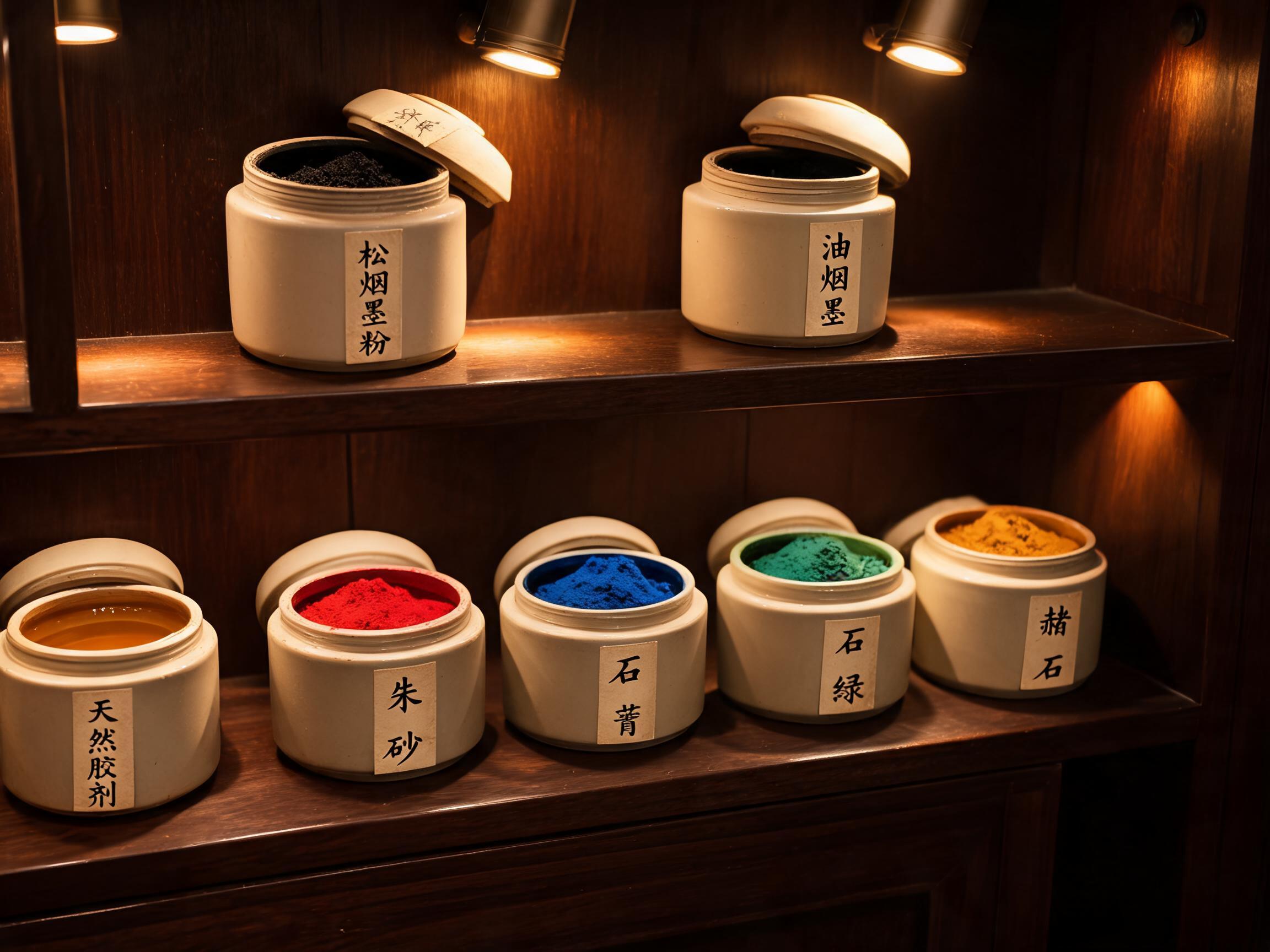
- Raw material transparency: Can they show you the hair in its raw form? Are they using real goat and wolf hair, or synthetic substitutes?
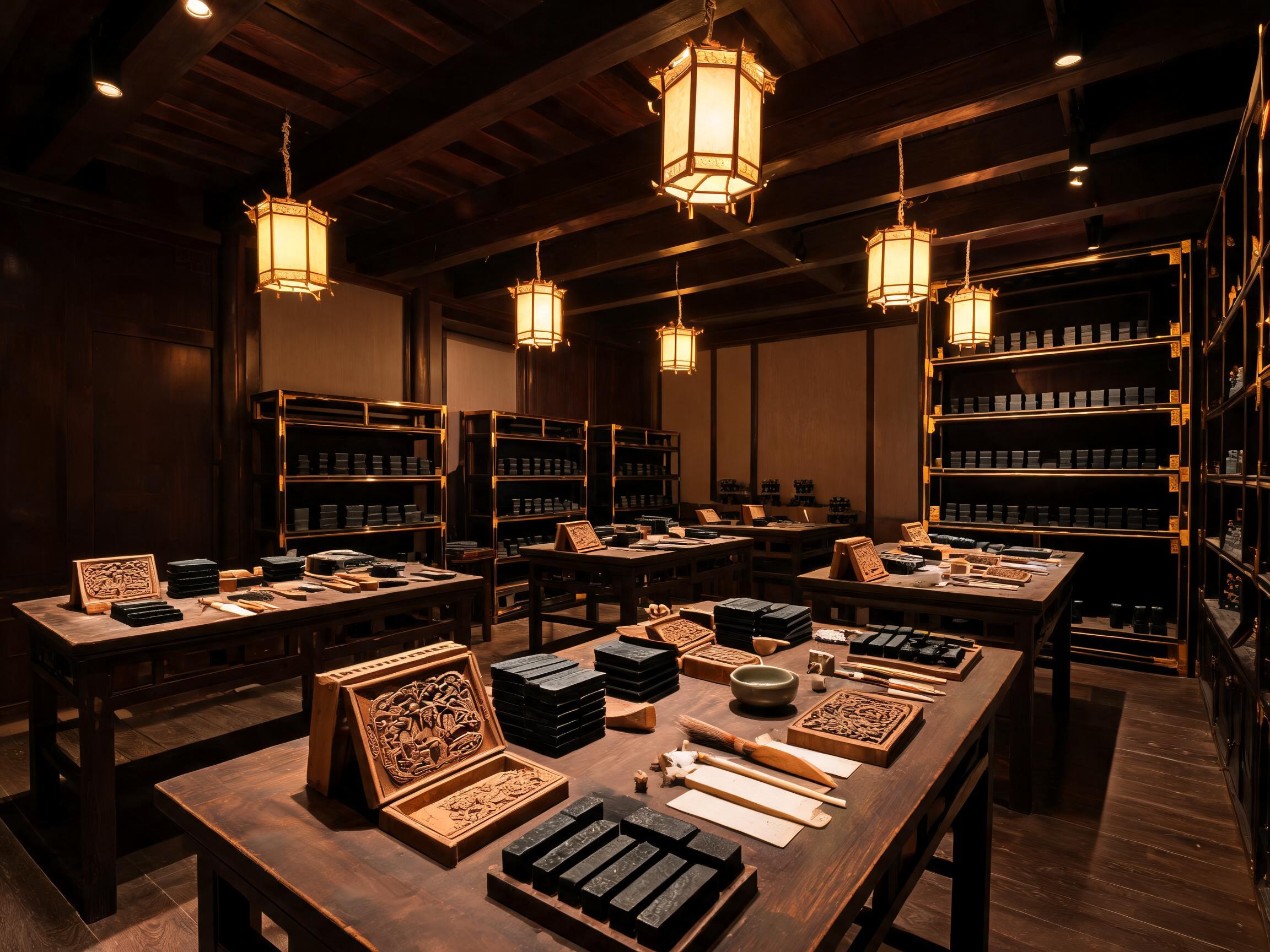
- Production photos: Request real site photos of their sample room, raw material jars, and QC checkpoints. This proves they have a physical operation.
- Inline QC: Do they have quality checks at each production stage? A supplier that only inspects the finished product is more likely to ship defects.
- Sample approval: Do they provide sample photos, spec sheets, and approval records before mass production? This is a sign of a disciplined process.
- Export experience: Have they exported to Japan, Korea, or other Asian markets? This indicates they understand packaging and documentation requirements.
- Packaging plan: Do they offer export packing and carton planning services? Proper packing prevents damage and reduces shipping costs.
If a supplier hesitates to provide any of these, treat it as a red flag. The best suppliers are proud to show their process.
Comparison: Japanese vs. Chinese Brushes for Importers
| Aspect | Japanese Fude | Chinese Brush |
|---|---|---|
| Typical hair construction | Multi-layered core + outer wrap | Single or blended hair (e.g., 70/30 goat/wolf) |
| Tip elasticity | High, due to core hair | Varies; wolf hair increases elasticity |
| Water retention | Moderate | High with goat hair |
| Handle craft | Often bamboo or wood, finely finished | Bamboo lacquered (e.g., 24cm) or wood |
| MOQ | Often high for custom orders | Can be as low as 100 pcs |
| OEM/Private-label | Limited to established makers | Common, with flexible customization |
| Price point | Premium | Competitive, with room for margin |
Why Chinese-Made Brushes Can Be the Right Choice
Chinese brush-making has a centuries-old tradition, and many factories have modernized their processes without losing the craft. A supplier like Gu Mo Craft Technology combines traditional hair selection with inline quality control at each production stage. Their product line includes goat hair, wolf hair, and mixed hair brushes, so you can source all your needs from one partner.
For example, their mixed-hair combination brush uses a 70/30 goat-to-wolf blend, offering a balanced performance suitable for both calligraphy and painting. For customers who prefer a firmer tip, the premium wolf-hair brush provides superior elasticity. And for soft, expressive strokes, the goat-hair soft-tip brush excels in water retention.
FAQ: Common Sourcing Questions
Can Chinese brushes match Japanese fude in quality?
Yes, if you specify the right hair blend and construction. Many Chinese factories produce brushes that meet the exacting standards of Japanese calligraphers. The key is to work with a supplier that controls raw materials and has rigorous QC.
What is the ideal hair blend for a general-purpose brush?
A 70/30 goat-to-wolf blend is a versatile choice. It offers enough softness for large strokes and enough elasticity for detail work. It is also cost-effective.
What MOQ should I expect for custom brushes?
With some suppliers, you can start at 100 pcs per design. This allows you to test the market without a large inventory commitment.
How do I ensure the brushes I receive match the sample?
Request a pre-production approval process: the supplier sends you sample photos, spec sheets, and approval records before mass production. This is a standard practice for reliable factories.
Do Chinese suppliers offer export packing?
Yes, many offer export packing and carton planning as part of their service. Confirm this before ordering to avoid damage during shipping.
Next Steps: From Decision to Order
Once you have decided on the brush type and hair blend, the next step is to request samples. A reputable supplier will provide samples for testing, along with detailed spec sheets. Evaluate the tip elasticity, water retention, and handle feel. If possible, have an experienced calligrapher test them.
Then, discuss your branding needs. Whether you want your logo on the handle or custom packaging, OEM/private-label is standard. Confirm the MOQ, lead time, and payment terms. Finally, ask for the buyer approval document set — sample photos, spec sheets, and approval records — to lock in the quality standard.
By following this guide, you can source calligraphy brushes that meet your market’s expectations while maintaining healthy margins. The right supplier is not just a vendor but a partner in your product development.