
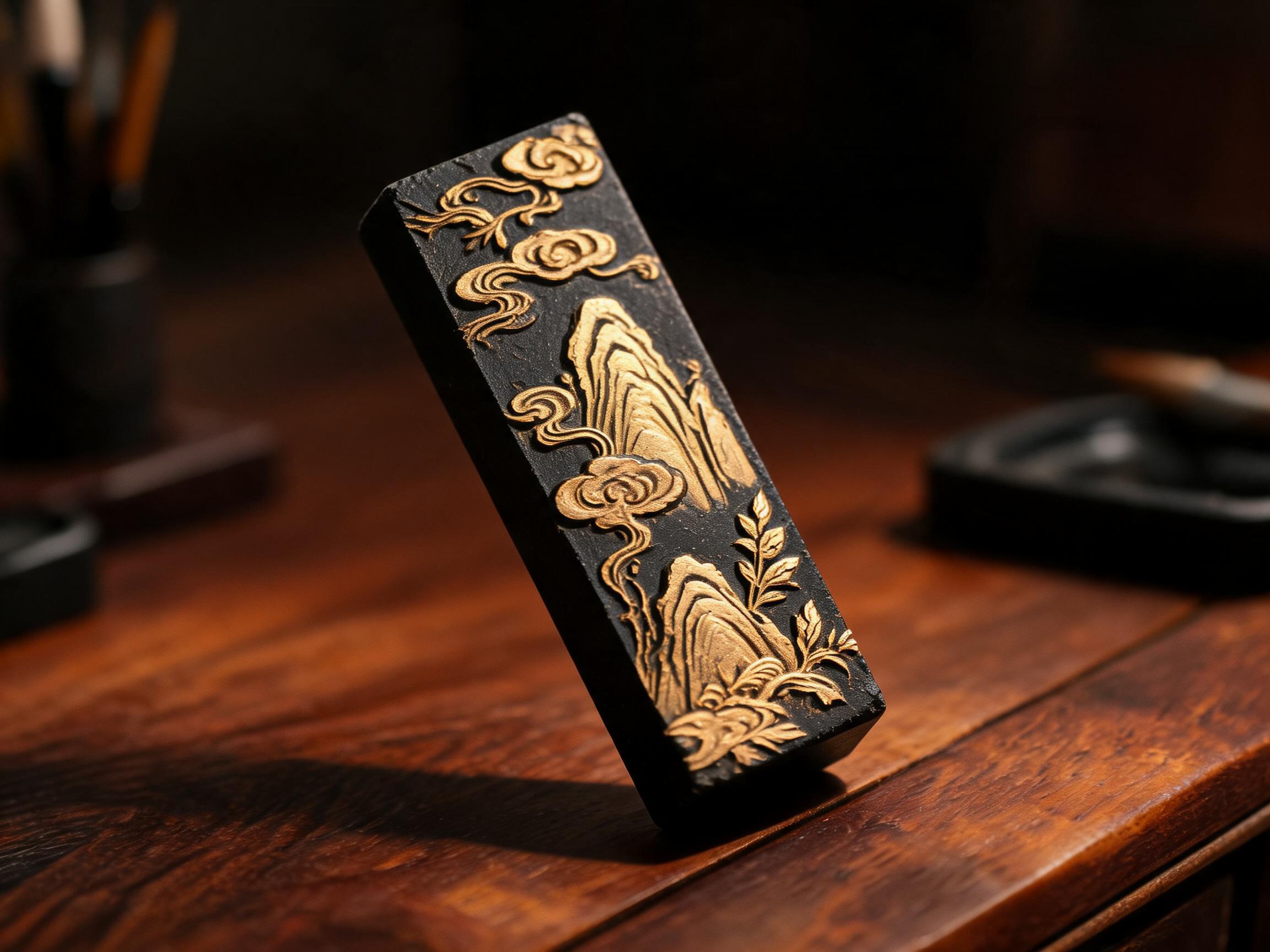
An antique-style calligraphy set is new production in a traditional visual language — not an antique, and never listed with dates. This guide explains how the aged aesthetic is produced (gold-outlined pine-soot sticks, carved Duan and She inkstones, lacquer finishes, hardwood boxes) and gives collectors and gift buyers a six-point verification checklist before ordering.
An antique-style calligraphy set is new production in a traditional visual language — not an antique, and never listed with dates. This guide explains how the aged aesthetic is produced (gold-outlined pine-soot sticks, carved Duan and She inkstones, lacquer finishes, hardwood boxes) and gives collectors and gift buyers a six-point verification checklist before ordering.
Antique-style calligraphy sets occupy a specific commercial niche: buyers want the visual language and tactile feel of traditional ink craft — carved ink sticks with gold detailing, hand-shaped inkstones, hardwood presentation boxes — without the price, fragility, or provenance complexity of genuine antiques. For collectors' channels, premium gift programs, and cultural retailers, this is a legitimate and growing segment. It is also a segment where vague listing language causes the most disputes, so this guide sets out what an antique-style set actually is, how the aged aesthetic is produced, and what buyers should verify with a supplier before ordering.
Antique-Style Means New Production in a Traditional Language
The first thing to make explicit — to your own customers as well as in the specification — is that an antique-style set is newly manufactured using traditional materials and techniques. It is not an antique, and it should never be listed with dates or era claims. Our production follows traditional Huizhou ink craftsmanship: soot refining, glue blending and pounding, mold pressing, shade drying, and gold outlining, with experienced craftsmen supervising each process. That is the honest basis of the aesthetic — traditional method, contemporary quality control — and it is the only claim a listing needs. None of this diminishes the product. A well-made reproduction can be used, ground, and enjoyed without museum-handling anxiety, which is precisely why gift buyers and collectors' retail channels prefer it. But the listing must say "antique-style" or "traditional-style", not "antique".
How the Aged Aesthetic Is Produced
The antique look comes from several separate craft elements, and each can be specified independently: Ink stick decoration. Gold-filled patterns on pine-soot sticks — landscape, cloud, and botanical motifs — are the signature element. Our commemorative gold-edge line runs 100–300 g per stick with custom engraving and commemorative edition numbering, which gives a set a collectible feel without any date claim. Inkstone character. Hand-selected Duan inkstones from verified Zhaoqing quarry sources and She inkstones from verified Wuyuan quarry sources carry natural stone grain; carved decorative inkstones add hand-carved patterns and come with a certificate of authenticity for the carving work. Handle and furniture finishes. Lacquered bamboo brush handles and hand-bound brush heads read as traditional; multi-layer lacquer work on ornaments deepens the effect in display pieces. Box construction. A hardwood presentation box with magnetic closure — as used in our premium scholar desk gift set — completes the impression in a way cardboard cannot. Binding and paper. A bound Xuan paper album with traditional thread binding, or raw bark-fibre paper, extends the traditional language to the writing surface itself.
What Collectors and Gift Buyers Should Verify Before Ordering
Because the segment lives on impression, verification discipline is what separates a defensible product from a returns problem. Ask for the following before approving a sample: Material declarations per component. Soot type and binder for the ink stick, stone source for the inkstone, hair type and blend for the brush, fibre for the paper. Our raw material selection process documents pine soot, oil soot, and natural binder sources before production, and each batch is tested for consistency. Finish samples, not renderings. Gold outlining, lacquer layers, and carving depth must be judged on physical samples. Our sample room documents material cards, pattern references, finish samples, and quality grading records before bulk production moves forward. Edition and engraving details in writing. If the set uses commemorative edition numbering and custom engraving, fix the format, character count, and placement in the approval documents. Box fit and transit protection. Ink sticks are brittle and stones are heavy; confirm the insert design holds each component immobile and request a packed-sample shipment by your intended freight method. Documentation set. Ask what accompanies the shipment: our buyer approval document set includes sample photos, spec sheets, and approval records for sign-off before mass production, with material certificates and quality inspection records maintained per project. Claim language. Confirm that the listing, insert card, and packaging all say "antique-style" or "traditional-style" — never "antique" or any dynasty/date reference — and match the languages printed to the destination market.
Specifying a Gift-Ready Antique-Style Set
A gift-ready build pairs components so the story is coherent: a gold-edge commemorative stick (100–300 g, custom engraving), a selected Duan inkstone, a premium wolf hair brush with hand-bound head, raw Xuan paper, and a hardwood magnetic-closure box. For planning: boxed sets start at 30 sets with a 35–50 day lead time after sample approval; commemorative sticks start at 30 pieces. Component-level replenishment matters here too — collectors' customers return for paper and ink long before the stone wears out.
Verify table (Verify / Acceptable evidence)
Materials — Written per-component declarations; batch test records. Aesthetic — Physical finish samples with grading records. Carving/certificate — Certificate of authenticity for carved work, wording reviewed. Packaging — Packed sample, transit-tested by intended method. Claims — "Antique-style" wording everywhere; no dates, no made-in-Japan claims without documentation.
Bring the Specification to the Table
Send your target tier, destination market, box format, and volume, and request the finish-sample and documentation package before committing to production. Antique-style sets reward buyers who specify precisely: the aesthetic is reproducible, the claims are verifiable, and the reorder relationship is built on exactly that combination.