
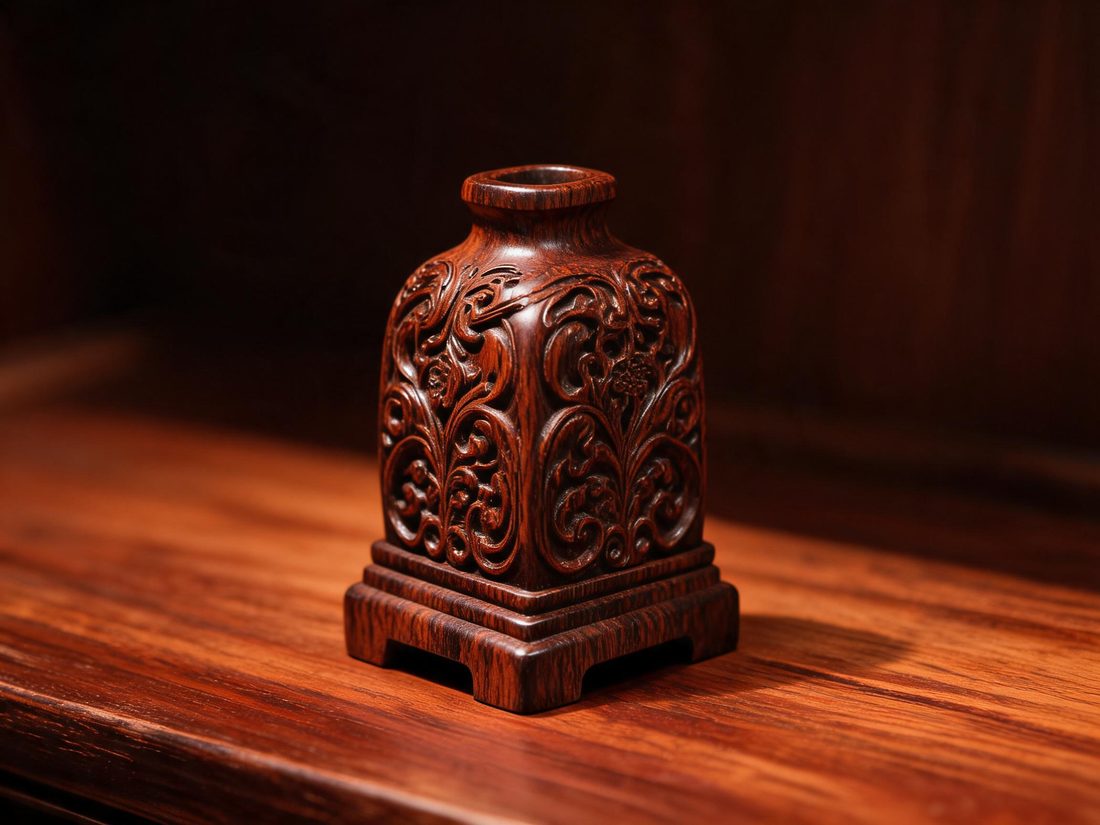
A wholesale buyer's checklist for wooden ornament inspection: surface and structure checks, AQL sampling, per-shipment grading reports, custom-carving sample approval and packing terms to confirm before bulk orders.
Hand-carved wooden ornaments sell on detail, which is exactly why wholesale orders live or die on inspection. A carving that looks presentable in a listing photo can still arrive with rough edges under the rim, a loose base, or an oil finish that was rushed to meet a dispatch date. A structured wooden ornament inspection before shipment turns those risks into checkable items. This guide walks through the stages that matter for bulk orders: surface work, structure, sampling logic, grading reports and packing, using the checks that the hand-carved ornament production on this site is documented to run.
What a Three-Stage Inspection Should Cover
The Hand-Carved Wooden Ornament line is documented to pass three inspection stages before shipment: surface, structure and AQL sampling. The order is not accidental. Surface and structure checks happen at the workbench level where corrections are still cheap; AQL sampling then tests whether the batch as a whole meets the agreed acceptance level. Buyers evaluating any carved-wood supplier should ask for all three stages by name, because a supplier who inspects only at the end tends to discover problems after value has already been added.
Surface Checks: Sanding and the Oil Finish
Surface quality is where handwork shows first. Each piece in the hand-carved wooden ornament line is hand-sanded and sealed with a natural oil finish. During wooden ornament inspection, the practical questions are: does the finish feel even in the recesses of the carving, not only on the raised surfaces; are there sanding scratches visible at raking light; and is the oil layer consistent across the batch, or noticeably darker on some pieces? Recesses matter most, because they are the hardest areas to reach and the first place a rushed finish becomes visible to the end customer.
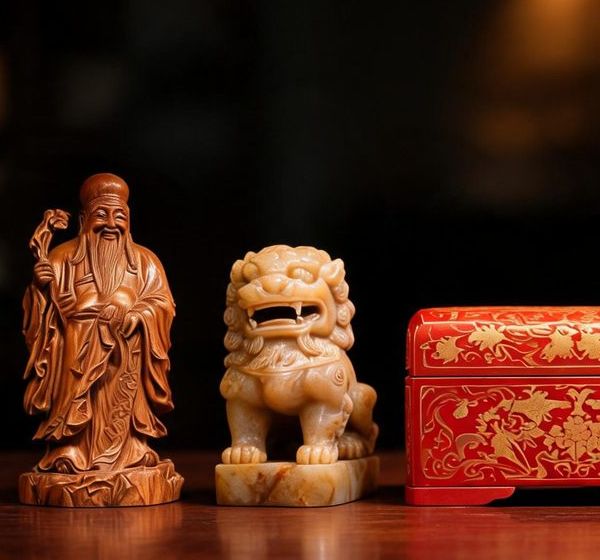
Ask for close-up photos of current stock at the recesses and base edges, taken the day of shooting. Studio images of the front face rarely answer the questions above.
Structure Checks: Joints, Bases and Carving Depth
Structure determines whether an ornament survives transport and years on a shelf. Wooden ornament inspection at this stage looks at joints and fitted bases for movement, at thin carved sections for weakness, and at the underside where cracks tend to start before they show on the face. Wood moves with humidity, so a joint that was tight at carving can loosen in a heated showroom; that is precisely why structure is a named inspection stage rather than an afterthought. Buyers shipping to dry or humid climates should say so at order stage, since finishing and packing choices follow the destination.
AQL Sampling and Grading Reports for Each Shipment
Sampling is the stage that protects the whole batch, not just the inspected pieces. The hand-carved line runs AQL sampling as its third inspection stage, and a grading report is supplied with each shipment. For buyers, two questions turn this from a label into evidence: what AQL level was agreed in the purchase contract, and what does the grading report actually record — counts by defect type, or a single pass line? A grading report that lists defect categories and piece counts can be compared across shipments; a one-line statement cannot. Wooden ornament inspection is repeatable only when its outputs are.
The same logic extends to the wider craft assortment: buyers mixing carved ornaments, lacquer pieces and themed sets can request that the Themed Craft Ornament Collection follow the same reporting format, so one internal checklist covers a full container.
Custom Carving: Approve the Sample Before Mass Production
Custom projects carry an extra inspection gate. Custom carving on the hand-carved line goes through a sampling period of 15–20 days before mass production, which is where the buyer locks the reference standard: carving depth, base design, finish tone. A approved sample becomes the benchmark that later inspection reports are measured against. Skipping the sample to save two weeks usually costs more later, because mass-produced pieces can only be as consistent as the standard they were checked against.
Materials, Sizes and Order Terms at a Glance
| Item | Hand-Carved Wooden Ornament |
|---|---|
| Materials | Hardwoods including rosewood, sandalwood and walnut |
| Sizes | 8–25 cm |
| Finish | Hand-sanded, natural oil seal |
| Inspection | Surface + structure + AQL sampling; grading report per shipment |
| Custom carving | Sample in 15–20 days before mass production |
| MOQ / lead time | 50 pieces / 35–50 days |
Packing and Arrival Checks
Packing is the handover point of the inspection chain. Pieces are packed for wholesale transport, and buyers should confirm two things in the contract: individual wrapping or interleaving between carved pieces, and carton weight limits that keep lower layers from being crushed. Finished decorative boxes and lacquer storage pieces, like the one shown below, need the same treatment at their corners and hinges.
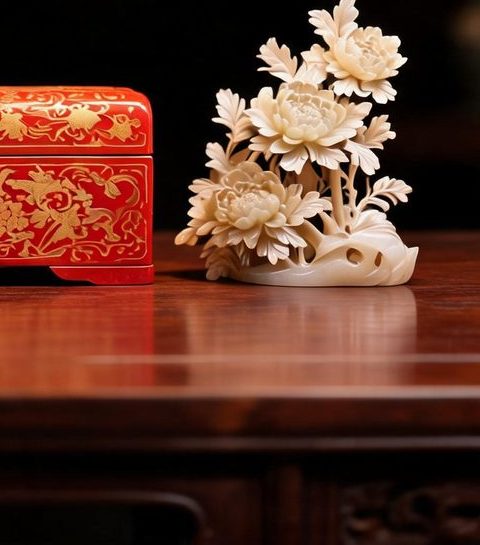
On arrival, photograph packed cartons before opening, then check a fixed number of pieces from different carton positions against the grading report. Arrival checks close the loop that pre-shipment wooden ornament inspection opened, and they are what make a claim credible if something went wrong in transit.
Request the Inspection Terms with Your Quote
Sourcing hand-carved ornaments for gift programs, museum shops or seasonal retail? Ask for the inspection terms together with pricing: the three-stage checks, the agreed AQL level, the grading report format and the packing specification for the Hand-Carved Wooden Ornament line. Send sizes, quantities and destination climate, and the quotation will come back with the inspection and reporting terms attached to the same numbers.