
Overseas buyers sourcing Chinese stationery keep asking what is rice paper and what is sumi ink. This update explains how Xuan paper and Hui ink sticks are graded, what to check before reordering, and how to match the grade to the end use.
Overseas buyers sourcing Chinese stationery for gift, education and religious channels keep returning to the same two questions: what is rice paper, and what is sumi ink. Both questions look simple, yet the answers decide whether a container of paper and ink arrives usable or ends up as a warehouse problem. This update summarises what importers, distributors and cultural gift programmes are checking right now, and how those checks map onto real production lines.
Why the rice paper question keeps coming back
Paper is the single largest line item in most Chinese calligraphy orders, and it is also the easiest to get wrong. A buyer who only compares price per sheet will often receive paper that behaves differently from the sample. That is why the search phrase what is rice paper appears so often in sourcing inboxes: purchasing teams want a definition they can put in front of their own quality staff.
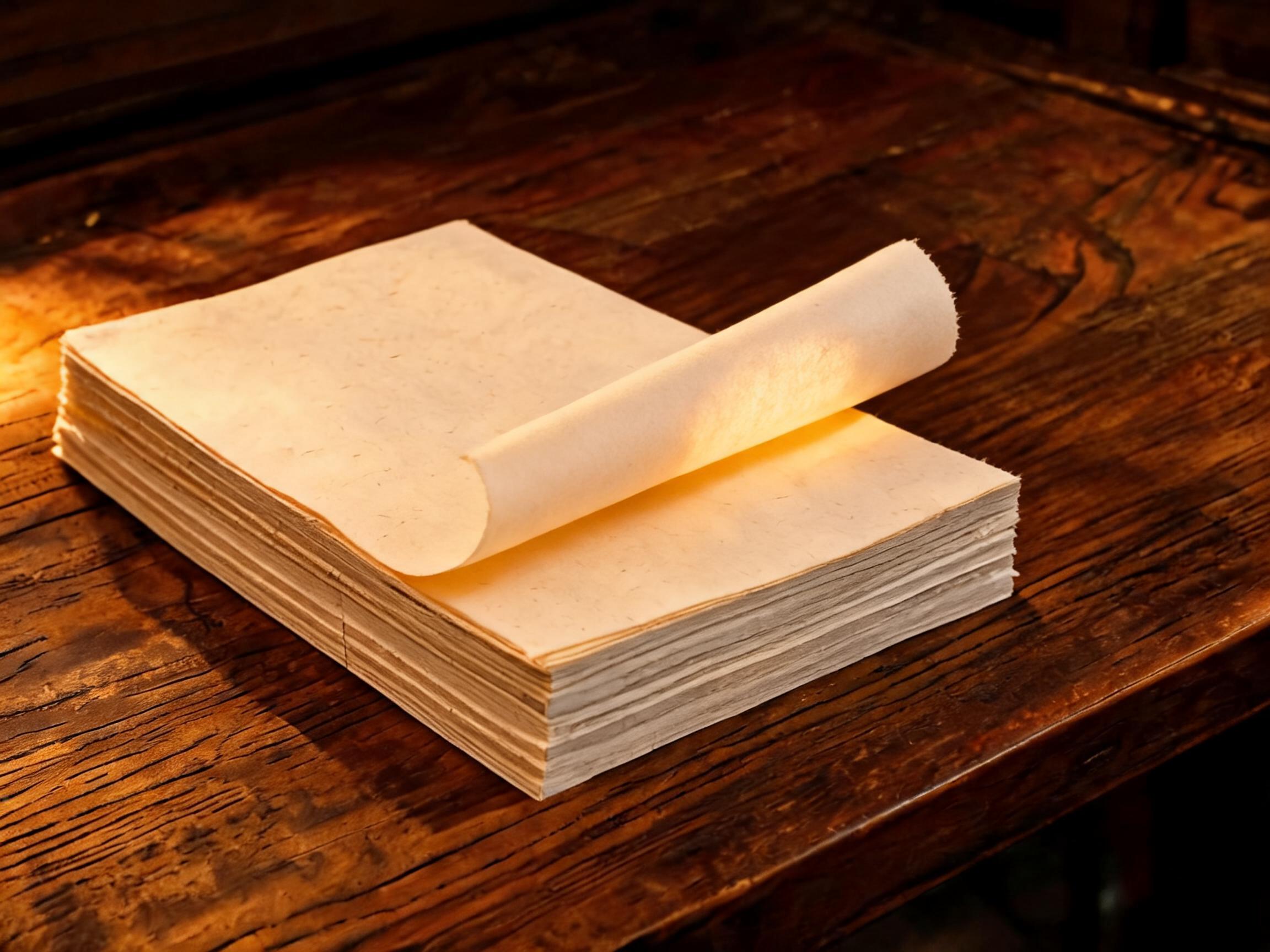
In practice, rice paper in the Chinese stationery trade refers to Xuan paper, a handmade sheet built from bark fibre rather than from rice grain. The fibre is beaten, formed into sheets and dried, and the resulting sheet is graded by how it accepts ink. Two sheets of the same size can behave very differently once a brush touches them.
What is rice paper made of, and why the answer matters to a purchase order
When a buyer asks what is rice paper made of, the honest answer is that the sheet is defined by its fibre blend and its forming process, not by a single ingredient. Bark fibre gives the sheet its strength and its ability to hold a brush stroke without tearing. The forming and drying steps control thickness consistency across a batch.
This is where a specification conversation becomes a commercial one. A distributor supplying calligraphy schools needs a sheet that absorbs ink predictably so that hundreds of students get a comparable result. A studio supplying professional calligraphers needs tighter control over ink bleed, because a stroke that spreads too far cannot be corrected after the fact.
Buyer checkpoint: ask for the ink bleed behaviour and thickness consistency of the specific grade, not a general description of the category. A supplier who can describe how a batch is graded is easier to hold to a repeat order.
What is Xuan paper in a supplier catalogue
The term what is xuan paper is the specialist version of the same question. Xuan paper is the category name used for this bark-fibre sheet, and it is the term that appears on production documents and grade certificates. Buyers who use the specialist term when they request a quotation usually get a more precise answer, because the supplier can match the request to a specific production line instead of guessing.
For a purchasing team, the practical value of the term is that it separates raw and treated sheets. Raw sheets accept ink freely and suit expressive brushwork. Treated sheets carry a controlled sizing so that fine-brush painting stays crisp. Ordering the wrong one is a common and expensive mistake.
What is sumi ink, and how it is supplied
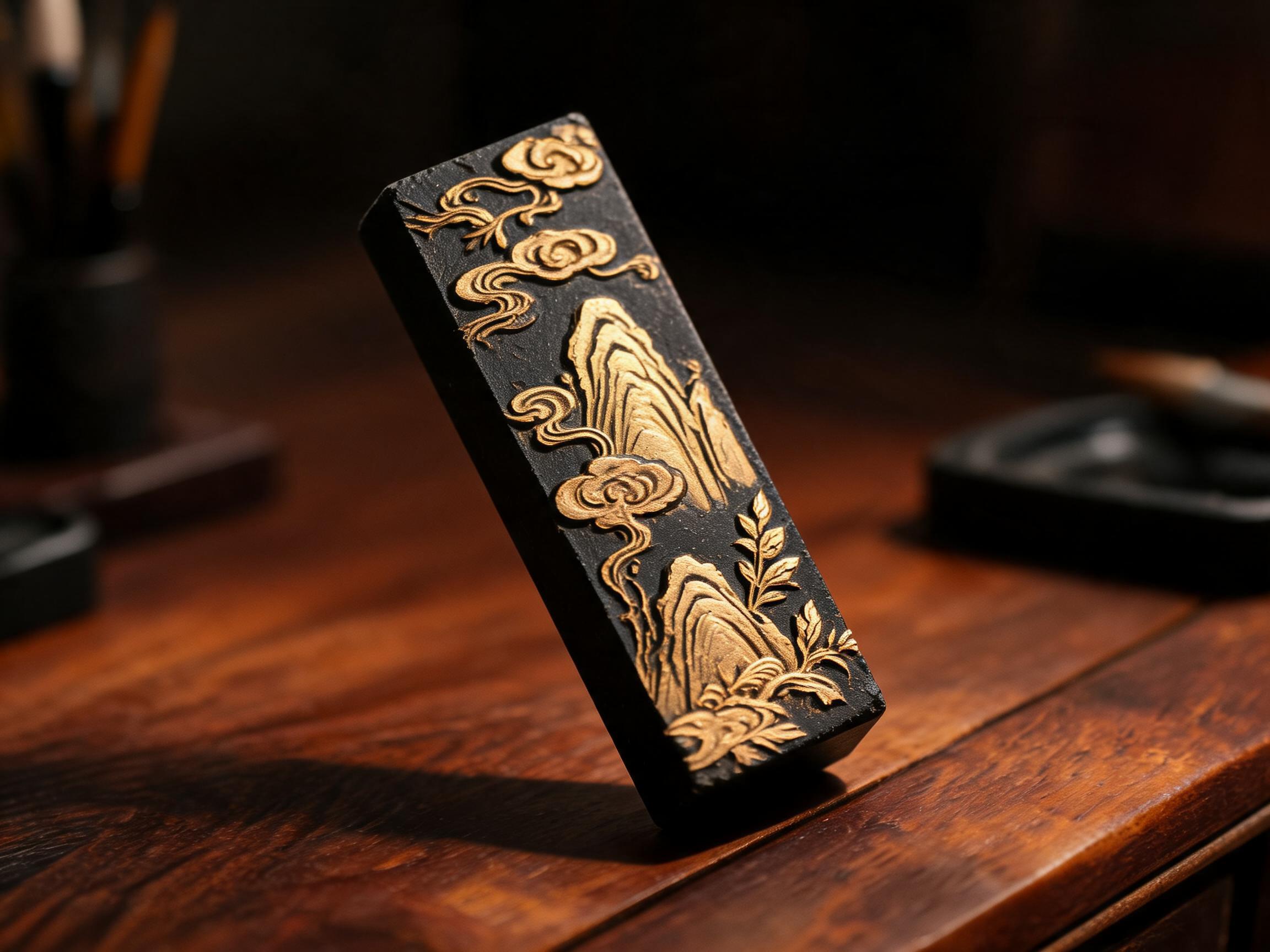
The second recurring question is what is sumi ink. Sumi ink is the solid ink used in East Asian brush writing and painting. In the Chinese trade it is usually supplied as an ink stick, which the user grinds with water on an inkstone, or as a prepared liquid ink for convenience. The stick format is the one that travels well and stores for long periods, which is why gift and collector programmes prefer it.
Ink sticks are graded by the soot used, and the two common types behave differently. Pine soot is the traditional choice for brush writing and gives a dense, slightly warm black that suits large characters and practice work. Oil soot is refined further and gives a deeper, glossier black that holds fine detail, which is why studios and print work often specify oil soot.
Buyers who need a consistent black across a run should name the soot type in the enquiry rather than the brand name alone, because the same supplier may offer both. Coloured sticks are formulated with mineral pigments for painting work.
Where to buy rice paper without repeating a bad batch
The most commercially loaded question is where to buy rice paper, because it is asked by buyers who have already decided to purchase and now need a supplier they can reorder from. At this stage the useful comparison is not the headline price but the supplier's ability to hold a grade steady across shipments.
Three checks separate a reorderable supplier from a one-off seller:
- Grade documentation. Ask what the batch record actually states: the ink absorption grade, the thickness or weight tolerance, and the batch number that ties the shipment back to that record. A supplier who can name these three items is easier to hold to a repeat order than one who only says the paper is graded.
- Sample-to-bulk consistency. Does the bulk shipment match the sample that was approved?
- Packaging for the destination. Ask how the paper is protected against moisture in transit, whether the outer carton is strong enough for the planned handling, and whether the shipment travels on a pallet. Paper that absorbs humidity in a container can arrive with wavy edges even when the grade itself was correct.
These checks apply equally to ink. A gift programme that approves a gold-filled ink stick sample needs the production run to match the carving and the tone, not just the dimensions.
How the questions map onto real product lines
For buyers who want to move from definition to quotation, the categories below show how the questions above translate into orderable lines.
| Buyer question | Product line to review | Typical buyer |
|---|---|---|
| What is rice paper / what is xuan paper | Raw Xuan Paper Professional | Professional calligraphers, painting studios |
| Where to buy rice paper in bulk for teaching | Student Practice Xuan Paper | Calligraphy schools, educational distributors |
| What is sumi ink for gifting and collecting | Premium Pine Soot Hui Ink Stick | Cultural gift distributors, collectors |
| What is sumi ink for classroom volume | Student Practice Hui Ink Stick | Calligraphy schools, educational supply distributors |
What buyers should put in the first enquiry
A short, specific enquiry gets a usable answer faster than a long one. Buyers who include the following details usually receive a quotation that can be compared against other suppliers on equal terms:
- The intended end use: teaching, professional studio work, gifting or religious use.
- The grade behaviour required, such as controlled ink bleed or a specific soot tone.
- Target quantity and the packaging format needed for the destination market.
- Whether a sample is required before the bulk order is confirmed.
Buyers who state the end use first often discover that the grade they assumed they needed is not the grade that suits their channel. That single clarification prevents most of the returns that follow a first shipment.
What religious and temple buyers should confirm
Religious and temple supply is a distinct channel from gifting, and buyers in this channel usually order on a repeating cycle rather than for a single event. Two points decide whether a paper and ink order suits temple use.
The first is format. Temple work is often written at a larger scale than classroom practice, so the sheet size and the roll format matter more than the grade name alone. Buyers should confirm the sheet or roll dimensions against the size the temple actually uses before ordering.
The second is repeatability. Because temple orders recur, the tone of the ink and the behaviour of the paper need to stay steady from one shipment to the next. Buyers in this channel should ask the supplier to hold the same soot type and the same paper grade across reorders, and to record those choices on the order so a later shipment can be matched to them.
Frequently asked questions
Is rice paper made from rice?
No. In the Chinese stationery trade the sheet is built from bark fibre. The name describes the paper's traditional role in writing and painting rather than its raw material.
Can raw and treated Xuan paper be used for the same work?
No. Raw sheets accept ink freely and suit expressive brushwork, while treated sheets carry a controlled sizing for fine detail. Buyers should confirm which behaviour the end user needs before ordering.
How should an ink stick be stored before sale?
Ink sticks are supplied as solid pieces that the user grinds with water. Buyers should confirm the storage and packaging conditions with the supplier for their specific destination, since these depend on the grade and the shipping route.
What information speeds up a quotation?
End use, required grade behaviour, target quantity, packaging format and whether a sample is needed. With these details a supplier can match the request to a specific production line.
Next step for sourcing teams
Buyers who are comparing suppliers for the coming season can review the full range of Xuan paper and Hui ink stick lines, then send the enquiry details listed above. Matching the grade to the end use before the order is placed is the single most effective way to avoid a repeat shipment that fails on arrival.
Review the professional Xuan paper range and confirm the grade behaviour your channel requires.