Hui ink stick sourcing for gift, collector and religious channels: soot grades, grinding stones, brushes, paper and seal items for overseas B2B buyers.
Hui Ink Stick Sourcing: What Gift, Collector and Religious Buyers Now Check Before Ordering
Overseas buyers who source Chinese stationery for gift programs, collector markets and religious supply channels are asking more detailed questions about the hui ink stick before placing orders. A hui ink stick is a hand-formed block of refined soot and binder that a calligrapher grinds with water on a stone surface. The hui ink stick is associated with the Huizhou ink-making tradition, and the hui ink stick now sits at the center of sourcing conversations which once focused only on liquid ink.
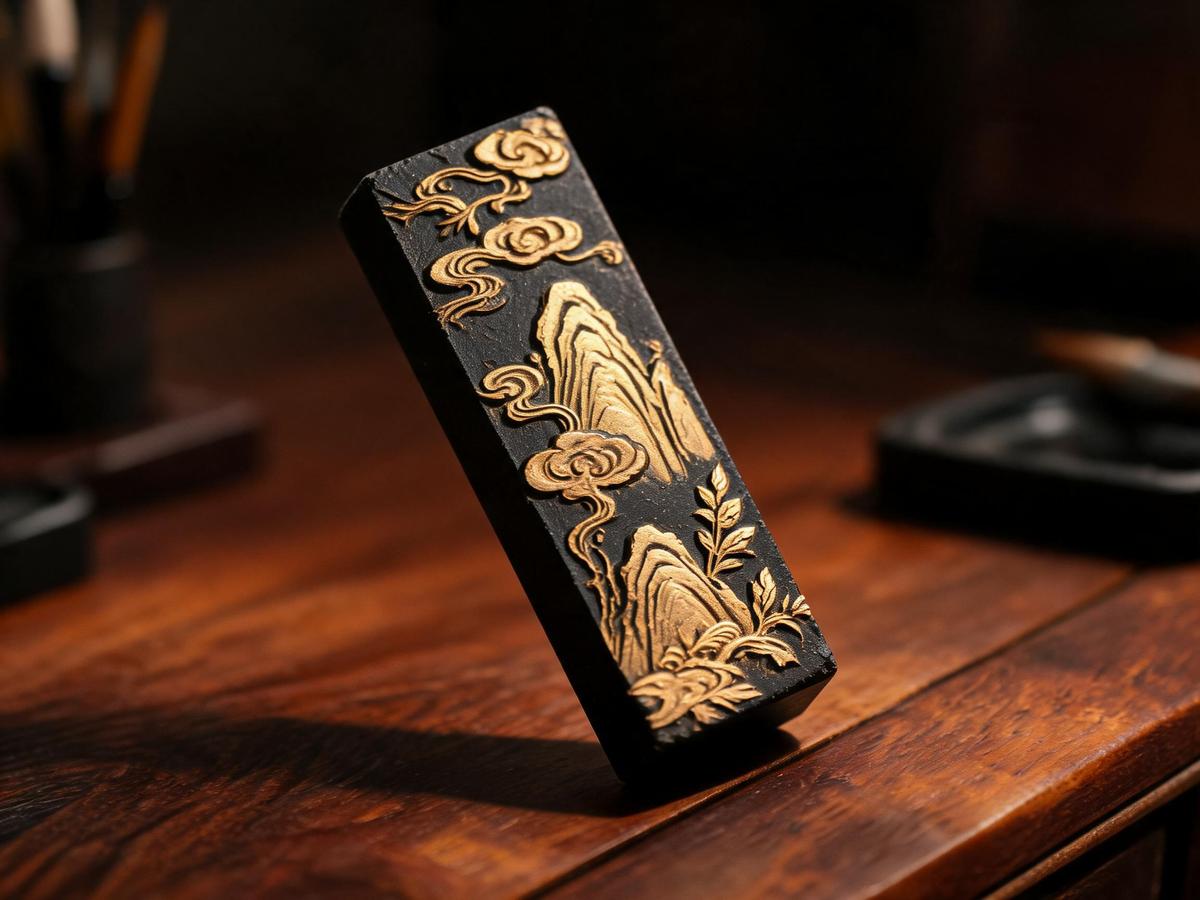
The shift toward craft-grade ink matters for importers because the hui ink stick is not a single commodity. Soot type, binder ratio, carving detail and packaging all change the buyer segment that a hui ink stick can serve. A distributor who orders the wrong grade for a gift channel will see returns, while a distributor who matches grade to channel builds repeat orders.
What Buyers Now Ask About the Hui Ink Stick
Buyer questions cluster around three themes. Cultural gift programs in Southeast Asia, Japan and Korea want objects with visible craft, and a hui ink stick with gold-filled carving reads as a premium gift without electronics or batteries.
Collector channels in Europe and North America ask about origin, and buyers should confirm which origin records a supplier can actually provide for the hui ink stick. Religious and temple supply buyers need a stable black tone across large reorders, so buyers should confirm how a supplier controls soot refining and whether a retained sample is kept for tone comparison.
Buyers should treat the hui ink stick as a specification decision rather than a price decision. A lower-cost hui ink stick often uses a different soot grade, and the difference shows up in ink tone, grinding feel and shelf behavior after months in storage.
Reading Soot Grades Before Ordering a Hui Ink Stick
Soot grade is the first filter. Pine soot tends to produce a warm, deep black that suits practice and general calligraphy. Oil soot tends to produce a glossier black favored by studios that want strong contrast. A buyer comparing quotations for a hui ink stick should ask which soot the supplier refines and how the supplier controls carbon density across batches.
Binder and forming method come next. Hand-formed sticks that are fully dried before packing, and shipped with suitable inner protection, are generally less prone to cracking than sticks packed before drying is complete, and cracking is a frequent complaint in international shipping. Buyers who plan long ocean transit should confirm drying time and inner packaging before committing to a hui ink stick order.
- Confirm soot type and refining method for every hui ink stick grade quoted.
- Ask for batch-level documentation rather than a single sample photo.
- Check carving depth and gold application if the hui ink stick targets a gift channel.
- Verify drying time and inner packaging for long-distance freight.
Pairing the Hui Ink Stick With the Right Grinding Stone
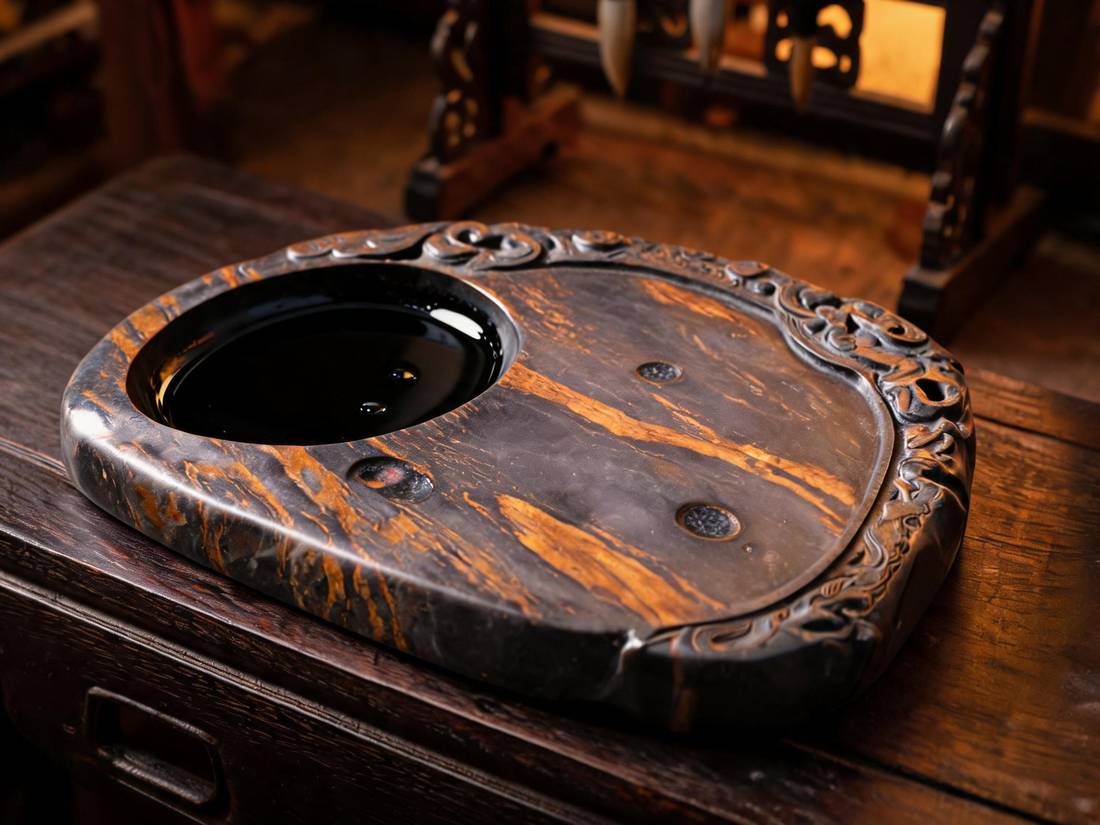
A hui ink stick performs only as well as the surface a buyer grinds the hui ink stick on. Duan stone and She stone remain the two reference materials for serious buyers. Duan stone is valued for fine grain and even grinding feel, while She stone is valued for a slightly different texture that many studios prefer for daily work.
Buyers building a complete offer should pair the hui ink stick with a chinese ink stone that matches the buyer segment. A collector set benefits from a hand-selected chinese ink stone with visible natural pattern. A school program benefits from a durable chinese ink stone with a consistent grinding surface that survives daily student use. The Classic Duan Inkstone and the She Inkstone Premium illustrate how the same category splits into collector and institutional grades.
Brushes, Paper and Seals Complete the Sourcing Basket
Most overseas buyers do not order a hui ink stick alone. A practical sourcing basket pairs the hui ink stick with a chinese calligraphy brush set, paper and seal items so one shipment serves a retail shelf or a gift program. Brush hair type drives script suitability: wolf hair suits regular and clerical script, goat hair suits running and cursive script, and mixed hair covers multiple styles.
Paper choice follows the same logic. Raw Xuan paper suits expressive brushwork, while treated paper with controlled sizing suits fine-brush painting. The Raw Xuan Paper Professional and the Premium Wolf Hair Calligraphy Brush show how paper and brush grades map to buyer intent.
Seal items add margin and gift appeal. A chinese seal carving set with stone, paste and tools travels well as a boxed gift, and a custom carved name seal supports corporate and institutional programs that need personalization. Buyers should confirm proof-sample approval before production when a chinese seal carving order carries a name or logo.
Buyers who compare a chinese calligraphy ink stick against a liquid ink option should weigh storage life and gift presentation. A chinese calligraphy ink stick suits channels that value craft and shelf presence, while liquid ink suits high-volume classroom use.
What Buyers Should Verify Before Placing a Bulk Order
Documentation separates reliable suppliers from opportunistic ones. Buyers should ask for specific records rather than general assurances: the soot type and refining method for each grade, the drying time and storage conditions applied to the batch, the retained sample kept for tone comparison, and the grain and structural check performed on each chinese ink stone.
Buyers should request the same records for every component in a set, because a strong hui ink stick paired with an untested chinese ink stone still produces a weak buyer experience.
| Checkpoint | What to Request | Buyer Impact |
|---|---|---|
| Soot grade | Type and refining method | Drives ink tone and grinding feel |
| Drying control | Drying time and storage conditions | Reduces cracking in transit |
| Stone grading | Grain and structural check | Protects grinding performance |
| Packaging | Inner protection and gift box spec | Protects gift-channel presentation |
| Customization | Proof sample before production | Prevents costly rework |
Information Buyers Should Confirm Before a Bulk Order
Several order details depend on the supplier and the specific grade, so buyers should confirm these points directly rather than assume them. Asking early avoids rework later.
- Minimum order quantity and any grade-specific minimums.
- Production lead time for standard grades and for custom engraving.
- Proof-sample steps and approval timing for a custom carved name seal.
- Inner packaging and outer carton specification for ocean freight.
- Incoming inspection points and how a quality claim is raised after delivery.
Buyers who collect these answers in one brief can compare quotations on equal terms and reduce the risk of a mismatch between the ordered grade and the target channel.
Gift and Collector Channels Reward Specification Discipline
Gift buyers and collector buyers judge the same hui ink stick by different standards. A gift buyer cares about presentation, box quality and personalization. A collector buyer cares about origin documentation, carving artistry and edition numbering. Suppliers who understand both segments can serve a single buyer across two product lines.
A complete scholar desk set becomes useful here. A set that bundles a hui ink stick, a chinese ink stone, a chinese calligraphy brush set and paper in one presentation box reduces the buyer's coordination work and protects quality consistency across components. The Premium Scholar Desk Gift Set and the Seal Carving Gift Set show how bundling serves gift and institutional programs.
Frequently Asked Questions
How should a buyer store a hui ink stick before sale?
Keep the hui ink stick dry and away from direct sunlight. Moisture and heat are the two conditions most likely to soften a hui ink stick or dull the carved surface before the hui ink stick reaches a retail shelf.
Can a supplier match ink tone across repeat orders?
Tone matching depends on soot control and batch testing. Buyers should ask how the supplier references a master tone and whether the supplier keeps a retained sample for comparison.
Which components should a first-time buyer order together?
A practical first order pairs the hui ink stick with a chinese ink stone, one or two brush types and a paper grade that matches the target buyer. Adding a seal item increases gift appeal without complicating logistics.
Next Steps for Overseas Buyers
Buyers who want to move from browsing to a quotation should prepare a short brief: target channel, quantity per grade, customization needs and packaging expectations. A clear brief lets a supplier recommend the right hui ink stick grade and the supporting components in one response.
Gumo Craftworks Co., Ltd. produces hui ink stick lines, chinese ink stone grades, chinese calligraphy brush set options, Xuan paper and chinese seal carving items for gift, collector, educational and religious channels. Buyers can review the Premium Pine Soot Hui Ink Stick and the Oil Soot Hui Ink Stick Classic to compare soot grades, then send a brief through the site inquiry form for a matched quotation.