
Why Chinese Inkstone Sourcing Demands a Different Checklist
International buyers who already import calligraphy ink sticks or Xuan paper often assume a Chinese inkstone follows the same sourcing logic. A Chinese inkstone is a natural stone product, and stone introduces variables that paper and ink never present: quarry origin, grain structure, hardness consistency, and shipping fragility.
Gumo Craftworks Co., Ltd. supplies inkstones alongside Hui ink sticks, Xuan paper, brushes, and scholar desk sets, and buyer inquiries show the same pattern every season: the questions that decide a Chinese inkstone order are different from the questions that decide an ink order.
This guide walks through the four checkpoints that matter most when sourcing a Chinese inkstone for retail, studio, or gift programs: stone grading, grinding performance, protective packing, and documentation. Each checkpoint links to a real product example so buyers can see how Gumo Craftworks applies the standard in practice.
Checkpoint 1: Stone Grade and Quarry Origin
A Chinese inkstone is only as good as the stone behind it. Duan inkstones from Zhaoqing and She inkstones from Anhui are the two names most international buyers request, and both categories suffer from the same market problem: stones sold as premium grade without any grading record. When a supplier cannot state where the stone was quarried or how the stone was graded, a buyer has no way to compare quotations or to defend the retail price back home.
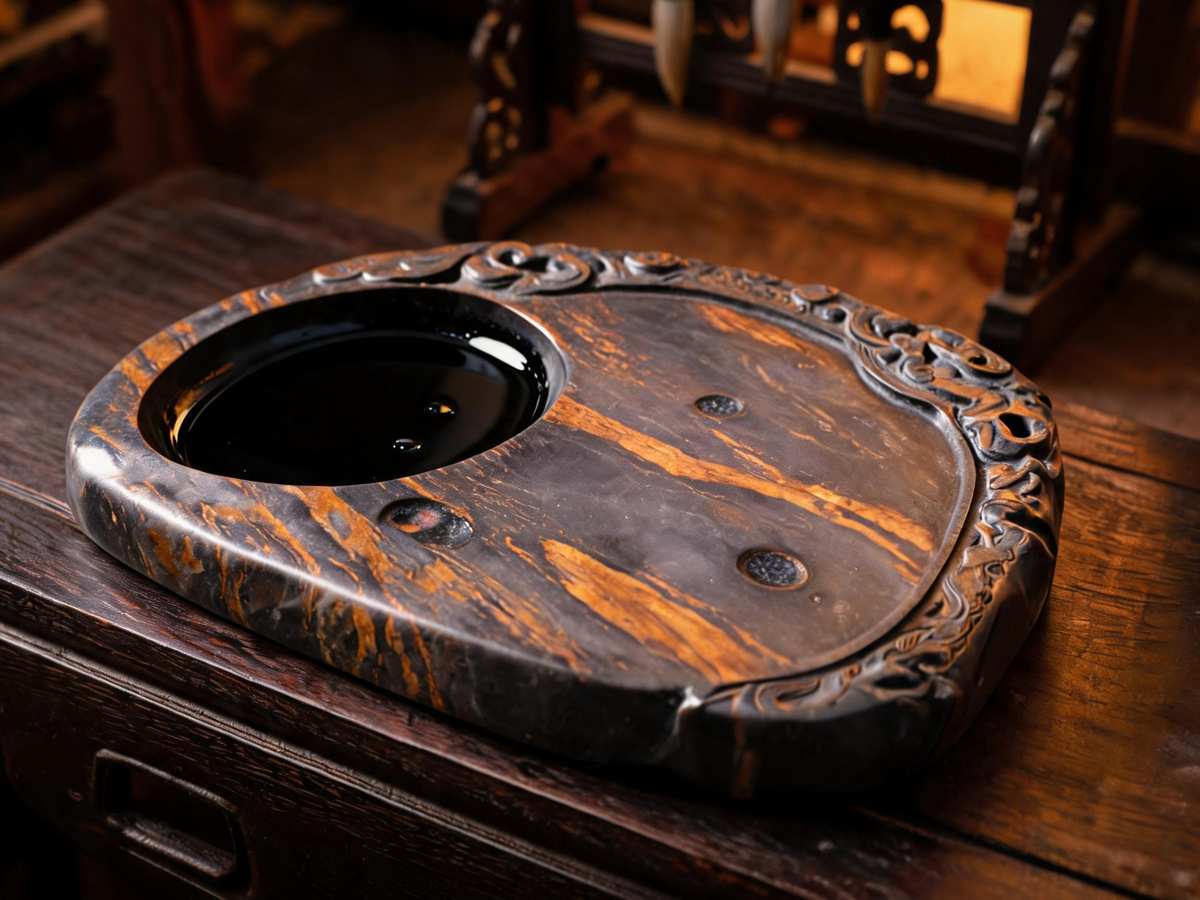
Gumo Craftworks selects every Duan inkstone from documented Zhaoqing quarry sources and grades each stone for grinding feel, natural pattern, and structural integrity before production. Buyers can ask for the origin and grading notes that accompany each shipment, so the Chinese inkstone range suits collectors and everyday studio use alike. The Classic Duan Inkstone is the reference example: hand-selected grain, documented origin, and a surface finish that supports both display and daily grinding.
Checkpoint 2: Grinding Performance in Real Use
Grinding performance is the test that separates a display piece from a working tool. A Chinese inkstone with a poorly finished grinding surface produces gritty ink, wears down Hui ink sticks faster, and frustrates calligraphy students. Buyers sourcing for schools or studio chains should ask suppliers how grinding surfaces are finished and whether each stone is inspected before packing.
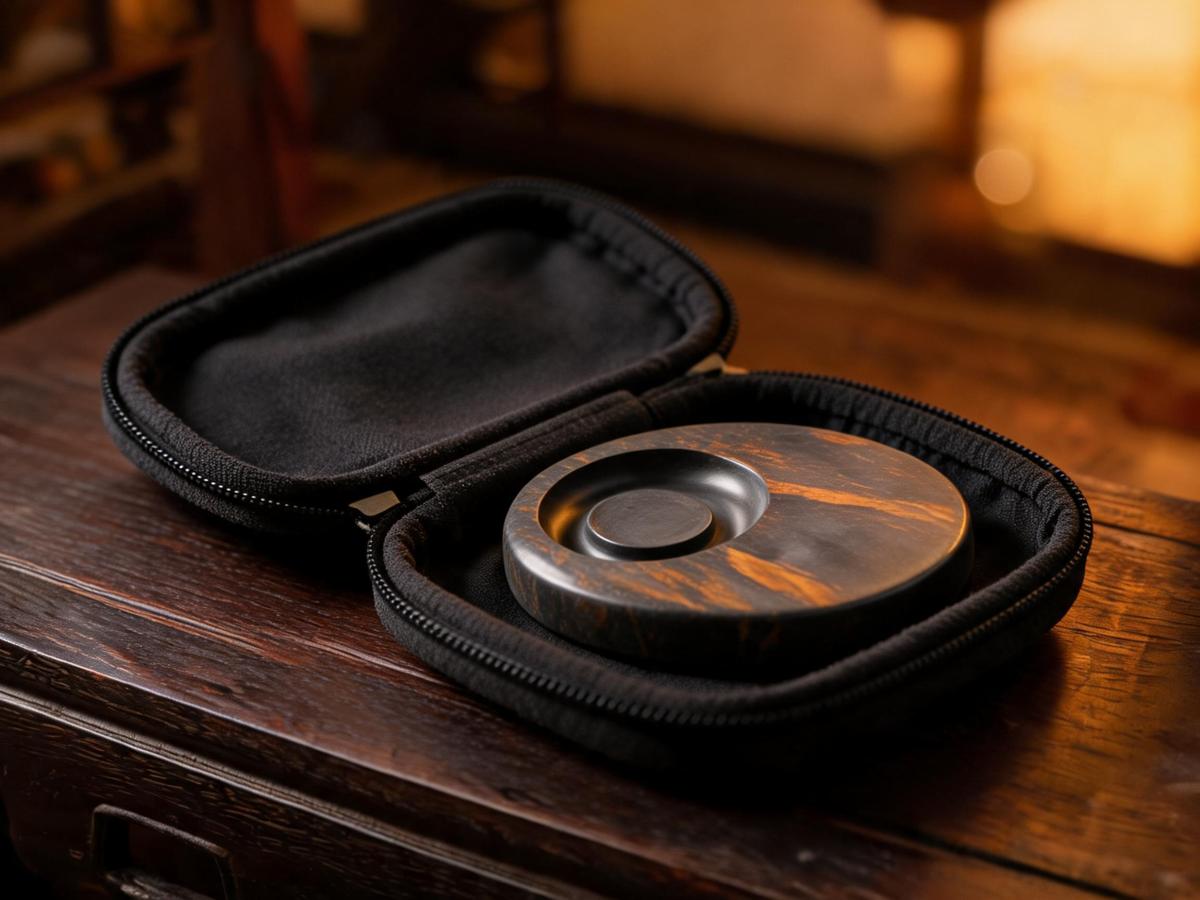
Gumo Craftworks inspects grinding performance on every inkstone before shipment, compact models included. The Compact Travel Inkstone shows how a smaller stone keeps a professional grinding surface: the optimized grinding area is finished and checked stone by stone, and each unit ships with an individual protective case. For buyers pairing inkstones with consumables, Student Practice Hui Ink Stick is the companion SKU for school and practice programs, and Raw Xuan Paper Professional completes the working set for calligraphy studios.
Checkpoint 3: Shipping Protection for Stone Products
Stone cracks in transit. Buyers who import a Chinese inkstone for the first time often underestimate how much packing design matters: a stone that survives a domestic courier can still arrive chipped after an ocean freight leg. Ask prospective suppliers three questions: Is each stone individually wrapped? Is there a fitted case or foam cavity? How is the packing designed for the actual export route?
The Compact Travel Inkstone ships in a padded, zippered case with fleece lining, and larger Duan inkstones are packed with individual protective wrapping as standard. Gumo Craftworks treats packing as part of the product specification, not an afterthought, because a cracked Chinese inkstone is a total loss for the buyer and a reputation risk for the supplier. Buyers should also agree before shipment how transit damage will be documented and handled, so a claim can be filed with clear photo evidence if a stone arrives chipped.
Checkpoint 4: Documentation That Supports Your Retail Story
Gift shops, museum stores, and calligraphy academies all sell the story behind the product. A Chinese inkstone backed by quarry origin records and grading notes gives a retailer a credible story; an undocumented stone forces the retailer to compete on price alone. Gumo Craftworks provides origin and grading notes on request for the inkstone range, alongside batch documentation for ink sticks and paper. Ask each supplier exactly which documents are issued in-house and which come from third parties, so the paperwork behind every Chinese inkstone quotation can be compared on the same basis.
How to Start an Inkstone Inquiry
Buyers ready to source a Chinese inkstone range should prepare four details before sending an inquiry: target grade (student, studio, or collector), quantity per order, preferred stone type (Duan or She), and any retail packaging requirements. Student-grade stones prioritize value and consistent finishing, studio-grade stones add hand-selected grain, and collector-grade pieces emphasize natural pattern and documentation.
Gumo Craftworks responds with product recommendations, sample options, and documentation examples so buyers can compare the Chinese inkstone range against other quotations on equal terms. Sample terms, including cost and lead time, are confirmed with the quotation. Contact Gumo Craftworks Co., Ltd. through the inquiry form to request the current inkstone catalog and sample policy.