
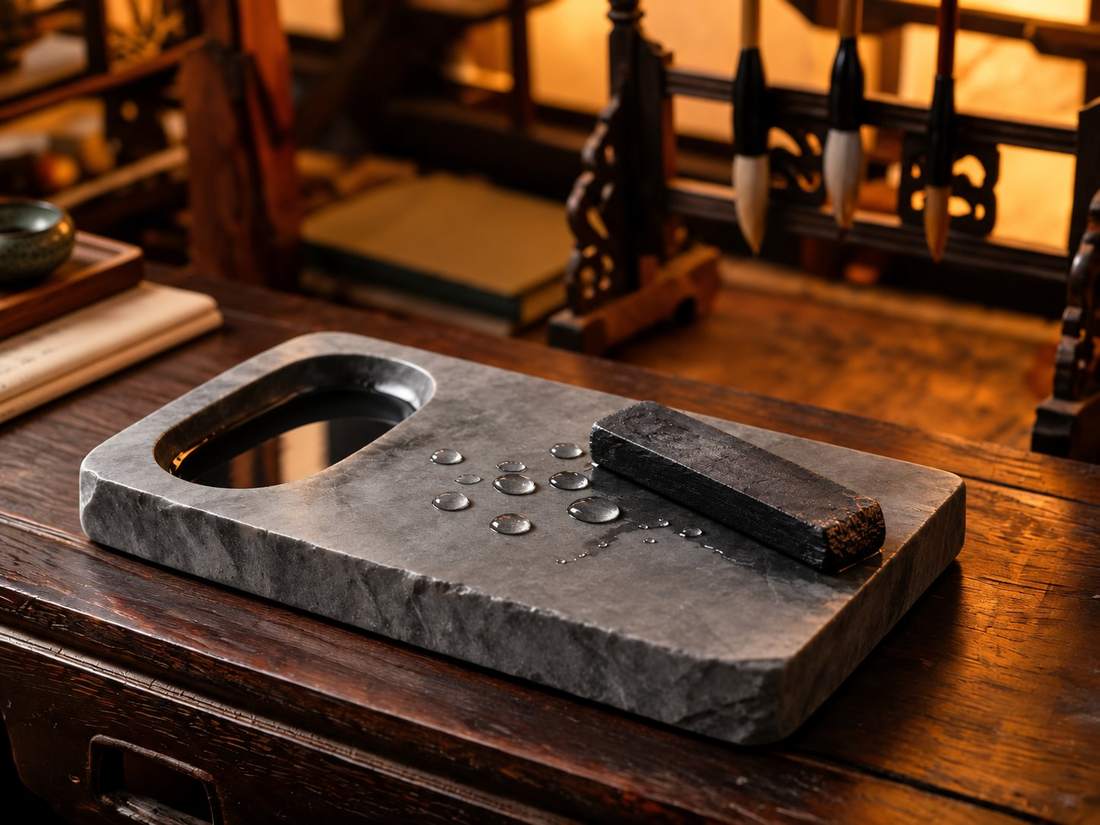
Two grinding stones with the same footprint can differ by a third in weight. The difference is thickness, and to a lesser extent how dense the stone is. It never appears on a size chart, which is why it causes more arguments about quotations than almost anything else in the category.
Why weight changes between two same-size stones
A stone is quoted by length and width because those are easy to measure and easy to list. Thickness is the variable in the middle, and it moves for practical reasons: how much material the block yielded, how the well was cut, and how much was flattened off the base.
The result is two pieces that look like the same product on a specification sheet and behave differently in the hand and on a freight invoice.
What weight actually changes
| Effect | What it means for the buyer |
|---|---|
| Stability while grinding | A lighter stone is more likely to slide unless the user steadies it |
| Freight cost | Weight drives cost per unit even when the carton size is unchanged |
| Carton strength | Dense weight in a small footprint demands more from the box |
| Perceived value | Customers handle the stone before they use it, and they notice substance |

Specify thickness and weight, not just length and width
The fix is straightforward and costs nothing: put thickness and unit weight into the order alongside the footprint, with the tolerance you will accept. A size chart that lists 20 cm by 13 cm tells you nothing about the two stones you are choosing between.
Buyers who also record packed weight per carton get a second benefit: they can see when a quotation is being compared against a genuinely larger or smaller stone rather than a price difference for the same thing.
Packing and freight consequences
Stone is small and dense, so the failure mode in transit is contact damage rather than crushing: pieces that touch each other chip at the edges. Individual wrapping or a divided insert prevents most of it, and the carton has to be strong enough for the weight it carries in a small footprint.
When weight per unit varies, carton counts vary too. Fixing a weight tolerance keeps the number of units per carton predictable, which is what makes a freight quotation comparable across suppliers.
Checks before confirming a grinding stone order
- Thickness of the stone, with an accepted tolerance.
- Unit weight, and packed weight per carton.
- Well depth and shape, since both remove material from the block.
- How pieces are separated inside the carton.
- Whether a retained sample is kept for reorder comparison.
Frequently asked questions
Is a heavier grinding stone better for the user?
Up to a point it is steadier, and past that it is simply heavier to move. The right answer depends on whether the stone stays on a desk or travels, which is a question about the customer, not the stone.
Why do two suppliers quote different weights for the same size?
Because the size on the sheet does not constrain thickness. Ask both for measured thickness and unit weight and the difference usually becomes explicable.
Does thickness affect grinding behaviour?
It changes stability and how the well can be shaped rather than the stone's nature. Face preparation, not thickness, is what the user feels most directly.
Should travel stones be thinner?
Lighter formats are easier to carry, and the trade-off is protection. If you sell a travel format, confirm how it is cased.
Next step for buyers
Add thickness and unit weight to your next enquiry and the comparison becomes much easier. Review the Practice Inkstone and the Classic Duan Inkstone, then send the tiers you plan to stock and your annual volume.