
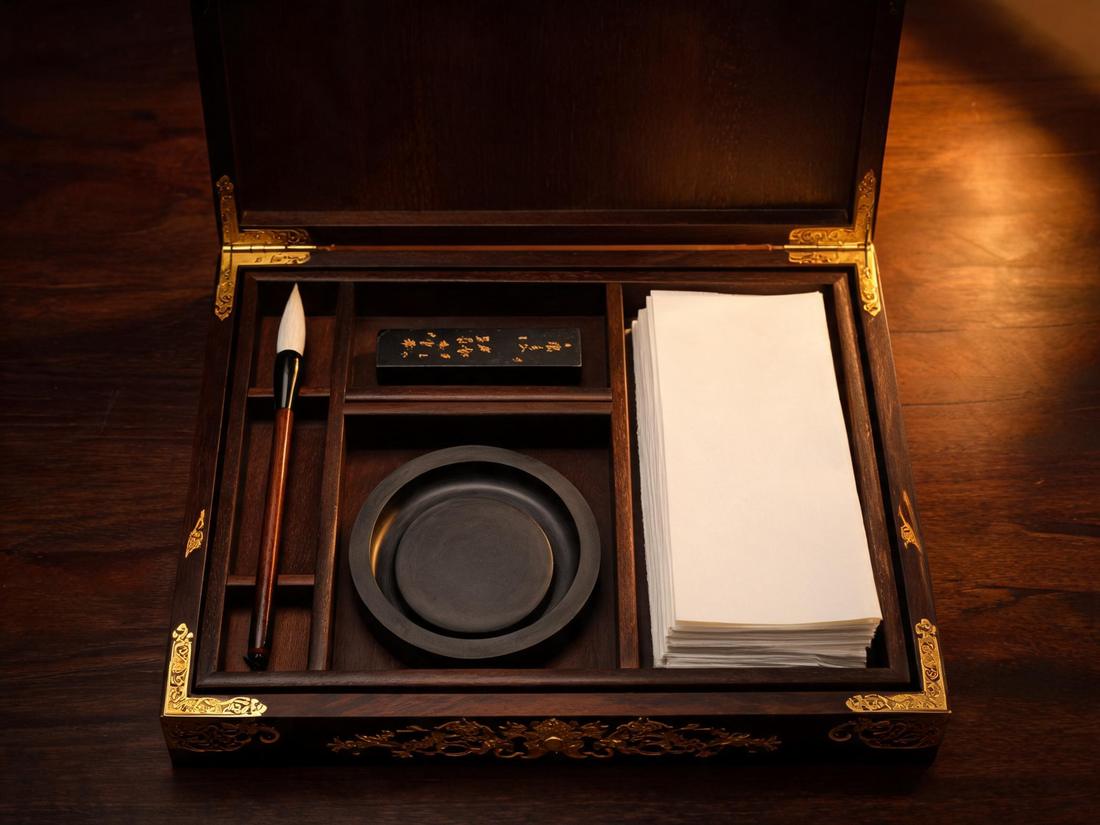
FOB, CIF and DDP decide who books freight, who insures and where risk passes. What each term includes for calligraphy supply orders, and what to confirm before quoting.
Three Terms, One Question: Who Arranges What
Every quotation across our ink craft lines — from bulk Hui ink sticks to practice seal stones — can be prepared on FOB, CIF or DDP terms, and the product pages ask buyers for a destination port or city precisely because the term changes what the quote includes. The three terms answer one question: after the goods leave the workshop, who books the freight, who insures them, and where does responsibility pass?
FOB: You Control the Main Carriage
Under FOB (Free On Board), the goods are delivered on board the vessel at the named Chinese port. From that point, you arrange and pay for the main ocean freight and insurance, and risk passes to you once the goods are on board. Buyers with an existing freight forwarder, or buyers consolidating a China shipment across several suppliers, often prefer FOB because it keeps main-line transport under their own contracts.
CIF: Freight and Insurance Arranged to Your Port
Under CIF (Cost, Insurance and Freight), carriage and insurance are contracted and paid to your named destination port. The practical difference from FOB is who manages the main leg; the important nuance is that risk still passes when the goods are loaded at the origin port, even though the freight bill runs to your port. Import clearance and onward movement from the destination port remain with you. CIF suits buyers who prefer not to book China-side freight themselves but are comfortable handling arrival and customs.
DDP: Delivered Cleared for Import
Under DDP (Delivered Duty Paid), cost and risk are carried all the way to the destination point, with import clearance handled, so the goods arrive ready for receipt. It is the most turnkey option and is quoted per inquiry, because the landed cost depends on the destination country, the product mix and the order size. First-time importers who want a single landed price often start here.
What the Choice Actually Changes
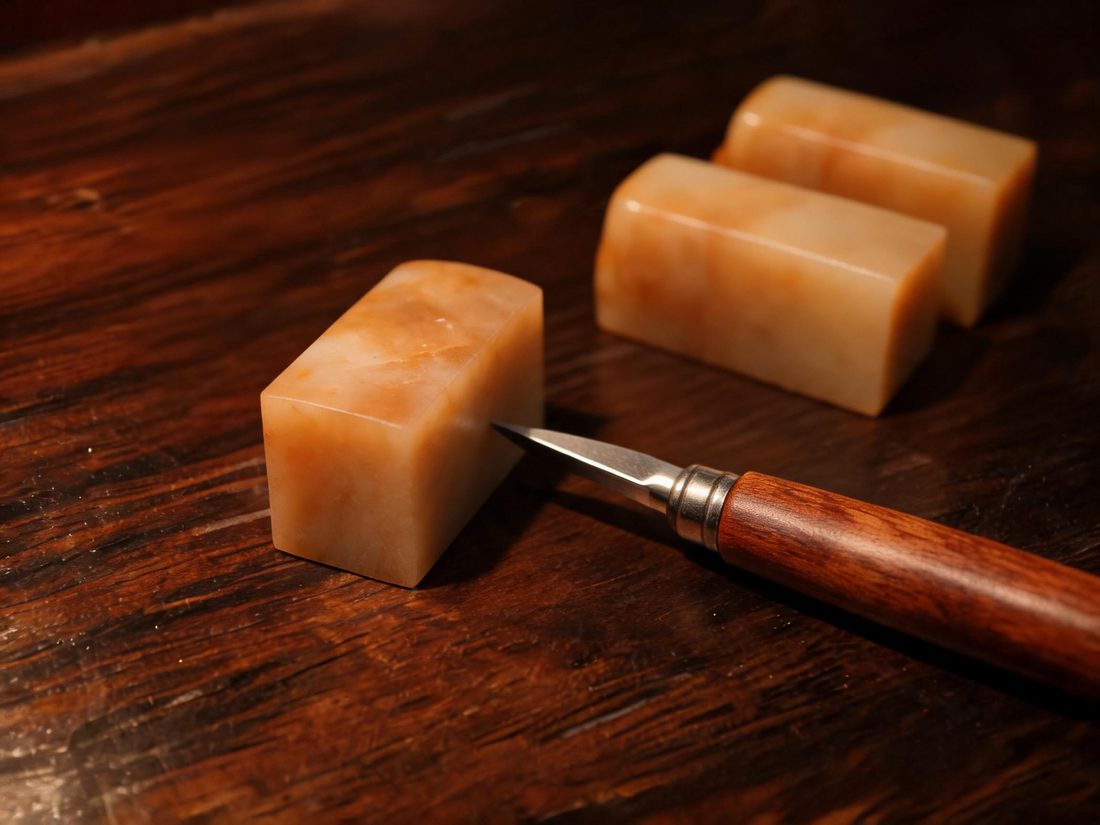
Trade terms do not change the goods, the MOQ or the production lead time — both school lines carry an MOQ of 200 pieces and a standard lead time of 25–35 days after sample approval regardless of term. What changes is the composition of the quote: whether main freight and insurance sit inside your unit price or are booked separately, who manages carriers if a schedule shifts, and at which point in the journey risk transfers. That is why the same quantity can produce three different-looking quotations that are all correct — they simply bundle different responsibilities.
What to Have Ready Before You Ask for a Quote
- Your destination port or city — both product pages ask for it, and it is the single detail that determines how FOB, CIF and DDP quotes are built.
- Quantity relative to the 200-piece MOQ, and for stones, whether they are part of a larger teaching kit so packaging can be planned together.
- Whether you already work with a freight forwarder, or want carriage arranged to your port or door.
Confirm the Term in Writing Before Sampling
Whichever term you lean toward, name it in your first inquiry so the quotation, the schedule and the shipping documents align from the start. A typical planning line for school-term orders: quantity and labeling confirmed, sample approved, then 25–35 days of production and inspection before shipment under the agreed term. If you are comparing terms for the first time, send the destination and quantity and we will prepare the same order on the terms you want to compare.