A B2B sourcing guide to Chinese ink sticks, covering pine soot, oil soot, and Hui ink types, quality grading criteria, and practical selection advice for distributors, schools, and cultural institutions.
For calligraphy studios, art supply distributors, and cultural institutions sourcing from China, the Chinese ink stick remains the gold standard for authentic brushwork. Unlike pre-mixed liquid ink, a solid ink stick must be ground on an inkstone with water - a process that gives calligraphers precise control over ink density, texture, and tonal depth. But not all ink sticks are created equal. Understanding the types, quality grades, and selection criteria helps B2B buyers make informed purchasing decisions that satisfy their end users.
What Is a Chinese Ink Stick?
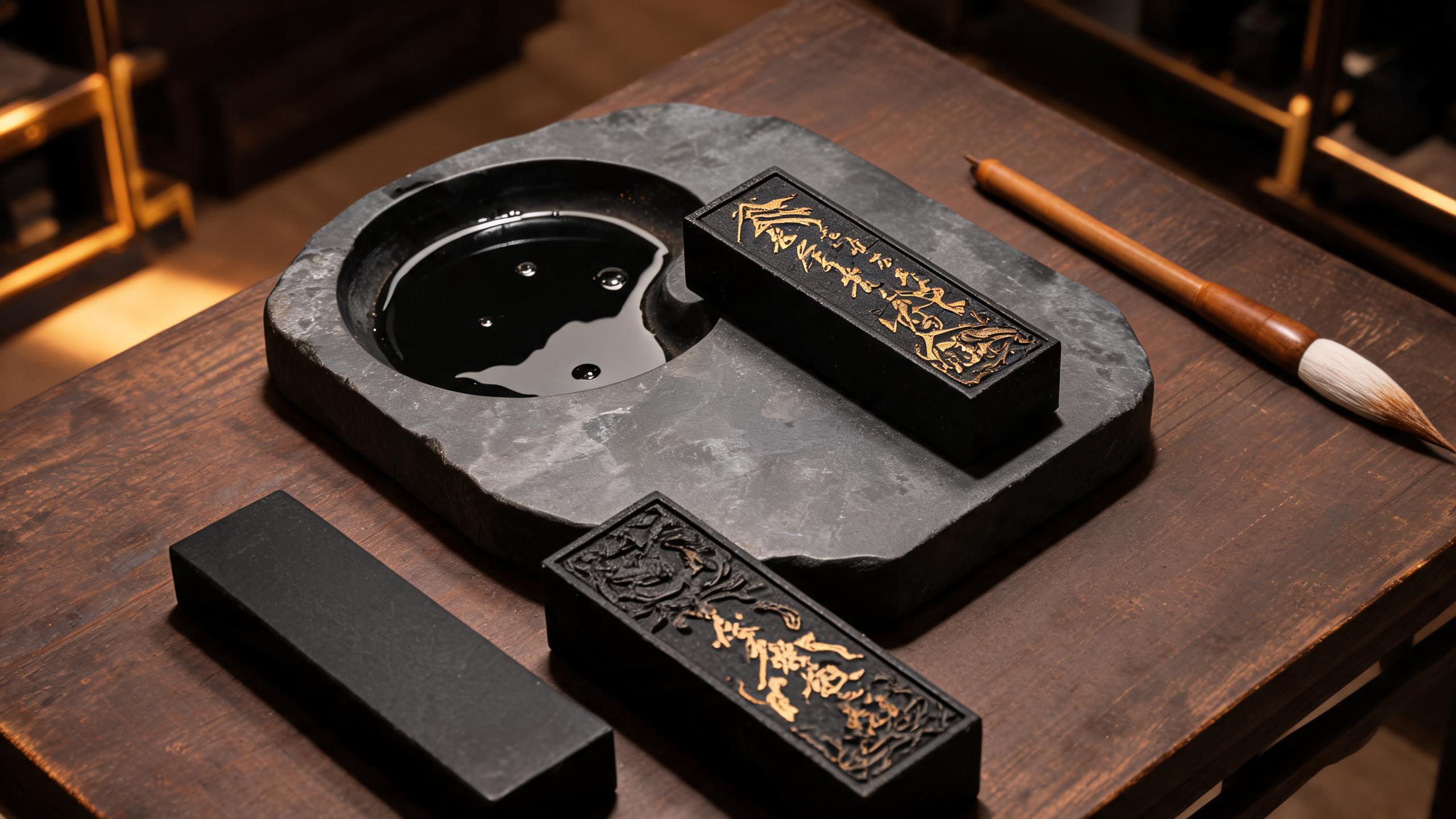
A Chinese ink stick is a compact solid block made from soot, natural binder (typically animal glue), and sometimes aromatic or preservative additives. The stick is ground against an inkstone with a small amount of water to produce fresh ink on demand. This traditional method, practiced for over two millennia, yields ink with a richness and gradation that bottled liquid ink cannot fully replicate.
For wholesale buyers, the ink stick represents both a functional tool and a cultural product. It appeals to calligraphy practitioners, collectors, gift buyers, and religious institutions that use ink for sutra copying and ceremonial writing. Understanding the product categories is the first step to sourcing the right ink sticks for your market.
Main Types of Chinese Ink Sticks
Chinese ink sticks are classified primarily by the type of soot used, which determines the ink's color tone, texture, and ideal application.
1. Pine Soot Ink Sticks
Pine soot is produced by burning pine wood in a controlled, oxygen-limited environment and collecting the fine carbon deposits. The resulting ink is matte black with a soft, warm undertone - ideal for calligraphy practice, educational use, and expressive brushwork where a deep but non-glossy finish is preferred.
Pine soot ink sticks are typically the most affordable category, making them well-suited for school supply distribution and large-volume educational programs. At Gu Mo Craft Technology, our Student Practice Hui Ink Stick uses pine soot with natural binder, available in 20g-50g weights with a plain surface, and carries a MOQ of 200 pieces for bulk orders.
2. Oil Soot Ink Sticks
Oil soot is derived from burning vegetable oils (such as tung oil or rapeseed oil) and collecting the carbon residue. Oil soot ink produces a glossy, cool-toned black with excellent water resistance and archival stability. It is favored by professional calligraphers, painters, and collectors who require sharp, defined strokes and long-lasting results.
Oil soot ink sticks generally command a higher price point than pine soot varieties. They are a strong choice for premium retail lines, professional-grade supply, and cultural gift markets where buyers value ink performance and longevity.
3. Hui Ink - The Premium Category
Hui ink refers to ink sticks produced using the traditional methods historically associated with Huizhou (modern-day Anhui Province), the most renowned ink-making region in China. Hui ink sticks are distinguished by their rigorous production process: traditional soot refining, binder mixing and repeated hammering, mold pressing, extended air-drying, and often decorative carving with gold tracing.
Hui ink sticks are available in both pine soot and oil soot formulations. They represent the highest tier of Chinese ink stick craftsmanship and are the category most sought after by collectors, cultural institutions, and premium gift buyers. Gu Mo Craft Technology's product line includes several Hui ink stick varieties, including the Oil Soot Hui Ink Stick Classic, Premium Pine Soot Hui Ink Stick, Colored Hui Ink Stick Set, and the Commemorative Gold-Edge Hui Ink Stick.
4. Colored Ink Sticks
Beyond traditional black, colored ink sticks are made by adding mineral or botanical pigments to the soot and binder base. These are used in Chinese painting, decorative calligraphy, and specialized artistic applications. The Colored Hui Ink Stick Set from our catalog offers multiple colors in the Hui ink tradition, suitable for art supply retailers and painting studios.
Quality Grades: How to Evaluate an Ink Stick
When sourcing ink sticks for resale or institutional use, evaluating quality goes beyond the soot type. Here are the key grading criteria:
| Criterion | What to Check | Why It Matters |
|---|---|---|
| Soot purity | Consistent, fine particle size; no visible impurities | Pure soot produces even ink with smooth grinding performance |
| Binder quality | Well-proportioned animal glue; stick is firm but not brittle | Good binder ensures the stick holds its shape and grinds evenly |
| Drying process | Extended air-drying, not oven-dried | Proper drying prevents cracking and warping over time |
| Ink tone | Consistent color across the batch | Bulk buyers need uniformity so end users get predictable results |
| Surface finish | Plain (practice grade) or carved with gold tracing (premium grade) | Finish level determines price tier and target market |
| Grinding feel | Smooth, even resistance on the inkstone | Rough or gritty grinding indicates poor soot processing |
At Gu Mo Craft Technology, each ink stick batch undergoes standardized quality grading, including ink tone consistency checks and grinding performance verification. This documentation accompanies bulk shipments, giving distributors and institutional buyers verifiable quality records.
How to Choose the Right Ink Stick for Your Market
For Educational Supply Distributors
Schools and calligraphy training programs need affordable, consistent ink sticks in large volumes. Pine soot Hui ink sticks in the 20g-50g range with plain surfaces offer the best cost-to-performance ratio. Look for suppliers who provide standardized quality grading and bulk packaging optimized for distribution. Our Student Practice Hui Ink Stick, with a MOQ of 200 pieces and monthly production capacity of 10,000+ sticks, is designed for this segment.
For Professional Calligraphy Supply
Professional calligraphers and painting studios require oil soot ink sticks with glossy finish, archival quality, and precise grinding performance. These buyers value ink performance over price and expect detailed quality documentation. The Oil Soot Hui Ink Stick Classic is positioned for this market.
For Gift and Collection Markets
Collectors and premium gift buyers seek ink sticks with artistic value - carved surfaces, gold tracing, commemorative designs, and collectible packaging. The Commemorative Gold-Edge Hui Ink Stick and Colored Hui Ink Stick Set cater to this segment, where visual presentation and craftsmanship are as important as ink quality.
For Religious and Cultural Institutions
Temples, monasteries, and cultural centers that use ink for sutra copying and ceremonial writing need reliable, long-lasting ink sticks in steady supply. Pine soot or oil soot formulations both serve this purpose, depending on whether the institution prioritizes cost efficiency or archival permanence.
Common Sourcing Mistakes to Avoid
- Mixing up soot types: Ordering oil soot when your market needs affordable practice ink, or vice versa. Match the soot type to the end user's application and budget.
- Ignoring quality documentation: Bulk orders without batch-level quality grading risk inconsistent products reaching your customers. Always request quality grading records.
- Overlooking drying time: Ink sticks that are rushed through drying will crack or warp. Ask your supplier about their drying process and lead times.
- Neglecting packaging for export: Ink sticks are fragile. Ensure your supplier provides export-grade packaging with individual protection for each stick.
Why Source from Gu Mo Craft Technology?
Founded in 2011, Gu Mo Craft Technology is an integrated manufacturer combining design, production, quality control, and export services for traditional craft products. Our ink stick production follows the traditional Hui ink process - from soot refining and binder mixing to hammering, mold pressing, air-drying, and gold tracing - with modern quality control at every stage.
We offer OEM customization for ink stick patterns, specifications, and packaging, making it possible for distributors and cultural institutions to create bespoke product lines. Our products are exported to Southeast Asia, Japan, Korea, the Middle East, Central and Eastern Europe, Africa, and Chinese communities in the Americas.
Frequently Asked Questions
Q: What is the difference between pine soot and oil soot ink sticks?
Pine soot produces a matte, warm black ideal for practice and expressive calligraphy. Oil soot produces a glossy, cool black with better water resistance, favored by professionals and collectors.
Q: What MOQ should I expect for bulk ink stick orders?
MOQs vary by product. Our Student Practice Hui Ink Stick has a MOQ of 200 pieces. Premium and commemorative sticks may have different minimums - contact us for specific product MOQs.
Q: Do you provide quality documentation with shipments?
Yes. Each batch includes standardized quality grading records covering ink tone consistency and grinding performance.
Q: Can you customize ink stick designs for our brand?
Yes. We offer OEM customization including carved patterns, gold tracing designs, specifications, and packaging to meet your brand requirements.
Next Steps
Choosing the right Chinese ink stick comes down to understanding your end users' needs - practice versus professional use, budget versus premium positioning, functional versus collectible value. By matching soot type, quality grade, and surface finish to your market segment, you can build an ink stick product line that satisfies diverse buyer demands.
To discuss your ink stick sourcing requirements, request samples, or explore OEM customization options, visit our product catalog and reach out to our export team.