
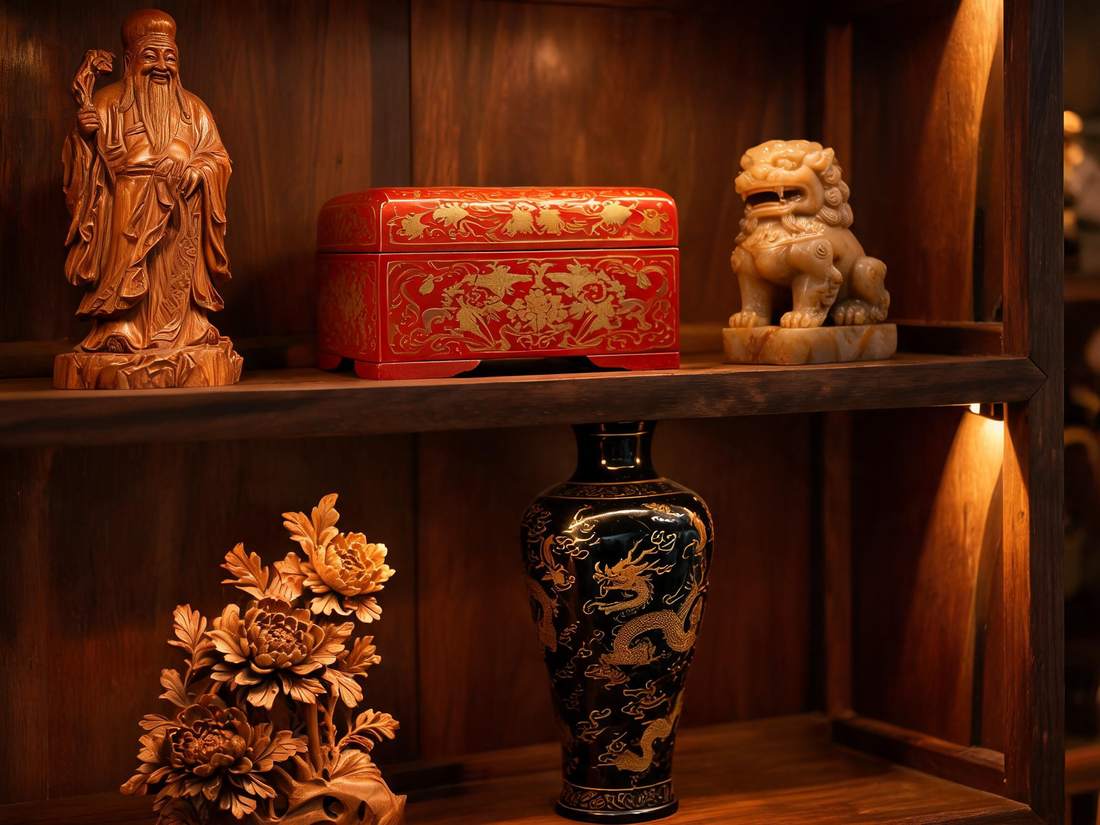
A B2B sourcing guide to carved stone decorative pieces: what origin certificates must state, how structural testing and four-stage QC protect bulk orders, plus sampling, MOQ and delivery terms.
Importers of cultural gifts keep the carved stone decorative piece near the top of reorder lists, yet wholesale outcomes differ sharply between suppliers. Hairline cracks, unverified stone origins and uneven carving depth usually appear only after a bulk order ships. Gumo Craftworks Co., Ltd. has operated a dedicated stone carving studio with structural testing facilities since 2011, and the verification steps below show wholesale buyers where quality is actually decided.
What a Material Origin Certificate Must State
Every carved stone decorative piece shipped by Gumo Craftworks leaves the factory with a material origin certificate plus quality grading records. A certificate worth accepting names the stone family — soapstone, jade stone or river stone — and links each carton to quarry-level sourcing rather than a generic natural stone claim. Buyers reselling in the EU or Japan increasingly request the document at sampling stage, because customs and retail audits reference declared material origin.
Three questions separate strong paperwork from weak paperwork: which entity issues the certificate, whether grading records identify individual pieces, and how reprints are handled for repeat orders. A supplier unwilling to attach origin documents to a 30-piece trial order rarely improves the practice at container volumes. Gumo Craftworks provides origin certificates with every shipment, including the 100-piece order delivered to a Korean cultural institution.
Structural Testing Before Carving Starts
Structure checks happen before a chisel touches the stone. Each carved stone decorative piece blank is inspected for internal fissures and density variations, because a block surviving polishing can still split during deep relief carving. Gumo Craftworks documents the blank-level check as stage one of a four-stage QC plan; carving inspection, base examination and a final AQL-based shipment check follow.
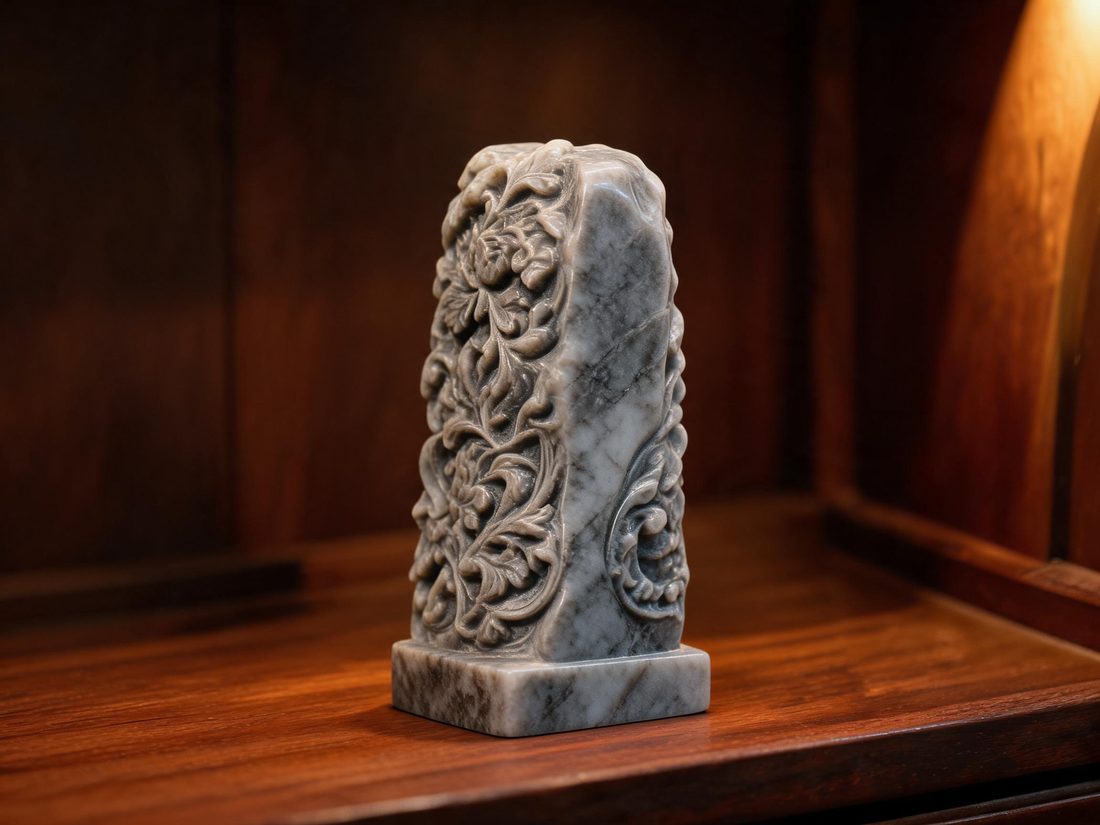
Hand carving controls depth rather than rushing the silhouette. Deep floral relief on a grey soapstone body, such as the piece shown above, demands graduated cutting so thin petal edges keep structural support. Buyers reviewing samples should compare relief depth across the whole carving field and check transitions between carved and polished zones — the two areas where rushed hand work shows first.
Base Flatness and Four-Stage Quality Control
A flat polished base decides how a carved stone decorative piece sits on retail shelving. Wobble recorded during the base check triggers rejection under the Gumo Craftworks QC plan, alongside carving defects and packaging damage found at the AQL stage. Wholesale buyers can replicate a simplified version on arrival: place pieces on glass, press each rim gently, and log movement rates per carton as evidence for any damage claim.
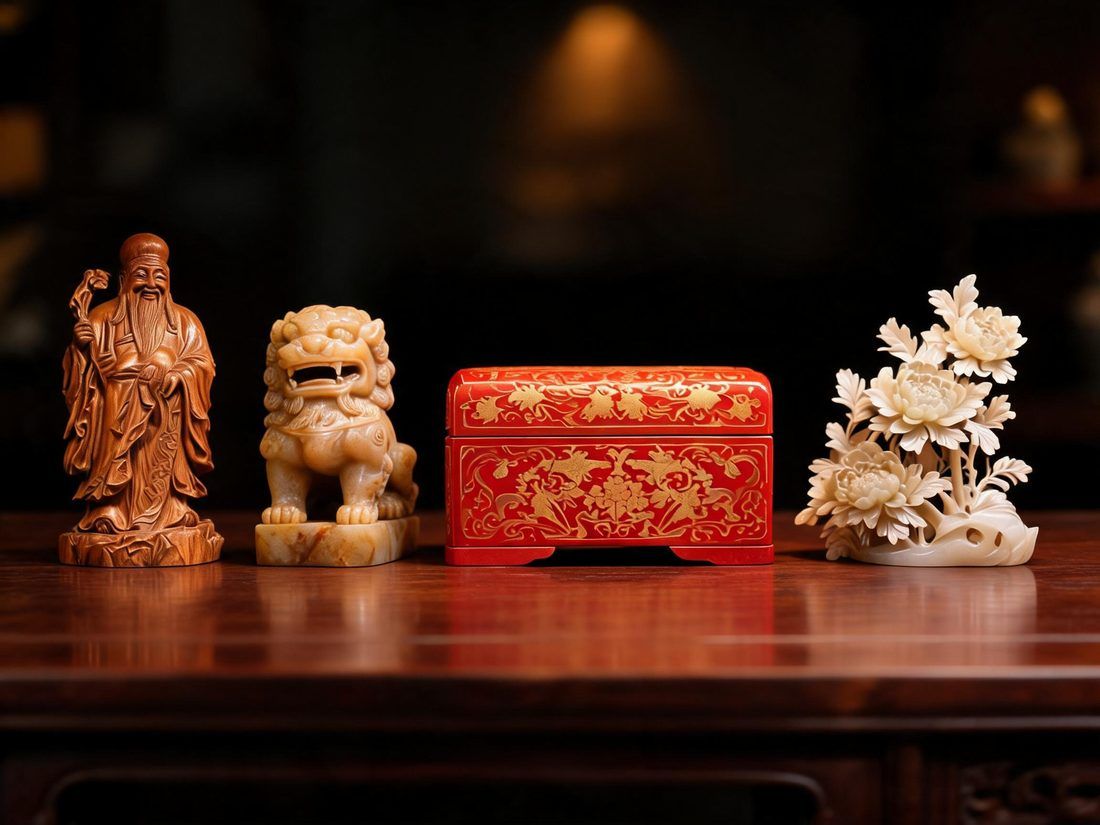
The ornament range extends beyond stone. Retail programs frequently combine a carved stone decorative piece with a themed craft ornament collection, a hand-carved wooden ornament for holiday shelves, or a lacquer craft ornament for gift-boxed assortments. Browsing the full craft ornaments category helps buyers plan a coherent shelf instead of isolated SKUs.
Sampling Timelines, MOQ and Delivery Terms
Custom designs move through an 18 to 25 day sampling window; mass production takes 40 to 55 days after sample confirmation. Minimum order quantity stands at 30 pieces per design, keeping first orders manageable for boutique retailers. Quotations cover FOB, CIF and DDP terms, so buyers can match incoterms to their own customs setup.
The Korean cultural institution order illustrates the full cycle: 100 carved stone decorative pieces supplied with origin certificates, 18 days from design brief to approved sample, 48 days of production, and structural test reports packed alongside the shipment. A repeat order followed — practical proof buyers weigh most heavily.
How to Start a Carved Stone Program
Send Gumo Craftworks the intended stone family, target size range — standard output spans 10 to 30 cm — artwork files and destination market. Full specifications, certificate samples and quotation terms live on the carved stone decorative piece product page, and the sourcing team responds with a sampling proposal matched to the stated market.