
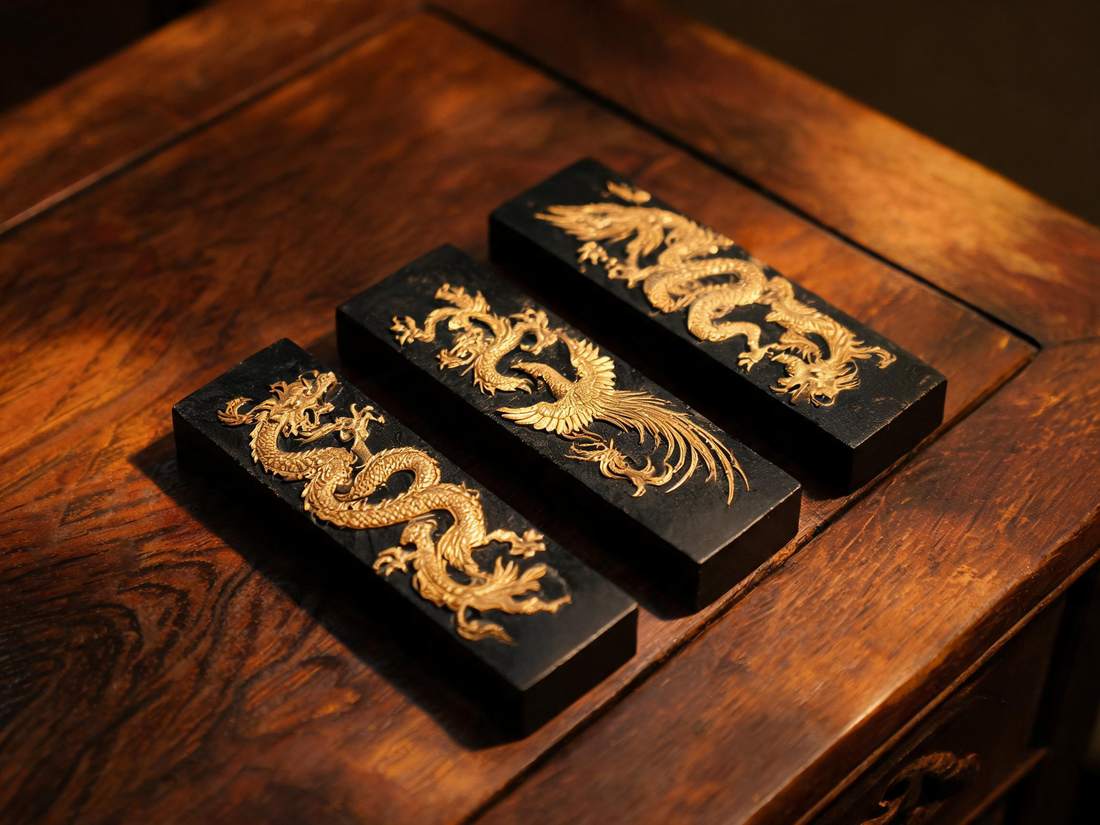
A buyer's guide to sourcing calligraphy paperweights for wholesale programs: material options, weight specifications, packing checks and bulk inspection, with links to desk set and ornament lines.
A calligraphy paperweight keeps paper flat during grinding, writing and mounting work, and overseas buyers now source paperweights alongside ink sticks, inkstones, brushes and boxed desk sets. Gu Mo Craftworks produces the surrounding scholar-desk categories in-house, so paperweight specifications are confirmed alongside the components a set already carries. The sections below cover material, weight, packing and bulk inspection — the points where orders most often go wrong.
Why Weight and Material Decide the Order
Weight is the first specification to fix. A calligraphy paperweight must press Xuan paper flat without creasing lightweight sheets, yet stay light enough for gift boxes and freight-cost control. Desk-size paperweights for A4 and half-sheet practice paper commonly sit between 200 and 600 grams; heavier statement pieces suit gift and décor programs. Ask each supplier to state net weight per piece and carton-level tolerance in writing; undocumented weight drift later shows up as freight surprises.
Material Options and Finish Requirements
Material choice follows retail positioning. Dense hardwoods such as rosewood, sandalwood and walnut give warm tones and manageable weight, and the Hand-Carved Wooden Ornament program already carves hardwood pieces from 8 cm to 25 cm — a size band a calligraphy paperweight can share. Stone and metal formats trade weight for a premium feel and need thicker foam pockets. Request a documented finish: oil-sealed wood resists handling marks, while polished stone needs edge protection against chipping.
Specifications to Put on the Order Sheet
Put numbers on the order sheet instead of adjectives. Useful calligraphy paperweight specifications include length and width in millimetres, net weight in grams with a stated tolerance, flatness of the contact face, and edge radius. For boxed programs, add maximum height so the paperweight fits the insert cavity. Flatness matters most: an uneven base lets paper lift at the corners during strokes — the defect retail customers notice first.
Packing and Transit Checks
Packing decides whether a calligraphy paperweight arrives sellable. Stone and metal pieces need individual foam pockets with recessed cavities; hardwood pieces still require dividers so carved edges do not rub in transit. Ask how cartons are drop-tested and whether inner boxes carry per-piece weight listings for customs valuation. For mixed containers combining paperweights with inkstones or bottled ink, request a heaviest-item-first stacking rule in the packing plan.
Bulk Inspection and Documentation
Bulk inspection for a calligraphy paperweight order should follow the discipline buyers already apply to desk sets: surface inspection for finish defects, structural checks on carved or joined sections, and AQL sampling on packed cartons. Request quality grading reports with the shipment, and fix weight and dimension tolerances in writing before production starts. Contract-level documentation is what lets a distributor defend grade claims in retail listings after the season ends.
Pairing Paperweights with Desk Programs
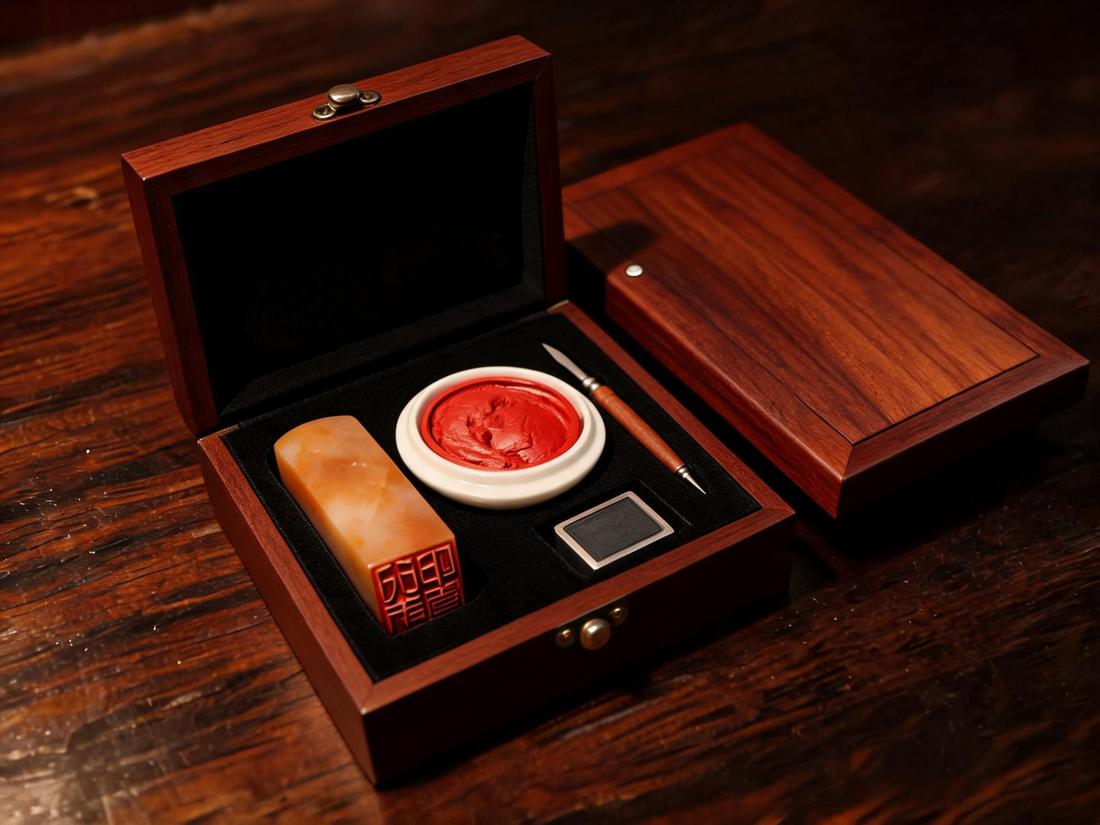
Paperweights sell best inside a desk program. The Complete Scholar Desk Set (MOQ 30 sets, 35–50 days after sample approval) and the Premium Scholar Desk Gift Set (MOQ 20 sets, 40–55 days, certificate with edition number) both ship in presentation boxes where a calligraphy paperweight can be added as a component; compare configurations in the scholar desk sets category. For standalone décor lines, craft ornaments in carved hardwood and lacquer pair naturally with desk accessories.
Before You Order
Before ordering, send quantity, material preference, target weight band, box dimensions and destination port; Gu Mo Craftworks quotes FOB, CIF or DDP and confirms specifications on a sample before production. A calligraphy paperweight locked at the sampling stage — weight, finish and packing written into the approved sample — costs far less to get right than a paperweight reworked after a container arrives.