
Sourcing Eastern-style ornaments for retail or hospitality projects? This guide breaks down lacquer vs. carved wood, assortment planning, and what to verify before placing a bulk order.
Decor retailers and hospitality buyers searching for oriental home decor are not looking for one-off curiosities. They need repeatable ornament lines that fit living-room shelves, entryway consoles, and guest-room styling — and they need suppliers who can deliver those lines consistently. This guide covers how lacquer and carved wood ornaments are positioned in the home-decor channel, how to build an assortment that works on retail floors, and what to verify before committing to a bulk order.
Key Takeaways
- Lacquer and carved wood serve different price tiers and use scenes — retailers benefit from stocking both.
- Assortment planning should start with where the piece will sit: shelf, entryway, or hospitality space.
- Custom branding and themed collections help retailers differentiate from mass-market home decor.
- Supplier verification should focus on finish consistency, customization workflow, and documentation rather than catalog claims alone.
Why Oriental Decor Remains a Durable Retail Category
Eastern-style ornament lines have stayed relevant in Western and Middle Eastern retail for a practical reason: they fill a visual gap. A lacquered box, a hand-carved wooden panel, or a small sculptural ornament adds warmth and depth to interiors dominated by flat-pack furniture and neutral palettes. Unlike trend-driven decor categories that turn over every season, oriental home decor occupies a stable niche — it appeals to buyers furnishing living rooms, entryways, and hospitality spaces where a sense of craftsmanship matters.
For retailers and project buyers, that stability has commercial value. Ornament lines can be merchandised year-round, refreshed with seasonal themed collections, and positioned in both gift and home-decor sections. The category also scales across price points: a small carved piece can sit at an accessible retail price, while a multi-layer lacquer ornament with custom branding supports premium placement.
Lacquer vs. Carved Wood: Positioning the Two Core Materials
The two most common ornament formats in this channel are lacquer and carved wood. They are not interchangeable — they serve different visual roles and price tiers.
Lacquer Craft Ornaments
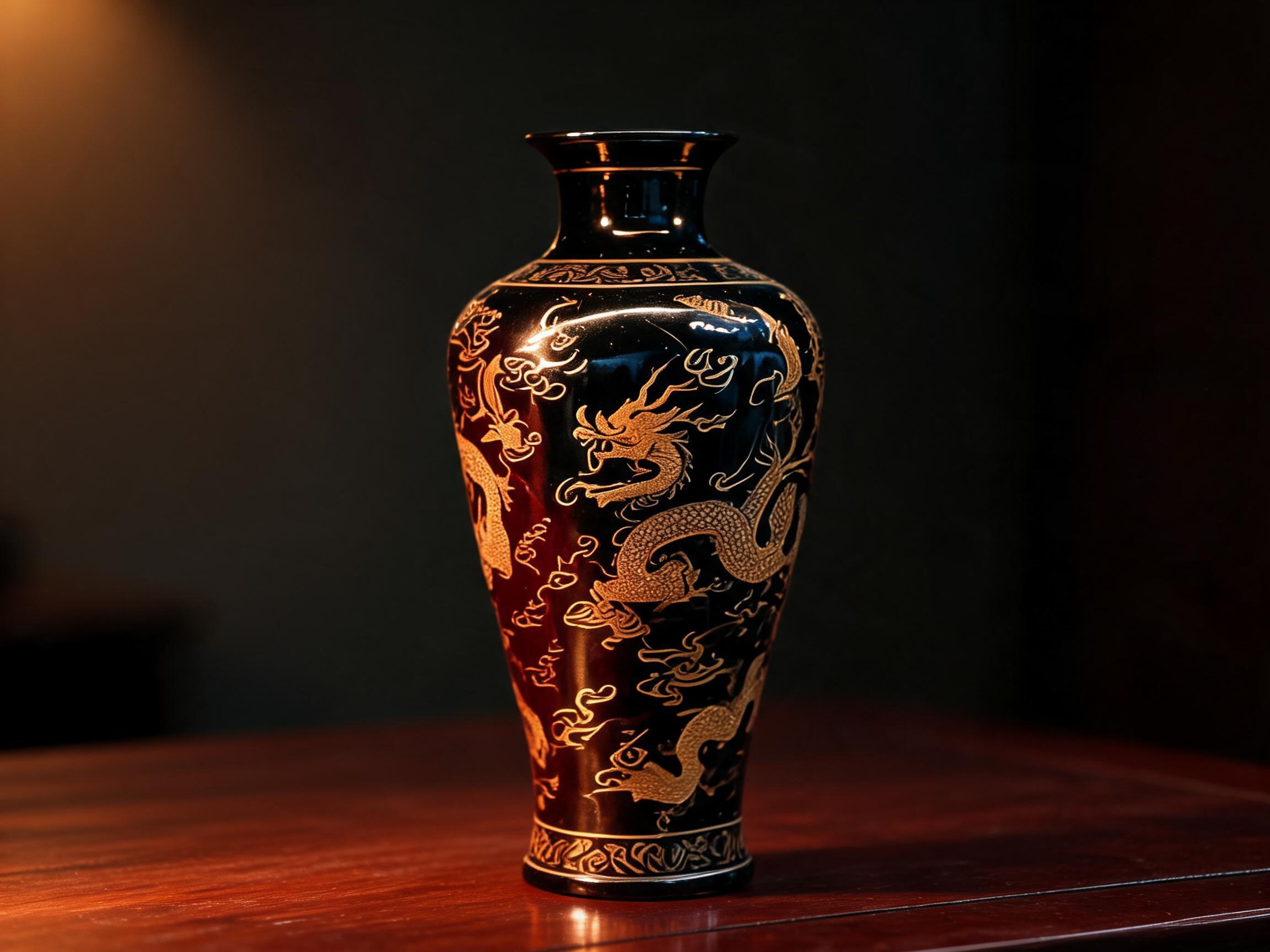
Lacquer pieces are built through a multi-layer coating process. Each layer adds depth to the finish, and the result reads as polished and premium — the kind of surface that catches light on a shelf. In retail terms, lacquer ornaments work well in premium cultural gift collections and corporate gifting programs, where presentation and perceived value matter as much as the object itself. Custom branding is available on this format, which makes it suitable for retailers who want to offer exclusive editions or co-branded capsule collections.
For a closer look at the format and its customization options, see the Lacquer Craft Ornament product page.
Hand-Carved Wooden Ornaments
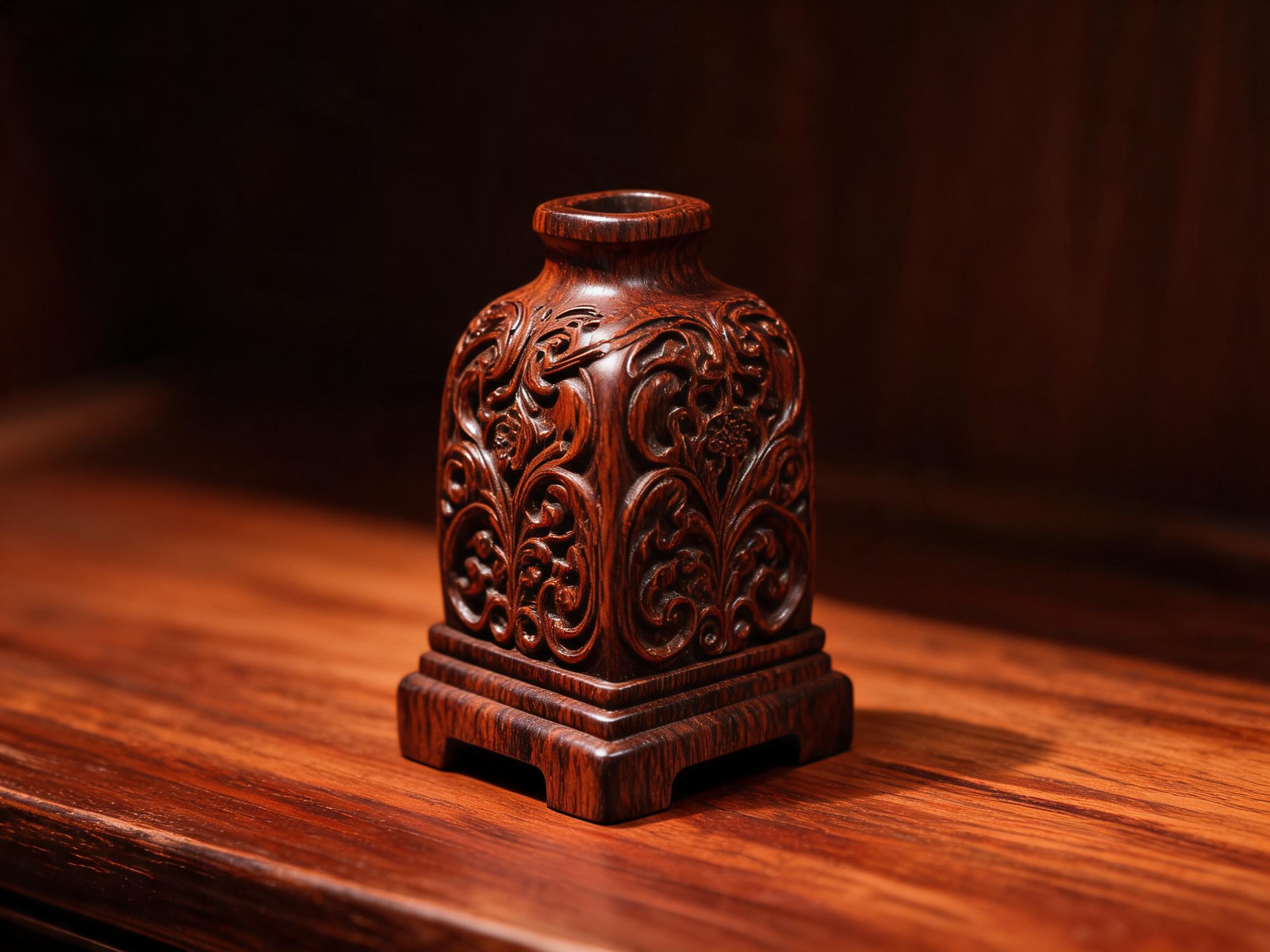
Carved wood moves in a different direction. Selected hardwood and a natural oil finish give these pieces a tactile, matte quality that suits home decor distributors and gift retailers serving customers who prefer natural materials. Where lacquer is glossy and formal, carved wood is warm and approachable — it sits comfortably in Nordic-influenced interiors, Japandi styling, and hospitality spaces that avoid high-shine surfaces.
Details on the hardwood selection and finish are on the Hand-Carved Wooden Ornament page.
| Attribute | Lacquer Craft Ornament | Hand-Carved Wooden Ornament |
|---|---|---|
| Finish character | Multi-layer coating, glossy depth | Natural oil finish, matte warmth |
| Typical retail positioning | Premium cultural gift, corporate gifting | Home decor, gift retail, natural-material collections |
| Custom branding | Available | Project-dependent — confirm with supplier |
| Best use scene | Display shelf, formal entryway, gift set | Console table, hospitality room, casual shelf styling |
Building an Assortment by Price Tier and Use Scene
A retail ornament assortment works best when it mirrors how customers actually shop. That means organizing by where the piece will live, not just by material.
Shelf and Display Pieces
Small-to-mid-size ornaments are the volume drivers. They merchandise well in clusters, photograph easily for e-commerce, and fit standard retail shelving. A mix of lacquer and carved wood in this size range lets a retailer offer visual variety without expanding the footprint.
Entryway and Console Accents
Entryway styling calls for pieces with more presence — objects that anchor a console table or catch the eye as customers walk in. Lacquer formats tend to dominate here because their finish reads as intentional and decorative. Carved wood works when the interior palette is natural or muted.
Hospitality and Project Supply
Hotels, restaurants, and serviced apartments often need repeated units across many rooms. The priority shifts from visual novelty to consistency: the same finish, the same carving detail, the same presentation across a batch. Suppliers who can document their finishing and carving process are easier to work with on project-scale orders. Themed collections are particularly useful here — they allow a hospitality buyer to specify a coordinated set rather than assembling individual pieces.
Custom Branding and Themed Collections for Retailers
Retailers who only resell generic ornaments compete on price. Retailers who develop custom branding or themed collections compete on identity. Both customization paths are available in this category:
- Custom branding on lacquer formats allows a retailer to offer exclusive editions, co-branded gift sets, or corporate gifting packages.
- Themed collections combine custom designs with coordinated materials, which is useful for cultural exhibitions, seasonal events, and hospitality installations that need a unified visual story.
The Themed Craft Ornament Collection format is built around this approach — custom designs and coordinated materials for cultural exhibitions and seasonal events. For a retailer, the value is a collection that cannot be found in every competitor's catalog.
Supplier Verification Checklist
Before committing to a bulk order, verify these points with the supplier. They matter more than catalog photos.
- Finish consistency: Ask how multi-layer lacquer or natural oil finishes are controlled across a production batch. Request samples from more than one production run if possible.
- Carving detail: For carved wood, confirm that the carving pattern shown in samples matches what will be produced at volume.
- Customization workflow: Clarify whether custom branding and themed designs require a sample approval step, and what that step involves.
- Material sourcing: Ask what hardwood species are used and whether material substitution occurs between orders.
- Packaging: Ornaments are fragile. Confirm how pieces are packed for export and whether retail-ready packaging is available.
- Documentation: Ask what product documentation the supplier can provide. Where documentation is not available, treat it as an open item to confirm before ordering.
FAQ
What is the difference between lacquer and carved wood ornaments for retail?
Lacquer ornaments have a multi-layer, glossy finish and are typically positioned as premium cultural gifts or corporate gifting pieces. Carved wood ornaments use selected hardwood with a natural oil finish and suit home decor and gift retail where a natural look is preferred.
Can I order custom designs for my retail store?
Custom branding is available on lacquer craft ornaments, and themed collections support custom designs with coordinated materials. The exact scope depends on the design and order — confirm details with the supplier before committing.
Are these ornaments suitable for hospitality projects?
Yes. Both lacquer and carved wood formats can be used in hospitality settings. For project-scale orders, focus on finish consistency and batch-to-batch repeatability, and discuss sample approval with the supplier.
How should I compare suppliers for oriental home decor?
Request samples from multiple production runs, ask about finishing and carving controls, clarify the custom design workflow, and confirm packaging suitable for export. Treat any certification or test claim as something to verify against original documents for the specific product and batch.
Sourcing oriental home decor ornaments for your store or project? Share your target price tier, preferred materials, and customization requirements to get product details and sampling options.