
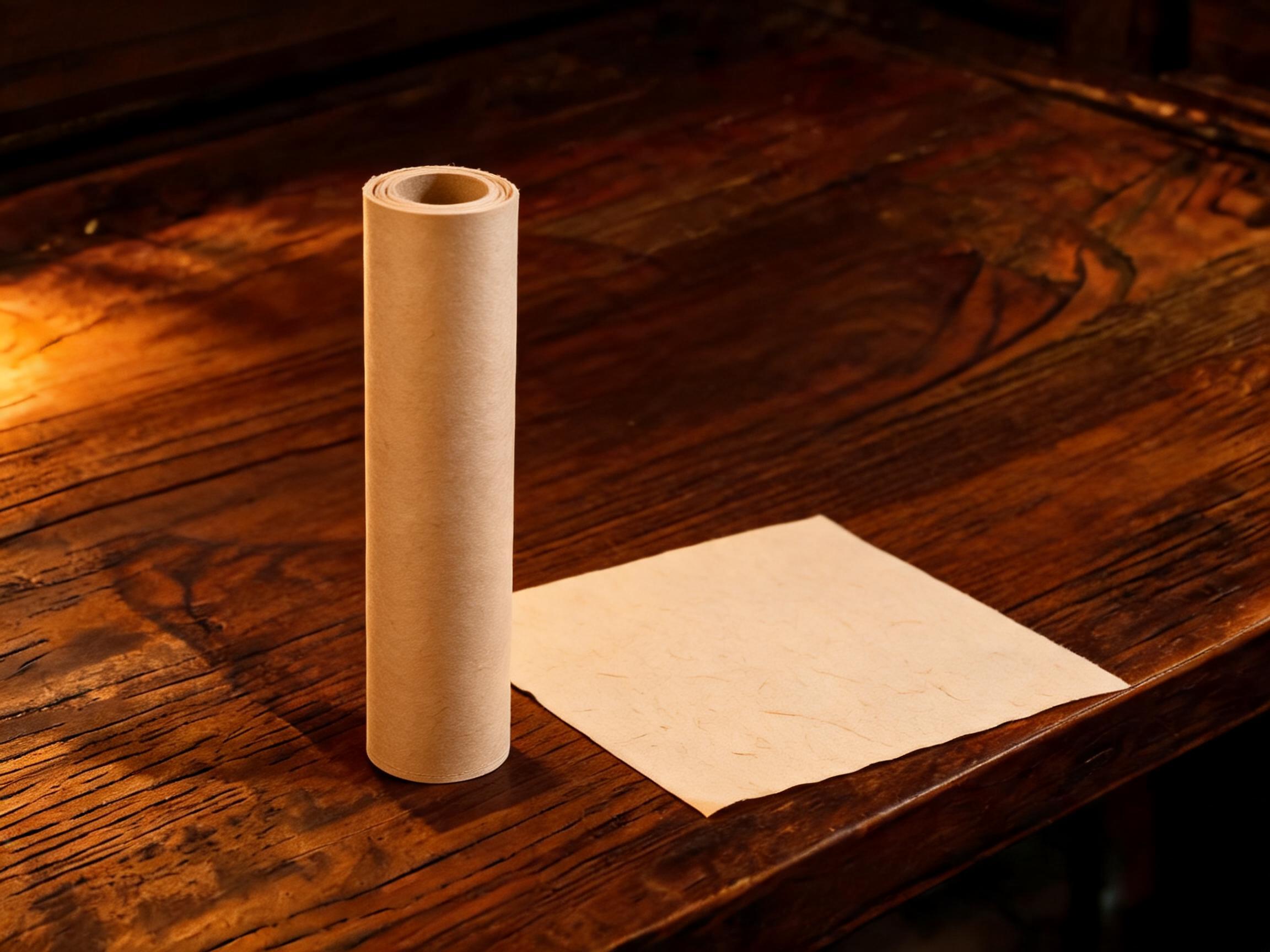
A procurement comparison of three scroll-format paper options for bulk buyers: continuous rolls for scroll painting and large-format work, bound albums for collections and institutional programs, and banded practice sheets for education channels. Includes the format checks to run with a supplier before ordering.
Japanese Paper Scroll Sourcing: Roll, Album and Sheet Formats Compared

Buyers searching for a Japanese paper scroll are usually looking for the substrate, not the mounted hanging. That means East Asian painting and calligraphy paper supplied in one of three formats: a continuous roll, a thread-bound album, or banded practice sheets. The three differ in what the mill has to control, how the paper is handled in transit, and where it is consumed.
One naming point before the comparison. The paper range described here is Xuan paper, the Chinese rice paper widely used for scroll painting and calligraphy. It is not Japanese-made paper, and a supplier who conflates the two is giving you a reason to ask more questions. Traders route this material into scroll work across Asia, into temple and religious use, and into gifting and collecting channels — the format question below applies regardless of where the finished scroll is assembled.
- When a continuous roll is the right purchase
- When a bound album carries the program
- When banded practice sheets fit the channel
- Format checkpoints to settle with the supplier
Start with the format your buyer actually handles
The decision is not about paper quality in the abstract. It is about the next step in the chain. A studio that mounts its own scrolls needs uninterrupted length and a clean cut edge. An institution building a reference collection needs a bound object that can be catalogued and shelved. A calligraphy school needs volume at a price point that survives being written on and thrown away. Each of these is a different specification, and an order that mixes them usually ends up with one party compromising.
A practical way to frame it: ask what happens to the paper within a week of arrival. If it is cut, stretched and mounted, buy the roll. If it is stored, handled and shown, buy the album. If it is consumed in class, buy the sheets.
Roll format: continuous length for scroll painting and large-format work
A roll is the only format that lets the buyer decide the final dimension. The Xuan Paper Roll (SKU GMO-XP-004) is a professional Xuan paper roll specified for large-scale calligraphy and scroll painting, with controlled width consistency and clean edge cutting. Those two attributes are the whole point of buying a roll rather than sheets: width consistency lets you align a long piece without the paper wandering, and a clean edge means less trimming before mounting.
Width consistency matters more than buyers expect at the quotation stage. A roll that varies across its width forces the studio to trim deeper into the piece, which changes the usable area on every panel and complicates a repeat order. When you specify, state the finished mounted width you need and ask the supplier to confirm the roll width that supports it after trimming — do not assume the quoted width is the usable width.
Who should buy it: studios and workshops that mount their own scrolls, ateliers producing oversized hanging or handscroll work, and distributors serving those workshops. A roll also suits buyers ordering for a single large commission where sheet format would require joining.
Who should not: retailers selling finished calligraphy paper to walk-in customers, and programs where the paper is stored flat in folders. The roll adds handling work they will not recover.
Album format: bound presentation for collections and institutional programs
The Bound Xuan Paper Album (SKU GMO-XP-005) uses traditional thread binding with a custom cover design, specified for cultural institutions and calligraphy collections. The format converts loose paper into an object: it can be shelved, labelled, presented and gifted without the recipient having to handle individual sheets.
This is the format for buyers whose product is completeness rather than volume. Museum shops, cultural centres running calligraphy programs, collectors' distributors, and gifting channels serving Chinese communities abroad all sell the bound object as the item. A custom cover is where the buyer's own identity enters the product, so decide the cover treatment before the paper order, not after — the binding and cover are produced together.
The trade-off is flexibility. An album fixes the page count and page size at binding, so it cannot be cut down for a different job the way a roll can. If your channel mixes institutional and retail demand, stock the album for the institutional side and keep a roll for custom work rather than trying to force one format to do both.
Sheet format: banded practice paper for education and bulk channels
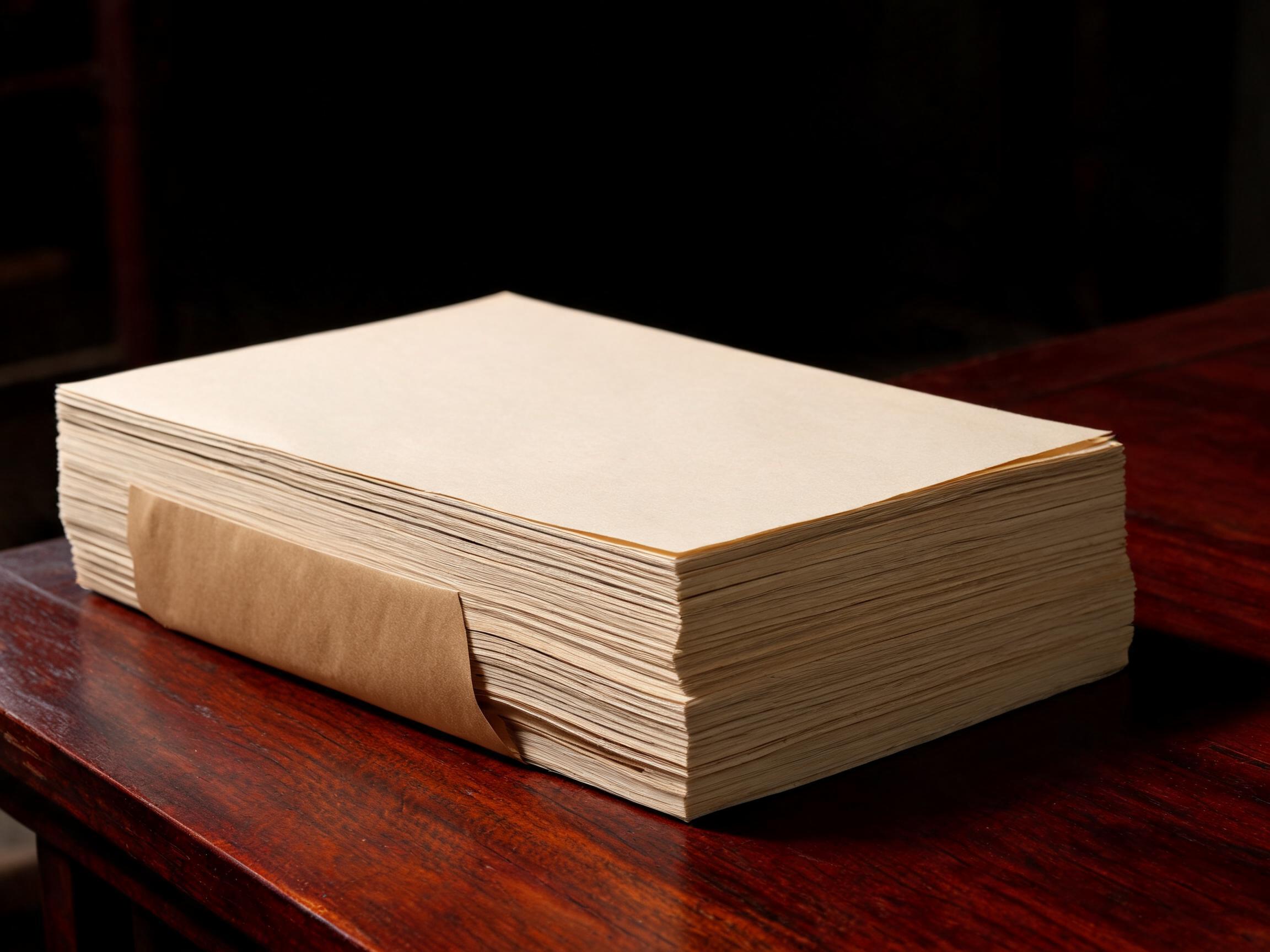
The Student Practice Xuan Paper (SKU GMO-XP-003) is affordable practice paper with consistent ink absorption, specified for calligraphy schools and educational distributors requiring bulk supply. Consistent absorption is the operative phrase: in a classroom, a sheet that behaves differently from the one before it turns a practice session into a variable, and teachers notice.
Banded sheets are the only format that works at classroom granularity. The paper is consumed per student per session, so the buyer's metrics are cost per sheet and behaviour per batch, not the usable width of a roll. Education distributors reselling into schools should confirm batch-to-batch consistency with the supplier, because a school that switches batches mid-term will compare them.
This format is a poor fit for archival or presentation work. If a buyer needs both a practice line and a collection line, they are two purchases, not one.
Format comparison at a glance
| Dimension | Roll | Album | Practice sheets |
|---|---|---|---|
| Final size decided by | Buyer, at cutting and mounting | Fixed at binding | Fixed at supply |
| Best-fit buyer | Studio, atelier, workshop distributor | Institution, museum shop, gifting and collection channel | Calligraphy school, education distributor |
| Key control point | Width consistency, edge cut | Thread binding, cover design | Ink absorption consistency across batches |
| Handling after arrival | Cut, stretch, mount | Shelve, catalogue, present | Distribute and consume |
| Poor fit for | Retail sheet counters | Mixed custom work | Archival or presentation use |
What to verify with the supplier before ordering
None of the three formats is hard to buy; the risk sits in the details that only surface after the container lands. Settle these before the order, and ask for the answer in writing.
- Width consistency (roll). Ask what tolerance applies across the roll width, and how the usable width is calculated after edge trimming. Confirm that the quoted width is not the finished mounted width.
- Edge cutting (roll and sheets). Ask how the edge is cut and whether the cut is expected to be straight enough for direct mounting or needs trimming in-house. For banded sheets, confirm the banding format the school will receive.
- Binding and cover (album). Confirm the binding method and whether the cover design is produced to your artwork. Ask about the proofing step before the binding run, since a bound album cannot be corrected by cutting.
- Ink absorption (all formats, especially sheets). Ask whether behaviour is controlled per batch and how a buyer can check a sample against the next order. Sample sheets shipped ahead of a bulk order are the routine way to settle this.
- Naming and provenance. Get the paper type stated explicitly on the quotation and packing documents. If a listing describes the product as Japanese paper and the record says Xuan paper, resolve the discrepancy before payment.
Ordering sequence that avoids rework
Set the format first, then the finished dimensions, then the handling expectations, then the quantity. Buyers who start from quantity and work backwards usually discover the format mismatch at the trimming or binding stage, when the paper is already committed.
For a first order across mixed channels, take samples of each format you intend to stock and run them through your own process — mount a short piece from the roll, open an album, put a practice sheet through a class session. The comparison between formats is a decision you can make on the material, and the supplier can only confirm specifications against the questions you put to them. State your requirements, ask for written confirmation, and check the confirmation against the sample.
- The three formats serve different next steps, not different grades: roll for cutting and mounting, album for shelving and presentation, sheets for classroom consumption.
- For rolls, confirm usable width after trimming and edge cut quality — quoted width is not finished width.
- For albums, settle cover artwork and binding before the run; a bound album cannot be cut down.
- For practice sheets, batch consistency of ink absorption is the item to verify, not the surface alone.
- The paper range is Xuan paper used for scroll painting; confirm paper type on documents rather than relying on listing labels.