
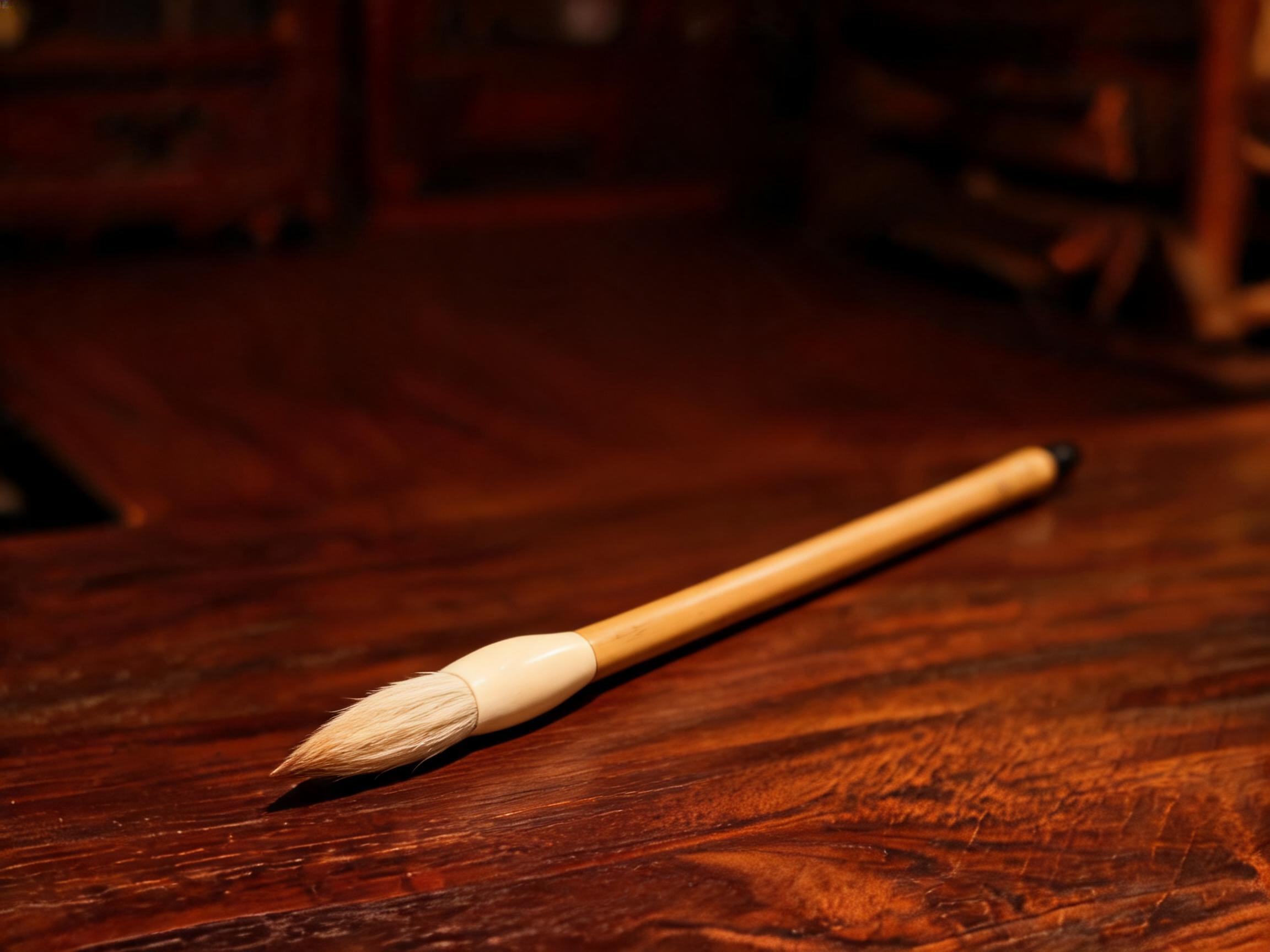
A buyer's guide for importers sourcing shodo brushes from Chinese factories: matching goat, wolf, and mixed-hair tips to script styles and user levels, sizing handles for classrooms versus studios, configuring starter sets for education channels, and running a sample and inspection workflow that holds up on repeat orders.
Sourcing Guide
When you buy shodo brushes from a Chinese factory, the specification that decides whether the order works is not the price per piece. It is the hair type and how that hair behaves on the scripts your customers actually write. A soft goat-hair tip sold to a studio that teaches clerical script, or a stiff wolf-hair tip placed in a beginner classroom, will come back as complaints even if every brush was made cleanly. This guide sets out how to match the three main tip types to scripts and user levels, how to size handles for classrooms versus studios, how to build a starter set for education channels, and how to run the sample and inspection workflow when ordering from a factory.
Goat, Wolf, and Mixed Hair: Matching the Tip to the Script
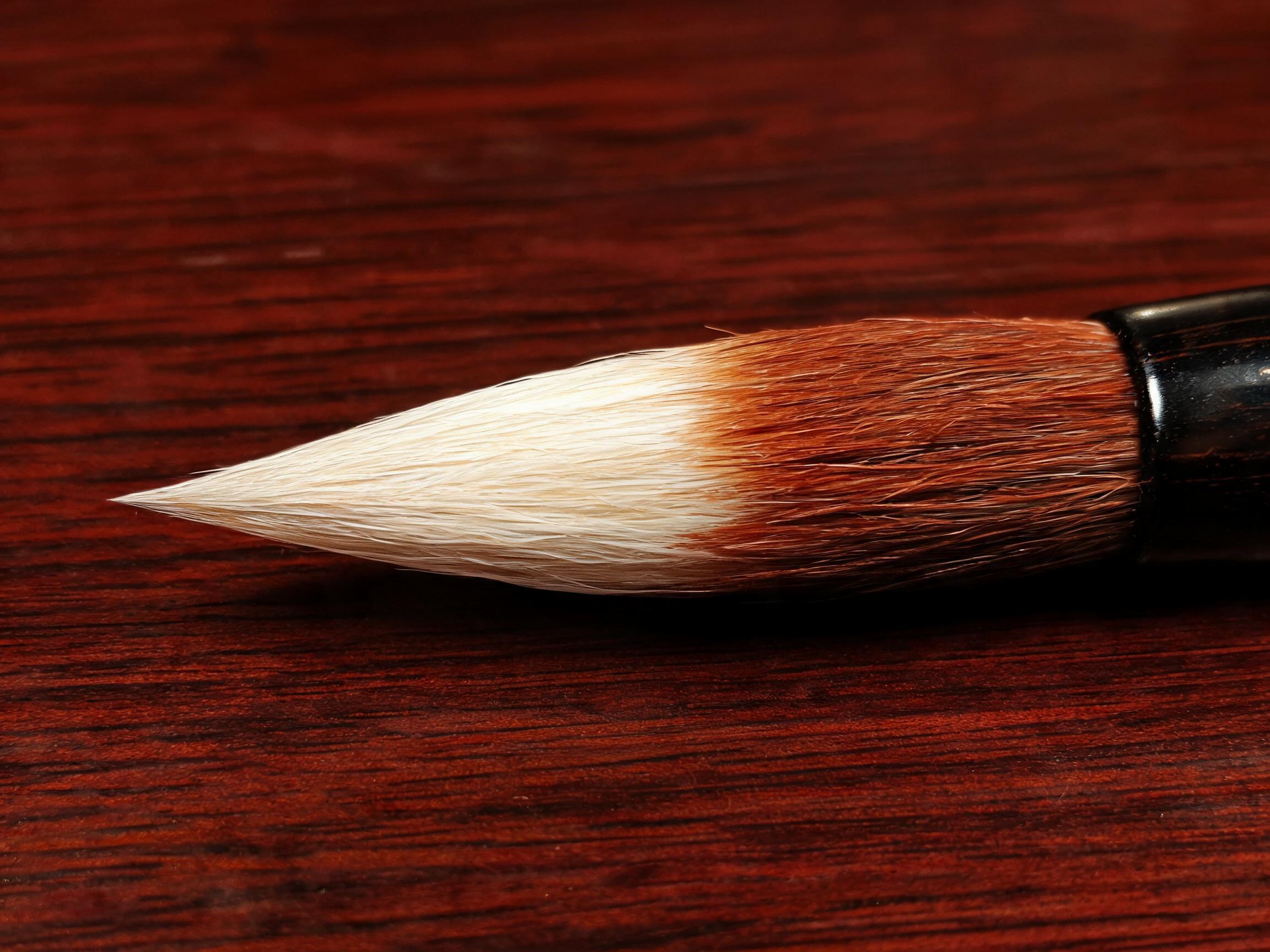
The three hair types sold by Chinese brush factories are not interchangeable grades of the same product. Each is built for a different writing condition, and the difference shows up in how the point holds its shape under the brush.
Goat hair: soft tip for running and cursive script
Goat-hair brushes are built with length-graded hair and tested ink absorption, and they are suited to running and cursive script. The soft tip carries ink generously and releases it across the longer, more connected strokes those scripts depend on. Buyers sourcing for calligraphers who work quickly and fluidly should treat this as the base of the range. The goat hair soft tip brush page lists the length-graded construction and the ink-absorption testing behind it.
Wolf hair: stiff tip for regular and clerical script in studios
Wolf-hair brushes use length-graded hair with hand-formed resilient points and are intended for regular and clerical script in studio settings. The stiffer tip holds a sharp point and resists deflection, which is what a writer needs for controlled, angular strokes and for the disciplined structure of regular script. These are the brushes that studios and advanced practitioners reach for; they are not the natural first brush for a beginner. The wolf hair stiff tip brush carries the full specification.
Mixed hair: a controlled 70/30 blend
Mixed-hair brushes combine the two. The combination brush line is built around a precisely controlled 70/30 goat-to-wolf blend, so the tip gains some resilience without losing the soft brush's ink capacity. That makes it a genuine multi-script tool: a customer who writes running script one week and regular script the next can work with one brush. For distributors who must stock a broad but shallow range, the mixed hair combination brush is the most flexible single line to carry.
| Brush type | Hair construction | Best for | Typical buyer |
|---|---|---|---|
| Goat hair | Length-graded hair, tested ink absorption | Running and cursive script | Calligraphers, fluid-script users |
| Wolf hair | Length-graded hair, hand-formed resilient points | Regular and clerical script in studios | Studios, advanced practitioners |
| Mixed hair | 70/30 goat-to-wolf blend | Multiple script styles | Distribution, multi-script users |
Hair construction as described in the supplier's product listings. Confirm handle dimensions and hair length directly with the factory before ordering.
User Level: Where Each Brush Type Belongs
Script type tells you what a brush can do; user level tells you where it will actually be used. These are two separate filters, and a range that satisfies only one of them will leave gaps.
- Beginners and students: need a forgiving tip before anything else, at a price point that suits bulk purchase. Match the tip to the hand first: soft or synthetic-blend hair forgives unsteady pressure, while a stiff wolf-hair tip punishes it — which is why the student set in this range is built on synthetic-blend hair with sealed bamboo handles rather than stiff wolf hair. Affordability then decides which beginner-suitable option to stock, because the brush is a consumable in a classroom.
- Intermediate calligraphers: are moving between scripts. The mixed-hair 70/30 blend serves this group well because one brush covers several styles without a second purchase.
- Advanced practitioners and studios: buy brushes as tools of the trade and will pay for a specific tip. Wolf hair for regular and clerical work, goat hair for running and cursive.
If your channel is mixed, stock the mixed-hair line as the middle of the range and let goat and wolf sit on either side as specialist options. That structure gives the buyer a clear upgrade path and gives you a range that holds together in a catalog.
Handle Sizing for Classrooms Versus Studios
Handle length is the specification buyers most often leave to the factory. That is a mistake, because the two channels want different things.
Classroom buyers — schools, shodo classrooms, after-school programs — need handles sized for students, with a weight and balance that a younger writer can control. Bulk classroom orders also need consistent handle dimensions from piece to piece, because a set of thirty brushes with visible variation in length looks like a quality problem to the teacher even if every tip is fine. The student set listed by the supplier is built with sealed bamboo handles, which is the sensible specification for repeated classroom use where moisture and handling are constant.
Studio buyers want longer, heavier handles that match the balance of the professional brushes they already own. If you are supplying studios, source the goat and wolf lines to a handle specification that matches the studio standard, not the school standard. Ask the factory for the actual handle dimensions and confirm them against your studio customers' existing brushes before you place a bulk order — that comparison is the check that prevents a rejected shipment.
Configuring Starter Sets for Education Channels
Education channels — schools, shodo classrooms, and gift or stationery distributors selling to learners — are the easiest segment to configure because the product is standardized. The student practice brush set is a 3-brush set with synthetic-blend hair and sealed bamboo handles, built for schools. It is the affordable option in the range, and it fills the role a classroom needs: a complete, consistent set at a price that survives bulk purchasing.
A few practical points for the set order:
- Count per pack: the set is 3 brushes; confirm with the factory how they are bagged or boxed for retail versus classroom distribution, since the two channels need different packaging.
- Sealed handles: the sealed bamboo construction is the specification that matters for classrooms, where handles are exposed to water and constant handling. Verify the seal is intact across the sample batch.
- Positioning: in a catalog, the set sits below the goat, wolf, and mixed-hair lines as an entry product. Do not market it as a substitute for those lines; use it as the classroom and beginner tier.
Ordering and Sample-Inspection Workflow
The brush order is only as good as the sample you approve. A factory that ships a good sample and then a different batch is the risk you are managing. The workflow below is the practical sequence for a first order and for repeat orders.
1. Write the specification before requesting samples
State the brush type, the script it is intended for, the handle specification (length, material, finish), the packaging format, and any labeling your channel requires. A brief that names the hair type and intended use lets the factory match the sample to the order rather than sending a generic brush.
2. Request samples of each line you intend to stock
Sample the goat, wolf, mixed-hair, and student-set lines separately. Do not accept a single all-purpose sample as evidence that the range meets your requirements.
3. Inspect the sample against the brief
Use a written check against the specification — not a feel test. Record what you see for each item, comparing the tip construction, handle dimensions, and packaging to the brief. Keep the approved sample; it becomes the reference for the order.
4. Define the acceptance check for the bulk order
Agree with the factory, before production, what will be checked on the bulk shipment and how. Tip resilience and handle consistency are the practical points to check on arrival; the approved sample is the comparison standard. If the factory offers an inspection report, read it against the brief rather than accepting the report as a guarantee.
5. Place the order and confirm the reference
Send the order with the approved sample as the reference and confirm the packaging format. On receipt, check a sample of units against both the brief and the approved sample before releasing the shipment to your channel.
The brush your customers receive must match the sample you approved. Handle dimensions, hair type, and packaging consistency are the three things to verify on every shipment; the tip quality is settled by the approved sample.
Putting the Range Together
A complete shodo brush range for an overseas importer has a simple shape: goat hair for running and cursive script, wolf hair for regular and clerical work in studios, a 70/30 mixed-hair line for multiple scripts, and a 3-brush student set for education and beginner channels. The handle specification, not the hair type, is what separates the classroom order from the studio order — so write it into the brief and confirm it on the sample. That is the whole discipline of sourcing shodo brushes, and it is what keeps a repeat order identical to the first.