
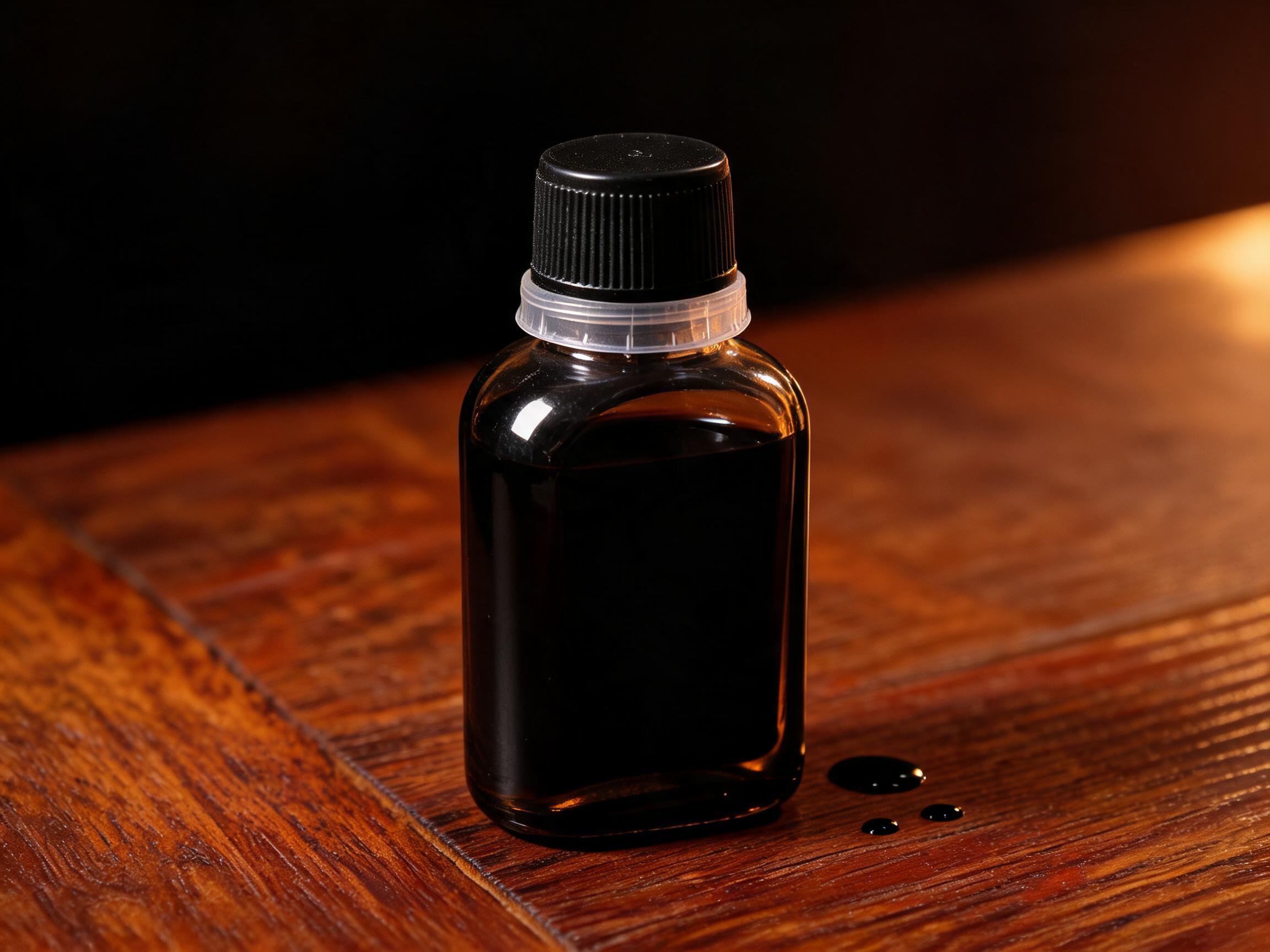
A buyer's guide to bottled Chinese calligraphy ink for stationery shops, gift-set assemblers and institutional purchasers: how ready-to-use liquid ink compares with ink sticks for different uses, the five capacity tiers and their MOQs and shelf lives, and what to confirm before placing a bulk order.
Wholesale Buying Guide
Bottled Chinese calligraphy ink is ready to use straight from the bottle, which makes it the practical choice for classrooms, temple writing rooms and institutional programs where output volume is high. This guide maps the capacity tiers available, gives the MOQ and shelf life where these are confirmed, flags what still needs supplier confirmation, and sets out the checks to run before you confirm a bulk order. A short comparison with traditional ink sticks helps you decide where each format belongs in your range.
On this page
Bottled ink vs. ink sticks: which format for which buyer
The two formats are not substitutes for each other; they serve different buyers and different moments.
Bottled liquid ink is open-and-use. There is no grinding on a stone, no preparation time and no stone to clean. For a calligraphy class of thirty students, a temple writing room or an institutional workshop, that difference decides the purchase: preparation time disappears and the volume of usable ink per session is predictable from the bottle size.
Ink sticks require a stone and grinding. The buyer is choosing the ritual and the craft, and in many cases the object itself as a gift or collectible. A reference on the stick formats typically sold alongside bottled ink:
- Pine-soot (松烟) student sticks: 20–50 g — lower-priced, aimed at learners practising grinding technique.
- Oil-soot (油烟) classic sticks: 30–150 g — the general-purpose traditional writing stick.
- Gilt-decorated collector sticks: 50–200 g — presentation and collection pieces.
For a stationery shop, the sensible range usually carries both: bottled ink for the working customer, sticks for the gift and ritual customer. Gift-set assemblers are the group most likely to combine them in one package, pairing a bottle of liquid ink with a stick so the box suits both practice and presentation.
The bottle capacity ladder, tier by tier
Capacities scale with the user, from a student's first bottle to a refillable institutional container. The table below sets out the tiers, SKUs, and the MOQs and shelf lives confirmed so far; entries marked "to confirm" are commercial terms to settle with the supplier.
| Tier | Capacities | SKU | MOQ | Shelf life |
|---|---|---|---|---|
| Student | 60 / 100 ml | GMO-LIQ-004 | 300 bottles | 18 months |
| Advanced bottled | 100 / 250 / 500 ml | GMO-LIQ-001 | 100 bottles, mixed sizes allowed | 24 months |
| Concentrated matte black | 250 / 500 ml | GMO-LIQ-003 | To confirm | To confirm |
| Institutional | 1 L / 5 L | GMO-LIQ-002 | To confirm | To confirm |
| Colour ink set | 30 ml × 8 colours | GMO-LIQ-005 | 50 boxes | To confirm |
Student level: 60 and 100 ml (GMO-LIQ-004)
These are the sizes for school supply lists, small gift boxes and entry-level retail. The MOQ is 300 bottles and the stated shelf life is 18 months — the shortest in the range, which matters if you hold stock across a school year.
Advanced bottled: 100, 250 and 500 ml (GMO-LIQ-001)
This is the flexible tier for stationery shops and gift-set assemblers: MOQ 100 bottles with mixed sizes allowed, so one order can cover a 100 ml retail line and a 500 ml studio bottle without splitting into separate purchase orders. Shelf life is stated at 24 months.
Concentrated matte black: 250 and 500 ml (GMO-LIQ-003)
For buyers who want a matte black finish rather than a gloss. Two specifications are worth noting on this SKU: lightfastness grade 5 and acid-free formulation. If your customers include schools mounting student work for display, or shops selling into archival-minded calligraphers, these are the attributes to quote in your own product copy.
Institutional: 1 L and 5 L (GMO-LIQ-002)
The refill sizes for classrooms, temples and workshops. Two facts matter to institutional purchasers: stated pH 7.0–8.0 and an accompanying SDS. The SDS is the document a school or temple procurement office will ask for, so confirm it is sent with the quotation rather than assuming it arrives at shipping.
Colour ink set: 30 ml × 8 colours (GMO-LIQ-005)
Eight 30 ml bottles per box, MOQ 50 boxes. This is the natural companion item for gift-set assembly and for shops that want a colour line without committing to large single-colour volumes.
Where the standards belong
Product pages for these inks carry ASTM D4236 and ISO 105-B02 markings. Quote them only against the specific SKU whose page carries them, and in the same context — do not extend a marking from one bottle size to another SKU or to a different product family.
Ordering checks before you commit
Most of the friction in a first bottled-ink order comes from mismatches that are easy to settle up front.
- Shelf life against your sell-through. The 18-month student SKU and the 24-month advanced SKU date from production, not from your receipt. If your stock turns slowly, size the order to the slower tier's window.
- Mixed-size orders. Only GMO-LIQ-001 is confirmed as mixable across its three capacities at MOQ 100. If you want a mixed order across tiers — say student bottles plus institutional drums — confirm with the supplier whether that is treated as one MOQ or two.
- SDS with the institutional tier. Confirm before ordering that the SDS accompanies GMO-LIQ-002, and ask for the file in advance so your institutional buyer can review it internally.
- Colour set expectations. The set is eight fixed 30 ml colours at MOQ 50 boxes. If you plan to repackage for gift sets, check bottle dimensions and closure type against the insert you intend to use.
- Which document applies to which SKU. Ask for the ASTM D4236 and ISO 105-B02 markings to be identified per SKU on the quotation, so your own listings inherit the right wording.
- Finish and permanence claims. The matte black SKU's lightfastness grade 5 and acid-free status apply to that SKU. Do not carry those claims onto the gloss black tiers unless the supplier confirms equivalent data.
Packaging and tamper evidence
Two packaging features apply across the bottled range: a tamper-evident seal on the cap and export transport packaging. For gift-set assemblers the seal is the more consequential of the two — a bottle that arrives with an intact seal can go straight into a presentation box without repacking. For institutional buyers the export carton specification is what determines whether a 5 L container survives the last leg of delivery; ask for the carton dimensions and unit count per carton so you can plan storage and inward handling.
FAQ
Can I order one mixed carton covering several capacities?
GMO-LIQ-001 is confirmed at MOQ 100 bottles with mixed sizes permitted within its 100 / 250 / 500 ml range. Mixing across different SKU tiers is a separate question — put it to the supplier with your intended split.
Which tier should a calligraphy school start with?
Most classrooms work from the institutional 1 L and 5 L containers and decant into smaller bottles for students. If the school also issues take-home materials, pair the institutional drums with the student 60 / 100 ml SKU.
Do all bottles carry the same shelf life?
No. The student tier is stated at 18 months and the advanced tier at 24 months. The confirmed figures apply to those SKUs; ask separately for the others if stock rotation is a concern.
Is the concentrated matte black suitable for archival display work?
GMO-LIQ-003 is listed with lightfastness grade 5 and an acid-free formulation. Those are the two attributes relevant to display and mounting; quote them as stated for that SKU.
What ink-stick sizes should sit alongside bottled ink in a gift set?
For a set that covers both practice and presentation, a 30–150 g oil-soot stick is the classic pairing; a 50–200 g gilt-decorated stick suits a premium box.
If you are assembling a range across the tiers, send your intended split by capacity and finish, and ask for the per-SKU documents alongside the quotation. That single request settles most of the points above before the order is placed.