
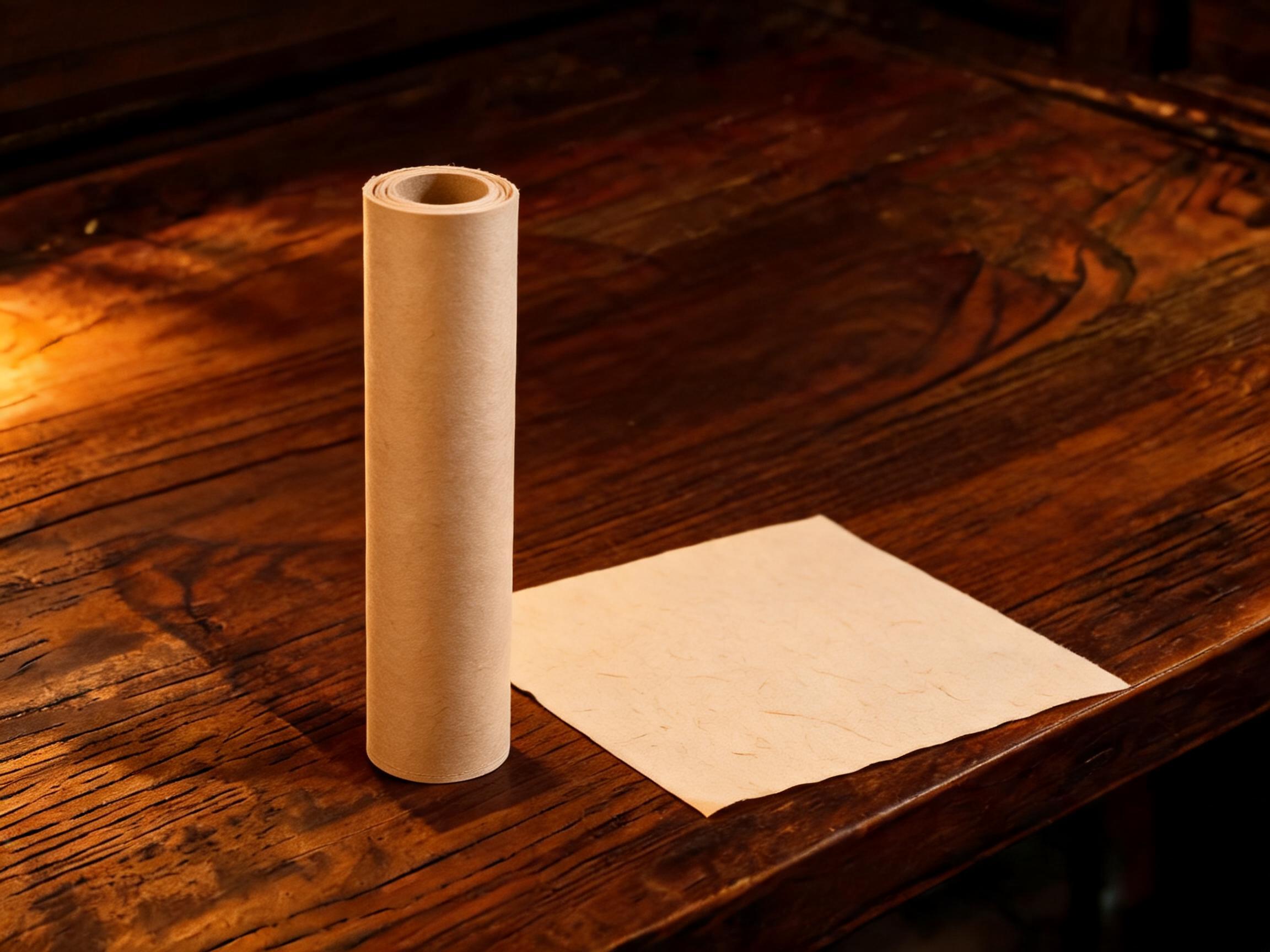
A format-comparison guide for overseas buyers: cut sheets for practice and studio programs, rolls for large-scale calligraphy and scroll painting, bound albums for collection and institutional gifting — with ordering and handling considerations for each.
Format Comparison Guide
The three physical formats of Xuan paper — cut sheets, rolls and bound albums — are not interchangeable. Each one determines how the paper is handled in a studio or classroom, how it is presented to an end customer, and how it ships. Buyers who pick a format that does not match the channel end up repacking, trimming or discounting stock. This guide compares the three formats against the way importers, stationery and gift retailers, and cultural institutions actually use them.
What this guide covers
- Cut sheets: practice, studio programs and retail packs
- Rolls: large-scale calligraphy and scroll painting
- Bound albums: collection and institutional gifting
- Ordering and handling considerations per format
- Matching format to channel
Why format is a buying decision, not an afterthought
Grade selection (raw versus sized) is a separate question from format. A buyer can settle the grade correctly and still misjudge format. Format affects four practical things:
- End use. A sheet is used flat; a roll is cut or unrolled over a work surface; an album is opened as a bound object.
- Presentation. Retailers and institutions care about how the product looks on a shelf or in a gift context, not only how it behaves under ink.
- Shipping and storage. Flat sheets, rolls and bound books occupy different space and need different protection.
- Rework. If the format does not match the channel, staff spend time cutting, flattening or repackaging before the product can be sold or used.
The sections below take each format in turn and note what it suits.
Cut sheets: practice, studio programs and retail packs
Cut sheets are the default format for most channels. They arrive flat and ready to use, which makes them the simplest format to stock, price and hand out. For art-material importers, sheets are the format that fits standard retail packaging and shelf display. For schools and studios running regular practice sessions, sheets let instructors distribute material without cutting anything down.
Raw Xuan paper in sheet form is the version most professional calligraphers and painting studios work with. Raw Xuan Paper Professional uses traditional bark fiber with controlled ink bleed, which keeps the paper predictable across repeated practice. That predictability matters when a studio is buying for a term or a program rather than for a single session.
Ordering considerations for sheets
- Ask how the sheets are packed flat, and whether the pack will stay flat through transit and storage.
- Confirm the sheet count per pack if you are building a retail unit.
- Decide whether you want a single sheet format across your range or different sizes for different price tiers.
- Plan shelf or bin space before ordering, since flat packs are wider than rolls.
Handling and retail notes
Sheets are the easiest format to repack but the most exposed to edge damage. A retail pack that arrives with bent corners is difficult to sell at full price. If your channel sells single sheets or small packs, check that the outer packaging protects the edges. For program buyers, the practical question is whether one pack size covers a full class session or whether staff will need to open several packs at once.
Rolls: large-scale calligraphy and scroll painting
Rolls exist because some work cannot be done on a cut sheet. Large-scale calligraphy and scroll painting need continuous paper that is not interrupted by a sheet edge, and a roll lets the artist or studio cut to the length the piece requires. This is the format for studios producing long horizontal works, oversized single characters, and scroll-format painting.
A roll also reduces the number of joins in a finished piece. Where a sheet would force a seam, the roll allows the work to continue. Xuan Paper Roll is designed with controlled width consistency and clean edge cutting, which means the cut edge stays usable when the studio trims the roll to length.
Ordering considerations for rolls
- Confirm how the roll is wound and whether it is protected against crushing in transit.
- Ask what the roll is wound around, since the core affects how the paper lies when unrolled.
- Check that the roll can be cut cleanly by the end user without special equipment.
- Plan storage: rolls stand or lie in a different footprint than flat packs.
Handling notes for rolls
Rolls are more forgiving than sheets on edges but less forgiving on shape. A roll that is crushed or wound unevenly can be hard to flatten for use. For importers, the shipping question is whether the roll is rigid enough to survive stacking in a container without deforming. For studios, the question is whether the roll unrolls flat enough to work on immediately or needs time under weight.
Rolls are less suited to gift retail than sheets or albums. They are a working format: the buyer is usually a studio, a calligraphy supply shop catering to serious practitioners, or an institution running large-format programming.
Bound albums: collection and institutional gifting
Bound albums turn Xuan paper into a finished object. Instead of loose sheets or a working roll, the buyer receives a bound volume that can be handled, displayed and given. This is the format for cultural institutions building collection or teaching sets, and for gift channels where presentation carries as much weight as the material itself.
Bound Xuan Paper Album uses traditional thread binding with a custom cover design, which is what makes the format viable for institutional and gift use. Thread binding is visible and tactile; a custom cover lets an institution or retailer put its own identity on the object.
Ordering considerations for albums
- Clarify whether cover design is fixed or can be adapted for your program or retail line.
- Confirm the binding method and how the pages sit when the album is opened.
- Ask how the album is protected for transit, since bound corners and spines are the vulnerable points.
- Decide whether the album is sold as a standalone gift or as part of a larger set.
Handling notes for albums
Albums are the least reworkable format. Once the cover and binding are set, there is no cutting or repacking. That makes them efficient for gift and institutional channels but inflexible for buyers who might want to split stock across uses. Albums also carry the highest presentation risk: a dented corner or a scuffed cover is a visible defect, not a minor edge issue.
Comparing the three formats at a glance
| Consideration | Cut sheets | Rolls | Bound albums |
|---|---|---|---|
| Primary use | Practice, studio programs, retail packs | Large-scale calligraphy, scroll painting | Collection, institutional gifting |
| Typical channel | Importers, schools, studios, stationery retail | Studios, specialist calligraphy supply | Cultural institutions, gift retail |
| Rework needed | Low; ready to use | Medium; cut to length | None; finished object |
| Main transit risk | Bent edges and corners | Crushing and uneven winding | Spine and cover damage |
| Packaging flexibility | High | Moderate | Low |
| Best fit for gifting | Only in assembled packs | Poor | Strong |
This table compares format behavior by channel. It does not address paper grade, which is a separate decision.
Matching format to channel
The channel usually settles the format question before price or grade comes up:
- Art-material importers and stationery retailers. Cut sheets are the safest default because they fit standard packaging and shelf display. Add albums only if your customer base includes gift buyers.
- Gift and stationery retailers with a premium line. Bound albums carry presentation value that sheets cannot. The trade-off is less flexibility if a line does not sell.
- Cultural institutions and calligraphy collection programs. Albums suit collection and teaching sets. Rolls suit institutions with large-format programming or scroll conservation and display work.
- Studios and schools. Sheets for routine practice; rolls for large-format projects. Most studios need both, and the mix depends on the type of work the program runs.
Key takeaways
Sheets are the default for practice, studio programs and retail packs. Rolls serve large-scale calligraphy and scroll painting, where continuous paper matters more than packaging convenience. Albums are finished objects for collection and institutional gifting, where presentation is part of the product.
Ordering and handling summary
Before placing an order, confirm the following for whichever format you choose:
- How the format is packed and what protects the vulnerable edges, corners or spine.
- Whether the packing unit matches your retail or program unit, or whether you will repack.
- How the format stores in your warehouse or stockroom, including footprint and stacking.
- For albums, whether cover design is fixed or adaptable.
- For rolls, how the paper is wound and whether it unrolls flat for use.
These questions are usually answerable from a supplier's product information and a sample. The purpose of a sample is not only to check the paper itself but to check the format behaves as your channel needs it to: flat, wound or bound.
Frequently asked questions
Can one format serve both retail and institutional channels?
Sheets come closest because they can be repacked into retail units or distributed as program material. Rolls and albums are more channel-specific, and repacking them loses the format advantage.
Does format affect which grade to buy?
No. Grade selection and format selection are separate decisions. This guide covers format only; grade should be settled against the intended use of the paper.
Which format is easiest to ship?
Each has a different weak point rather than an overall winner. Sheets are exposed at the edges, rolls at the winding, albums at the spine and cover. The right question is which protection the supplier uses for that format.
Can a bound album cover be customized?
Custom cover design is available on the bound Xuan paper album. Confirm the specifics with the supplier before building a program or retail line around a particular cover.
Next step
Format decisions are easier to confirm with physical samples. If you are weighing sheets, rolls and albums for a specific channel, request samples of the formats you are considering and check how each one handles, stores and presents in your own context.