A practical sourcing guide for buyers supplying carved seals to temples, cultural venues, and collector gift channels. Covers stone selection, engraving options, and the proof-and-approval workflow.
Why carved seals are a distinct sourcing category
Carved seals—often called Chinese chop seals or simply Chinese seals—sit in a different purchasing lane from everyday corporate gifts. A temple ordering an official seal for stamping ritual documents, a cultural venue commissioning a commemorative piece for an exhibition, or a gift channel buying for collectors all face the same core questions: which stone, which engraving, and how to approve the design before mass production.
This guide focuses specifically on the seal itself for ceremonial and cultural use. It covers the sourcing decisions that matter for these channels: stone selection, engraving options, proofing workflow, and packaging. If you are sourcing for these buyers, these are the specifications and processes you need to pin down with your supplier.
What this guide covers
Stone selection: what temples and collectors actually need
The stone is not just a material—it is the primary value driver for ceremonial and collector-grade seals. For buyers, the first decision is whether the seal is a working stamp or a display piece. Both need good stone, but the priorities differ.
Shoushan and Qingtian stone as the standard
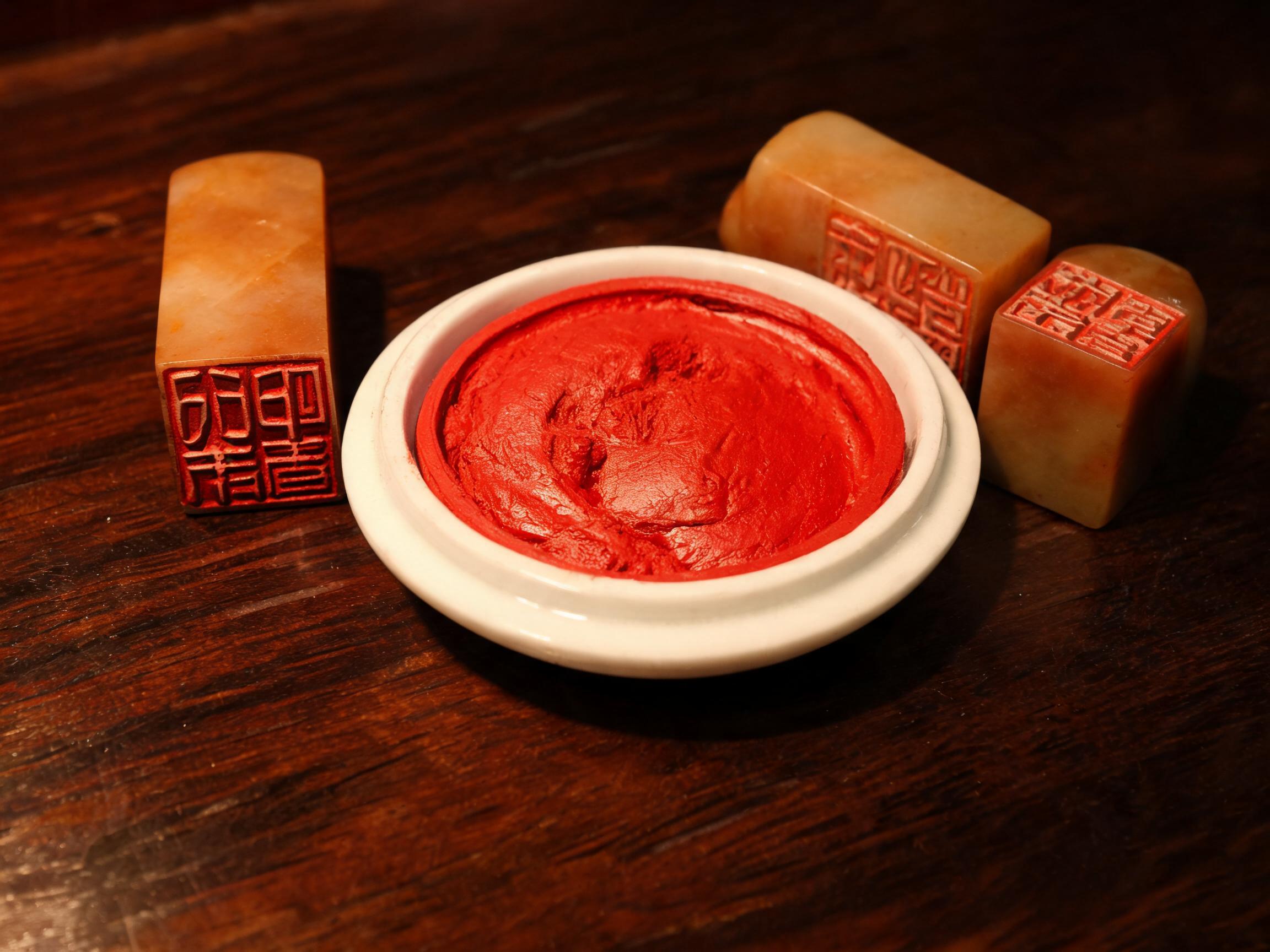
Shoushan and Qingtian stone are the two traditional materials most often specified for custom carved seals. Shoushan stone is known for its warm, translucent tones and fine grain, which takes crisp detail well. Qingtian stone typically offers a wider range of colors, including the prized greens and yellows, and is often chosen for its visual character in display pieces.
For sourcing, the practical question is whether the supplier can guarantee the stone origin and quality you are quoting to your customers. A reliable supplier will specify the stone type clearly on the product spec rather than leaving it as a vague "natural stone."
Size ranges that cover ceremonial and collector needs
Ceremonial seals for temples or institutions tend to be larger—they need to be held comfortably and produce a clear impression on larger documents. Collector pieces can vary more, from small personal seals to substantial display carvings. When sourcing, look for a supplier that covers a practical size range without forcing you to split orders across multiple factories.
A standard range of 2×2×6 cm to 4×4×10 cm covers most ceremonial and collector applications. This allows you to offer both compact personal seals and larger institutional pieces from a single production line.
Engraving options: script, language, and style
The engraving is where the seal becomes specific to its buyer. A temple seal and a collector gift will have very different requirements. The key is to confirm what your supplier can handle before you commit to a client.
Multi-language engraving capability
Ceremonial and cultural channels often need more than Chinese script. Temples in Southeast Asia may want bilingual inscriptions. Cultural venues serving international audiences may commission seals with names or titles in Latin script, Japanese kana, or Hangul. Collectors in the Chinese diaspora often want a family name in Chinese characters alongside a Western name.
Before promising this to your customers, confirm the supplier's engraving capabilities. A supplier offering multi-language engraving can handle these mixed-script requests without you needing a second vendor for the lettering. This is a significant advantage when you are consolidating orders for a diverse customer base.
Style considerations for ceremonial use
Traditional ceremonial seals typically use either Zhuan script (seal script) or a regular script, depending on the formality of the occasion. For a temple or cultural institution, the style must carry authority. For collector gifts, the engraving style may be more decorative, with the stone's natural color playing a larger role in the design.
When briefing your supplier, specify the intended use. A seal meant for stamping documents has different depth and line-width requirements than one meant primarily for display. The supplier should be able to advise on this, but you need to communicate the end-use to get the right result.
The proof-and-approval workflow: protecting your order from rework
Carved seals are not like printed items where a digital mockup is sufficient. The quality of the engraving, the stone's natural grain, and the final impression all need physical verification. This is where a clear proofing process protects both you and your customer.
Why carving proof samples matter
A carving proof sample is a physical seal carved according to your design, sent for your approval before bulk production. This is the single most important step for ceremonial and collector orders because the design is unique to each client. An error in the script, a misjudged stone color, or an uneven impression cannot be fixed after mass production.
Look for a supplier that provides carving proof samples within 15 days. This timeline allows you to show your customer a tangible sample, get their sign-off, and still keep the overall delivery on schedule.
The impression test
A seal is only as good as the mark it leaves. Before approving a proof, you should see an impression test—an actual stamp made with the seal using vermilion ink paste. This shows you the line quality, the depth of the engraving, and whether the design reads clearly. A supplier that routinely provides impression tests as part of the proofing process is demonstrating that they understand how the seal will actually be used.
This is particularly important for ceremonial seals, where the impression is part of a ritual or official act. A muddy or broken impression would be unacceptable. The impression test is your verification that the seal performs as intended.
Packaging and presentation for gift channels
For collector and ceremonial gift channels, the packaging is part of the product. A seal presented in a plain box undermines the perceived value of the carved stone. The packaging should match the cultural significance of the item.
When sourcing, specify a custom presentation box as part of the order. This is not a premium add-on for this market; it is the standard. The box protects the stone during shipping and provides the unboxing experience that gift buyers expect.
Consider whether the box should include space for the ink paste and a small guide to the seal's meaning or history. For temple and cultural venue orders, a brief note on the seal's significance can add value for the recipient.
Supplier considerations: what to verify before ordering
Not all seal suppliers are equipped for ceremonial and cultural gift channels. The difference shows up in a few concrete areas. Verify these with any supplier before placing a bulk order.
| Sourcing check | Why it matters | What to confirm |
|---|---|---|
| Stone origin and type | Shoushan and Qingtian stone have distinct characteristics; substitution changes the product value. | Confirm the stone type is specified as Shoushan or Qingtian, not generic. |
| Engraving language support | Ceremonial and diaspora markets often need mixed scripts. | Confirm multi-language engraving is available. |
| Proofing process | Unique designs require physical approval before production. | Confirm carving proof samples are provided, ideally within 15 days. |
| Quality check on impression | A clean stamp is the functional requirement for ceremonial use. | Request an impression test with the proof. |
| Packaging | Gift and collector channels require presentation-grade packaging. | Specify a custom presentation box for each seal. |
| Minimum order flexibility | Test orders and small institutional orders need manageable MOQs. | Confirm the MOQ works for your channel. A typical starting point is 30 pcs. |
One integrated supplier can simplify this process. A company that handles design, manufacturing, quality control, and export under one roof—such as Gu Mo Craft Technology, which has operated since 2011—can keep the proofing and production steps coordinated. This is particularly useful for ceremonial orders where the design and the stone quality are tightly linked.
Building a product range for ceremonial and cultural channels
If you are establishing or expanding this product line, consider offering a tiered range that covers different buyer needs:
- Custom Carved Name Seal—the core product for personalized gifts and institutional commissions. Look for multi-language engraving, proof samples, and a choice of Shoushan or Qingtian stone.
- Practice Seal Stone—a lower-cost option for students or beginners, useful for cultural education programs that pair with temple or museum activities.
- Premium Shoushan Seal Stone—a step up for collectors who value the material itself, even before engraving.
- Seal Carving Gift Set—a bundled offering that includes the seal and related tools, suitable for gift channels targeting cultural enthusiasts.
- Vermilion Ink Paste—a necessary companion product. A temple or collector needs the correct paste to use the seal. Offering it as a companion item increases order value and ensures the seal performs correctly.
This range lets you serve a temple that needs a single large ceremonial seal, a museum gift shop that wants a stock of personalized seals, and a diaspora collector looking for a premium Shoushan piece—all from one supplier relationship.
Frequently asked questions
What is the difference between a Chinese chop seal and a regular stamp?
A Chinese chop seal is a carved stone (or other hard material) used to stamp an impression, typically with vermilion ink paste. Unlike a rubber stamp, it is a permanent, hand-carved object with cultural and often artistic value. The carved design is mirrored so the impression reads correctly.
How do I choose between Shoushan and Qingtian stone for my order?
Shoushan stone is prized for its fine grain and warm tones, making it excellent for detailed engraving. Qingtian stone offers a broader color range, which can be more striking for display pieces. For ceremonial seals that will be used frequently, Shoushan's durability is often preferred. For collector gifts where appearance is paramount, Qingtian's color variety may be the deciding factor.
What is a carving proof sample and why is it necessary?
A carving proof sample is a physical seal carved from your design and sent for approval before bulk production. It is necessary because the engraving quality and stone character cannot be fully assessed from a digital image. For unique ceremonial designs, this proof is your safeguard against producing a batch with an error.
Can I order a single custom seal for a temple, or is there a minimum?
Most manufacturers have a minimum order quantity (MOQ) for custom carved seals. A typical MOQ is 30 pieces per design. If you need a single large ceremonial seal, you may need to confirm whether the supplier can accommodate a sample order or if you should order through a distributor who aggregates demand.
What should I check when I receive the carving proof?
Check the accuracy of the script (especially for multi-language engravings), the depth and clarity of the carving, the color and grain of the actual stone, and the quality of the impression test. The impression should be clean and even, with no broken lines.
Next step for buyers: When you are ready to source, prepare a brief that includes the intended use (ceremonial, gift, or collector), the required script and language, the desired stone type, and the target size range. Share this with your supplier to get an accurate quote and proofing timeline.