A practical guide for B2B buyers on soapstone seal material properties, common sizes and shapes, quality grading, MOQ and batch sourcing, and gift/collector channels.
BUYER GUIDE · SOAPSTONE SEAL WHOLESALE
Soapstone seals have been carved in China for centuries, and they remain a steady export item for gift shops, stationery brands, museum stores, and collectors. If you are sourcing Chinese soapstone seals for resale or corporate gifts, the key is not just finding a supplier—it is knowing what to specify, how to judge quality, and what batch terms actually work. This guide covers the material properties that matter, standard sizes and shapes, quality checks you can do without a lab, and practical points for soapstone seal wholesale orders.
Why Soapstone Is a Good Seal Material
Soapstone (steatite) is a soft metamorphic rock composed mainly of talc. Its hardness on the Mohs scale is about 1 to 2, which is much softer than jade (6–7) or other hardstone seal materials. That softness is exactly why it is used for seals:
- Easy to carve: Intricate characters and patterns can be cut cleanly, even in small sizes.
- Good ink pickup: The fine, even grain holds red ink paste (or oil-based ink) well and transfers sharp impressions.
- Lightweight and portable: Lower density than jade or agate, reducing shipping weight and cost.
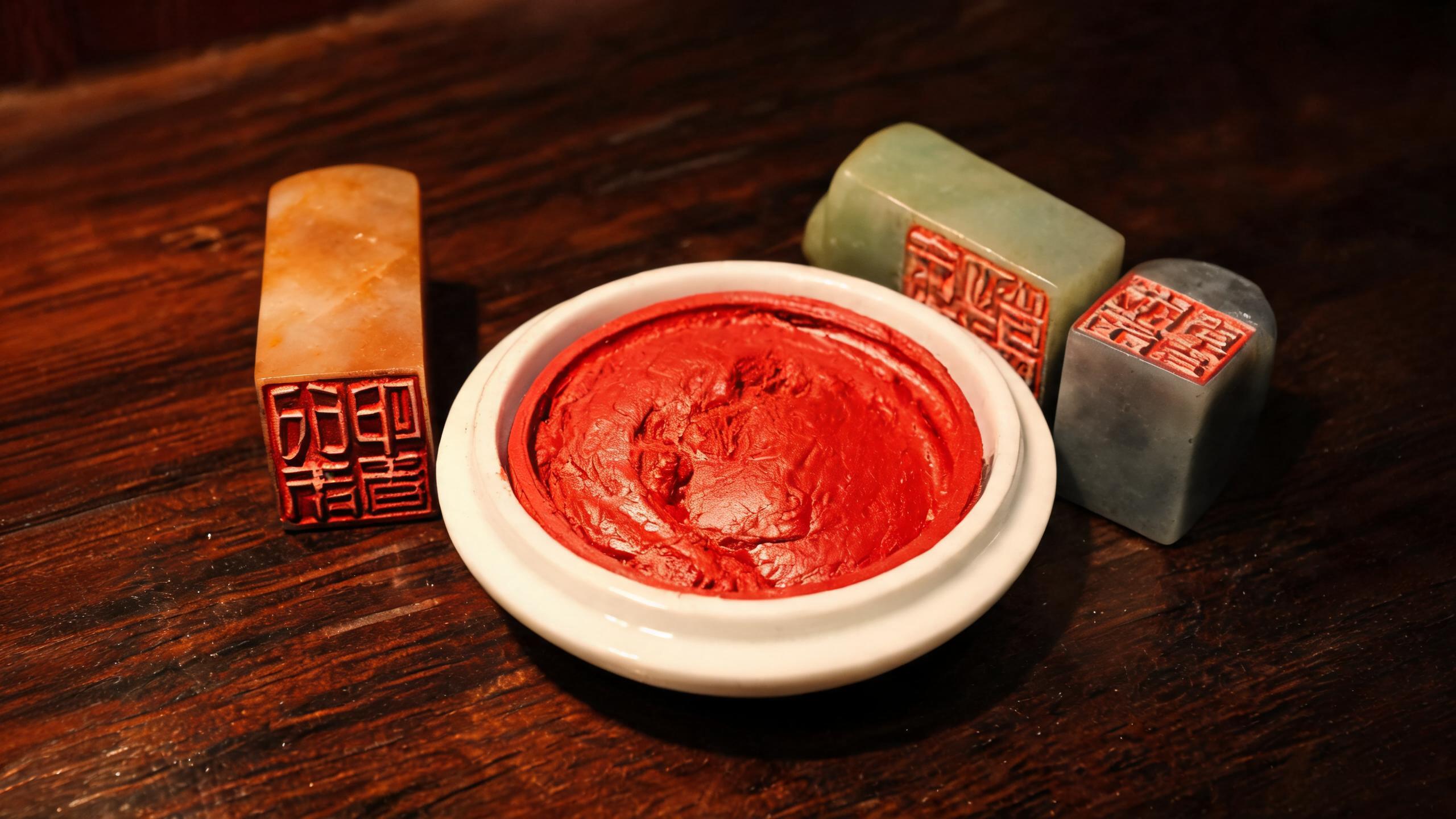
- Wide color range: Natural soapstone comes in gray, green, yellow, pink, and mixed hues, giving buyers variety without dyeing.
- Cost-effective: Material cost is lower than jade, and carving time is shorter, making it a good entry-level or high-volume option.
Soapstone does have limitations. It scratches easily, so seals should be stored separately. It is also porous, so it can absorb ink over time, though this is rarely an issue for decorative or occasional-use seals. For daily professional use, harder stones like jade or balin stone are preferred, but for gifts, stationery, and most retail channels, soapstone is a solid choice.
Common Sizes and Shapes for Wholesale
Most soapstone seal wholesale orders follow a few standard dimensions. The “size” of a seal refers to the face (the stamping surface) and the overall height. Common face sizes are:
| Face Size (mm) | Typical Use | Common Height (mm) |
|---|---|---|
| 10 × 10 | Small personal name seals, bookplates | 40–60 |
| 15 × 15 | Standard personal name seal | 50–70 |
| 20 × 20 | Business or display seal | 60–80 |
| 25 × 25 | Large name seal, corporate stamp | 70–90 |
| 30 × 30 | Calligraphy or collector seal | 80–100 |
Round seals are also common, with diameters matching the square sizes (e.g., 15 mm, 20 mm, 25 mm). Height varies with the carving style—plain tops are shorter, while carved animal tops (lions, dragons, turtles) add 20–30 mm.
Shapes fall into three main groups:
- Plain / geometric: Square, round, rectangular, oval. Minimal carving, lower cost, easy to customize with a name.
- Carved tops: A figure or motif on top of the seal, such as a lion (bixi), dragon, or qilin. These are more decorative and often bought as gifts.
- Mountain / landscape: The stone is carved into a miniature landscape, with the seal face at the base. These are collector pieces and can be significantly more expensive.
When ordering, specify the face size, shape, top style, and height tolerance. Many suppliers will confirm the exact dimensions before production—use that confirmation in your order contract.
Quality Judgment: What to Check Before You Buy
You do not need a gemologist to assess soapstone quality. A few simple checks will help you avoid the most common problems.
1. Color and Grain
Look for even color and a fine, uniform grain. High-quality soapstone has a smooth, waxy feel. Avoid stones with large cracks, pits, or visible hard spots that may chip during carving. Natural color variations are normal, but they should be consistent within a batch.
2. Carving Precision
Check the carved characters or patterns. Lines should be sharp and even, with no broken strokes. For name seals, the characters must be correct—always send a clear reference for the name or text you want carved.
3. Surface Finish
The surface should be smooth, without rough patches or tool marks. A good polish gives a soft sheen. Run your finger over the edges—they should be smooth, not sharp.
4. Seal Face Flatness
The stamping surface must be perfectly flat. Place the seal face-down on a flat surface and check for rocking. A warped face will produce uneven impressions.
5. Ink Test
Ask for a sample and test it with standard red ink paste. The impression should be crisp and even. If the stone is too porous, the ink may bleed; if too hard, the characters may not transfer fully.
- Soapstone is soft (Mohs 1–2) – ideal for carving and ink pickup, but scratches easily.
- Specify face size, shape, top style, and height in your order; standard faces are 10–30 mm.
- Check color evenness, carving precision, surface finish, and flatness on samples.
- MOQs typically start at 100–300 pieces; mixed sizes and shapes often raise the minimum.
- For gift/collector channels, order small custom batches with certificates or branded boxes.
MOQ and Batch Sourcing: What to Expect
Minimum order quantities (MOQs) vary widely among suppliers. For soapstone seal wholesale, a typical MOQ is around 100–300 pieces for simple plain-top seals. Carved top designs may require 50–100 pieces because each carving is more time-consuming. Some suppliers will accept lower MOQs for a higher unit price—this is worth negotiating if you are testing a new market.
When requesting a quote, provide:
- Exact sizes and shapes
- Carving text or design (send a high-resolution image or clear description)
- Top style (plain, carved, landscape)
- Quantity per design
- Packaging requirements (individual boxes, bulk, or display trays)
- Target price range
Batch pricing usually decreases with quantity, but the drop is not linear. Carving labor is a large part of the cost, so a 10% increase in quantity may only reduce unit price by 2–3%. Focus on getting the design right rather than squeezing the last cent.
Lead times for soapstone seals are typically 2–4 weeks for standard designs, plus shipping. Custom carvings or large orders may take 4–6 weeks. Always confirm lead time in writing and request a production sample before mass production.
One practical point: ask for a pre-production sample (often called a “golden sample”). This is the piece you approve, and the supplier should match the final batch to it. Keep the sample for comparison when goods arrive.
Sourcing for Gift and Collector Channels
Soapstone seals appear in three main sales channels: retail gifts, corporate promotions, and collector markets. Each has different sourcing needs.
Retail Gift Shops and Stationery Brands
These buyers typically order 200–500 pieces per design, with simple packaging like a small box or pouch. They look for attractive colors, consistent quality, and low unit cost. A mixed assortment of sizes and colors can sell well, but be aware that mixed lots often mean a higher MOQ because the supplier has to manage more SKUs.
Corporate Gifts and Branded Promotions
Companies order custom seals with their logo or a specific message. These orders are often smaller (50–200 pieces) but require higher quality and custom engraving. You may need to provide a vector file for the logo. Packaging is more important here—a branded box or a certificate of authenticity adds perceived value.
Collector and Museum Stores
Collector-grade seals are usually carved by experienced artisans and may use higher-quality stone. They are often sold as one-of-a-kind pieces with a certificate. For this channel, you should source from suppliers who work with specific artisans and can provide provenance. MOQs are low (sometimes 10–20 pieces), but prices are significantly higher.
For all channels, consider shipping and customs. Soapstone is a natural mineral product, so check import regulations in your target country. Some countries require a certificate of origin or a declaration that the stone is not from a restricted region. Your supplier should be able to provide this documentation—ask for it before ordering.
Common Mistakes to Avoid When Sourcing
- Not specifying the exact face size: A “medium” seal can be 15 mm or 25 mm. Always use millimeters.
- Ignoring the carving quality: A cheap seal with sloppy characters will not sell. Ask for a sample first.
- Assuming all soapstone is the same: Quality varies by quarry and batch. Insist on a production sample.
- Overlooking packaging: Seals are fragile; poor packaging leads to breakage in transit. Specify individual padding.
- Forgetting the ink: Many buyers expect a small pot of red ink paste with the seal. Confirm whether it is included.
FAQ
What is the difference between soapstone and jade seals?
Soapstone is much softer (Mohs 1–2 vs. 6–7 for jade), which makes it easier to carve and cheaper to produce. Jade is more durable and has higher perceived value, but it is harder to carve and more expensive. Soapstone is better for budget-friendly, detailed carvings.
Can I get custom characters carved on soapstone seals?
Yes. Most suppliers offer custom carving. Provide the text in a clear font or image, and confirm the carving style (e.g., zhuan script or regular script). A sample is recommended to verify the result.
What is the typical MOQ for soapstone seal wholesale?
For standard designs, MOQs often start at 100–300 pieces. Custom carvings may have lower MOQs (50–100) but higher unit prices. Always confirm with the supplier.
How should soapstone seals be packaged for shipping?
Each seal should be individually wrapped in soft material (e.g., bubble wrap or foam) and placed in a sturdy box. For larger orders, use partitioned trays. Ask the supplier to include a cushioning layer in the carton.
Do I need to worry about soapstone being radioactive or toxic?
Natural soapstone is generally safe and non-toxic. However, some stones may contain trace minerals. For peace of mind, ask the supplier for a material safety data sheet (MSDS) or a test report if you plan to sell to end consumers.
Next Steps: Getting a Quote
To get accurate quotes from suppliers, prepare a clear specification sheet. Include the size, shape, top style, carving text, quantity, packaging, and target price. If you are unsure about the design, ask the supplier for their catalog and price list first—many will send samples for a small fee.
When you have a shortlist, request a pre-production sample and test it for carving quality, surface finish, and ink pickup. Once approved, confirm the order details in writing, including lead time and payment terms. A good supplier will be happy to answer your questions and provide the documentation you need.
If you are ready to start sourcing, we can help you with specifications, samples, and reliable production. Contact us with your requirements, and we will provide a detailed quote based on your exact needs.