A practical guide for art supply dealers and wholesalers comparing Chinese painting brushes (hua bi) and calligraphy brushes (shu fa) across hair elasticity, water retention, tip shapes, and size grading—plus acceptance criteria for wholesale orders and how mixed-hair brushes offer a versatile middle ground.
BUYER GUIDE · WHOLESALE STOCK DECISIONS
If you stock art supplies for a living, you already know the difference between a brush that sells and one that sits on the shelf. The Chinese brush category looks deceptively simple—a bamboo handle, a tuft of hair, a point. But behind that simplicity are two distinct product families: Chinese painting brushes (hua bi) and calligraphy brushes (shu fa). They differ in hair elasticity, water retention, tip shape, and size grading. Stock the wrong mix and you'll either disappoint your customers or tie up capital in slow-moving SKUs.
This guide is written for art supply dealers and stationery wholesalers who need to make informed buying decisions. We'll walk through the technical differences, how to set acceptance criteria for wholesale orders, and why mixed-hair brushes can be a profitable middle ground for your inventory.
- Painting brushes prioritize water/ink retention and soft tip shapes; calligraphy brushes prioritize spring and precise point formation.
- Tip geometry (gongbi vs. xieyi) determines which painting styles a brush can serve—and which customers will buy it.
- Set acceptance criteria around hair blend ratio, tip symmetry, and handle finish—not just aesthetics.
- Mixed-hair brushes (e.g., 70/30 goat-to-wolf) offer a versatile stock option that appeals to both painters and calligraphers.
Why the Distinction Matters for Your Inventory
Your customers may not be able to articulate the difference between a painting brush and a calligraphy brush, but they will notice when a brush doesn't perform. A calligrapher needs a brush that snaps back to a sharp point after each stroke. A painter working in gongbi (meticulous brushwork) needs a brush that holds a fine tip and releases pigment evenly. A xieyi (freehand) painter needs a brush that can load a lot of ink and release it in expressive, varied strokes.
If you stock only one type, you'll miss a significant segment of the market. Understanding the functional differences helps you curate a range that serves both dedicated practitioners and students.
Hair Elasticity: The Core Functional Difference
The most important technical distinction is hair elasticity—how well the brush springs back after pressure. This determines control and stroke quality.
| Brush Type | Typical Hair | Elasticity | Best For |
|---|---|---|---|
| Calligraphy (shu fa) | Wolf hair, weasel hair, or stiff mixed blends | High—springs back quickly | Precise strokes, crisp turns, controlled line width |
| Painting (hua bi) – gongbi | Goat hair or fine mixed blends | Soft to medium—holds a fine tip | Fine lines, detailed washes, layered color |
| Painting (hua bi) – xieyi | Goat hair, sometimes with a stiffer core | Variable—soft body with responsive core | Expressive strokes, ink wash, broad shapes |
Goat hair is soft and absorbent, making it ideal for water retention and smooth ink flow. Wolf hair (which is actually weasel hair) is stiffer and more elastic, giving the brush a stronger "spring" that calligraphers rely on. When you order wholesale, ask the supplier for the exact blend ratio per batch—this is a documented spec for reputable manufacturers.
Water and Ink Retention: The Painter's Priority
For painting brushes, water and ink retention is arguably more important than elasticity. A brush that holds a lot of liquid allows the artist to paint longer without redipping, which is essential for washes and gradient effects.
Goat hair excels in this area. Its soft, porous structure holds water and ink efficiently. That's why many gongbi and xieyi painting brushes are made from goat hair or a goat-dominant blend. Calligraphy brushes, by contrast, tend to use stiffer hair that holds less liquid but offers more control.
When evaluating wholesale stock, ask about the hair blend and how it affects retention. A 70/30 goat-to-wolf blend, for example, offers a balance: the goat hair provides softness and retention, while the wolf hair adds elasticity for control. This is a popular middle ground for both painters and calligraphers.
Tip Shapes for Gongbi vs. Xieyi vs. Script Styles
The shape of the brush tip determines the range of strokes it can produce. This is a critical factor when selecting stock for different customer segments.
Gongbi (Meticulous Painting)
Gongbi requires extremely fine, precise lines. Brushes for this style have a long, sharp tip that comes to a very fine point. They're often made from fine goat hair or a blend with a stiffer core to maintain the point under pressure. If your customers are serious gongbi artists, they'll look for brushes with a needle-like tip.
Xieyi (Freehand Painting)
Xieyi is more expressive, with bold strokes and ink washes. Brushes for this style have a fuller, rounder belly that can hold a large amount of ink, with a tip that can still form a point but doesn't need to be as sharp. A soft goat hair brush with a generous belly is a classic choice.
Calligraphy Script Styles
Different calligraphy scripts (seal, clerical, regular, running, cursive) place different demands on the brush. Regular script (kaishu) and running script (xingshu) benefit from a brush with good elasticity and a sharp point. Larger scripts, like those used for signage, may require a bigger brush with a broader tip. The key is that calligraphy brushes must snap back to a point consistently—this is a non-negotiable quality criterion.
| Application | Tip Shape | Hair Preference |
|---|---|---|
| Gongbi painting | Long, sharp, fine point | Fine goat hair, possibly with stiffer core |
| Xieyi painting | Round, full belly, softer point | Soft goat hair or blend |
| Calligraphy – regular script | Sharp, elastic point | Wolf hair or stiff blend |
| Calligraphy – large format | Broad, rounded tip | Mixed hair for balance |
Size Grading: What Your Customers Actually Need
Brush sizes range from tiny detail brushes (size 1–3 in Western numbering, or Chinese sizes like 小楷, 中楷, 大楷) to large format brushes for posters and big paintings. Your stock should reflect the mix of customer types you serve.
For a general art supply store, a good starting range includes:
- Small (detail): For gongbi fine lines and small calligraphy.
- Medium (all-purpose): For xieyi painting and standard calligraphy.
- Large (expressive): For bold strokes, washes, and large script.
Large format brushes are a distinct category with their own handle lengths and hair volumes. For example, a large calligraphy brush might feature a 24cm lacquered bamboo handle—a spec that signals durability and balance. If you're targeting artists who do public demonstrations or large-scale work, you'll need to stock these bigger sizes.
Setting Acceptance Criteria for Wholesale Orders
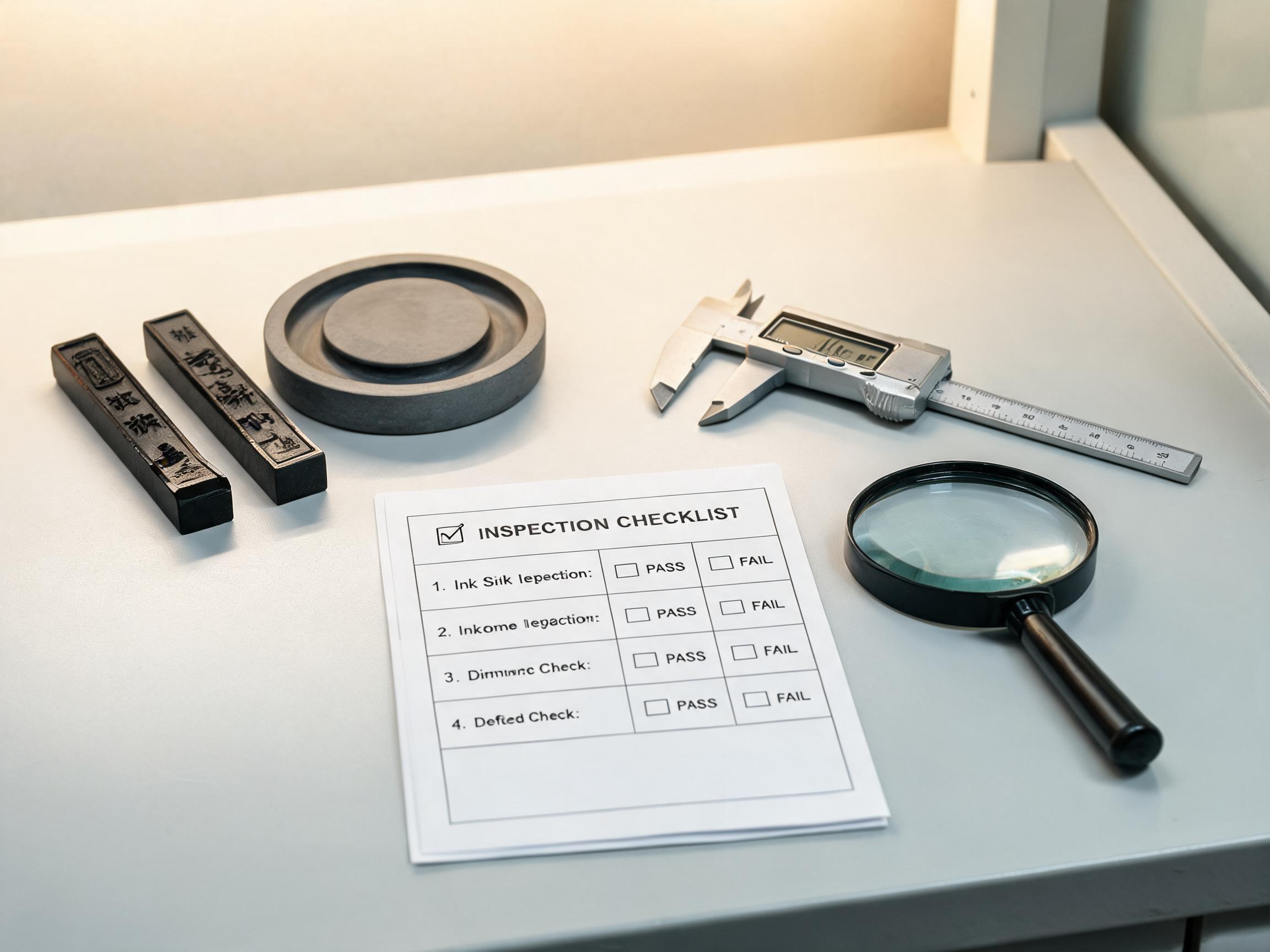
When ordering Chinese brushes wholesale, you need more than a sample approval. Define clear acceptance criteria before you place a bulk order. Here's a practical checklist:
- Hair blend ratio: Confirm the exact blend (e.g., 70% goat, 30% wolf) and request documentation per batch. This ensures consistency across your order.
- Tip symmetry: The tip should be perfectly centered and come to a sharp point when wet. Inspect a random sample from each batch.
- Hair shedding: A quality brush should shed minimal hairs during a water test. Ask the supplier about their QC process—inline checkpoints at each production stage reduce defects.
- Handle finish: Check for smooth lacquer, secure ferrule (if metal), and overall balance. A 24cm handle, for example, should feel substantial and comfortable.
- Packaging: For wholesale, ensure brushes are protected against damage during shipping, especially the tips.
Mixed-Hair Brushes: The Versatile Middle Ground
Not every customer knows exactly what they want. Many students and hobbyists want a brush that works for both painting and calligraphy. That's where mixed-hair brushes shine.
A 70/30 goat-to-wolf blend offers the softness and water retention of goat hair with the elasticity of wolf hair. This combination works for:
- Basic calligraphy (regular script)
- Xieyi painting
- Student practice
- General art projects
By stocking a few mixed-hair options, you can serve a broader customer base with fewer SKUs. This is especially useful for dealers who are new to Chinese brushes and want to minimize risk.
At Gu Mo Craft Technology (founded 2011), we specialize in integrated manufacturing of Chinese brushes, offering OEM/ODM services to art supply brands worldwide. Our brush line includes goat hair soft tip, wolf hair, mixed hair (70/30), large format, and student practice sets. We maintain inline QC checkpoints at each production stage and document blend ratios per batch—so you can verify consistency in every order.
Recommended Stock Items for Dealers
Here are three product types that cover the majority of customer demand:
- Mixed-hair combination brushes: Ideal for dealers who want a versatile option for both painting and calligraphy. View the mixed-hair combination brush.
- Large format calligraphy brushes: For customers who do large-scale work or public demonstrations. View the large-format calligraphy brush.
- Student practice brush sets: A great entry-level product for beginners and schools. View the student practice brush set.
Quality Control: What a Reliable Supplier Does
When you're sourcing from overseas, QC is your biggest risk. A brush that looks fine in a photo can have hidden defects: uneven hair blend, poor tip formation, or handles that crack after a few months.
Look for suppliers who can demonstrate:
- Inline QC checkpoints: Quality checks at each stage of production, not just at the end.
- Batch documentation: Records of blend ratios and materials used, so you can trace any issues.
- OEM/ODM capability: The ability to produce custom brushes to your specifications, from hair blend to handle design.
Gu Mo Craft Technology operates an integrated chain from raw materials to finished brushes, which allows us to control quality at every step. We export to target markets and welcome OEM/ODM inquiries. For more details on our production process or to request sample documentation, please contact us.
Common Mistakes to Avoid When Stocking Chinese Brushes
- Ignoring the difference between painting and calligraphy brushes. If you treat them as interchangeable, you'll get returns and negative reviews.
- Over-stocking one size range. A balanced range—small, medium, large—covers more customers.
- Not verifying the hair blend. A brush labeled "wolf hair" might be a blend or even synthetic. Ask for documentation.
- Ordering too many SKUs. Start with a few versatile options (like a mixed-hair brush) and expand based on sales data.
- Skipping samples. Always test a pre-production sample before committing to a large order.
Frequently Asked Questions
Can a calligraphy brush be used for Chinese painting?
Yes, but it's not ideal. A calligraphy brush's high elasticity can make it harder to achieve the soft, expressive washes needed for xieyi painting. For gongbi, the tip may be too stiff for very fine work. It's better to stock both types and educate your customers on the differences.
What is the best hair blend for a versatile brush?
A 70/30 goat-to-wolf blend is a common choice for a middle ground. It offers softness and water retention from the goat hair, with enough elasticity from the wolf hair for calligraphy. This makes it suitable for both painting and calligraphy, ideal for students and hobbyists.
How do I know if a brush has good tip formation?
Wet the brush and gently pull it to a point. A quality brush should form a sharp, consistent point without splaying. Check for any stray hairs that stick out—this indicates poor construction.
What should I ask a supplier before ordering wholesale?
Ask about blend ratio documentation, QC checkpoints, MOQ, lead time, and packaging. Also request a sample and, if possible, a random batch sample. A reputable supplier will be transparent about their process.
Building Your Wholesale Stock Strategy
Start with a small, curated selection that covers the main customer needs:
- One or two mixed-hair brushes for general use.
- A few goat hair painting brushes for gongbi and xieyi.
- Wolf hair calligraphy brushes in small, medium, and large sizes.
- A student practice set for beginners.
As you learn your customers' preferences, you can expand into more specialized options. The key is to offer variety without overwhelming your inventory.
If you're ready to explore wholesale options, we invite you to review our mixed-hair combination brush, large-format calligraphy brush, and student practice brush set. For custom specifications or bulk pricing, our team is available to discuss your needs.
This guide is intended to help dealers make informed wholesale decisions. For specific product specs, MOQ details, or production timelines, we recommend contacting the supplier directly.