
A practical sourcing guide for overseas buyers planning Chinese calligraphy wall scrolls and large-format calligraphy programs. Covers channel fit, paper formats, brush selection, packaging, quality checks, and how to brief a supplier — with realistic boundaries on what factories can and cannot supply.
Sourcing Guide
Buyers searching for a chinese calligraphy wall scroll usually fall into one of four channels: gift wholesalers, home décor retailers, cultural institutions, and diaspora community groups. Each channel wants a different format, a different price band, and a different level of customization. This guide explains what a calligraphy supply factory can realistically provide for scroll-related programs — paper rolls, bound albums, and large-format brushes — and how to spec a program without over-committing on finished goods you may not actually need.
Key takeaways
- A finished wall scroll is a mounted, assembled product. What factories in this category typically supply is the raw and semi-finished basis: xuan paper in roll or bound-album form, and the brushes used to write on it.
- Channel fit drives format: gift sets favor smaller bound albums, décor favors large paper for mounted wall pieces, institutions favor archival-format paper and display brushes.
- Specify paper by width consistency and edge cutting, not by vague "premium quality" language.
- Specify brushes by hair density and handle reinforcement for the intended writing size.
- Confirm mounting, framing, and scroll hardware with whoever will assemble the final piece — that is a separate supply link.
What this factory actually supplies for scroll programs
It is worth being direct about scope. A wall scroll is a finished, mounted object: paper or silk, backed, bordered with brocade or paper strips, fitted with wooden rollers, and often boxed. The upstream supply chain that feeds scroll production is different from the chain that mounts and assembles. This site supplies the writing surface and the writing tool, not the mounted finished scroll.
For buyers planning a scroll or large-format calligraphy program, that means three products are relevant:
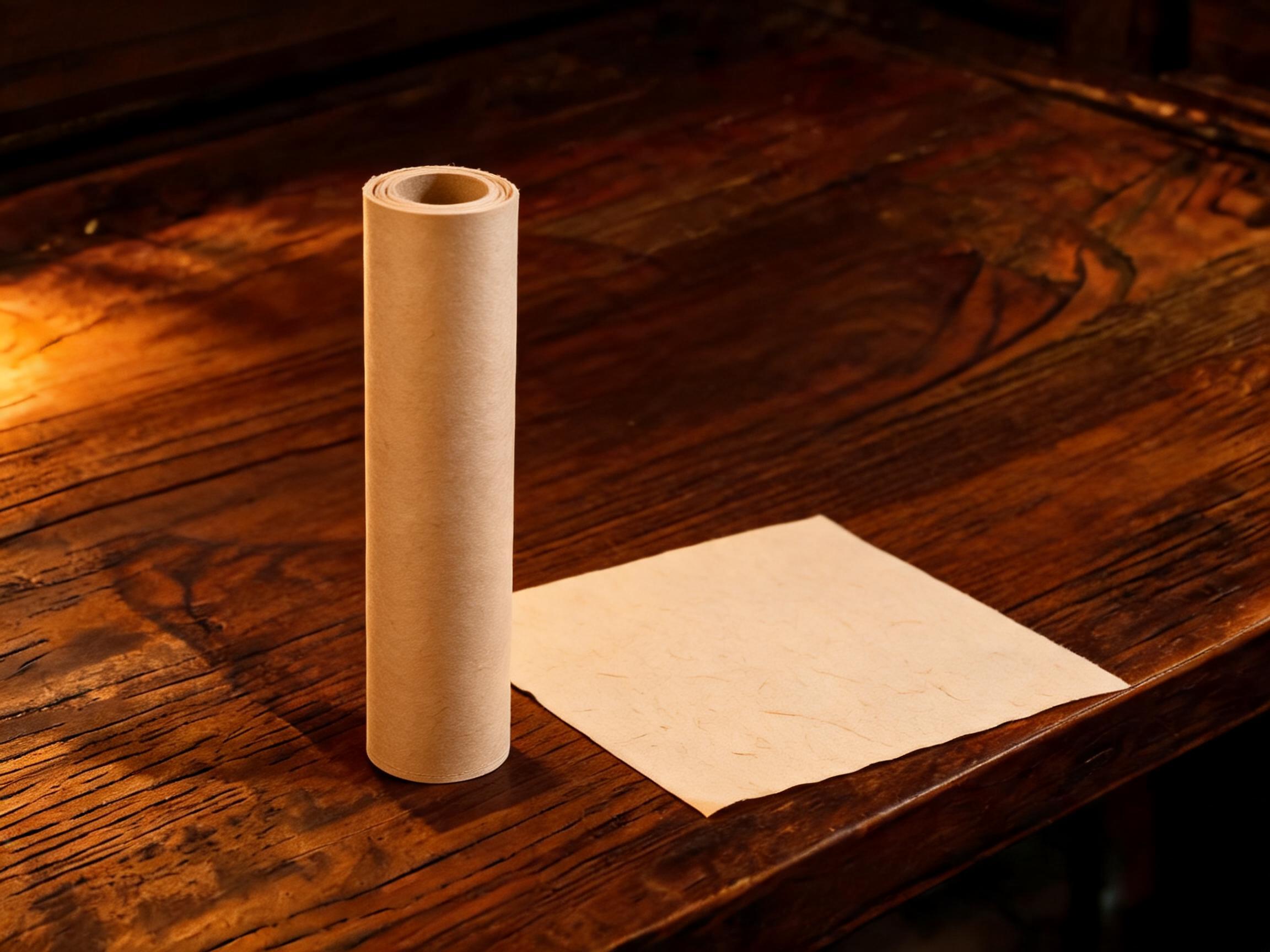
- Xuan Paper Roll (GMO-XP-004) — a professional roll with controlled width consistency and clean edge cutting, intended for large-scale calligraphy and scroll painting.
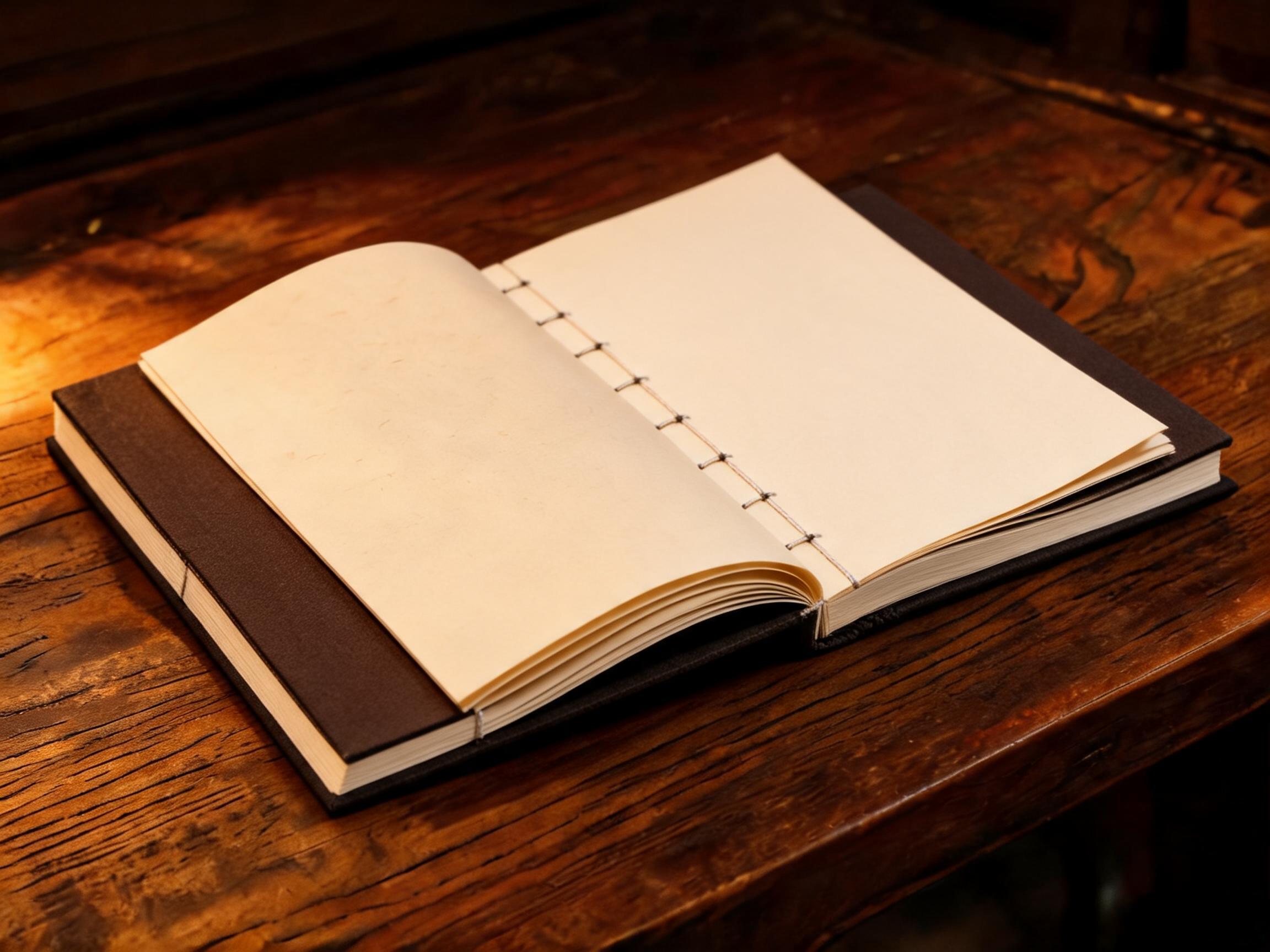
- Bound Xuan Paper Album (GMO-XP-005) — traditional thread binding with custom cover design, aimed at cultural institutions and calligraphy collections.
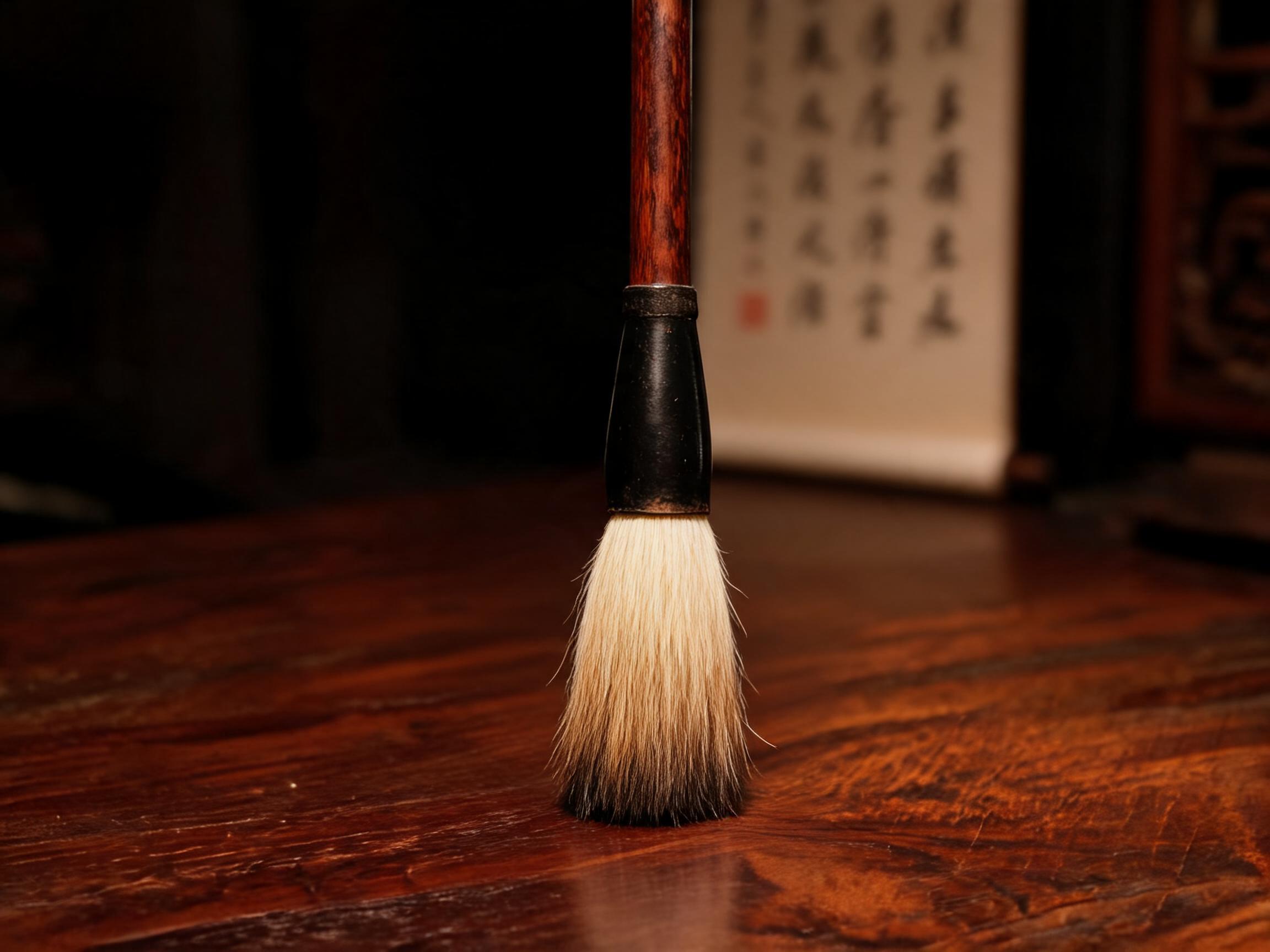
- Large Format Calligraphy Brush (GMO-CB-004) — dense hair packing and a reinforced handle, made for exhibition calligraphy and sign painting.
If your program ends with a mounted scroll, you need a mounting partner in addition to a paper and brush supplier. That is not a gap to hide — it is a decision point. Buyers who plan for it early avoid the common mistake of ordering paper that does not match the width the mounting workshop can handle.
Match the format to the channel
The same calligraphy tradition serves very different commercial ends. Lining up format with channel before requesting samples saves a full round of revisions.
| Channel | Typical format priority | Why |
|---|---|---|
| Gift / corporate gifting | Bound Xuan Paper Album, custom cover | Small, boxable, personalizable; suits presentation and gift-box programs more than large wall pieces. |
| Home décor retail | Xuan Paper Roll, wide format | Décor buyers need consistent widths for mounted wall hangings and framed art; roll format gives the mounting workshop room to work. |
| Cultural institutions | Bound album + large-format brush | Institutional programs often involve collections, teaching, or exhibition work where archival presentation and display tools both matter. |
| Diaspora community groups | Roll + brush combination | Community workshops, festival events, and cultural education programs need usable working materials, not just display pieces. |
A single buyer can span channels. A gift wholesaler who also supplies museum shops, for example, may want a small bound-album run for the gift side and a roll order for the institution side. Treating these as one combined program with one supplier simplifies logistics but requires clearer specs, because the two formats have different quality tolerances.
Specifying xuan paper for scroll programs
Paper is where most scroll programs succeed or fail quietly. The buyer receives a sample that looks right, then the production run behaves differently under brush and ink. Two spec lines reduce that risk:
- Width consistency. For roll-format paper, state the required width and ask how width is controlled across the roll. Inconsistent width forces the mounting workshop to trim every panel, which adds cost and can skew proportions on multi-panel pieces.
- Edge cutting. Clean edge cutting matters because torn or ragged edges are difficult to conceal under a mounted border or brocade strip. Ask what the roll edge looks like on delivery.
The Xuan Paper Roll (GMO-XP-004) is built around these two points — controlled width consistency and clean edge cutting — which is why it is the practical starting point for large-scale calligraphy and scroll painting programs rather than a decorative finished item.
A note on terminology: "xuan paper" describes a paper family, not a single grade. Buyers should confirm the specific paper type and finish they need with the supplier, because calligraphy and painting uses are not interchangeable across all paper types.
Bound albums for institution and gifting programs
Bound albums solve a different problem. They are presentation-oriented: a book-like object with traditional thread binding and a custom cover. For cultural institutions, the album format works because it is archival in feel and easy to shelve, catalog, or present. For gift channels, it works because it is small, personalizable, and reads as a finished cultural object rather than a raw material.
The Bound Xuan Paper Album (GMO-XP-005) uses traditional thread binding and supports custom cover design. When briefing a supplier on this format, the useful questions are about cover material, printing or foil options for the custom cover, and how the binding holds up in transit. Ask for the cover spec sheet rather than assuming "custom cover" means a specific finish.
For gifting buyers, the album format also affects packaging downstream. A bound album can be boxed with relatively little tooling; a mounted wall scroll cannot. If your program is a corporate or festival gift, the album usually wins on logistics alone.
Choosing the brush for the writing size
Brush performance is about matching the tool to the size of the writing, not about buying the most expensive brush. Small characters need a fine, responsive tip; large exhibition characters and sign painting need a brush that holds a lot of ink and does not collapse under the weight of a big stroke.
The Large Format Calligraphy Brush (GMO-CB-004) is specified for this second case: dense hair packing so the brush carries enough ink for a large stroke, and a reinforced handle so the shaft does not flex or fail when the writer applies pressure. It is intended for exhibition calligraphy and sign painting.
When specifying brushes in a program, tell the supplier the character size the end user will write and whether the brush is for demonstration, retail sale, or workshop use. The same supplier may offer brushes for different sizes, but the large-format brush is not a general-purpose option for small-character practice.
Quality checks before you commit to a run
Ordering a sample is not the same as approving a production run. Build a short verification list that addresses the specific failure modes of scroll-related materials:
- Paper width and edge. Measure the delivered roll width against your spec and inspect the cut edge. Do this on the production sample, not only the sales sample.
- Ink behavior. Write a representative character on the paper type you plan to use. Some paper finishes favor controlled brushwork; confirm the finish matches the intended use before bulk ordering.
- Album binding. Open and close the bound album repeatedly and check the thread binding and the cover attachment points.
- Brush recovery. After use and cleaning, confirm the large-format brush returns to a usable tip shape and the handle shows no flex damage at the ferrule.
- Packaging for transit. Paper rolls and bound albums ship differently. Ask how the supplier packs each format and whether the packed unit protects the cut edge and the cover.
None of these checks require lab equipment. They require a buyer who knows what the final product should look like and is willing to open the box.
How to brief a supplier
A clear brief shortens sampling and reduces the chance of a mismatch. Include the following items in your first message:
- End use and channel. State whether the paper is for a mounted wall piece, a bound album, a workshop, or a retail package. The channel determines format.
- Format and quantity. Specify roll or album, and the approximate quantity you are planning for. Quantity affects sampling and production scheduling.
- Width or size requirement. Give the target width for roll paper, and the intended page or panel size for albums.
- Customization. For albums, describe the cover design or branding. For brushes, describe the writing size and whether the brush is retail or demo use.
- Mounting or assembly plans. Tell the supplier if a separate workshop will mount the final scroll, so the paper format can match that workshop's capability.
State plainly what you are not asking the supplier to do. If you are not asking for mounted finished scrolls, say so — it prevents the supplier from quoting a product they do not make and keeps the conversation on paper and brushes.
FAQ
Does this supplier sell finished, mounted wall scrolls?
No. The relevant products for scroll programs are the writing surface and the writing tool: xuan paper in roll and bound-album formats, and large-format calligraphy brushes. Mounting and scroll assembly are a separate supply step that the buyer arranges.
Can I use the bound album as the finished gift item instead of a scroll?
Yes, that is a common use. The bound album is a finished cultural object in its own right, and gift buyers often prefer it because it packs and presents more simply than a mounted scroll.
What should I check first when sourcing paper for a scroll program?
Width consistency and edge cutting. Inconsistent width complicates mounting, and a ragged edge is hard to conceal under a border. Confirm both on the production sample.
Is one large-format brush enough for a whole program?
Only if the program involves large characters. Small-character work needs a finer brush. Match the brush to the writing size rather than standardizing on one model.
Next step
If you are planning a scroll, gift, or institutional calligraphy program, start by deciding the format: roll, bound album, or both. Then request samples of the matching paper and the large-format brush for the use case you have in mind, and test them against the quality checklist above. Buyers who separate the paper-and-brush supply from the mounting supply make fewer costly assumptions and get to a workable program faster.