
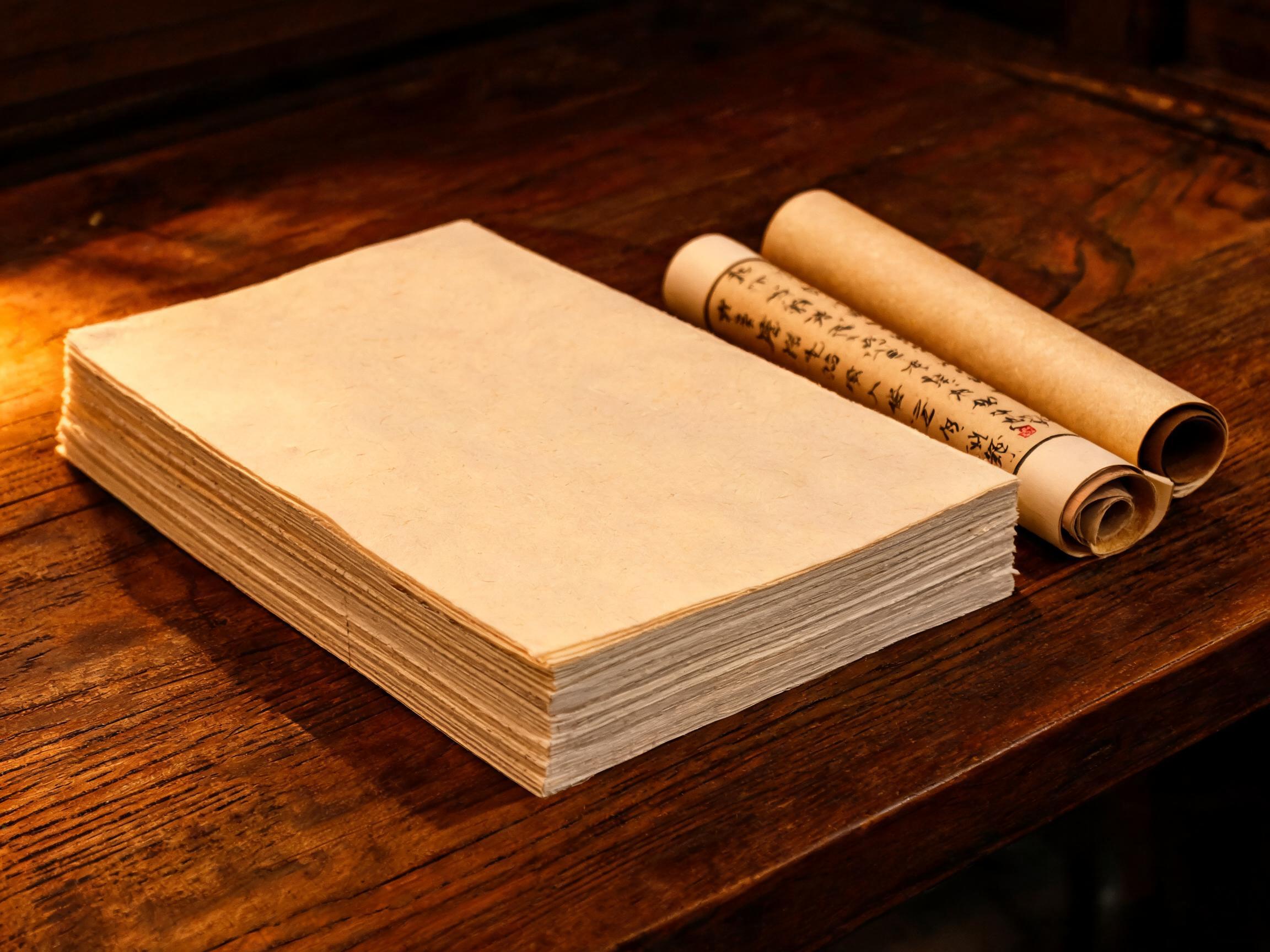
Understand the real differences between xuan paper and generic rice paper for calligraphy and painting. Learn about raw, treated, and student-grade xuan paper types, and how to select the right one for your buyers.
If you supply art materials to schools, galleries, or stationery retailers, you have probably seen the terms "xuan paper" and "rice paper" used interchangeably. They are not the same product. Buyers who search for rice paper for calligraphy or chinese calligraphy rice paper are often looking for a paper that behaves predictably under a brush — but the wrong paper can ruin ink flow, cause unwanted bleeding, or simply not hold the brushstroke. This guide explains the types of xuan paper, how they differ from generic rice paper, and how to choose the right grade for calligraphy, gongbi painting, or student practice.
Key takeaways:
- Xuan paper is a specific category of Chinese art paper; "rice paper" is a broader, often misleading term.
- Raw xuan paper is the standard choice for professional calligraphy and freehand painting.
- Treated xuan paper suits gongbi (meticulous) painting where controlled washes matter.
- Student grade xuan paper offers an economical option for practice and volume orders.
- Specify the paper type and grade to your supplier — don't rely on the name "rice paper" alone.
What Is Xuan Paper?
Xuan paper (宣纸) is a traditional Chinese paper made from plant fibers, typically including bark from the blue sandalwood tree (qingpi) and rice straw. It is prized for its strength, absorbency, and ability to hold ink without excessive bleeding. Unlike ordinary wood-pulp paper, xuan paper has a soft, slightly textured surface that responds well to brush pressure and ink dilution.
For B2B buyers, the key point is that "xuan paper" is a defined category with sub-grades. The term "rice paper" is often used loosely in Western markets to describe any thin, absorbent art paper — sometimes it is not even made from rice at all. When you order "rice paper for calligraphy," you need to specify whether you want true xuan paper and which grade.
Xuan Paper Types: Raw, Treated, and Student Grade
Xuan paper is generally divided into three main types based on how it is processed and its intended use. Each type has distinct characteristics that affect ink behavior and durability.
Raw Xuan Paper (生宣)
Raw xuan paper is the unprocessed, natural grade. It is highly absorbent, which means ink spreads quickly and produces soft, expressive edges. This is the traditional choice for calligraphy and freehand (xieyi) painting.
- Professional raw grade: Made with natural bark fiber (qingpi), this is the highest quality. A standard sheet measures 69cm x 138cm. It offers controlled ink bleed and archival quality, making it suitable for works intended to last.
- MOQ: Typically ordered in quantities of 200 sheets or more.
For a reliable supply of professional raw xuan paper, see our Raw Xuan Paper Professional.
Treated Xuan Paper (熟宣)
Treated xuan paper has a sizing agent applied to the surface, which reduces absorbency. This allows for multiple layers of ink and color without bleeding, making it ideal for gongbi painting — a meticulous style that requires fine lines and repeated washes.
If your buyers sell to artists who do detailed flower-and-bird painting, treated xuan paper is the correct choice. It is also used for certain calligraphy styles where crisp edges are needed.
Explore our Treated Xuan Paper for Gongbi for this category.
Student Practice Xuan Paper (练习宣)
Student grade xuan paper is a more economical version, often made with a higher proportion of straw fiber or a blend of materials. It is less durable and may not have the same archival qualities as professional grades, but it is perfectly suited for daily practice, workshops, and school programs.
This grade is popular for bulk orders because it balances cost and performance. For volume purchases, see our Student Practice Xuan Paper.
Xuan Paper Rolls
For large-scale projects or continuous painting, xuan paper is also available in rolls. This format is convenient for murals, long scrolls, or production environments where cutting individual sheets is inefficient.
Consider Xuan Paper Roll if your buyers need extended lengths.
Xuan Paper vs. Rice Paper: What's the Difference?
The table below summarizes the practical differences that matter for procurement decisions.
| Aspect | Xuan Paper | Generic Rice Paper |
|---|---|---|
| Fiber source | Bark (qingpi), straw, sometimes bamboo | Often wood pulp or mixed fibers; may not contain rice |
| Absorbency | Controlled, varies by grade (raw vs. treated) | Often highly absorbent, less predictable |
| Ink behavior | Holds brushstroke, allows layering (treated) | May bleed or feather inconsistently |
| Durability | Strong, archival quality in professional grades | Can be fragile, especially thin sheets |
| Best for | Calligraphy, gongbi, xieyi, archival works | Decorative crafts, packaging, occasional painting |
For calligraphy, xuan paper is the preferred choice because it provides a stable surface that responds predictably to ink. Generic rice paper, while often cheaper, may not offer the same control, leading to frustrated artists and returns.
How to Choose the Right Paper for Calligraphy vs. Painting
Selecting the right paper depends on the end use. Here is a practical guide for your buyers.
For Calligraphy
- Raw xuan paper is the classic choice for most calligraphy styles. The absorbency allows the ink to sink into the paper, creating a rich, permanent stroke.
- For beginners or high-volume practice, student grade is sufficient and cost-effective.
- If the calligrapher uses very wet ink or wants crisp edges, treated xuan paper can be an alternative, though it is less traditional.
For Gongbi Painting
- Treated xuan paper is essential. Its low absorbency allows for fine outlines and multiple washes without smudging.
- Raw xuan paper is not suitable for gongbi because the ink will spread too much.
For Practice and Student Use
- Student practice xuan paper is the most economical option. It allows learners to focus on technique without worrying about paper cost.
- Many schools order this grade in bulk for classes.
For Large Works or Rolls
- If your buyers need long scrolls or continuous painting surfaces, xuan paper rolls are the practical solution.
Quality Considerations for B2B Buyers
When sourcing xuan paper for resale, consider these factors:
- Fiber content: Professional grades use natural bark fiber (qingpi). Cheaper papers may use straw or wood pulp, which affects durability.
- Sheet size: Standard sizes like 69cm x 138cm are common, but verify the dimensions you need.
- MOQ: Professional raw xuan paper typically has a minimum order quantity of 200 sheets. Plan your inventory accordingly.
- Surface texture: The paper should have a consistent, smooth-but-not-glossy surface.
- Ink bleed: For professional use, the paper should allow controlled ink bleed — not too much, not too little. Test a sample before placing a large order.
Always request a sample from your supplier to verify the paper's behavior with the inks your customers use. This is especially important if you are switching suppliers or trying a new grade.
Frequently Asked Questions
Is "rice paper" the same as xuan paper?
No. "Rice paper" is a general term that can refer to several different papers, including those made from rice straw, mulberry bark, or even wood pulp. Xuan paper is a specific type of Chinese art paper with defined characteristics. For calligraphy, always ask for xuan paper explicitly.
What is xuan paper made of?
Traditional xuan paper is made from the bark of the blue sandalwood tree (qingpi) mixed with rice straw. Some modern versions may include other plant fibers. The bark provides strength, while the straw contributes to the soft, absorbent surface.
Can I use xuan paper for oil painting?
No. Xuan paper is designed for water-based media like ink and watercolor. Oil paint will damage the paper and is not recommended.
How do I store xuan paper?
Store xuan paper in a dry, cool place, away from direct sunlight and moisture. Keep it flat or rolled to prevent creases. Avoid folding unless the paper is specifically designed for that.
What is the difference between raw and treated xuan paper?
Raw xuan paper absorbs ink quickly, making it ideal for expressive calligraphy and freehand painting. Treated xuan paper has a sizing agent that reduces absorbency, allowing for detailed work and multiple layers. Choose based on the artist's technique.
Making the Right Choice for Your Business
For B2B buyers, the decision comes down to your customers' needs. If you supply calligraphy supplies, stock professional raw xuan paper for serious artists and student grade for schools. If your market includes gongbi painters, add treated xuan paper to your catalog. For versatility, offer rolls for large projects.
By understanding these differences, you can guide your buyers to the right product and build a reputation as a knowledgeable supplier.
Ready to stock the right paper? Review our Raw Xuan Paper Professional, Treated Xuan Paper for Gongbi, Student Practice Xuan Paper, and Xuan Paper Roll to see specifications and request a quote.