
A practical guide for stationery and gift-channel buyers deciding between synthetic and natural hair calligraphy brushes. Compare stroke control, water retention, durability, shedding, cost, and market fit for student, professional, and gift segments.
Synthetic vs. Natural Hair Calligraphy Brushes: What Wholesale Buyers Should Choose for Each Market
If you are sourcing calligraphy brushes for resale, the first material decision is usually synthetic versus natural hair. It affects your product cost, the performance your customers will experience, and how well the brush fits each market segment. This guide compares the two material families across the criteria that matter to stationery and gift buyers, and maps each to the student, professional, and gift channels.
Key Takeaways for Buyers
- Natural hair brushes (wolf, goat, mixed) offer superior water retention and elastic stroke control, which is why they remain the default for professional and traditional calligraphy.
- Synthetic brushes are more affordable and easier to maintain, making them a practical choice for student practice and budget lines — but you must verify specifications with your supplier.
- Your channel mix determines the split: student programs favor synthetic or mixed-hair sets; professional and gift lines justify natural hair for performance and perceived value.
- For consistent quality, work with a supplier that runs batch-level performance tests and inline QC, like our integrated production chain.
Understanding the Material Difference
The core difference lies in how each material behaves with ink and water. Natural animal hair — wolf, goat, weasel, and mixed blends — has a cuticle structure that holds moisture and distributes it evenly along the brush tip. This gives natural hair brushes better water retention and a more predictable ink flow. The hair's natural elasticity also provides the “snap” that calligraphers rely on for controlled stroke starts and clean line endings.
Synthetic filaments, typically nylon or polyester, are manufactured to mimic certain properties but cannot fully replicate the microstructure of animal hair. They tend to hold less water, release ink faster, and feel stiffer. However, they are consistent in quality, easier to clean, and cheaper to produce.
Performance Comparison at a Glance
| Property | Natural Hair | Synthetic |
|---|---|---|
| Water retention | Excellent — holds more ink/water, longer working time | Moderate — releases faster, requires more frequent dipping |
| Stroke control | Superior — elastic tip responds to pressure, crisp lines | Good but stiffer — less nuanced control, especially for thin-to-thick strokes |
| Durability | Long-lasting if cared for properly; hair can wear over time | Resistant to wear and chemicals; less prone to breakage |
| Shedding | Minimal when well-made with hand-bound head; occasional loose hair in cheap versions | Generally low shedding, but depends on filament quality and ferrule construction |
| Maintenance | Requires careful washing and reshaping; can be damaged by harsh solvents | Easy to clean with water and mild soap; dries quickly |
| Cost | Higher due to raw material and hand craftsmanship | Lower, more uniform production |
Cost Structure: What You Pay For
Natural hair brushes are more expensive for a reason. The raw material cost is higher, and the production process — especially hand-binding the brush head — requires skilled labor. Our Premium Wolf Hair Calligraphy Brush is a good example: it uses resilience-graded wolf hair, hand-bound brush head, and a bamboo handle of 25 cm. The hand-binding ensures the hairs are aligned and held firmly, which directly affects shedding and stroke performance.
Synthetic brushes are cheaper because they are molded or machine-set. You can source them at a lower unit cost, which is attractive for high-volume, price-sensitive orders. But be aware that the cheapest synthetic brushes often have poor tip formation and inconsistent performance, which can lead to customer complaints and returns.
As a wholesale buyer, you need to balance unit cost against your target margin and the quality expectations of your channel. A very cheap synthetic brush may look profitable on paper, but if it sheds or loses its shape after a few uses, your returns and brand damage will eat that margin.
Market Fit: Which Brush for Which Channel?
Different customer segments have different priorities. Here's how to align your product mix.
Student / Practice Market
Students and hobbyists are learning basic strokes and may not yet feel the difference in material. They need an affordable, forgiving brush that can withstand rough handling and frequent washing. For this segment, synthetic brushes or a mixed-hair combination offer a good balance. They are inexpensive enough to replace, and their stiffness can actually help beginners maintain control.
Our Student Practice Brush Set is designed for this audience. It includes brushes that are suitable for daily practice, and the set format makes it easy for schools and art supply retailers to bundle. If you are considering synthetic for this line, confirm the filament type and tip firmness with your supplier — not all synthetics are equal.
Professional & Traditional Calligraphy
Professional calligraphers, illustrators, and traditional Chinese brush painters demand precision. They need brushes that hold a sharp tip, respond to subtle pressure changes, and deliver consistent results across many sessions. Natural hair is the clear choice here.
Our Goat Hair Soft Tip Brush offers a soft, absorbent tip ideal for watercolor and ink wash techniques. The Wolf Hair Stiff Tip Brush provides the stiffness needed for precise line work and controlled strokes. Many professionals also appreciate a Mixed Hair Combination Brush, which blends different hair types to achieve a balance of flexibility and resilience.
If you are sourcing synthetic brushes for a professional line, be prepared to justify the performance. You may need to offer a trial period or sampler kit so end users can test the feel. Without a comparable natural-hair alternative, you risk losing credibility with this demanding audience.
Gift & Premium Market
Gift buyers are not just purchasing a tool; they are purchasing an experience and a piece of craftsmanship. A natural hair brush with a bamboo handle and hand-bound head carries a story that a synthetic brush cannot replicate. The perceived value is higher, and customers are willing to pay a premium.
For this channel, presentation matters. Our brushes can be OEM-customized with engraving and custom packaging, which adds a personal touch that gift buyers appreciate. If you are considering synthetic for a gift line, think about whether the lower cost will be perceived as lower quality. In many markets, especially in East Asia and among traditional art enthusiasts, synthetic is seen as a budget alternative, not a premium gift.
Quality Assurance: Protecting Your Reputation
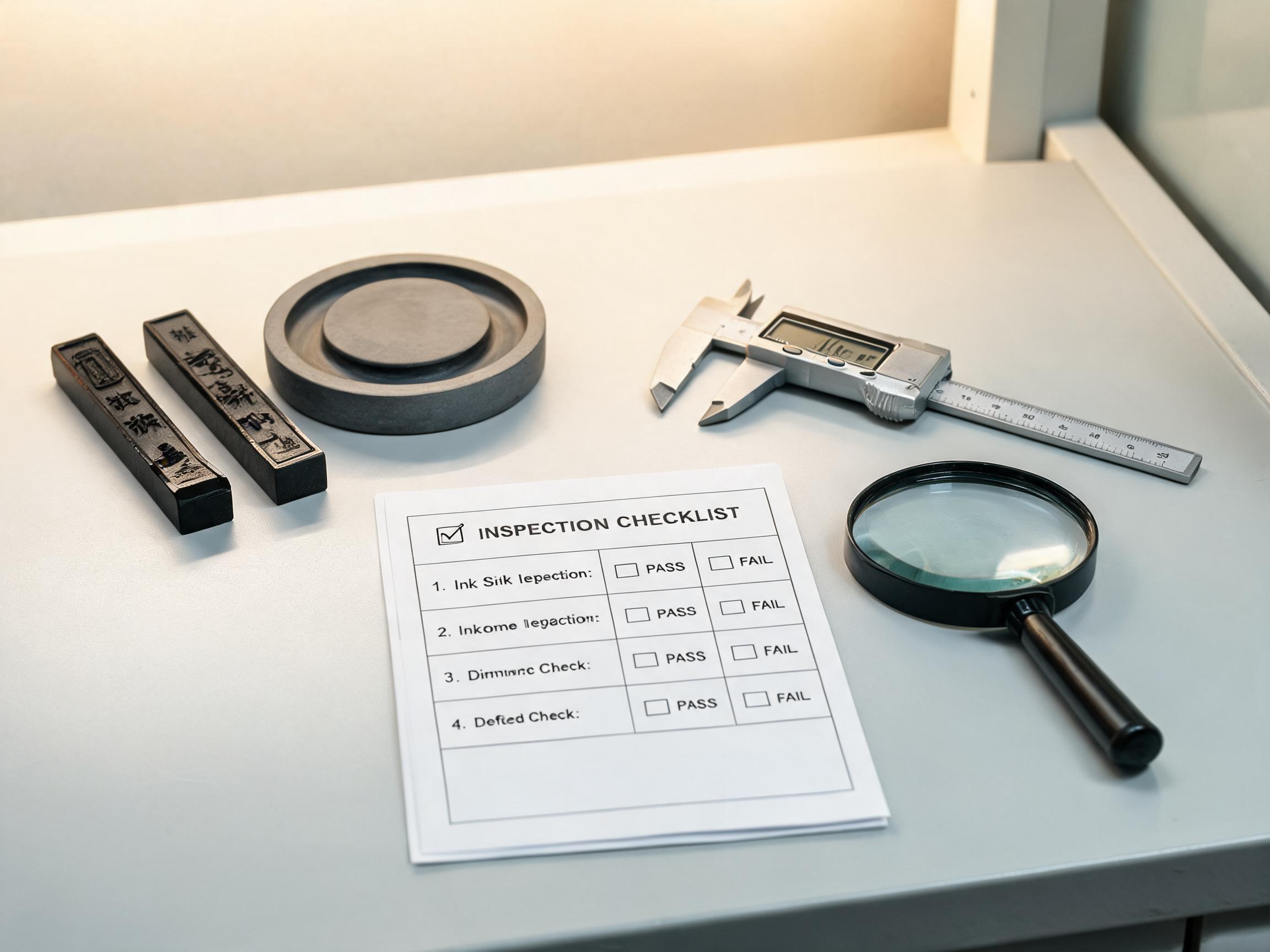
Whichever material you choose, consistency is key. You do not want batch-to-batch variation that leads to inconsistent performance and customer complaints. That is why we operate an integrated production chain, from sourcing raw materials to final inspection. We conduct batch-level performance tests and have inline QC at every stage. This means you can rely on the same quality across large orders, which is essential for wholesale and retail distribution.
When sourcing synthetic brushes, ask your supplier for comparable quality control data. Request specifications on filament diameter, tip firmness, and shedding tests. If they cannot provide batch-level reports, that is a red flag.
Making the Decision: A Checklist for Wholesale Buyers
- Define your target segments: Are you serving students, professionals, or gift buyers? Your material choice will differ.
- Set your price points: Natural hair commands a higher price; synthetic allows for lower entry pricing.
- Request samples: Always test brushes before committing to a large order. Check water retention, stroke control, and shedding over multiple uses.
- Verify supplier QC: Ask for batch-level performance test reports and information about their inline QC process.
- Consider customization: For gift lines, OEM options like engraving can add value. Confirm your supplier's capabilities.
FAQ: Common Questions from Buyers
Are synthetic brushes suitable for professional calligraphy?
Some professional artists use synthetic brushes for specific techniques, especially with acrylics or gouache, where the stiffness is an advantage. However, for traditional ink calligraphy and watercolor, natural hair remains the preferred choice for its water retention and elastic stroke control. If you plan to sell synthetic brushes to professionals, be clear about their intended use and test them thoroughly.
How do I prevent shedding in natural hair brushes?
Shedding is often a sign of poor construction. A well-made brush with a hand-bound head, like our Premium Wolf Hair Calligraphy Brush, minimizes shedding. Always wash the brush gently after use and reshape the tip before drying. If you experience excessive shedding, it may be a quality issue — check with your supplier.
What is the MOQ for natural hair brushes?
Our MOQ is 100 pieces per model, which is manageable for testing new markets or fulfilling smaller wholesale orders. This allows you to start with a trial order before committing to larger volumes.
Can I get custom engraving on natural hair brushes?
Yes, we offer OEM and custom engraving services. This is popular for gift sets and corporate branding. Please contact us with your design requirements, and we will confirm the feasibility and lead time.
Final Thoughts
The choice between synthetic and natural hair calligraphy brushes is not about which is “better” overall, but which is better for your specific market. Synthetic brushes offer cost savings and low maintenance, making them ideal for student lines and budget-conscious buyers. Natural hair brushes deliver superior performance and a premium feel, justifying their higher price in professional and gift channels.
As a wholesale buyer, your job is to match the material to the customer's expectations. Use the comparison table and checklist above as a starting point. And when you are ready to source, work with a supplier that can provide consistent quality, batch-level testing, and the flexibility to customize — like ours.
If you have questions about which brush types fit your market, or if you'd like to request samples, contact our team with your target segments and order volumes. We'll help you build a product mix that sells.