A practical guide for Korean stationery retailers and seoye supply buyers on sourcing calligraphy brushes and ink from China, covering hair types, ink options, gift-set bundling, OEM/private label, MOQ, and approval workflows.
BUYER GUIDE · SEOYE & STATIONERY SOURCING
If you run a Korean stationery store, a cultural gift program, or a seoye (서예) supply channel, you already know the challenge: finding a China supplier who can deliver brushes and ink that actually perform for Hangul and Hanja practice — not just look traditional on a shelf. The wrong brush feels dead in the hand. The wrong ink smears or dries unevenly. And when you are buying for resale or bundling into gift sets, consistency matters as much as quality.
This guide walks through what to verify before you place an order: hair types and elasticity, ink stick versus liquid ink, gift-set bundling for cultural programs, OEM/private label options, MOQs, and the approval workflow that protects you from bad batches.
- Match brush hair to the writing style: goat hair for softness, wolf hair for spring, or a blend like 70/30 goat-to-wolf for balanced control.
- Decide ink stick vs. liquid ink based on your customer’s practice habits and your logistics.
- For gift programs, plan bundling early — suppliers like Gu Mo Craft Technology offer complete scholar desk sets and gift boxes.
- Confirm MOQ (e.g., 100 pcs per design) and the approval workflow before mass production.
Why Korean buyers source from China — and what to watch
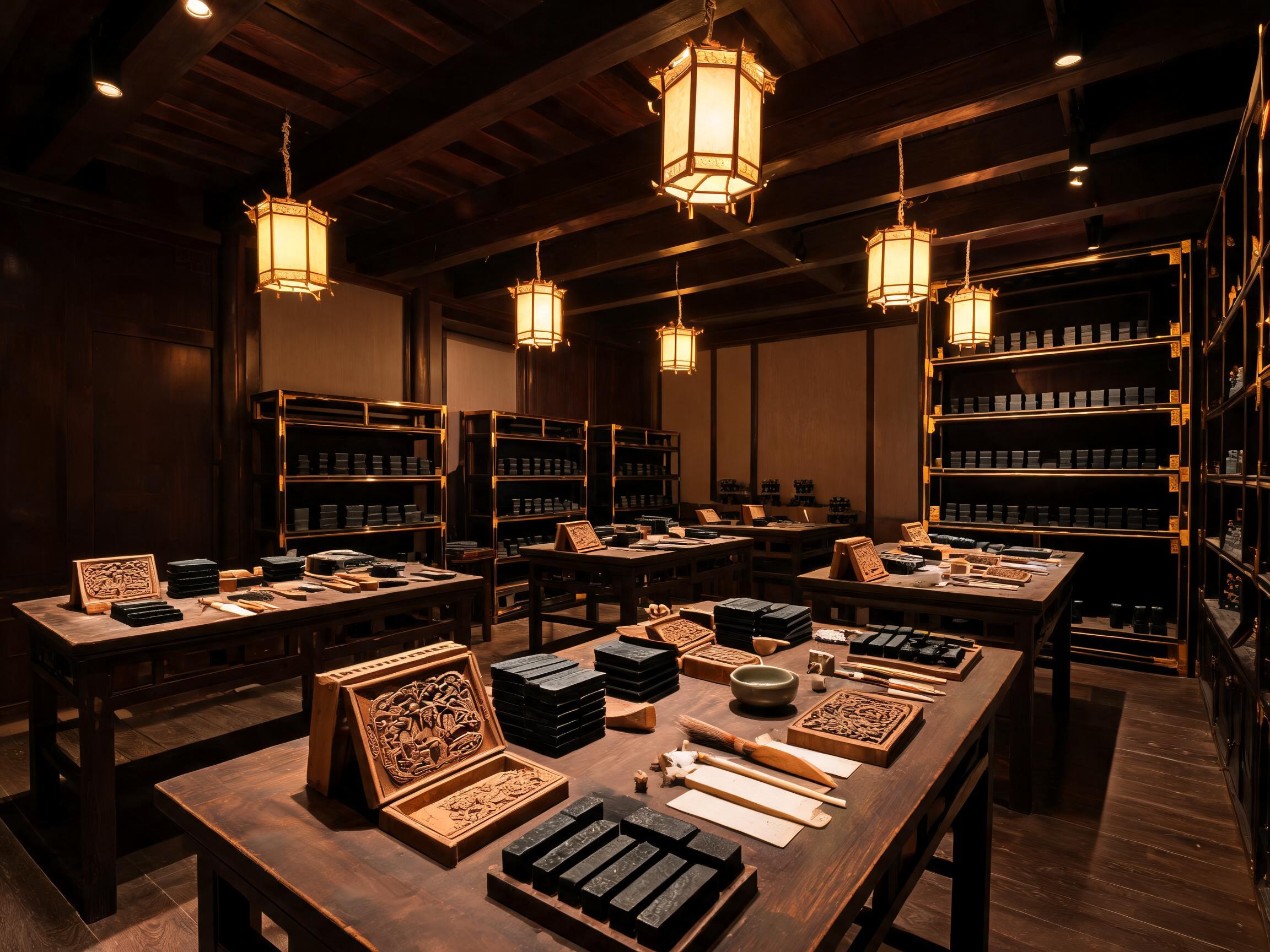
China remains a major source for traditional calligraphy tools because of the raw material base and established craft supply chains. But not all suppliers are equal. For Korean buyers, the main risks are inconsistent hair quality, wrong elasticity for the stroke style, and communication gaps on specifications.
When you source from a supplier with an integrated chain — from raw material to export — you reduce those risks. Gu Mo Craft Technology, founded in 2011, is one example of a manufacturer that controls the process in-house and exports to markets including Japan and Korea. That integration means they can trace the hair, the ink soot, and the finishing steps, which matters when you need repeatable quality.
Brush hair types: what actually matters for Hangul and Hanja
The brush is the most personal tool in calligraphy. Korean seoye practice — whether for Hangul or Hanja — demands a brush that responds predictably. Here’s what to check:
Goat hair (羊毫)
Soft, absorbent, and holds a lot of ink. Good for broad, flowing strokes and for beginners who need forgiveness. But too soft for crisp, tight strokes.
Wolf hair (狼毫)
Actually weasel hair — firmer, more elastic, and snaps back quickly. Ideal for precise, controlled strokes and smaller characters. Can feel harsh for large, expressive work.
Mixed hair (兼毫)
Combines the softness of goat with the spring of wolf. This is often the best starting point for Korean practice because it balances control and expression.
One common blend is 70/30 goat-to-wolf — the higher goat content gives softness, while the wolf adds enough resilience for clean stroke endings. If you’re stocking for a general audience, this is a safe middle ground.
| Hair Type | Feel | Best For | Watch Out For |
|---|---|---|---|
| Goat | Soft, absorbent | Large, flowing strokes; beginners | Lacks snap for fine control |
| Wolf | Firm, elastic | Precise, small characters | Can be harsh for big work |
| Mixed (70/30 goat/wolf) | Balanced | Hangul, Hanja, general practice | Verify blend ratio in writing |
Handle and construction
Don’t overlook the handle. A common specification is a 24cm lacquered bamboo handle — lightweight, balanced, and comfortable for extended sessions. Check that the ferrule (the metal band) is tight and rust-resistant, and that the hair is set deep enough to avoid shedding.
Ink stick vs. liquid ink: which fits your channel?
Korean calligraphy traditionally uses ink sticks ground on an ink stone. But liquid ink is growing in popularity for convenience. Your choice affects your product line, pricing, and customer education.
Ink sticks
Made from soot (pine or oil) bound with glue. The user grinds them with water on an ink stone. This is the traditional, ritualistic method — preferred by serious practitioners and cultural gift buyers. Ink sticks also store well and make attractive gift items.
For sourcing, look for Hui ink sticks — a regional style from Anhui, China. Gu Mo Craft Technology offers both premium pine soot Hui ink sticks and oil soot variants, plus student-grade practice sticks. Pine soot gives a matte, cooler black; oil soot is warmer and glossier. For beginners, student-grade sticks are more affordable and grind faster.
Liquid ink
Ready-to-use, no grinding. Ideal for classrooms, workshops, and casual hobbyists. But it has a shorter shelf life and can settle or separate. If you sell liquid ink, check the concentration and whether it’s suitable for the brush type you’re selling.
| Factor | Ink Stick | Liquid Ink |
|---|---|---|
| Tradition | High — ritual, cultural value | Lower |
| Convenience | Requires grinding | Ready to use |
| Shelf life | Long if stored dry | Shorter; may settle |
| Gift appeal | High — beautiful objects | Moderate |
| Best for | Serious practice, cultural gifts | Classes, beginners, travel |
Gift-set bundling for cultural gift programs
Korean cultural gift programs — for holidays, corporate gifts, or museum shops — often need complete sets: brush, ink, ink stone, and paper in a coordinated presentation. Bundling saves you procurement time and ensures visual consistency.
Gu Mo Craft Technology offers premium scholar desk gift sets that combine brush, ink stick, and ink stone in a gift box. If you’re building your own set, ask the supplier about bundling options — they can match brush styles to ink types and package them to your specifications.
When planning a gift set, consider:
- Target user: Beginner sets need simpler tools and clear instructions; advanced sets can include premium ink sticks and larger brushes.
- Presentation: Box material, padding, and printing all affect perceived value. Confirm whether the supplier handles packaging design.
- Contents: Decide if you want a brush-only set, brush + ink, or full desk set. Each has different sourcing and pricing implications.
OEM / private label: what to expect
Many Korean retailers want their own brand on the packaging, or even customized brush shapes. OEM (original equipment manufacturing) and ODM (original design manufacturing) are common in this space. Gu Mo Craft Technology explicitly supports OEM/ODM, meaning they can produce to your specifications — from handle engraving to box design.
Before you request a quote, prepare:
- Detailed spec sheet: Hair type and blend ratio, handle length and material, ferrule type, total length, and any markings.
- Packaging requirements: Box dimensions, printing, language on labels (Korean, English, etc.).
- Quality expectations: Shedding tolerance, ink absorption, and finish.
If you’re unsure about technical specs, ask the supplier for recommendations based on your target use. A good supplier will guide you, not just take your order.
MOQ and approval workflow: protect your order
MOQs vary by product and customization level. For standard brushes, a common MOQ is 100 pcs per design. Custom or gift-set packaging may have higher minimums. Always ask for the MOQ for each product and packaging option.
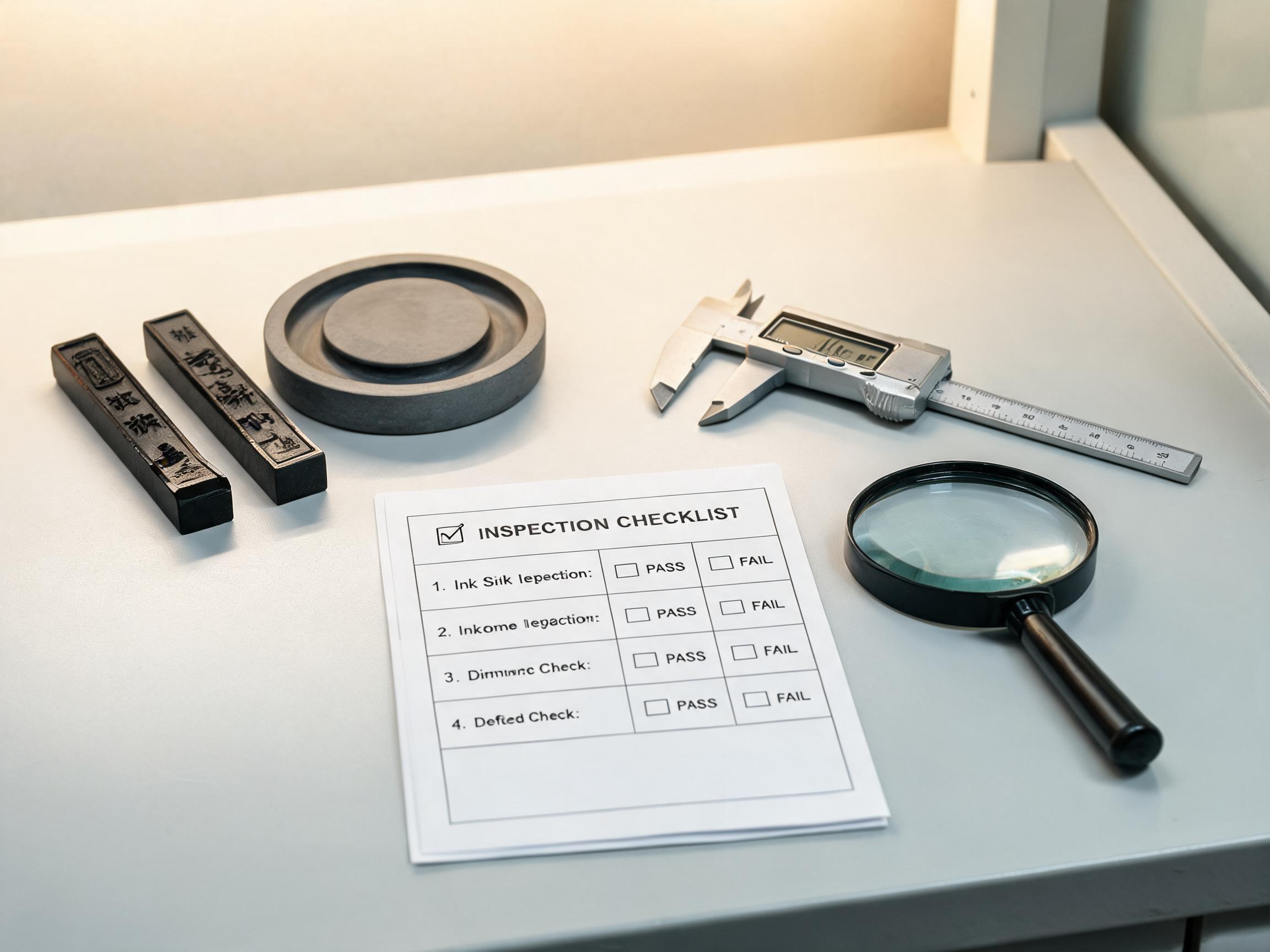
The approval workflow is just as important. A reliable supplier will send you a buyer approval document set before mass production. This typically includes:
- Product specifications and dimensions
- Material descriptions (hair type, handle, ferrule)
- Packaging mockups or descriptions
- Quality control checkpoints
You should review and sign this document before production begins. It becomes your reference for inspection and dispute resolution.
- Supplier unwilling to provide written specs before mass production.
- Vague answers on hair origin or blend ratio.
- No clear QC process or inspection point.
- MOQ changed after you’ve invested in design.
Export packing and logistics
Calligraphy brushes and ink sticks are fragile. Brushes can bend or shed if packed poorly; ink sticks can crack. Ask about export packing — Gu Mo Craft Technology provides export packing services, which means they handle protective packaging for international shipping. Verify that the packing is suitable for your shipping method (sea freight, air, or courier).
For liquid ink, check for leak-proof seals and whether the supplier can meet your country’s import regulations for liquids. Ink sticks are generally easier to ship.
FAQ: quick answers for buyers
What’s the best brush for Korean beginners?
A mixed-hair brush with about 70% goat and 30% wolf is a good starting point — soft enough for control, springy enough for clean strokes. See an example: mixed-hair combination brush.
Ink stick or liquid ink for a gift set?
If the gift is for a serious practitioner or a cultural occasion, an ink stick adds authenticity. For casual users, liquid ink is more practical. Some gift sets include both.
Can I get my own brand on the packaging?
Yes, most suppliers including Gu Mo Craft Technology offer OEM/ODM. You provide the design or specs, they produce.
What’s the typical MOQ?
For standard brushes, often 100 pcs per design. Confirm with the supplier, as custom handles or packaging may change the minimum.
How do I ensure quality consistency?
Ask for a pre-production approval document, request samples, and agree on QC checkpoints. A supplier with an integrated chain — from raw material to export — is more likely to maintain consistency.
Next steps: what to verify with your supplier
Before you commit, ask these questions:
- Can you provide a spec sheet for your brushes and ink sticks?
- What is the MOQ for standard and custom items?
- Do you offer OEM/ODM? What’s the process?
- Can you send a sample before mass production?
- What’s your export packing method?
- What is your approval workflow before mass production?
If you’re evaluating a supplier like Gu Mo Craft Technology, you can start by reviewing their mixed-hair brush, premium pine soot ink stick, and scholar desk gift set to see if their standard line matches your needs. Then request a sample and a detailed quotation.
Sourcing from China doesn’t have to be a gamble. With the right specifications, a clear approval process, and a supplier who controls the chain, you can stock brushes and ink that your customers will trust — and that build your reputation as a serious seoye supply channel.