
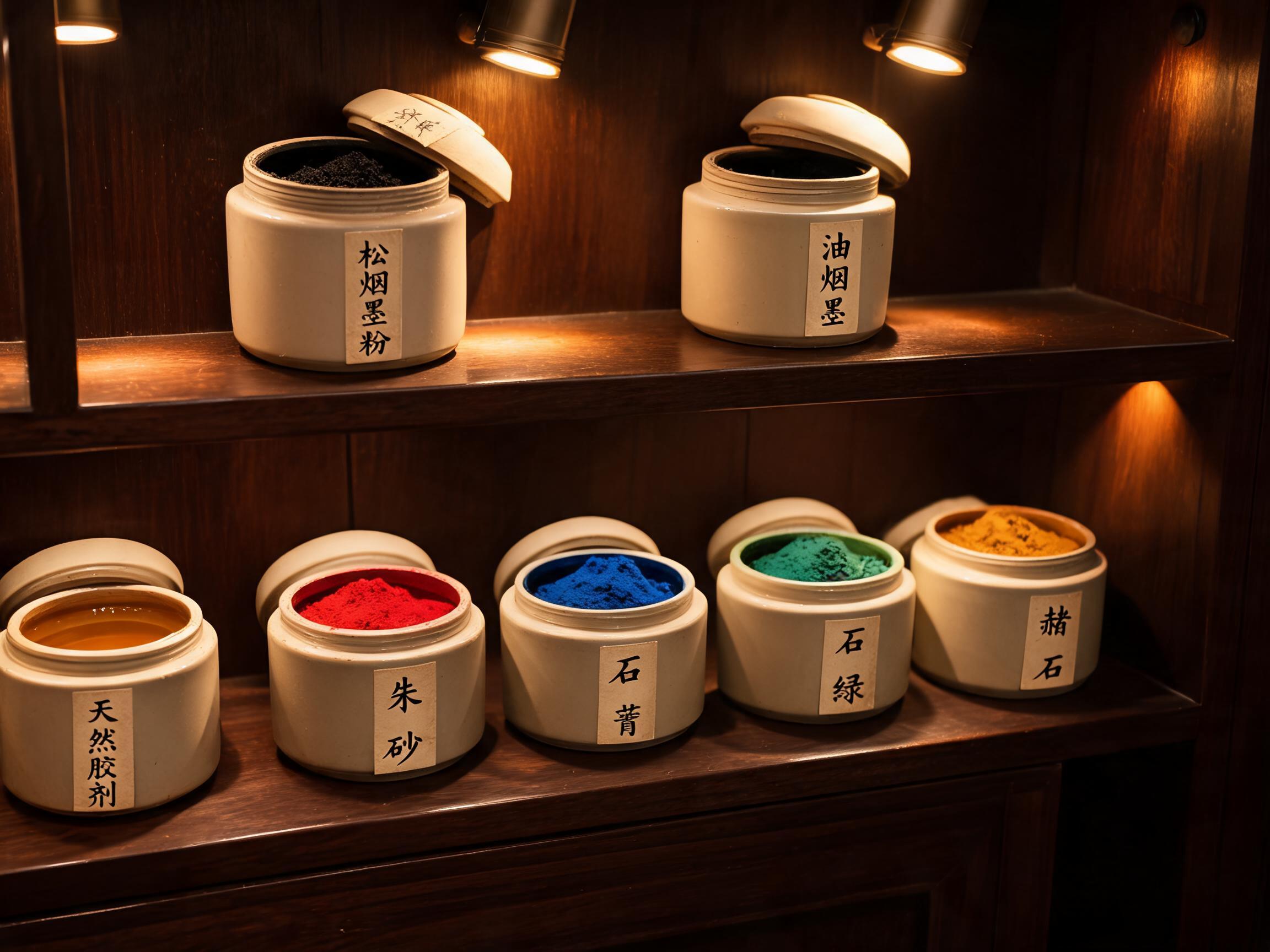
A practical framework for wholesalers and art-supply dealers deciding whether to stock oil soot or pine soot Chinese ink sticks, covering ink tone, use case, price positioning, and channel fit.
Which Chinese Ink Stick Should You Stock?
If you supply art materials to professional studios, calligraphy schools, or gift retailers, the question is not whether to carry Chinese ink sticks — it's which soot type deserves shelf space. Oil soot and pine soot ink sticks look similar at a glance but behave differently under the brush, appeal to different buyers, and command different price points. Stocking the wrong mix means tying up capital in slow-moving inventory or missing demand from a segment you didn't anticipate.
This article gives you a decision framework based on ink tone, use case, price positioning, and channel fit. It is not a general sourcing guide — that's covered elsewhere on this site. Here, we focus on one decision: oil soot vs pine soot, and how to allocate your stock between them.
In this article
Why the soot type matters
In traditional Huizhou ink making, the soot source determines the ink's color, texture, and behavior on paper. Oil soot is produced by burning oils (such as tung oil or rapeseed oil) under controlled conditions. Pine soot comes from burning pine wood or resin. The two produce distinctly different blacks.
For your customers, this translates into different results:
- Oil soot yields a rich, glossy black with a slight sheen. It's often preferred for painting, where layering and depth matter.
- Pine soot gives a matte, cooler black with a softer tone. It's a classic choice for calligraphy, where brush movement and ink absorption are key.
Understanding these differences helps you advise your buyers — whether they're a studio owner looking for painting ink or a gift shop buyer looking for an elegant, traditional item.
Oil soot ink sticks: characteristics and buyers
Oil soot ink sticks are the premium option in the Huizhou tradition. The soot is finer, the grinding process more labor-intensive, and the resulting ink has a depth that painters value. It's not just about the black — it's about the range of tones you can achieve from a single stick.
Typical buyers:
- Professional painters (ink wash, Chinese painting)
- Serious calligraphers who want a glossy finish
- Collectors who appreciate traditional materials
Our Oil Soot Hui Ink Stick Classic is a good example of what buyers in this segment expect. It's made with oil soot and a natural binder, available in 30g to 150g per stick, with a smooth polished finish. The rich glossy black tone is a signature of oil soot. For wholesale, the MOQ is 50 pieces, and we offer custom label and gift box options — which matters if you're serving a gift channel that wants branded packaging.
Pine soot ink sticks: characteristics and buyers
Pine soot ink sticks have a longer history in some ways — pine was the original soot source for ink sticks before oil soot became popular. The ink is matte, with a cooler, more subdued black. It's often described as more "antique" in feel, which appeals to traditionalists and to buyers who want a classic calligraphy ink.
Typical buyers:
- Calligraphy students and practitioners
- Traditional brush painters who prefer a matte finish
- Gift buyers looking for a cultural artifact
We offer two pine soot options to cover different price points:
- Premium Pine Soot Hui Ink Stick — for customers who want a higher-end pine soot stick with finer processing.
- Student Practice Hui Ink Stick — a more affordable option for beginners and high-volume practice use.
This range lets you stock pine soot at both ends of the market without committing to a single tier.
Comparison table
| Dimension | Oil Soot | Pine Soot |
|---|---|---|
| Ink tone | Rich, glossy black with depth | Matte, cooler, softer black |
| Primary use | Painting, layering, detailed work | Calligraphy, traditional practice |
| Price positioning | Premium | Mid-range to affordable (student grade) |
| Typical buyers | Professionals, collectors | Students, traditionalists, gift buyers |
| Channel fit | Specialty art stores, professional supply | General art stores, gift shops, online marketplaces |
Stocking framework by channel
Now, how do you decide the mix? Here's a simple framework based on the channels you serve.
If you supply professional studios and serious hobbyists
These buyers know exactly what they want. They're likely to request oil soot for painting and pine soot for calligraphy. Stock a balanced mix, but lean slightly toward oil soot if your clientele is more painting-oriented. Offer both in a range of sizes (e.g., 30g, 60g, 120g) to accommodate different needs.
Suggest stocking: 40% oil soot, 60% pine soot (if calligraphy is strong), or 50/50 if mixed.
If you serve gift shops and cultural retailers
Gift buyers are less concerned about ink performance and more about appearance, packaging, and story. Oil soot sticks with premium packaging can sell as luxury gifts. Pine soot sticks, especially student-grade, work as affordable entry-point gifts or souvenirs.
Suggest stocking: 30% oil soot (premium gifts), 70% pine soot (affordable gifts and practice items).
If you're an online marketplace seller
Online buyers often search for specific types. Data from Google Ads shows that "chinese ink stick" gets about 1,900 average monthly searches with medium competition, while "chinese calligraphy ink stick" gets 480 searches (low competition) and "chinese ink block" gets 260 (low competition). This suggests there's demand for both general and calligraphy-specific terms. To cover both, list both oil and pine soot products, but optimize your product titles and descriptions to include the specific soot type so you attract the right buyers.
Suggest stocking: 50/50, but monitor which listings convert better.
FAQ
Pine soot, especially student-grade, is more forgiving and affordable. Beginners typically practice calligraphy, and the matte finish is easier to control.
Yes, but the glossy finish may not be traditional for calligraphy. Some calligraphers prefer it for specific effects, but pine soot is the classic choice.
Generally, yes, because the raw material and processing are more costly. But within each type, there are price tiers based on quality and brand.
Look at the label or product description. Also, the ink tone when ground gives a clue: oil soot is glossier, pine soot is matte.
Making your decision
The right mix depends on your customers and your market position. Start with a balanced approach — carry both types — and adjust based on sales data. If you're unsure, order smaller quantities first to test demand. Our MOQ for the oil soot classic is 50 pieces, which is manageable for a trial.
If you'd like to discuss your specific channel and get recommendations on which products to stock, contact our team. We can also provide batch QC photo reports to help you verify quality before committing to a larger order.