
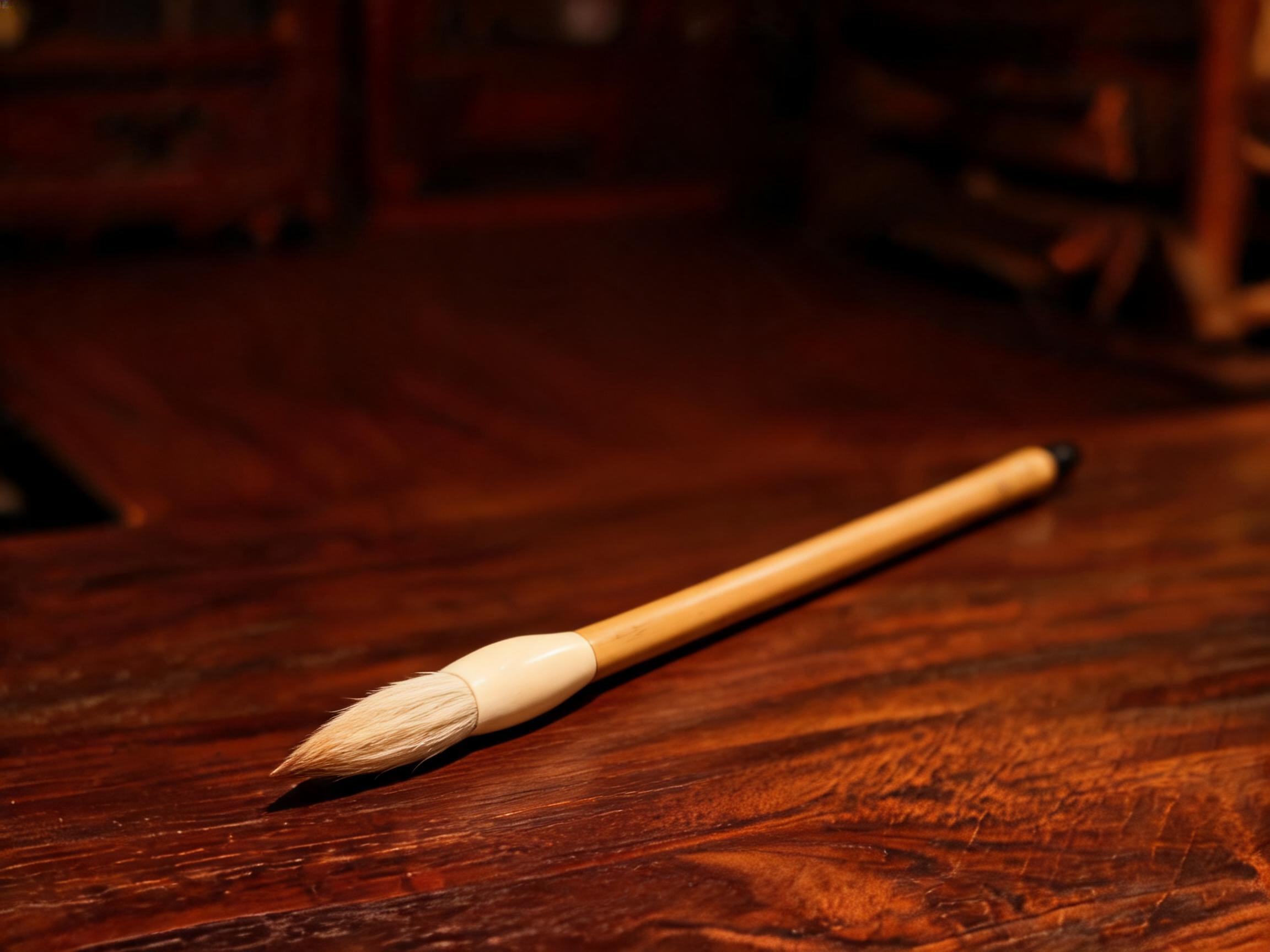
A buyer's guide to structuring portable soft-tip calligraphy brush pen sets for wholesale: how to split 2-, 3- and 5-brush SKUs, where trial pens and hanging-card refills fit, how to layer entry, core-set and gift-box price bands, and what to check when listing into Southeast Asia, Central and Eastern Europe, and the Gulf.
For importers, the portable soft-tip calligraphy brush pen set is not one product but a small ladder: a trial pack to open doors, a core set to carry the reorder, and a gift presentation to lift the average basket. The SKU structure should be decided before artwork, carton layouts or catalogue pages are finalised, because the number of brushes in the case, the refill configuration and the price band all depend on it. This article covers how to split 2-, 3- and 5-brush sets, where single-brush trial and hanging-card refill SKUs fit, and how to layer entry, core and gift-box price bands across three buyer regions.
What the SKU structure should look like
A workable portable range typically runs on three set sizes plus two accessory SKUs. Two-brush sets suit the lowest-commitment listing — a notebook-size sleeve for stationery shelves and gift counters. Three-brush sets are the natural reorder engine: enough heads to show a visible size or hair variation without inflating the pack. Five-brush sets belong where the buyer is already selling calligraphy as a subject, such as art-material stores, museum shops and school suppliers.
Beneath that sit the single-brush trial SKU and the hanging-card refill. The trial pen is the sampling tool: it lets a retailer hand a customer a working brush, and it is also what sales agents carry. The hanging-card refill keeps the pegboard alive after the set sells through, which is where a lot of repeat volume quietly comes from.
| SKU position | Brush count and layout | Its job in the range | Typical buyer |
|---|---|---|---|
| Entry set | 2 brushes; one firm-tip, one softer tip | Low-commitment shelf presence, sampling in store | Gift and stationery retail, convenience-format shops |
| Core set | 3 brushes; graduated sizes | Reorder volume, the default catalogue line | Stationery wholesalers, bookshop chains |
| Extended set | 5 brushes; graduated sizes plus one detail tip | Serious-practice positioning, premium peg | Art-material stores, museum and school suppliers |
| Trial SKU | 1 brush, single card or sleeve | Customer testing, rep sample, counter add-on | All channels |
| Refill SKU | 1 brush on a hanging card | Pegboard replenishment after the set sells | Supermarkets, chain stationery, drugstore formats |
Two structural facts from our own range shape this table. The goat hair soft tip brush uses graded hair selection by length and is tested for ink absorption; it is suited to running and cursive scripts, which is the use case the extended set should be sold on. The 3-brush student practice set pairs synthetic blended hair with lacquered bamboo shafts and is aimed at calligraphy schools and education distributors — a good model for what the core three-brush position should contain.
Designing the trial pack and the refill card
The trial pack fails in one of two ways: it is priced as a miniature set, or it is packed so cheaply that the brush arrives splayed. Neither sells. Keep the trial pen in one predictable tip grade from order to order, so a buyer who tests it gets the same writing feel in the 5-brush set. Label it as a trial on the card, not as a small set, so it does not cannibalise the 2-brush SKU.
The hanging-card refill needs a header hole that survives pegboard hooks in a metal fixture, a card width that fits standard euro-slot runs, and no loose parts. If your market sells through hook displays in grocery and chain stationery, test the card on the actual fixture before the print run — a few millimetres of card width decides whether it hangs straight or swings sideways.
Layering price bands: entry, core, gift
Three bands are enough. The entry band covers the 2-brush set and the trial pen, and its function is to get the line listed and sampled. The core band carries the 3-brush set and the refill card, and it should be where most of the volume and most of the margin sits. The gift band sits above: 5-brush or presentation sets in a rigid box.
For that top band, the premium craft gift box — hardwood construction, magnetic closure, customisable branding — is what turns a set into a corporate or cultural gift item. Keep the band logic honest: the gift box should carry a set that already earns the positioning, not hide a weak brush behind good packaging. Ink is a separate line; the bottled calligraphy liquid ink with consistent density and smooth flow suits workshop, school and wholesale distribution, and it belongs in gift or education assortments rather than in the portable pen SKU itself.
Channel fit across three regions
Southeast Asia. Chain stationery and mixed-goods retail dominate, so hanging-card refills and 2-brush entry sets do most of the work. Humidity in transit is the practical concern: specify inner protection and check that the card stock and any printed sleeve survive a damp warehouse.
Central and Eastern Europe, north of 30°N. Bookshop chains, art-material shops and school suppliers are the natural accounts. Three- and five-brush sets with visible size graduation sell better than single pens here, and buyers tend to ask for clean, restrained packaging for gift seasons. Confirm carton marking requirements with the buyer early.
The Gulf. Gift and corporate channels carry more weight than pegboard. Lead with the gift-box band and the 5-brush set, and treat the trial pen as an inclusion inside a presentation rather than a standalone shelf item. Branding on the box is often the deciding factor.
Pre-shipment checklist
Before you confirm the purchase order
- Confirm the brush count per set and the tip grade in each position — entry, core and extended.
- Check the trial pen is the same tip grade as the core-set brushes.
- Verify the hanging-card header hole against the buyer's actual fixture.
- Agree which band each SKU belongs to and keep it consistent across catalogue and carton.
- Ask for sample photos, specification sheets and signed sample records before sign-off.
- Review the export packaging and shipping-mark plan with the buyer's receiving requirements.
- Confirm the category boundary if the project needs refillable, reservoir-based pens.
Our production runs in-line quality checks — material verification, pattern verification and colour grading — and we can supply sample photographs, specification sheets and signed-sample records, together with export packaging and shipping-mark plans. Use those documents as the working reference for the SKU ladder rather than a verbal description.
FAQ
Should I stock every set size at launch?
No. Start with the 2-brush entry set, the 3-brush core set and the trial pen, then add the 5-brush and gift-box SKUs once the core line reorders. The extended sizes need a buyer who already sells calligraphy as a subject.
Does the search volume justify a dedicated portable range?
Our tracked term shows about 50 searches per month in the on-site pool and a global Google Ads average of 210 per month at high ad competition. That is enough to support a focused category page and a small SKU ladder, not a reason to build ten variants.
Can a set be built around refillable brush pens?
Not from our soft-tip range. Our sets are soft-tip brush sets; refillable pens with an internal ink reservoir are a different category and must be confirmed separately with the supplier before you design a programme around them.
What should the trial pen look like next to the sets?
The same brush, presented as a single card or sleeve and marked as a trial. Keep its tip grade fixed so the customer's test result matches the set they later buy.